
Explore the importance of ESD safe shelving in protecting electronic components, understand the different types, and learn selection and maintenance tips.
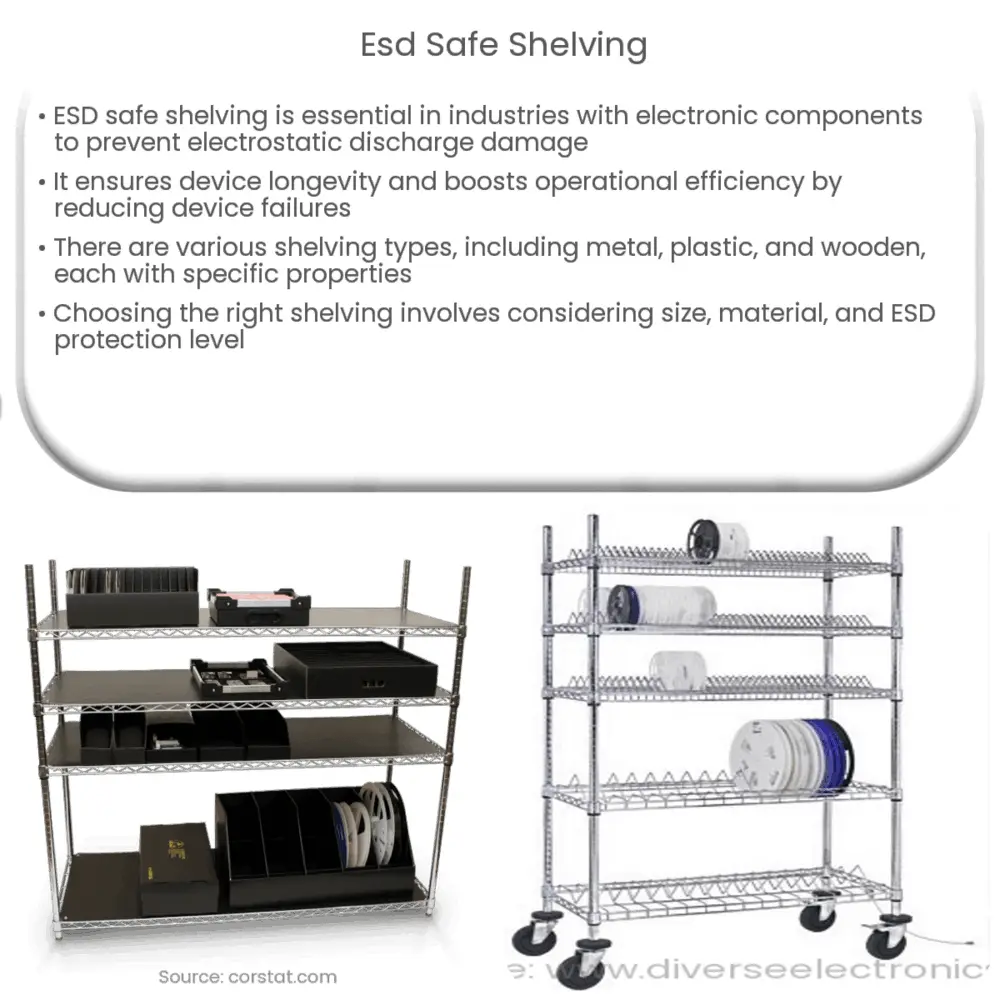
Understanding ESD Safe Shelving
ESD safe shelving is a critical component in many industries, specifically those dealing with sensitive electronic components. ESD stands for Electrostatic Discharge, a sudden flow of electricity between two objects. While this discharge may seem insignificant, it can cause considerable damage to electronic devices, hence the need for ESD safe shelving.
These specially designed shelves provide a safe and secure environment for storing and handling electronic devices and components, reducing the risk of electrostatic discharge, which could potentially compromise the integrity and performance of the devices.
Importance of ESD Safe Shelving
The global technology industry is growing at an unprecedented pace. With this growth comes the increased production and use of electronic components. These elements are susceptible to ESD damage, leading to product failure, which can have significant financial implications. ESD safe shelving plays a vital role in preventing such incidents, ensuring the longevity of electronic components and devices.
-
The first benefit of ESD safe shelving is that it significantly reduces the risk of ESD damage. This is achieved through the materials used to construct the shelves, which have anti-static properties.
-
Secondly, ESD safe shelves increase the lifespan of electronic components. By minimizing the risk of ESD, these shelves ensure that devices operate at their full potential for longer, reducing the need for frequent replacements.
-
Lastly, these shelves can enhance operational efficiency. With the reduced risk of device failure, downtime is minimized, allowing for continuous, uninterrupted operations.
Types of ESD Safe Shelving
-
ESD Safe Metal Shelving: These are made from metal materials and usually coated with a special anti-static paint. They are robust and durable, providing a long-lasting solution.
-
ESD Safe Plastic Shelving: These shelves are constructed from special plastic materials that have been treated to resist electrostatic discharge. They are lightweight and often used for smaller components.
-
ESD Safe Wooden Shelving: Although less common, these shelves offer a balance between the strength of metal shelves and the lightweight nature of plastic shelves. The wood is treated with a special coating to provide ESD protection.
In conclusion, ESD safe shelving plays a pivotal role in ensuring the longevity and integrity of electronic components. Through various types and models, businesses can find a solution that best fits their specific needs and requirements.
Considerations When Choosing ESD Safe Shelving
When choosing ESD safe shelving, there are a few key factors to consider to ensure you get the right solution for your needs.
-
Size: The size of the shelving you choose should be based on the size and quantity of the items you plan to store. Also, consider the available space in your storage area or production floor.
-
Material: The material used to construct the shelf will determine its durability and suitability for your environment. Metal shelves are often the most durable, but they may not be suitable for certain environments. Plastic and wooden shelves offer alternatives that might be more appropriate depending on your specific needs.
-
ESD Properties: Not all ESD safe shelves have the same level of protection. It’s essential to understand the degree of ESD protection required for your specific electronic components and choose shelves that provide adequate protection.
Maintenance of ESD Safe Shelving
Maintaining the ESD safe properties of your shelving is also crucial. Regular cleaning and inspection are necessary to ensure the ESD protective layer remains intact and functional. Use ESD-safe cleaning products to prevent damaging the protective layer and avoid causing static buildup. Furthermore, annual testing of the shelving’s ESD properties is recommended to ensure continued protection.
Compliance with ESD Standards
Lastly, it is essential to note that ESD safe shelving should comply with established industry standards. These standards define the properties and performance of ESD protective equipment and materials, ensuring they provide reliable and adequate protection. The most commonly used standards are the ANSI/ESD S20.20 and IEC 61340. Compliance with these standards will give you confidence in the ESD protection provided by the shelving.
Conclusion
In the fast-paced world of electronics and technology, the importance of ESD safe shelving cannot be overstated. It provides a frontline defense against the potentially devastating effects of electrostatic discharge, safeguarding sensitive components and ensuring their longevity. By understanding the different types of ESD safe shelves available, and considering size, material, and ESD properties, businesses can make an informed decision that best suits their needs. With proper maintenance and adherence to ESD standards, ESD safe shelving can provide reliable protection, contributing significantly to operational efficiency and success in the electronics industry.



