What are the applications of switched-capacitor converters in power electronics?
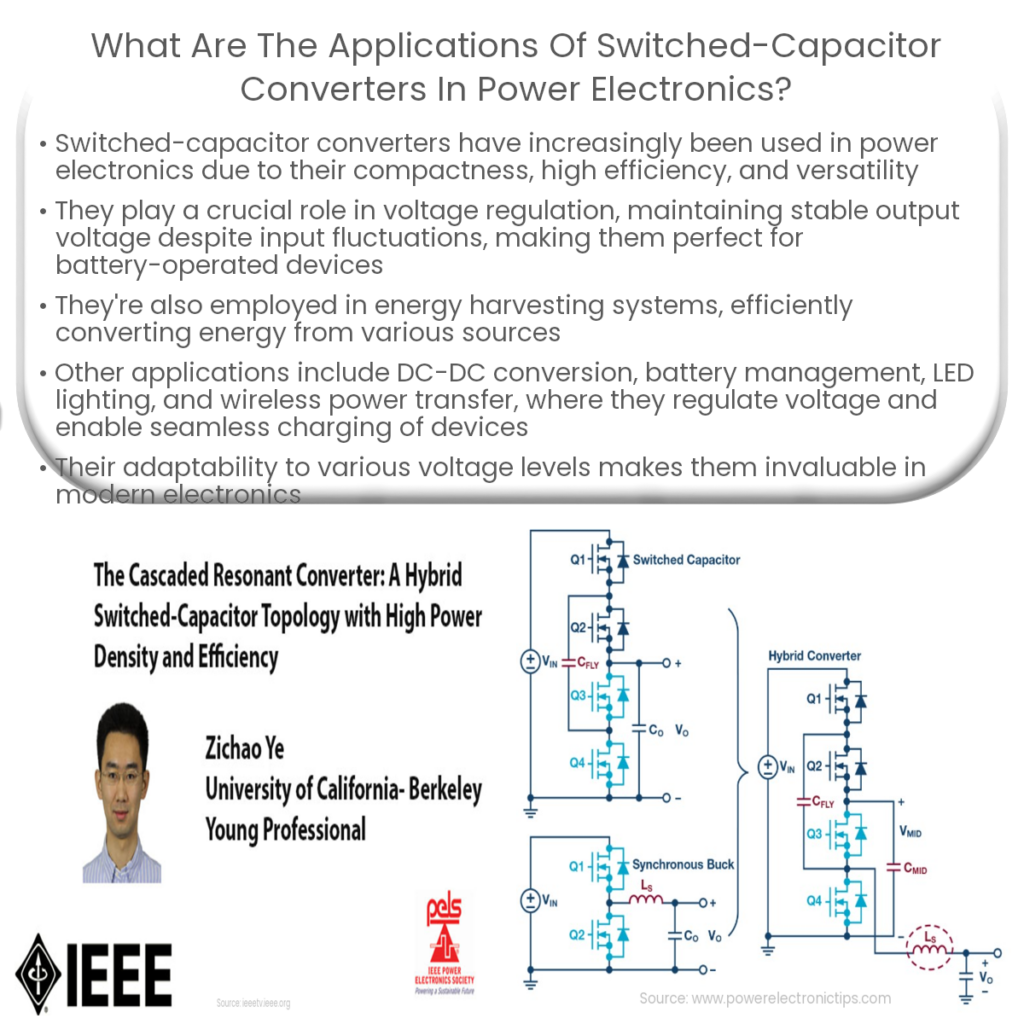
Switched-capacitor converters are used in voltage regulation, energy harvesting, DC-DC conversion, battery management, LED lighting, and wireless power transfer.
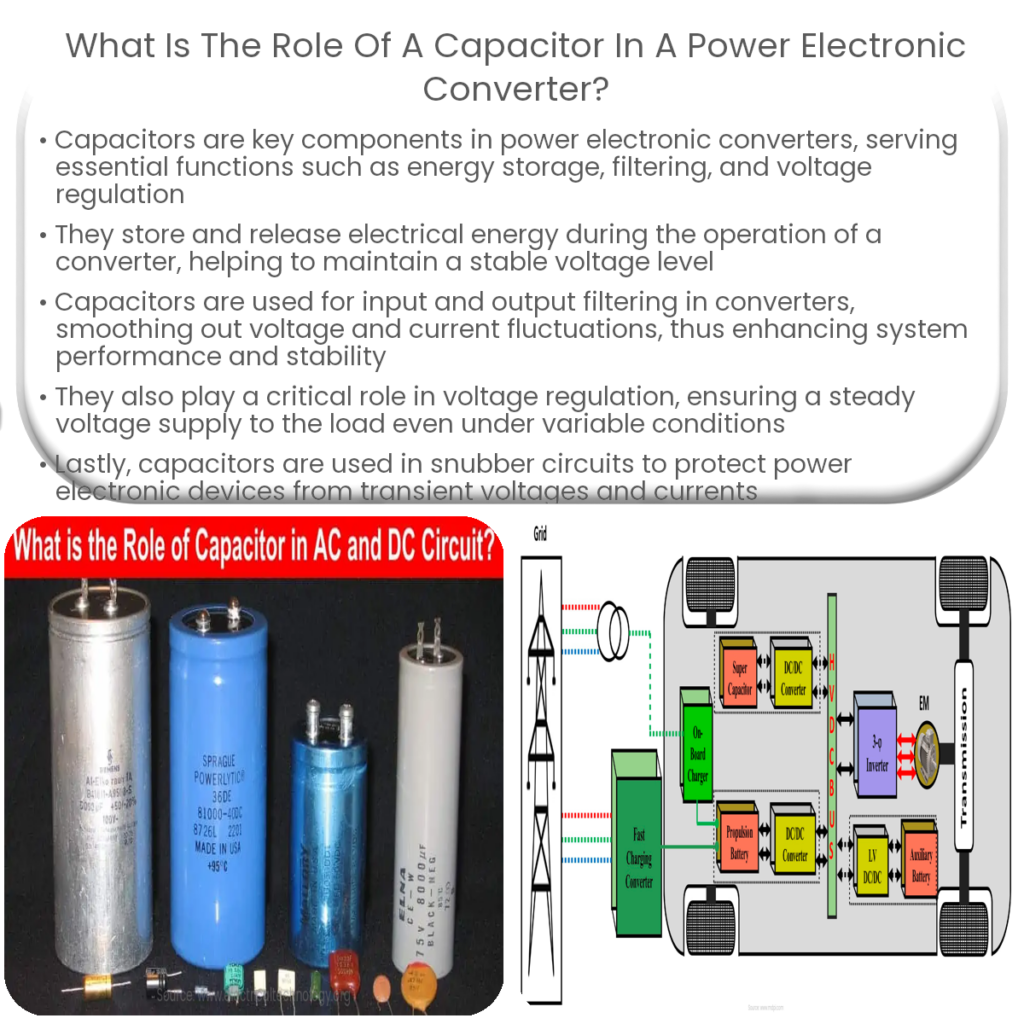
In power electronic converters, capacitors store energy, filter voltage and current ripples, regulate voltage, and protect devices in snubber circuits.
A switched-capacitor converter is an electronic circuit that transfers energy using capacitors, switches, and clock signals for voltage regulation.
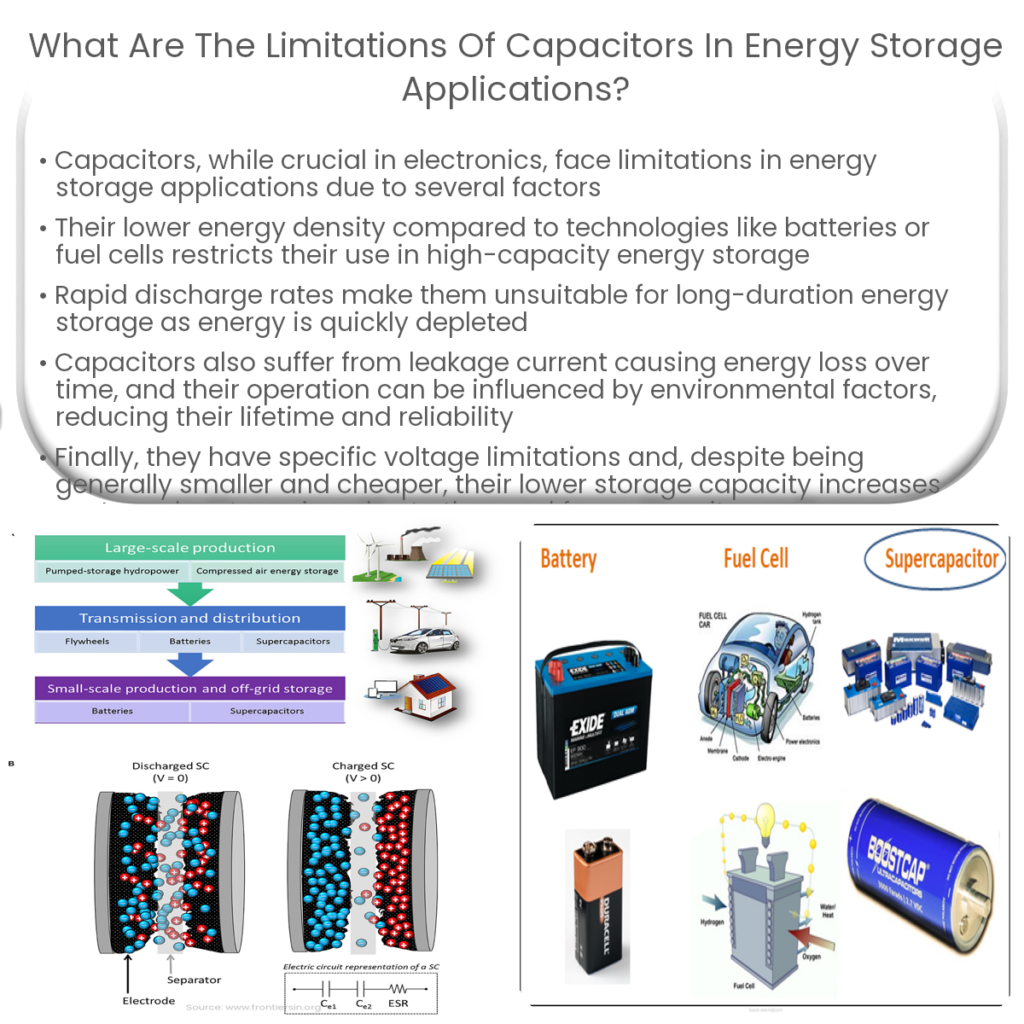
Capacitors have limitations in energy storage due to low energy density, rapid discharge rate, leakage current, reliability, cost, and voltage limitations.
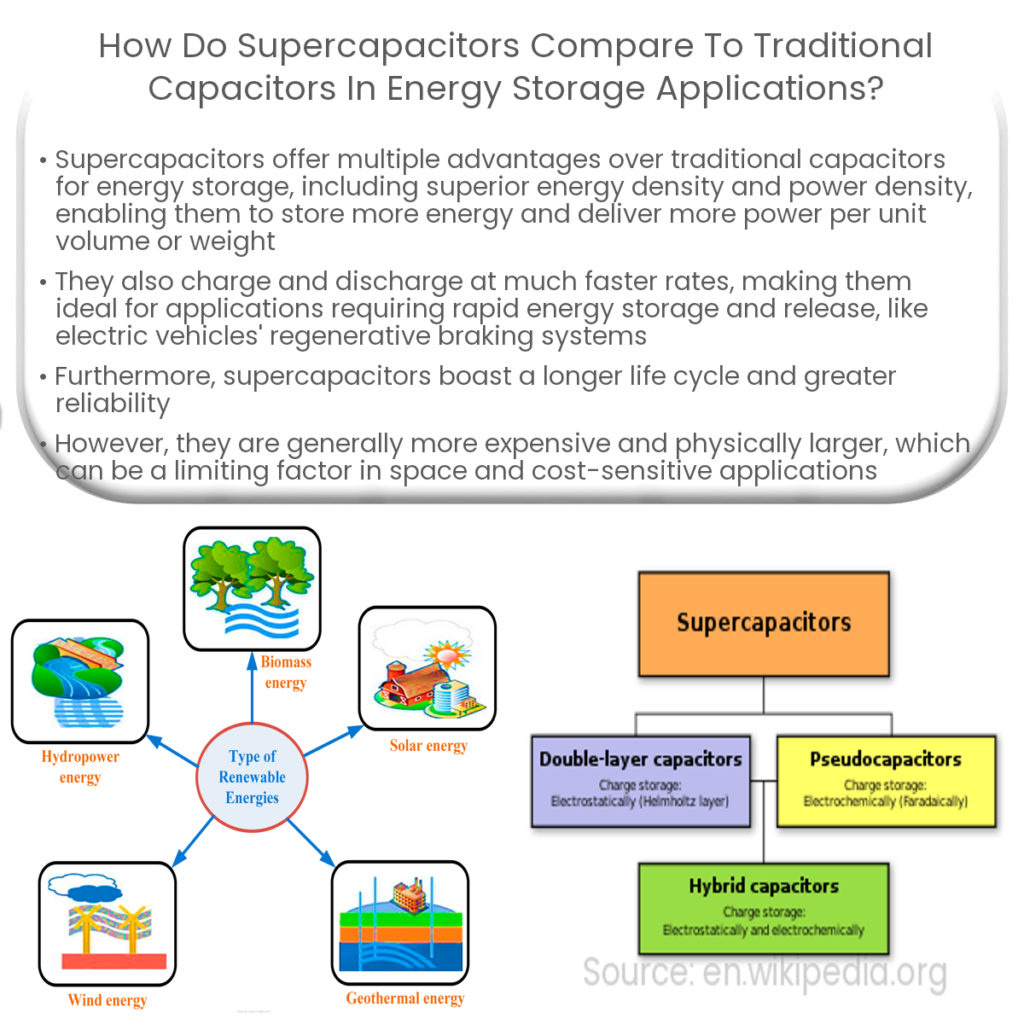
Supercapacitors offer higher energy density, power density, faster charge/discharge rates, and longer life cycles but are costlier and larger.
Electrostatic motors are used in MEMS, nanotechnology, and robotics for precise control in optical switches, micromirrors, microscopes, and microrobots.
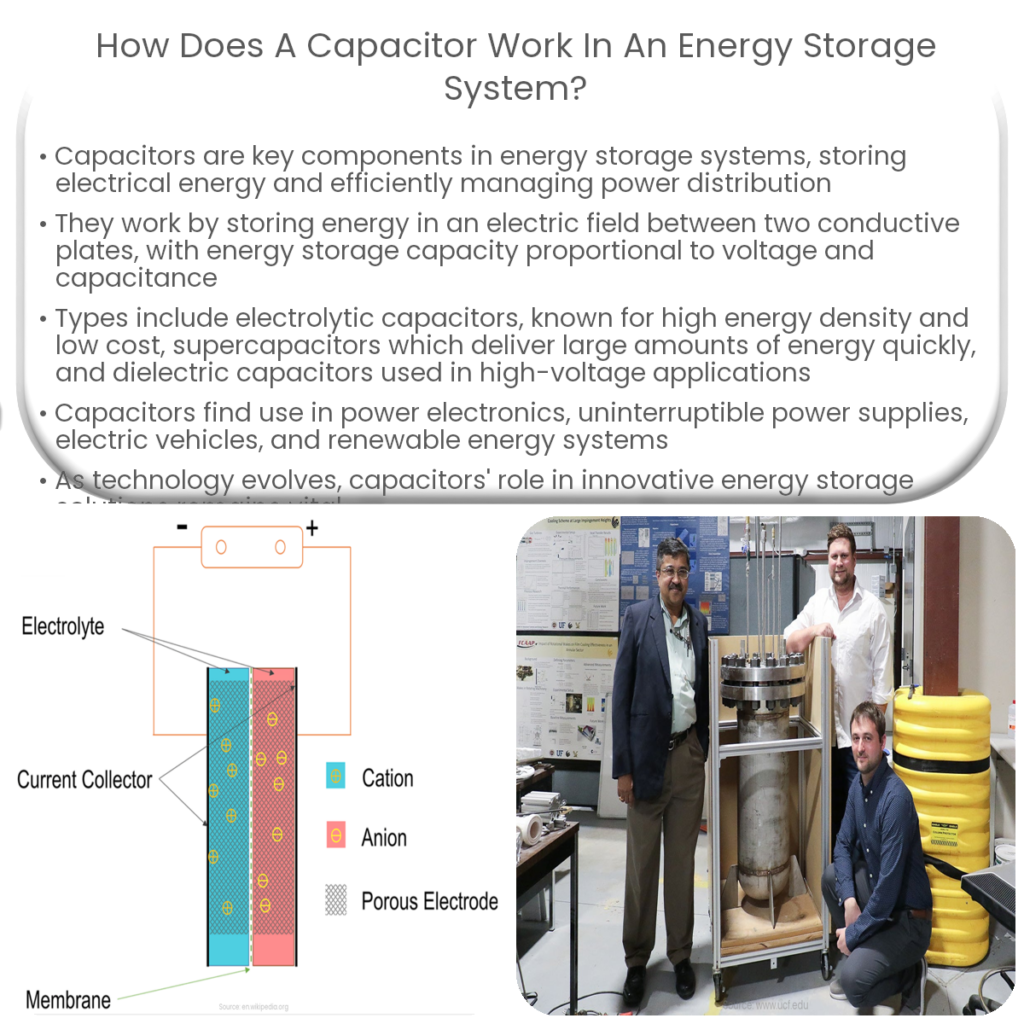
Capacitors store electrical energy in energy storage systems, managing power distribution and providing temporary power in various applications.
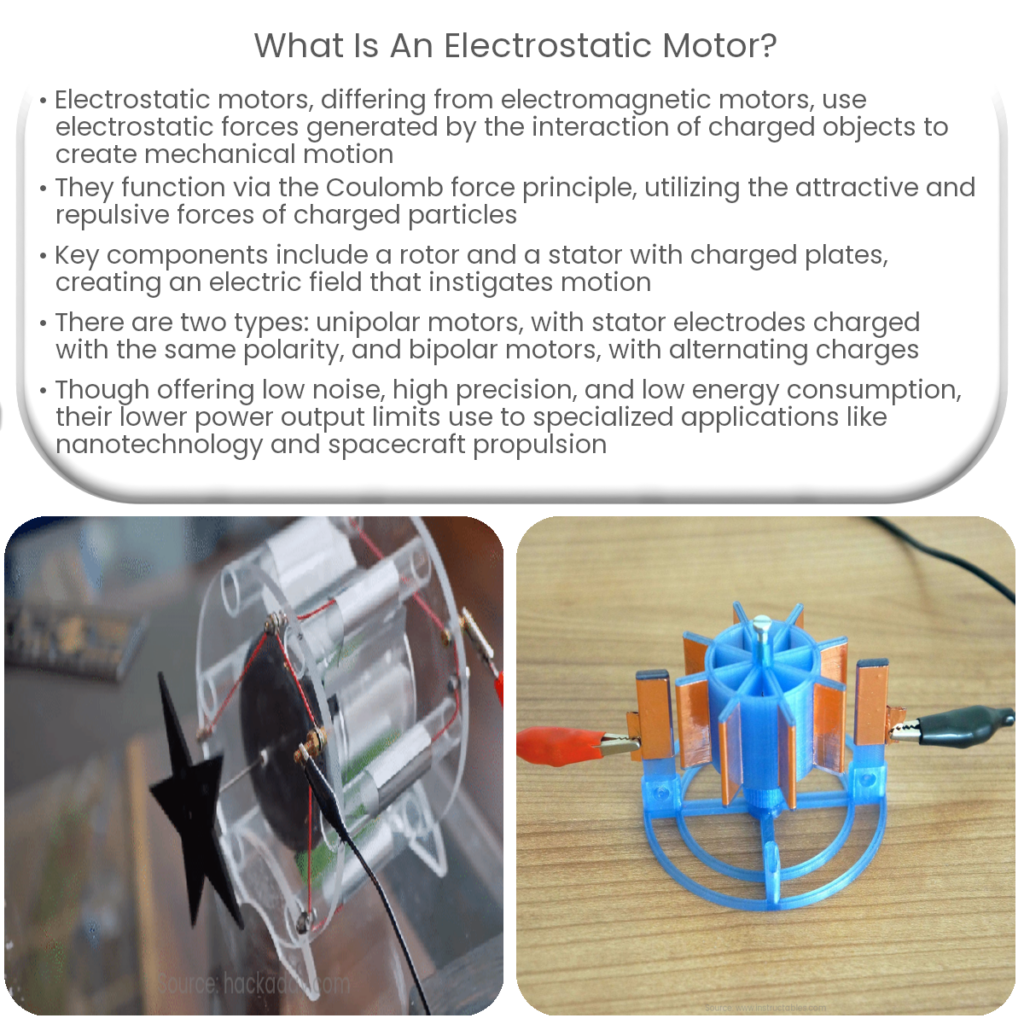
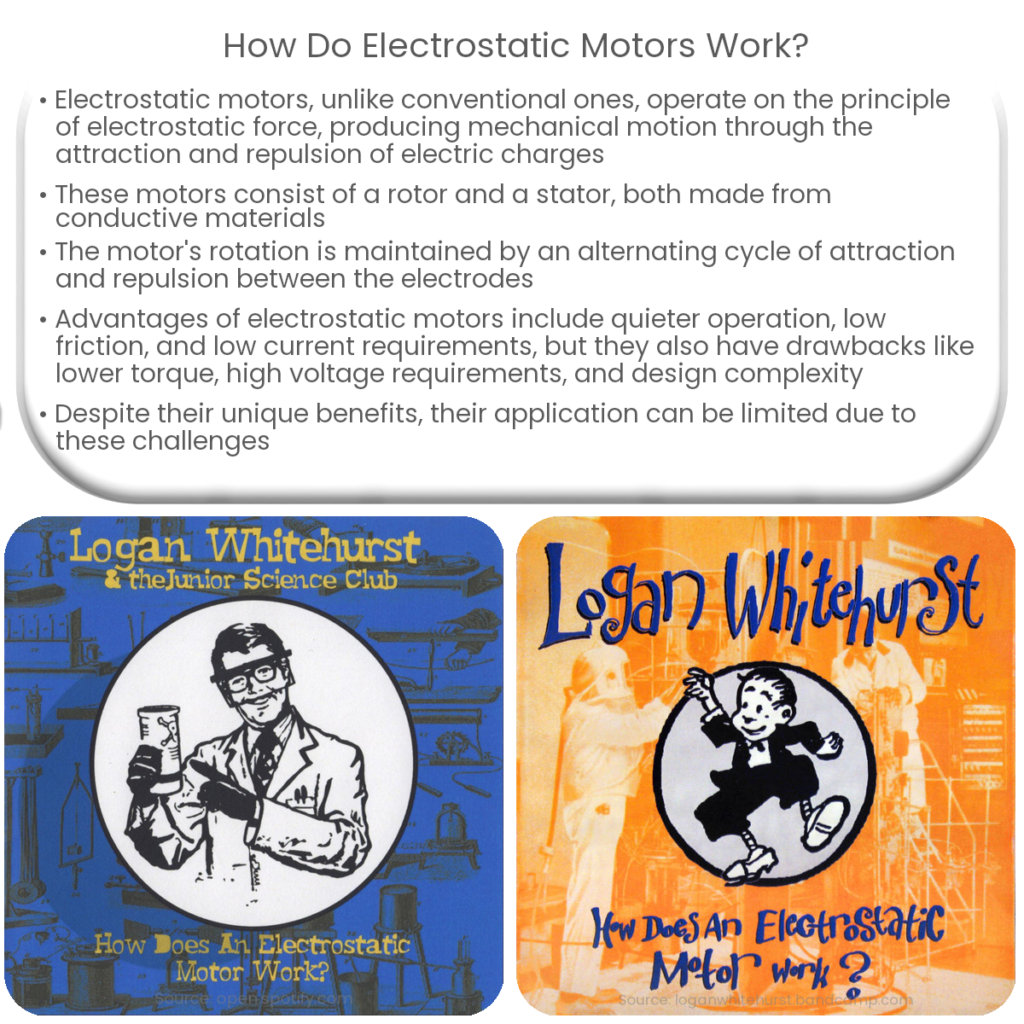
An electrostatic motor is a type of electric motor that uses electrostatic forces to generate mechanical motion, instead of electromagnetic forces.
Electrostatic motors work by using electrostatic forces, generated by alternating attraction and repulsion between electrodes, to create motion.
Electrostatic loudspeakers work by using electrostatic forces to control a thin diaphragm’s movement, producing high-quality sound reproduction.

The primary purpose of this project is to help the public to learn some exciting and important information about electricity and magnetism.
Our Website follows all legal requirements to protect your privacy. Visit our Privacy Policy page.
The Cookies Statement is part of our Privacy Policy.
The information contained on this website is for general information purposes only. This website does not use any proprietary data. Visit our Editorial note.
It’s simple:
1) You may use almost everything for non-commercial and educational use.
2) You may not distribute or commercially exploit the content, especially on another website.