
What are conductors?

Conductors are materials with low electrical resistance that allow electric current to flow easily, often used in electrical wiring and electronic devices.
Conductors are materials with low electrical resistance that allow electric current to flow easily, often used in electrical wiring and electronic devices.

The unit of electric current is the ampere (A), named after French scientist André-Marie Ampère and is a base unit in the International System of Units.
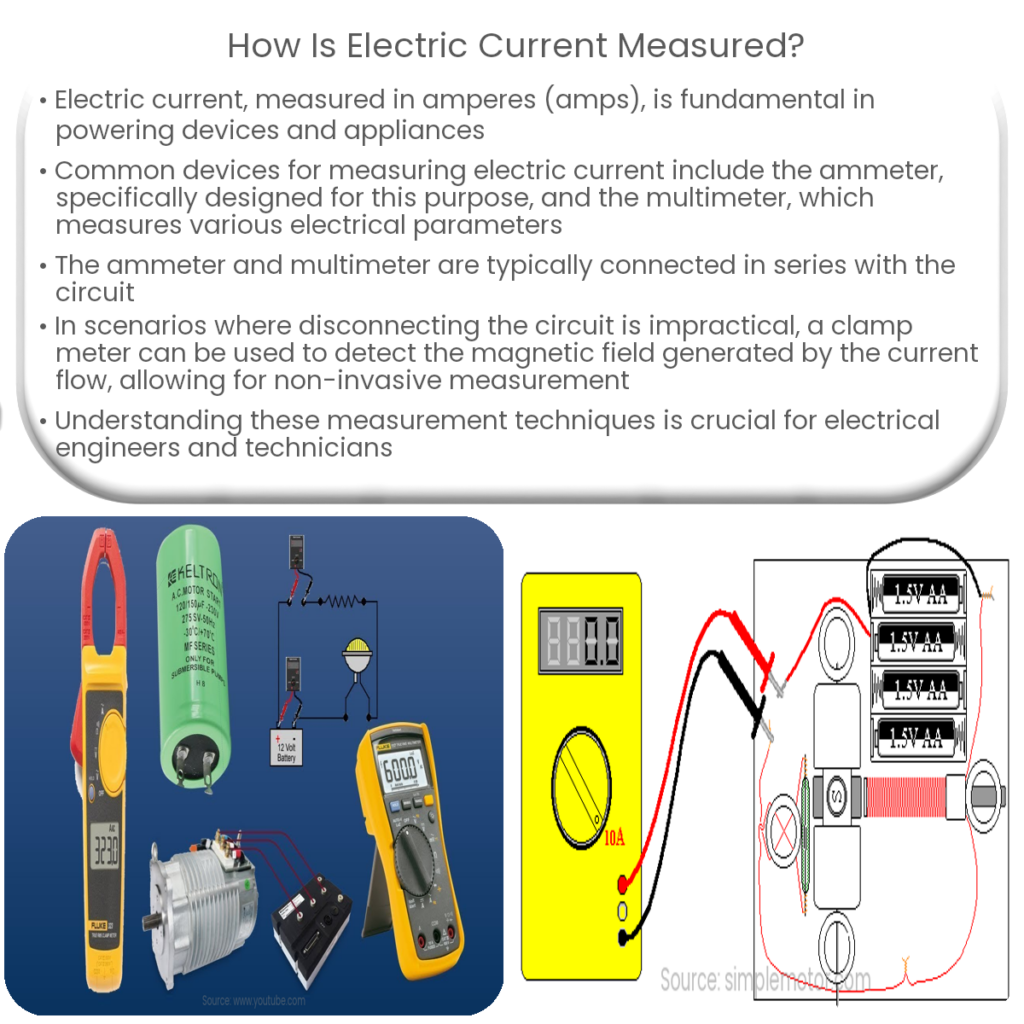
Electric current is measured in amperes using devices like ammeters, multimeters, and clamp meters, depending on the specific application.
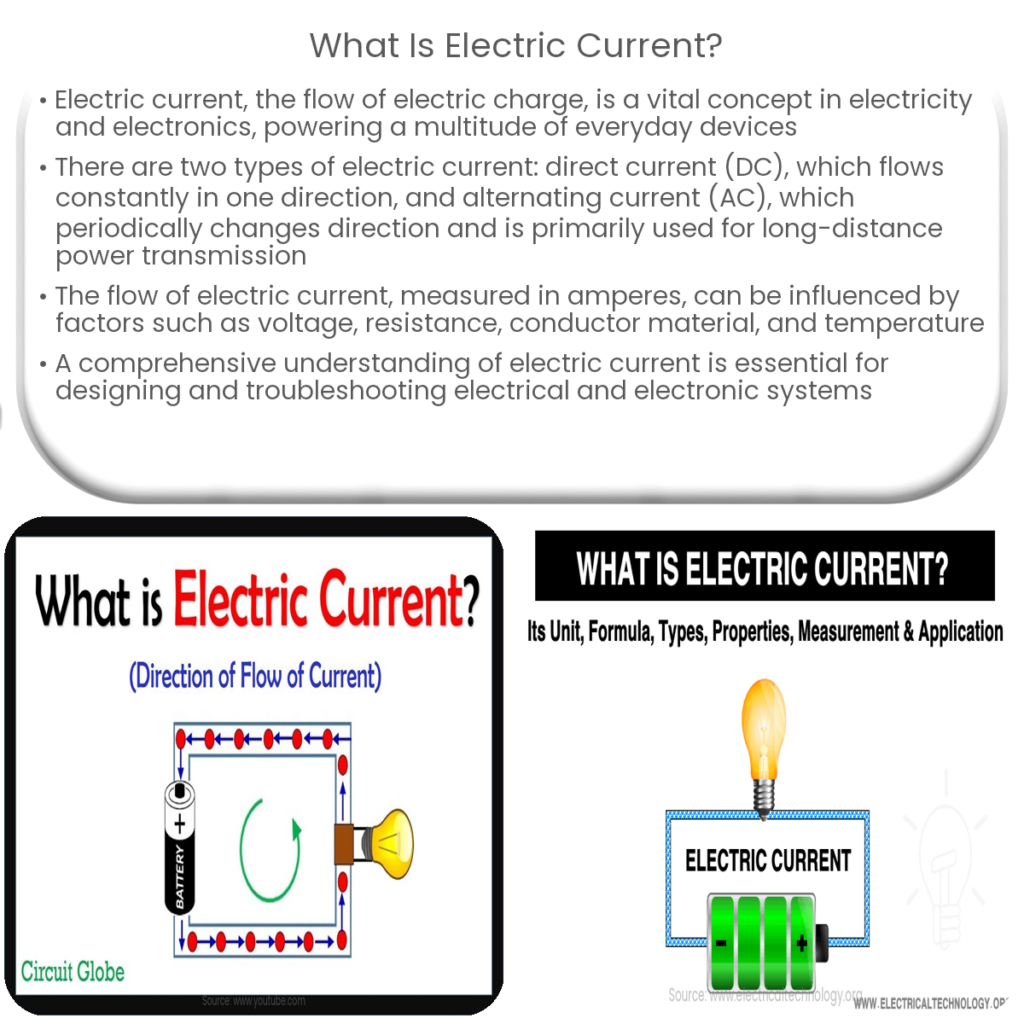
Electric current is the flow of electric charge, typically carried by electrons, through a conductor like a wire, powering devices and transferring energy.
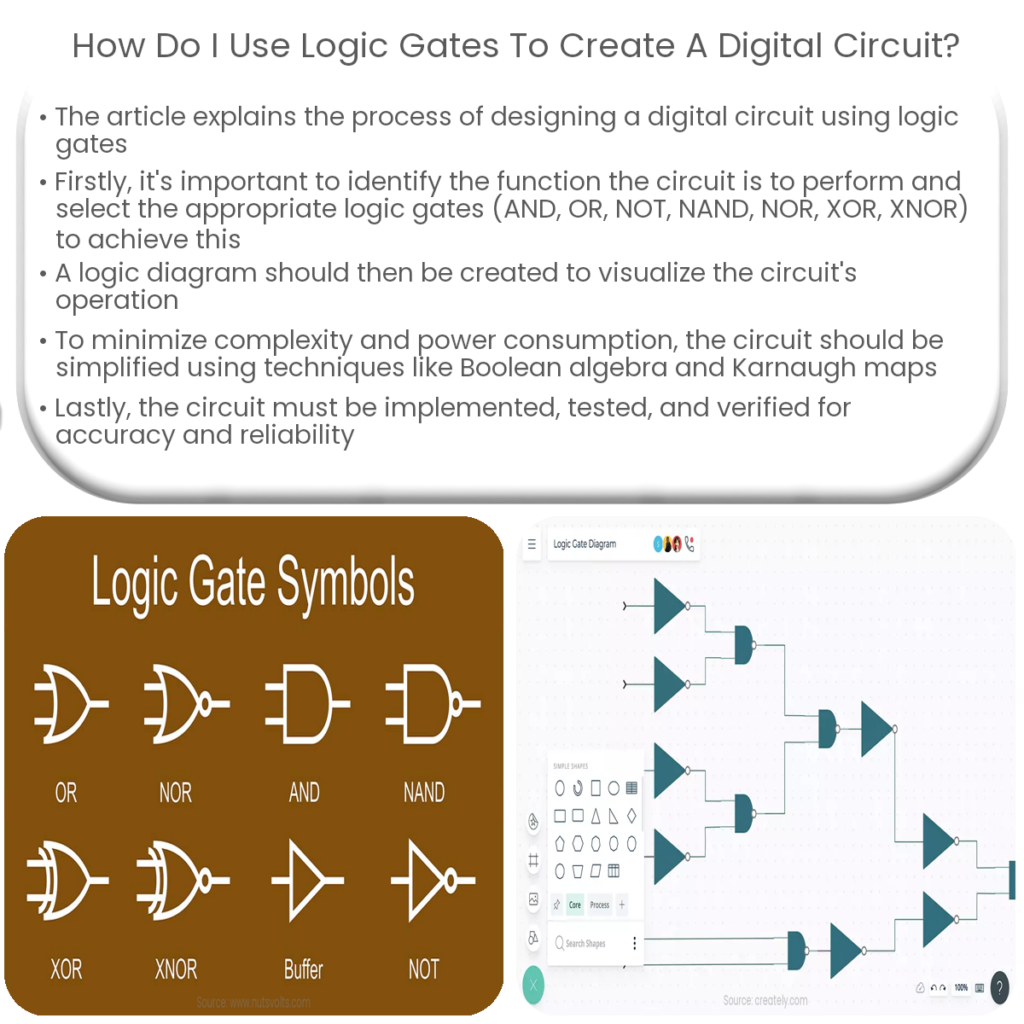
To create a digital circuit with logic gates, identify the desired function, choose appropriate gates, create a logic diagram, simplify, implement, and test.

Different types of logic gates include AND, OR, NOT, NAND, NOR, XOR, and XNOR. They perform various Boolean operations in digital circuits.

Logic gates process binary signals in digital circuits, performing Boolean operations based on their function. They can be combined for complex tasks.

A logic gate is a fundamental component of digital circuits that performs a specific Boolean function based on inputs like AND, OR, or NOT operations.
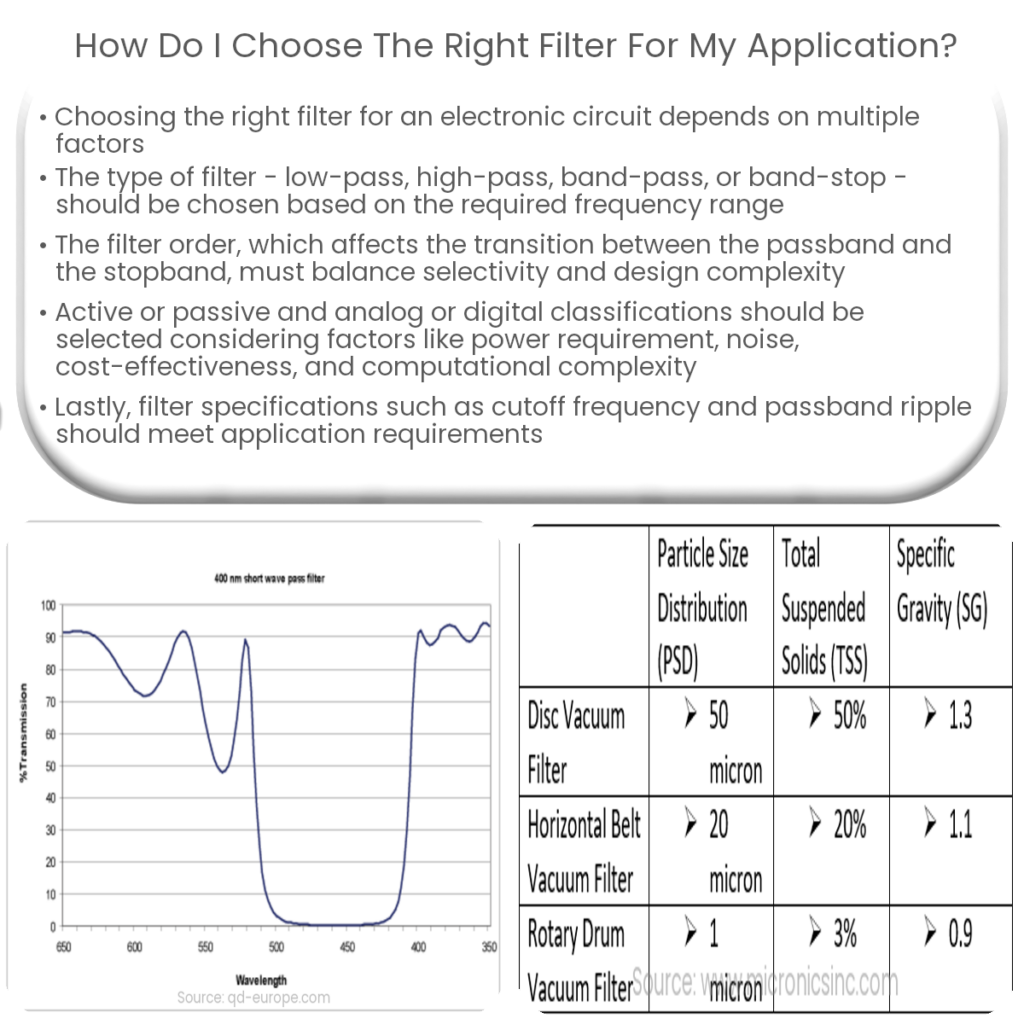
To choose the right filter, consider filter type, order, active/passive, analog/digital, and filter specifications such as cutoff frequency and attenuation.

Filters can be low-pass, high-pass, band-pass, band-stop, active, passive, analog, or digital, each with unique characteristics and applications.

The primary purpose of this project is to help the public to learn some exciting and important information about electricity and magnetism.
Our Website follows all legal requirements to protect your privacy. Visit our Privacy Policy page.
The Cookies Statement is part of our Privacy Policy.
The information contained on this website is for general information purposes only. This website does not use any proprietary data. Visit our Editorial note.
It’s simple:
1) You may use almost everything for non-commercial and educational use.
2) You may not distribute or commercially exploit the content, especially on another website.


