
Push-pull converter

Explore the workings, advantages, and applications of push-pull converters in power electronics, alongside key design considerations.
Explore the workings, advantages, and applications of push-pull converters in power electronics, alongside key design considerations.
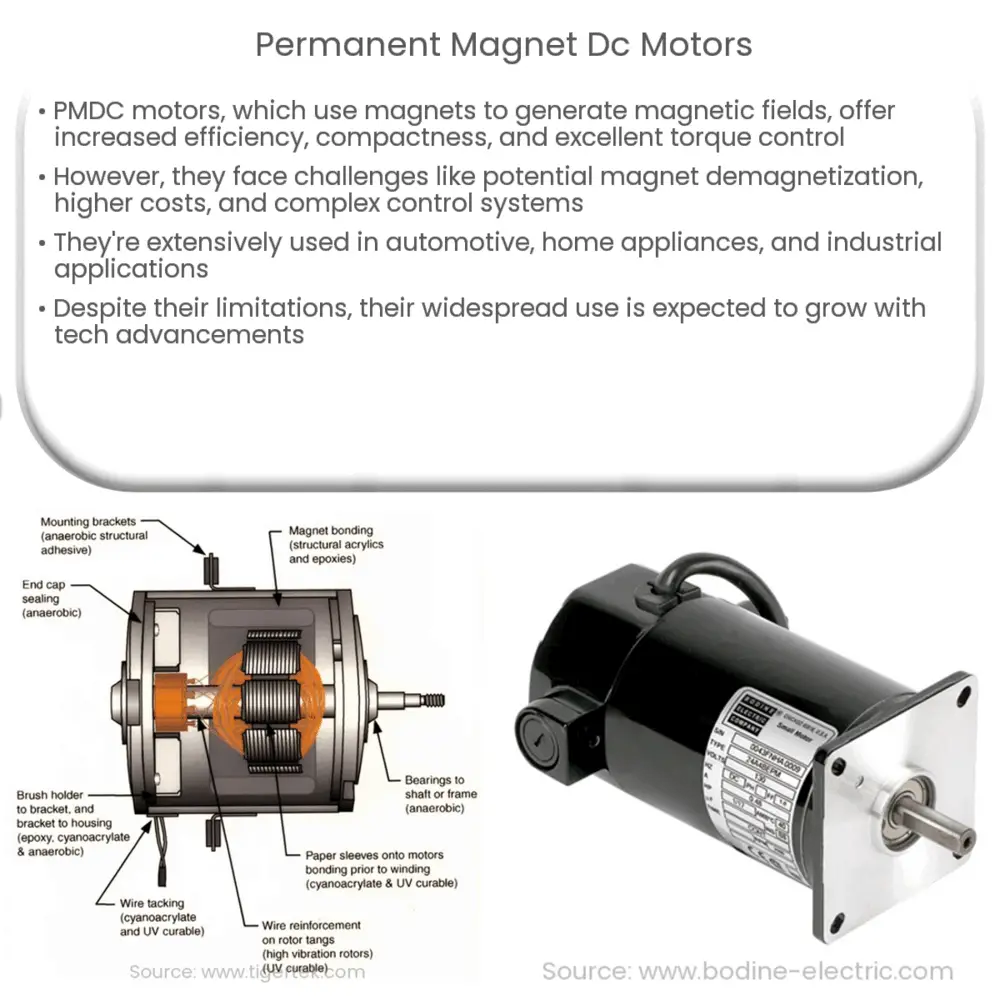
Explore the fundamentals of Permanent Magnet DC Motors, their structure, benefits, limitations, and applications in our comprehensive guide.

Explore the forward converter, a popular SMPS topology known for its efficiency, simplicity, and versatility in various applications.
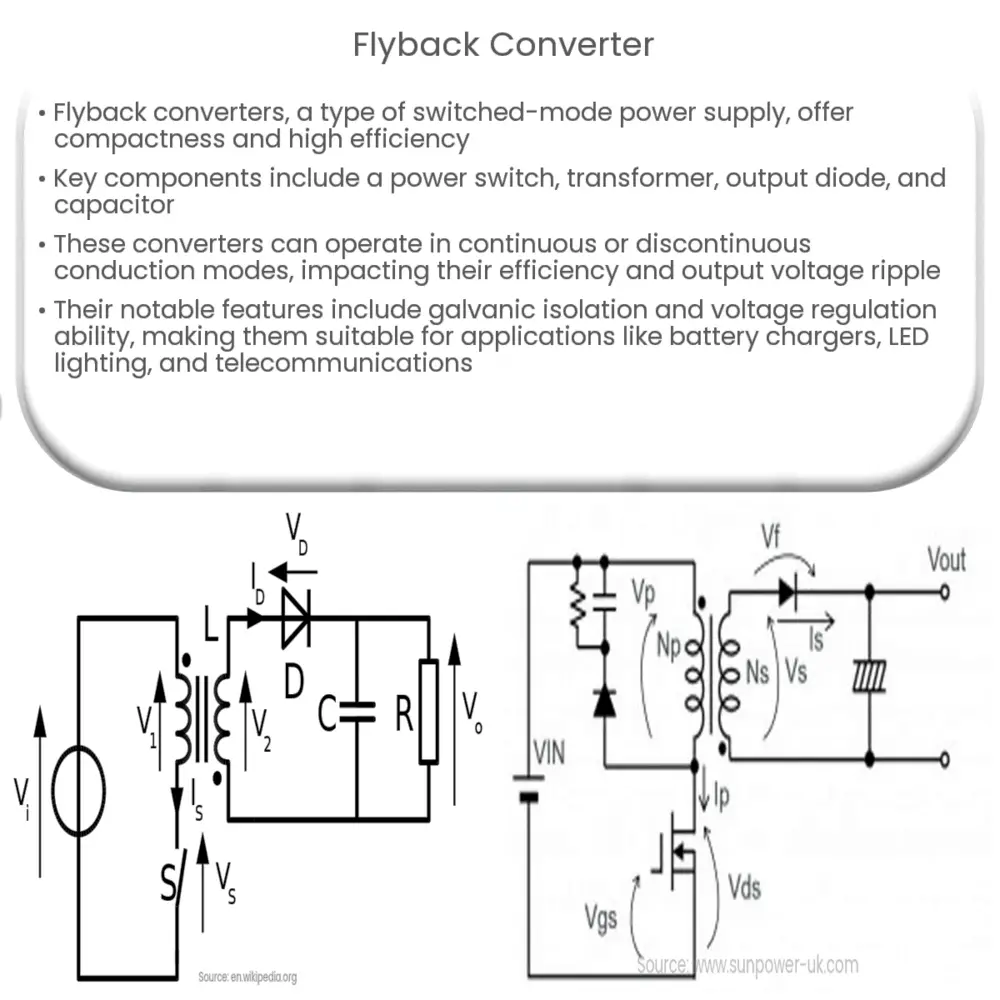
Flyback converters are compact, efficient power supplies that provide galvanic isolation, enabling use in various applications like battery charging and LED lighting.
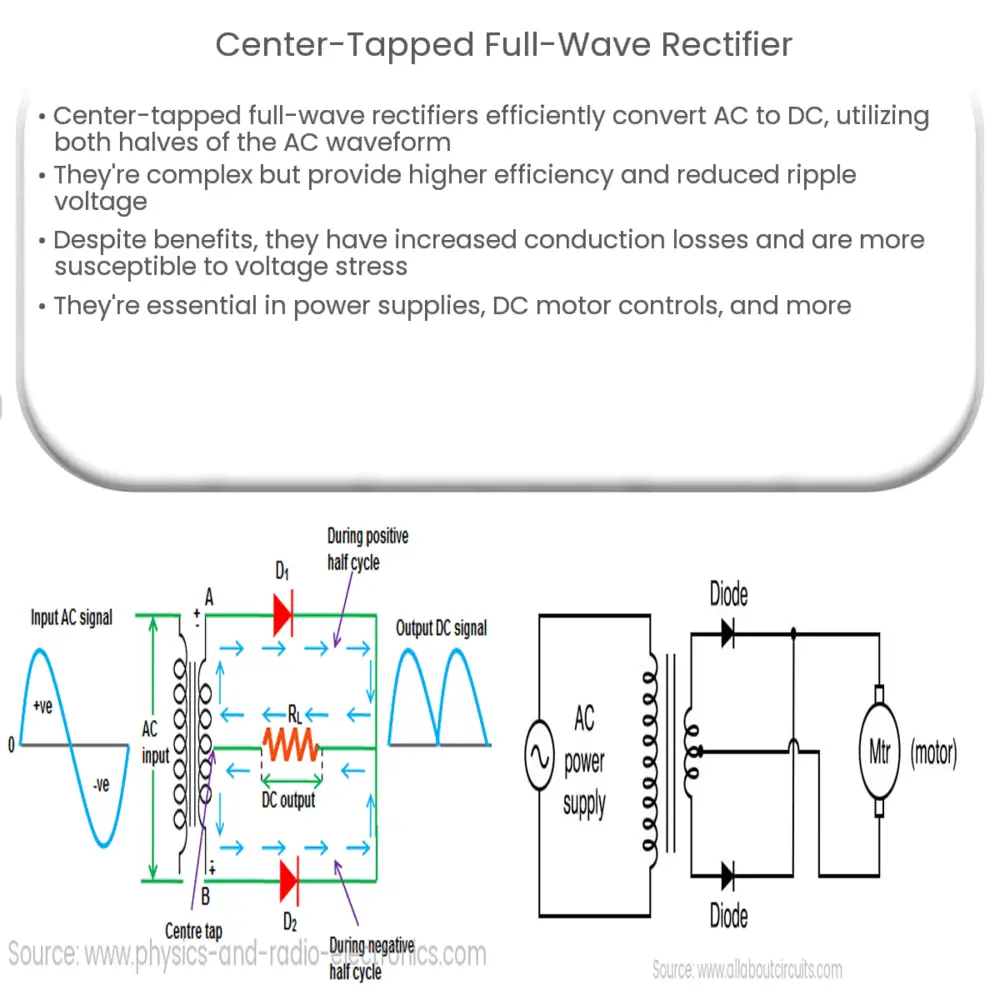
A center-tapped full-wave rectifier efficiently converts AC to DC, using a center-tapped transformer and two diodes to utilize both halves of the AC waveform.
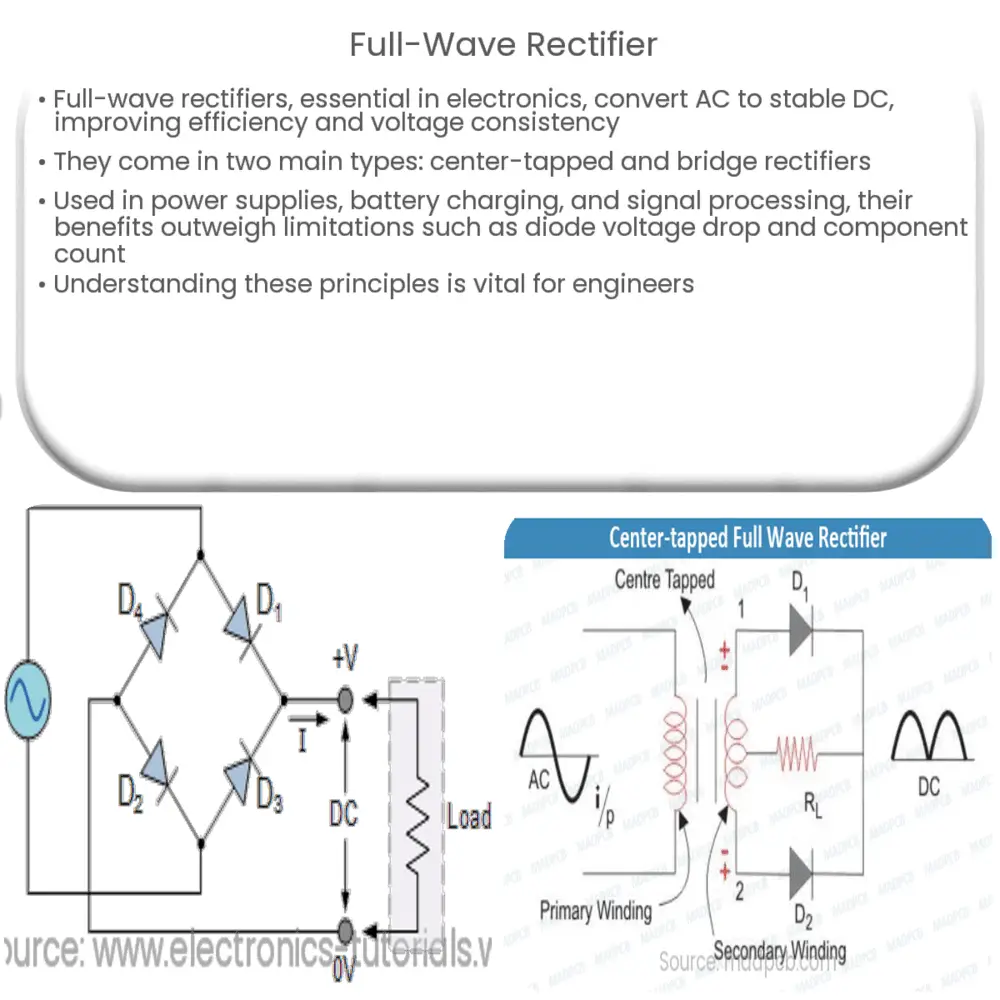
A full-wave rectifier is an electronic component that converts alternating current (AC) into direct current (DC), enabling efficient and stable power supply.

A half-wave rectifier is an electronic component that converts AC voltage to pulsating DC voltage, utilizing a single diode in its simple design.
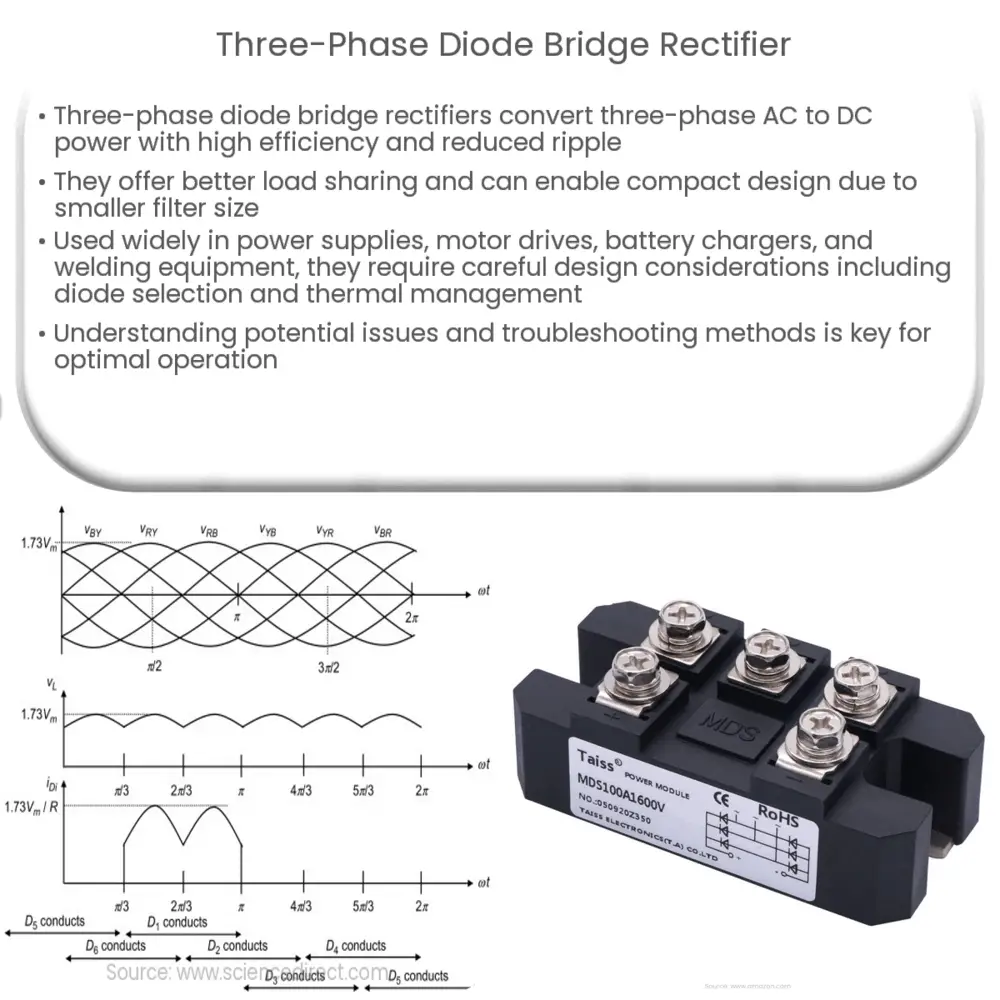
A three-phase diode bridge rectifier converts three-phase AC power into DC, offering high efficiency, reduced ripple, and improved load sharing in various applications.
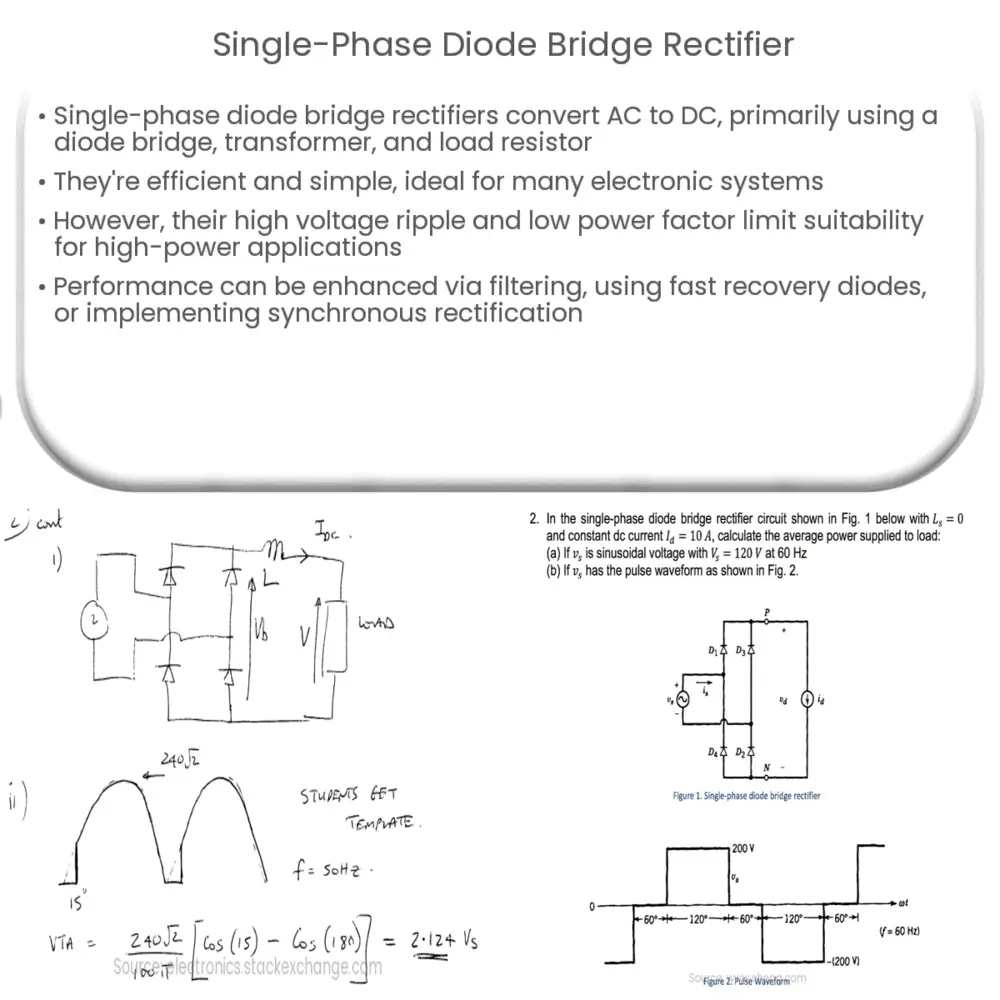
A single-phase diode bridge rectifier is an essential component that converts AC to DC, offering simple design, high efficiency, and broad application use.

Resonant accelerometers are a class of inertial sensors that measure acceleration using the principle of resonance. These devices offer high sensitivity, low noise, and a wide dynamic range, making them ideal for various applications in diverse industries.

The primary purpose of this project is to help the public to learn some exciting and important information about electricity and magnetism.
Our Website follows all legal requirements to protect your privacy. Visit our Privacy Policy page.
The Cookies Statement is part of our Privacy Policy.
The information contained on this website is for general information purposes only. This website does not use any proprietary data. Visit our Editorial note.
It’s simple:
1) You may use almost everything for non-commercial and educational use.
2) You may not distribute or commercially exploit the content, especially on another website.


