
Boost current regulator
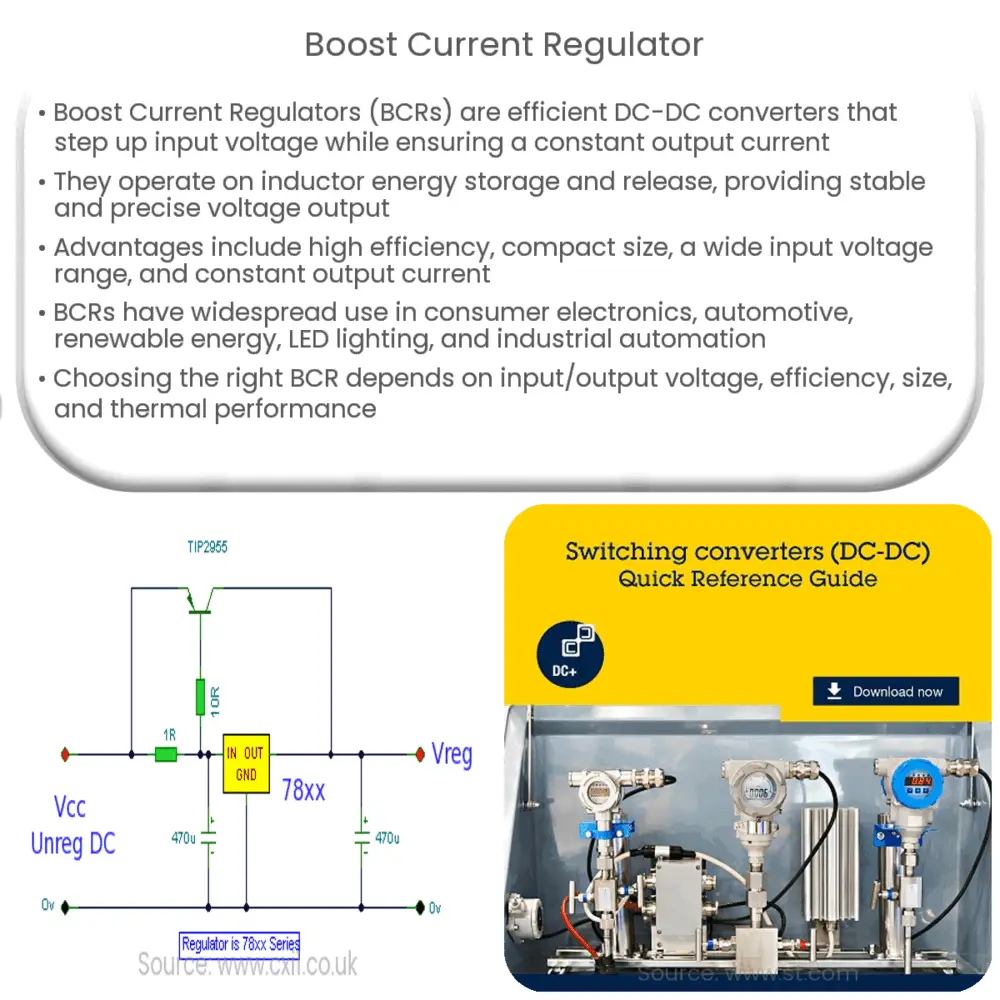
Boost Current Regulators efficiently step up input voltage while maintaining constant output current, enhancing device performance and energy use.
Boost Current Regulators efficiently step up input voltage while maintaining constant output current, enhancing device performance and energy use.

A buck current regulator is an efficient power converter that steps down input voltage while maintaining constant output current for various applications.

Switching current regulators offer precise output current control, high efficiency, and compact design for various power electronics applications.

A linear current regulator ensures a stable output current in electronic systems, compensating for input voltage fluctuations and load changes.

An oscilloscope with capacitance measurement is a versatile tool for visualizing and analyzing electronic circuits, streamlining troubleshooting, and optimizing performance.
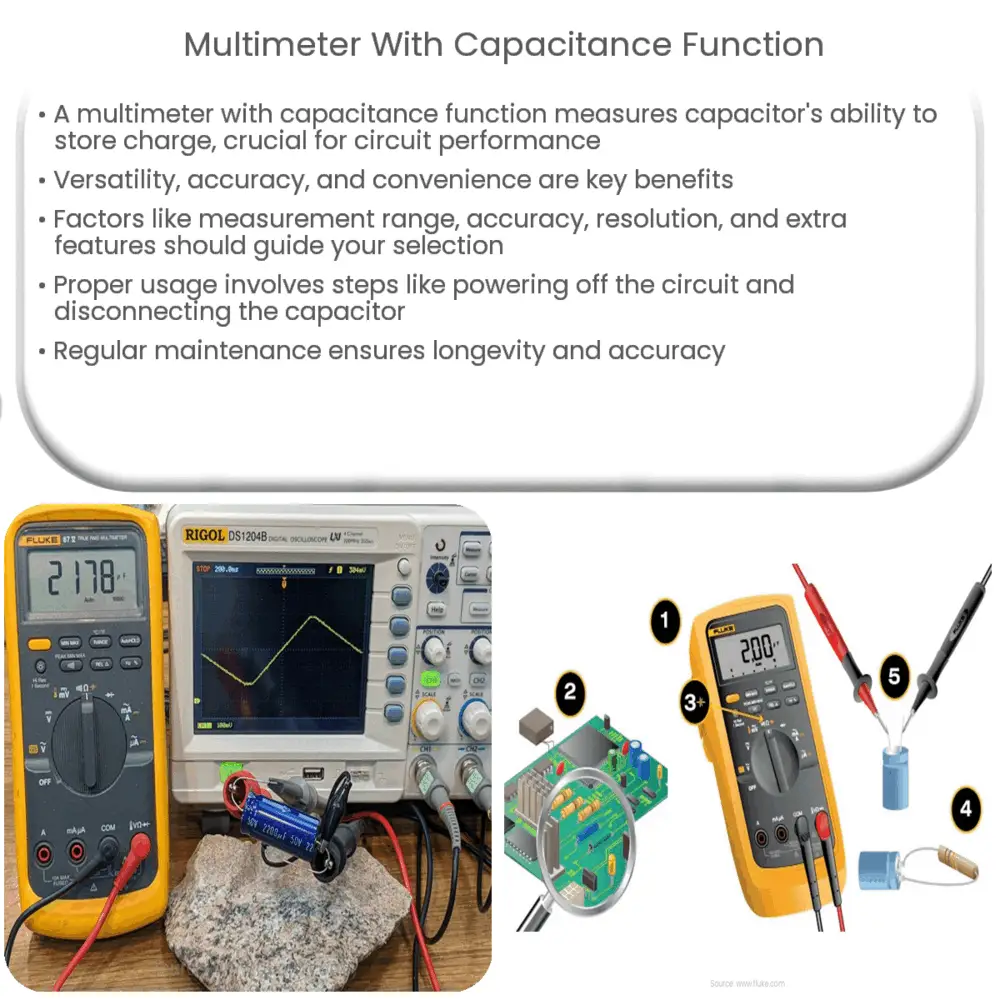
A multimeter with capacitance function measures voltage, current, resistance, and capacitance, providing versatility for electronics troubleshooting.

Auto-ranging capacitance meters accurately measure capacitor values, with automatic range selection, enhancing speed, accuracy, and convenience.

Explore the workings, components, and applications of piezo buzzers, their pros & cons, and future prospects in electronics.

An ESR meter with capacitance measurement is a versatile tool for testing capacitors, vital in diagnosing and repairing electronic devices.

Explore the functions, applications, and benefits of a capacitance bridge meter in this comprehensive guide. Understand modern advancements and selection criteria.

The primary purpose of this project is to help the public to learn some exciting and important information about electricity and magnetism.
Our Website follows all legal requirements to protect your privacy. Visit our Privacy Policy page.
The Cookies Statement is part of our Privacy Policy.
The information contained on this website is for general information purposes only. This website does not use any proprietary data. Visit our Editorial note.
It’s simple:
1) You may use almost everything for non-commercial and educational use.
2) You may not distribute or commercially exploit the content, especially on another website.


