
Priority encoder
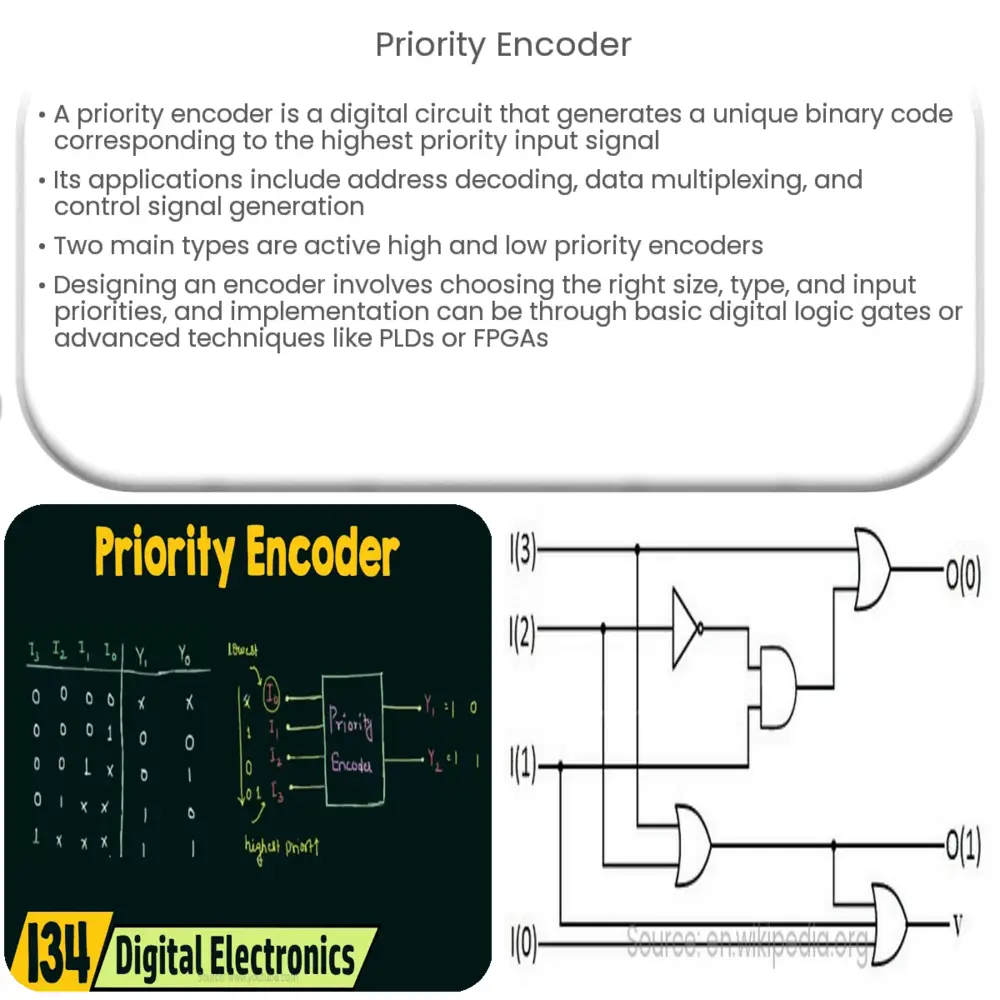
A priority encoder is a digital circuit that converts multiple input signals into a unique binary code, representing the highest priority input.
A priority encoder is a digital circuit that converts multiple input signals into a unique binary code, representing the highest priority input.
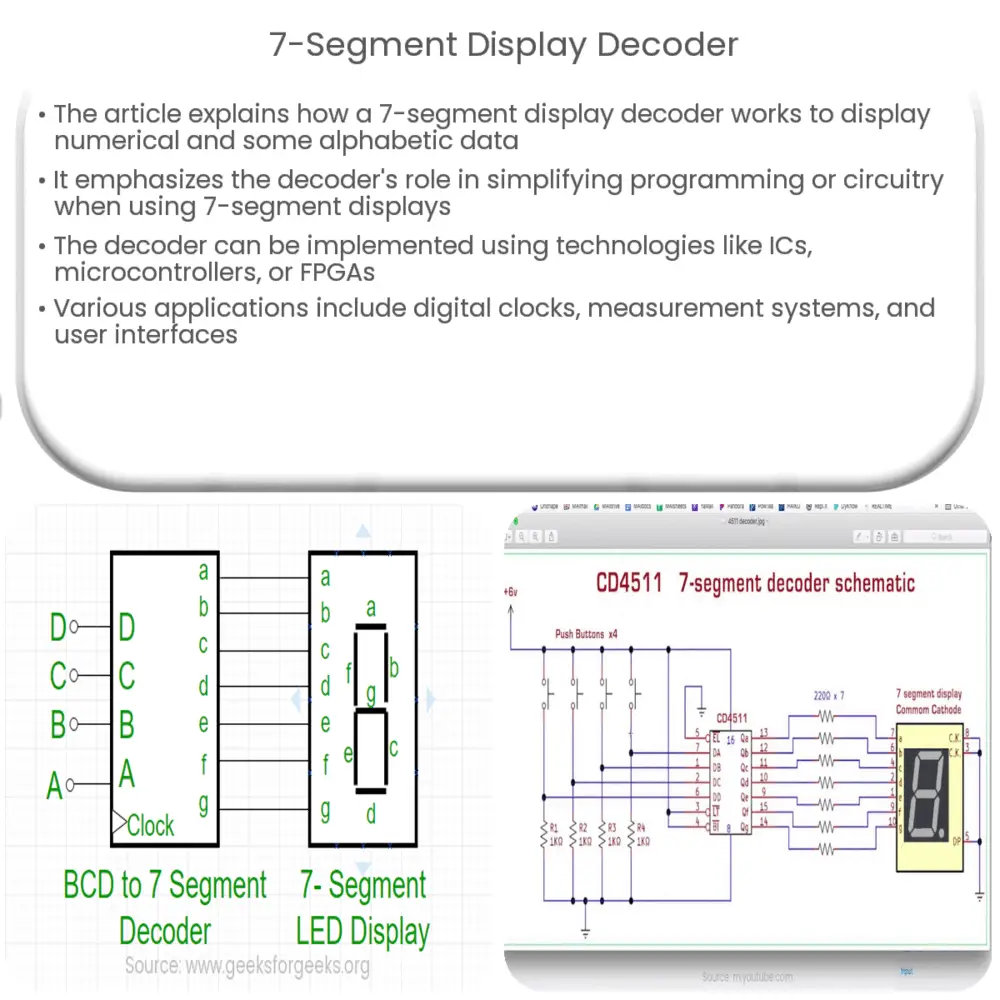
A 7-segment display decoder translates input signals into control signals for driving 7-segment displays, simplifying numeric data representation.

A BCD to decimal decoder is a digital circuit that converts binary-coded decimal (BCD) inputs into corresponding decimal outputs for display or processing purposes.

Explore the potential of piezoelectric generators, an innovative technology for sustainable energy generation, its applications, challenges, and future prospects.

A binary decoder is a digital logic device that converts binary input codes into single outputs for use in various electronic systems.

A Voltage Regulator Module (VRM) is a compact circuit that maintains a stable voltage supply for microprocessors and other digital components.
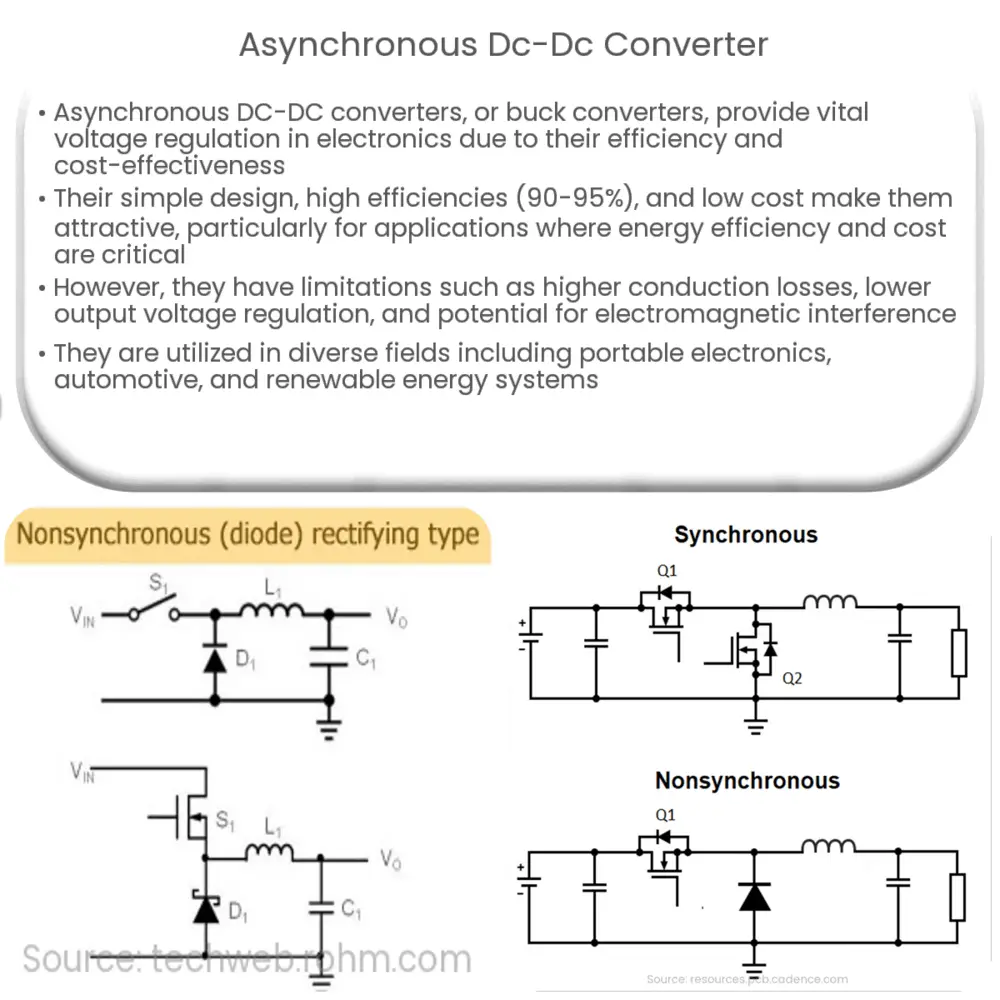
Asynchronous DC-DC converters are efficient, cost-effective voltage regulators, used in electronics like portable devices, power supplies, and renewable energy systems.
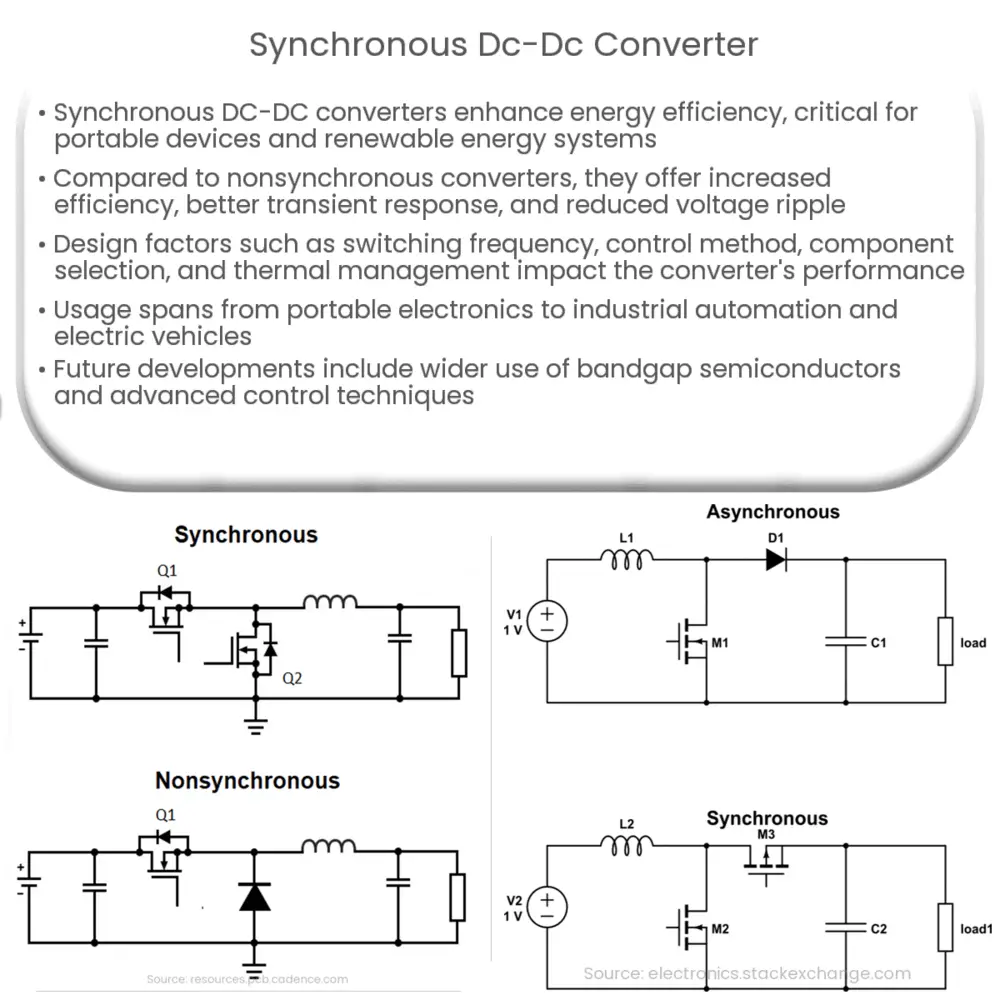
A synchronous DC-DC converter is an efficient power management component that offers stable voltage conversion, reduced ripple, and better transient response.

Non-isolated DC-DC converters efficiently regulate voltage in electronic systems, offering compact design, high efficiency, and cost-effectiveness.
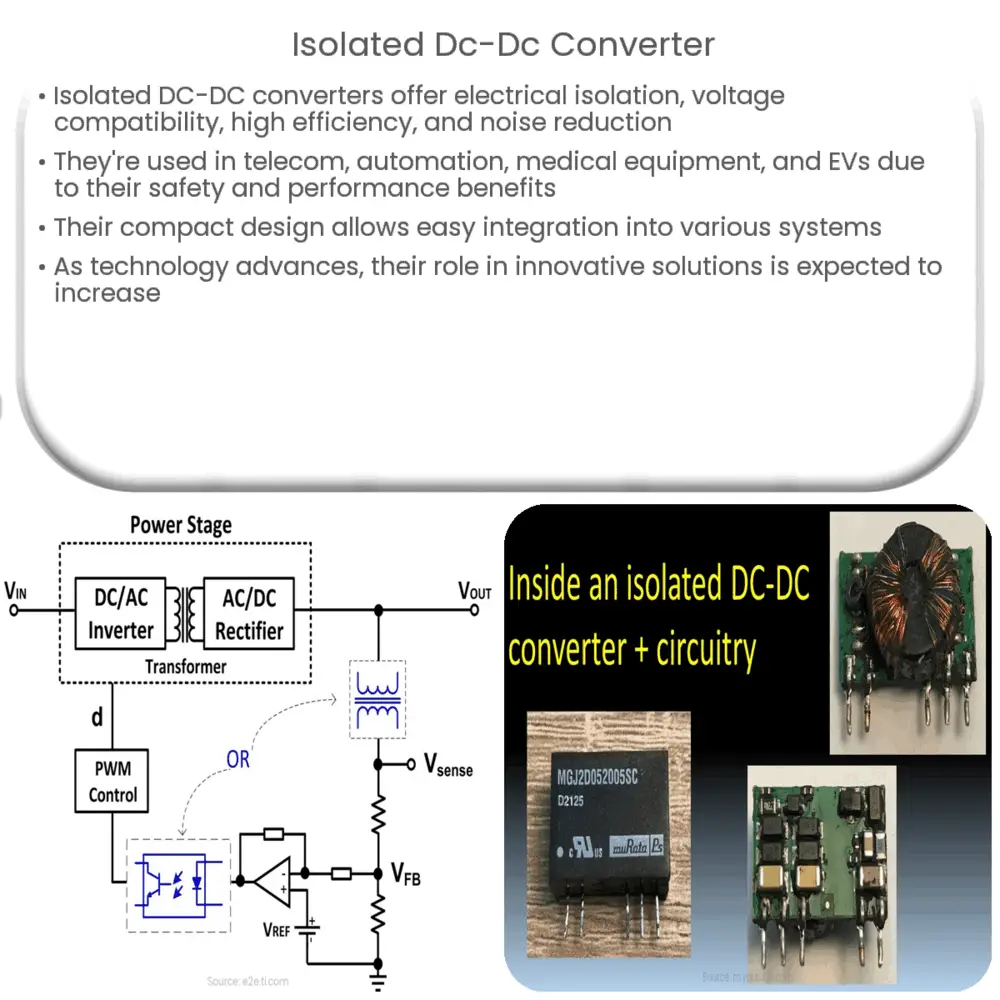
An isolated DC-DC converter transfers energy between electrical systems, providing voltage conversion, electrical isolation, and safety in various applications.

The primary purpose of this project is to help the public to learn some exciting and important information about electricity and magnetism.
Our Website follows all legal requirements to protect your privacy. Visit our Privacy Policy page.
The Cookies Statement is part of our Privacy Policy.
The information contained on this website is for general information purposes only. This website does not use any proprietary data. Visit our Editorial note.
It’s simple:
1) You may use almost everything for non-commercial and educational use.
2) You may not distribute or commercially exploit the content, especially on another website.


