
Friction generator

Friction generators convert mechanical energy from friction into electricity, offering a sustainable solution for various applications.
Friction generators convert mechanical energy from friction into electricity, offering a sustainable solution for various applications.

The Armstrong Hydroelectric Machine is an innovative, eco-friendly solution that generates electricity using the kinetic energy of flowing water.

Explore the design, types, and applications of rocker switches, their role in everyday life, and tips on choosing the right switch for your needs.
The Carré Machine is an advanced humanoid robot with AI capabilities, designed to assist in industries like manufacturing, healthcare, and education.
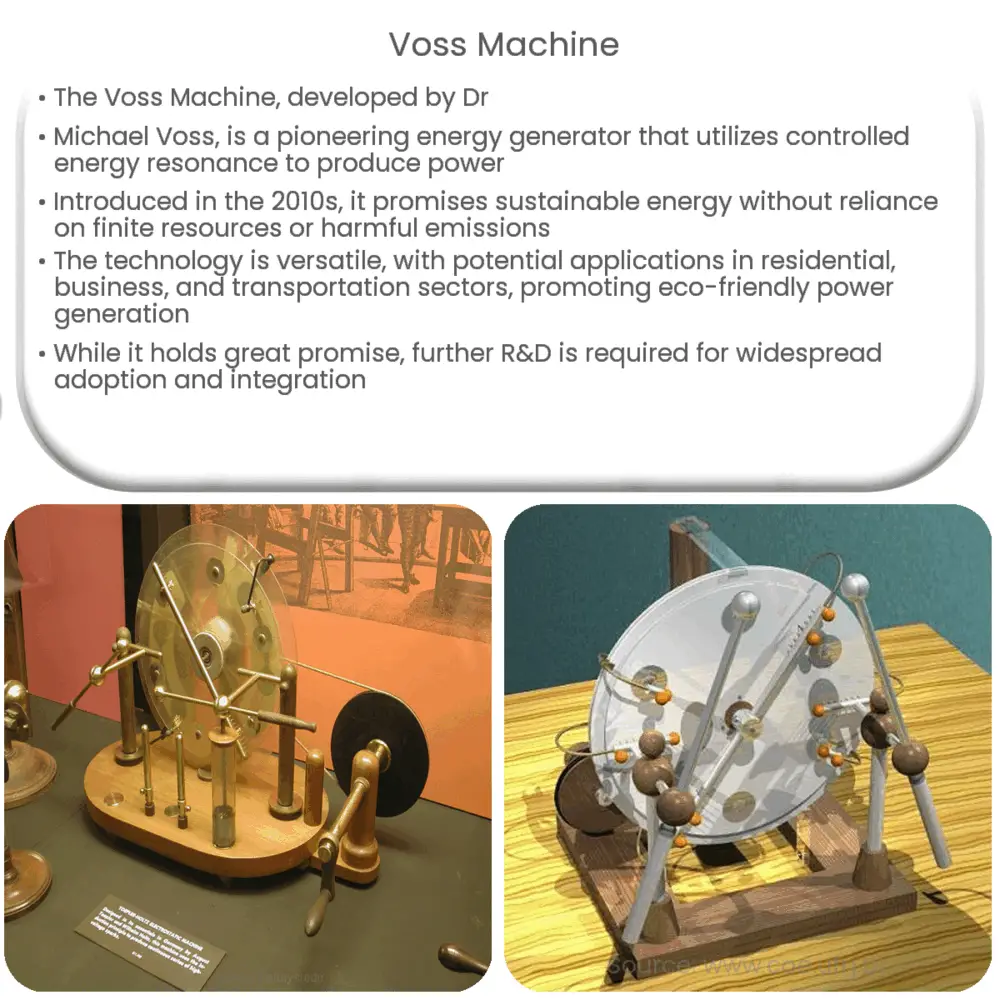
The Voss Machine is a revolutionary energy generator that uses controlled energy resonance to produce clean, continuous, and sustainable power.

The sectorless Wimshurst machine is an electrostatic generator that eliminates metallic sectors, offering improved performance, reliability, and aesthetics.

The Whimshurst-Holtz machine is a hybrid electrostatic generator that combines elements of Whimshurst and Holtz machines, producing high voltages and powerful sparks.

The Pidgeon Machine utilizes pigeons’ innate navigational skills, GPS, and micro-cameras for environmental monitoring, search & rescue, and communication applications.
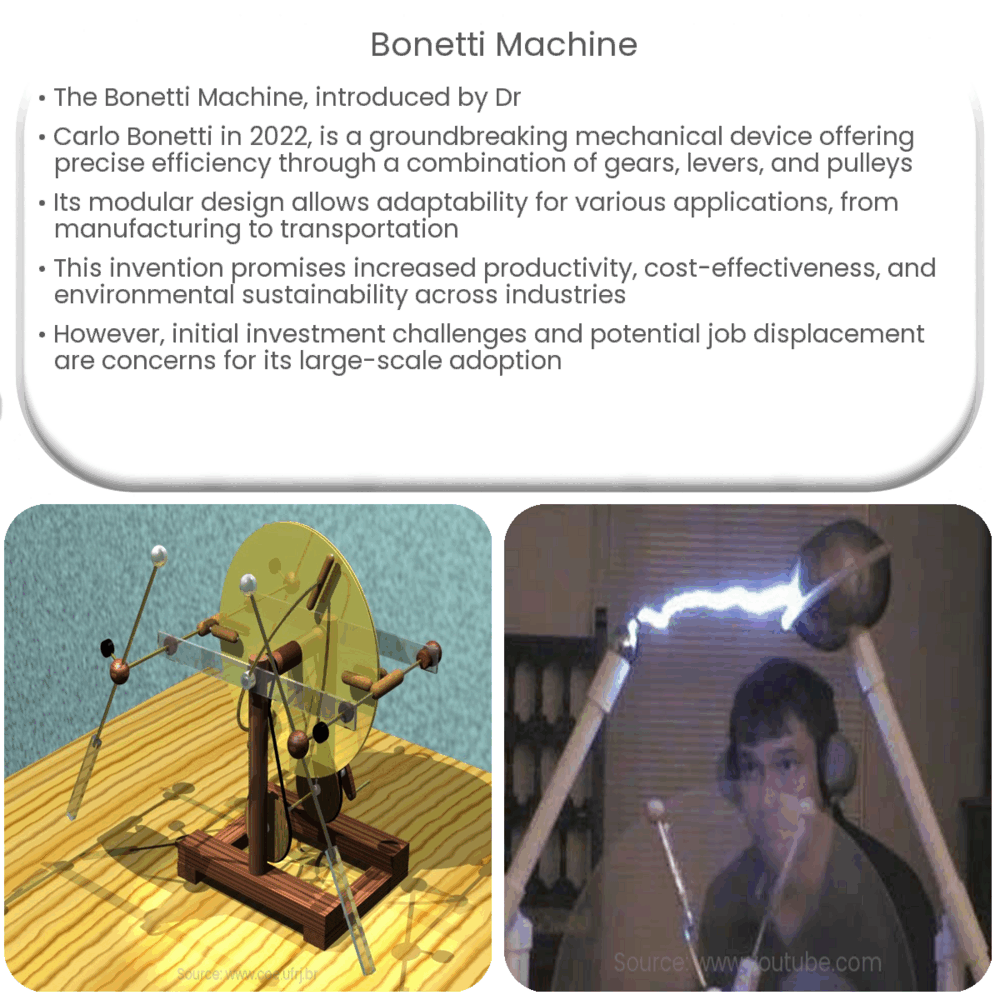
The Bonetti Machine is a modular mechanical device that uses gears, levers, and pulleys to perform tasks with precision and efficiency.
The Töpler-Holtz machine is a 19th-century electrostatic generator that produces high voltages, aiding in early electricity and electromagnetism studies.

The primary purpose of this project is to help the public to learn some exciting and important information about electricity and magnetism.
Our Website follows all legal requirements to protect your privacy. Visit our Privacy Policy page.
The Cookies Statement is part of our Privacy Policy.
The information contained on this website is for general information purposes only. This website does not use any proprietary data. Visit our Editorial note.
It’s simple:
1) You may use almost everything for non-commercial and educational use.
2) You may not distribute or commercially exploit the content, especially on another website.


