
Optical gyroscope

Optical gyroscopes use light interference to measure angular velocity, offering high accuracy, reliability, and versatility in navigation applications.
Optical gyroscopes use light interference to measure angular velocity, offering high accuracy, reliability, and versatility in navigation applications.

Inductive gyroscopes are innovative, solid-state sensors offering high accuracy, reliability, and fast response for navigation in various industries.

Capacitive gyroscopes are solid-state MEMS devices that measure angular velocity, offering high sensitivity, low power consumption, and reliable performance in various applications.

A piezoresistive gyroscope is a compact sensor that measures angular velocity using the piezoresistive effect, offering high accuracy and low power consumption.

A piezoelectric gyroscope is a compact, lightweight sensor that measures angular velocity using the piezoelectric effect and Coriolis force.
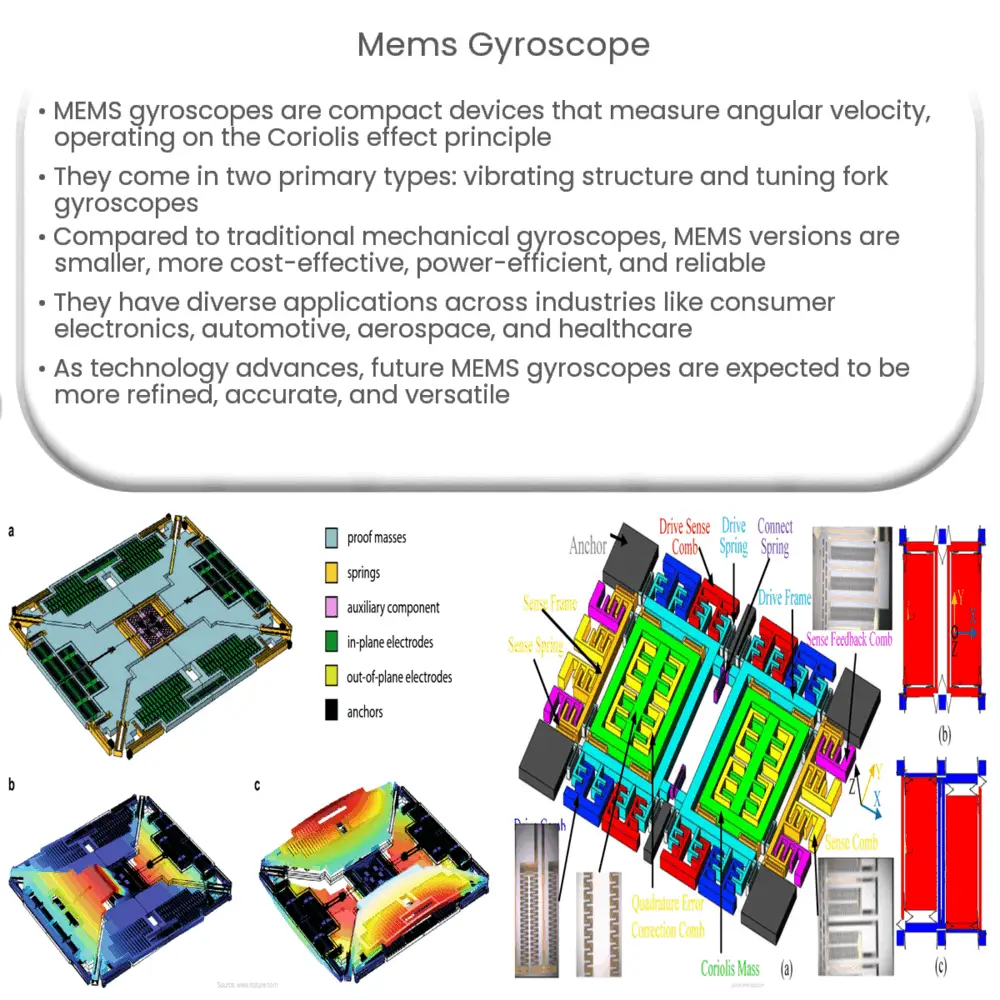
A MEMS gyroscope is a miniaturized sensor that measures angular velocity, crucial in applications like navigation, gaming, and vehicle safety systems.

A vibrating structure gyroscope is an inertial sensor that measures angular velocity using the Coriolis effect, widely used in aerospace, automotive, and consumer electronics.

The Hemispherical Resonator Gyroscope is a high-precision, reliable device for measuring rotation in spacecraft, missiles, and avionics systems.
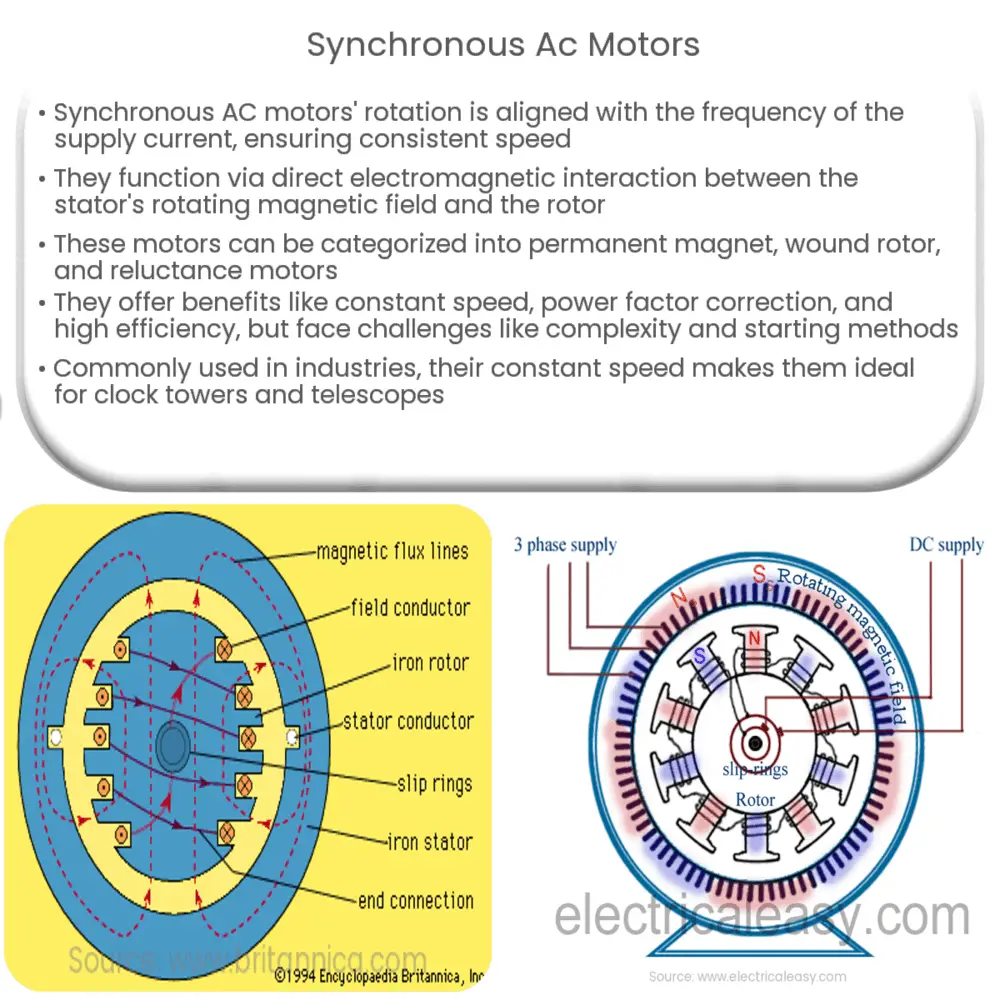
Explore the fundamentals of synchronous AC motors, their types, advantages, disadvantages, and applications in various industries.

Dynamically tuned gyroscopes offer high precision, low drift, and wide dynamic range for advanced navigation in aviation, spacecraft, marine, and robotics.

The primary purpose of this project is to help the public to learn some exciting and important information about electricity and magnetism.
Our Website follows all legal requirements to protect your privacy. Visit our Privacy Policy page.
The Cookies Statement is part of our Privacy Policy.
The information contained on this website is for general information purposes only. This website does not use any proprietary data. Visit our Editorial note.
It’s simple:
1) You may use almost everything for non-commercial and educational use.
2) You may not distribute or commercially exploit the content, especially on another website.


