
Micro-ohmmeter

Explore the intricate world of micro-ohmmeters, their operation, applications, and the future trends in this comprehensive guide.
Explore the intricate world of micro-ohmmeters, their operation, applications, and the future trends in this comprehensive guide.

A digital ohmmeter is an accurate, user-friendly device for measuring resistance in electrical circuits, essential for electricians and electronics enthusiasts.
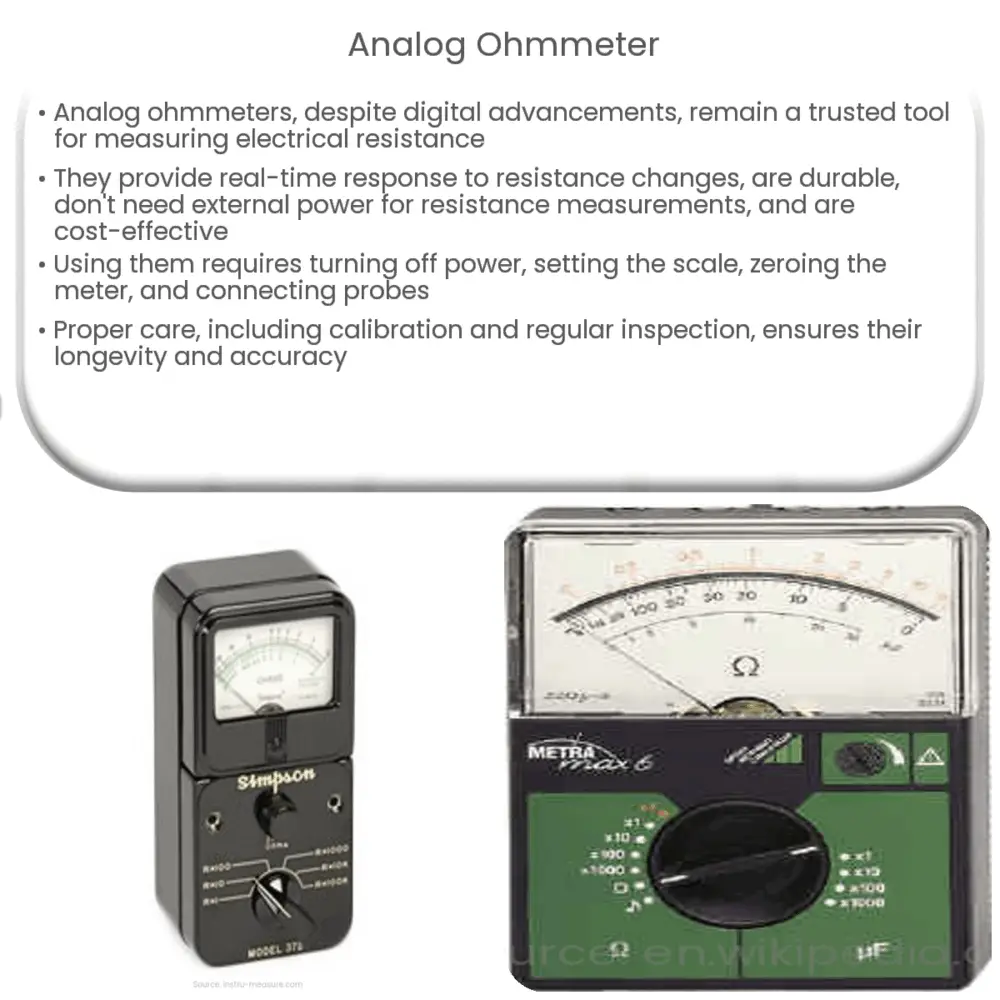
Analog ohmmeters measure electrical resistance using a needle-based display, offering real-time response, reliability, and cost-effectiveness.
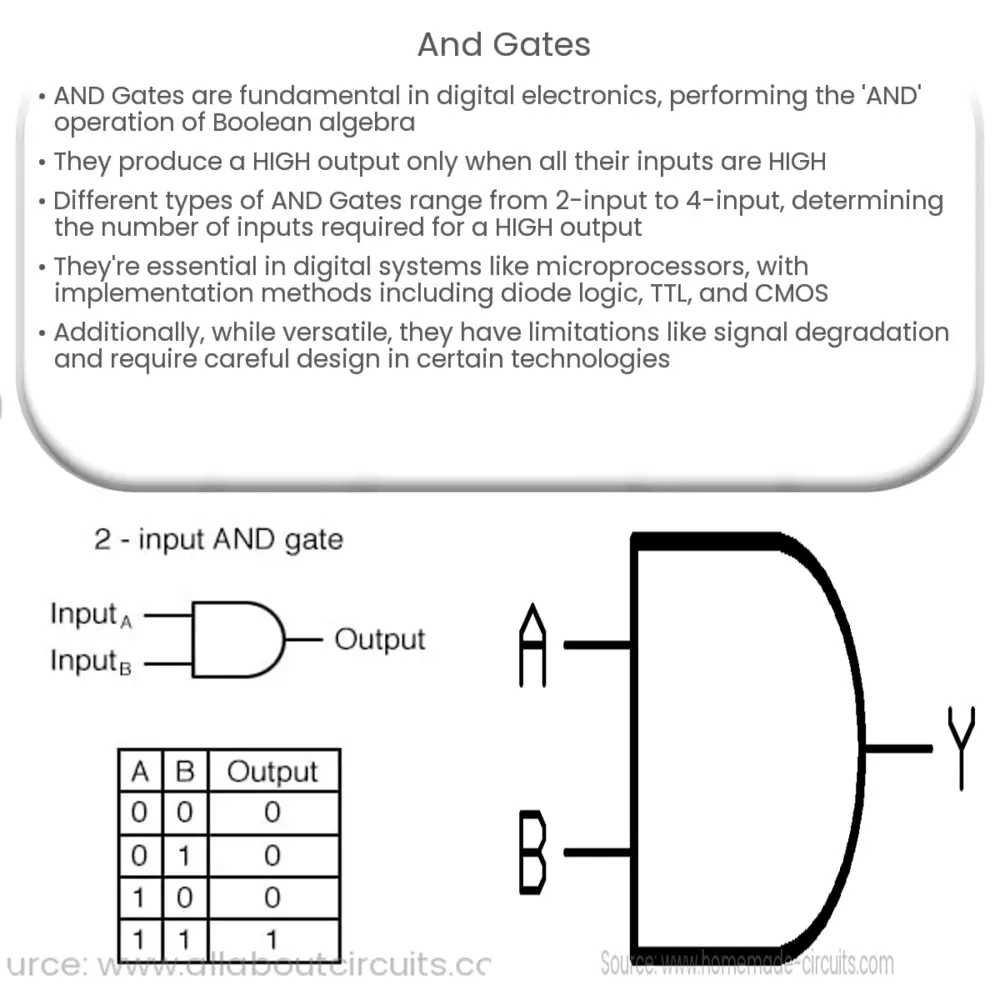
Explore the world of digital electronics with our comprehensive guide on AND Gates, covering their operation, types, applications, and more.

Diamond NV center magnetometers use quantum properties of diamond defects to detect magnetic fields with exceptional sensitivity and precision.

Faraday rotation magnetometers measure magnetic fields by analyzing light polarization rotation through a magnetic field.

Electron tunneling magnetometers are highly sensitive devices that detect magnetic fields with precision, offering a wide range of applications across various industries.
Magnetoresistive magnetometers are highly sensitive devices used to measure magnetic fields, with applications in geophysics, medicine, and navigation.
The Mössbauer effect magnetometer is an analytical tool that measures magnetic and electronic properties of materials using recoil-free gamma-ray emission and absorption.

Cryogenic magnetometers offer unparalleled sensitivity and resolution for measuring magnetic fields, benefiting diverse research fields.

The primary purpose of this project is to help the public to learn some exciting and important information about electricity and magnetism.
Our Website follows all legal requirements to protect your privacy. Visit our Privacy Policy page.
The Cookies Statement is part of our Privacy Policy.
The information contained on this website is for general information purposes only. This website does not use any proprietary data. Visit our Editorial note.
It’s simple:
1) You may use almost everything for non-commercial and educational use.
2) You may not distribute or commercially exploit the content, especially on another website.


