
Constant Voltage Sources

Explore the fundamentals of constant voltage sources, their operation, applications, types, and challenges in electronics.
Explore the fundamentals of constant voltage sources, their operation, applications, types, and challenges in electronics.

Antimony-lead solder is a versatile alloy known for its low melting point, good wetting, thermal stability, and oxidation resistance, used in electronics, automotive, and plumbing applications.

Indium solder is a versatile, efficient material for electronics, offering low melting points, strong bonding, and environmental friendliness.
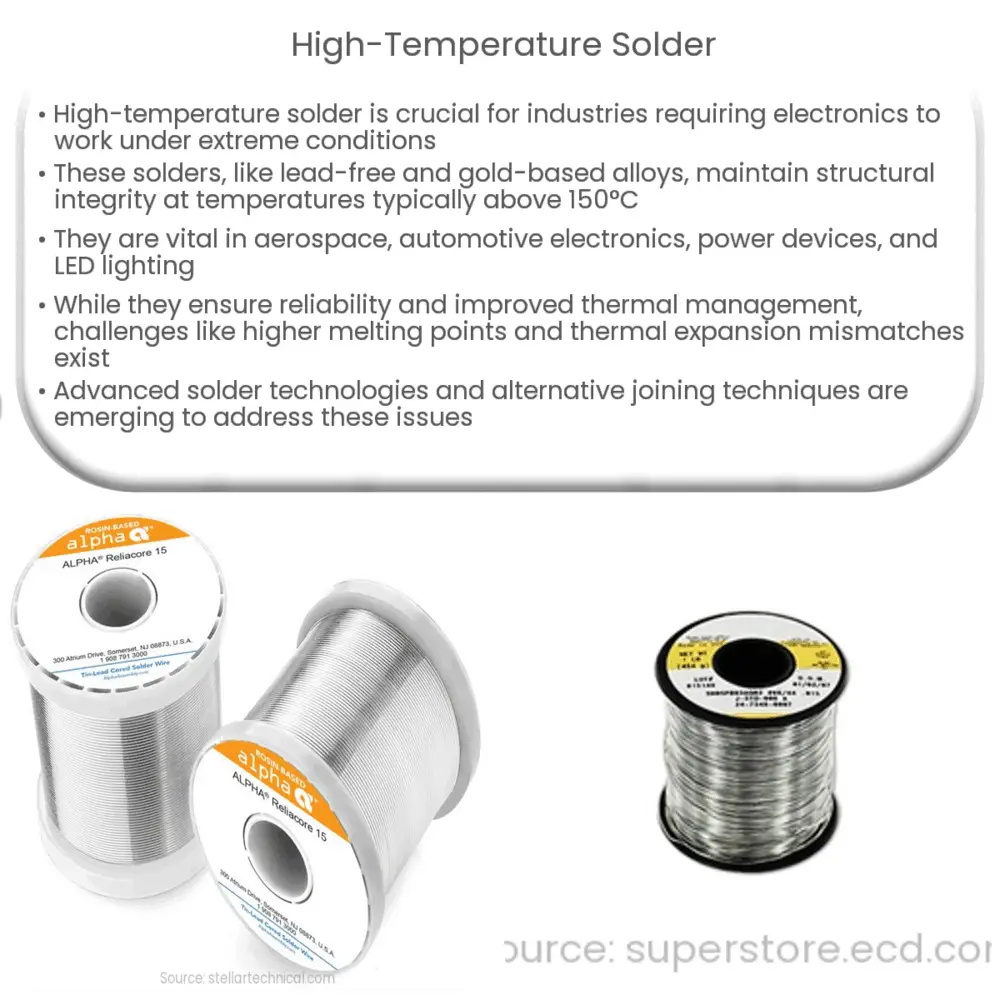
High-temperature solder ensures reliable connections in electronics exposed to extreme heat, offering enhanced durability and thermal management.

Low-temperature solder revolutionizes electronics manufacturing with reduced energy consumption, enhanced efficiency, and compatibility with heat-sensitive components.

Explore zinc-aluminum solder, an eco-friendly & versatile metal joining material offering lower melting points, corrosion resistance, and cost-effectiveness.
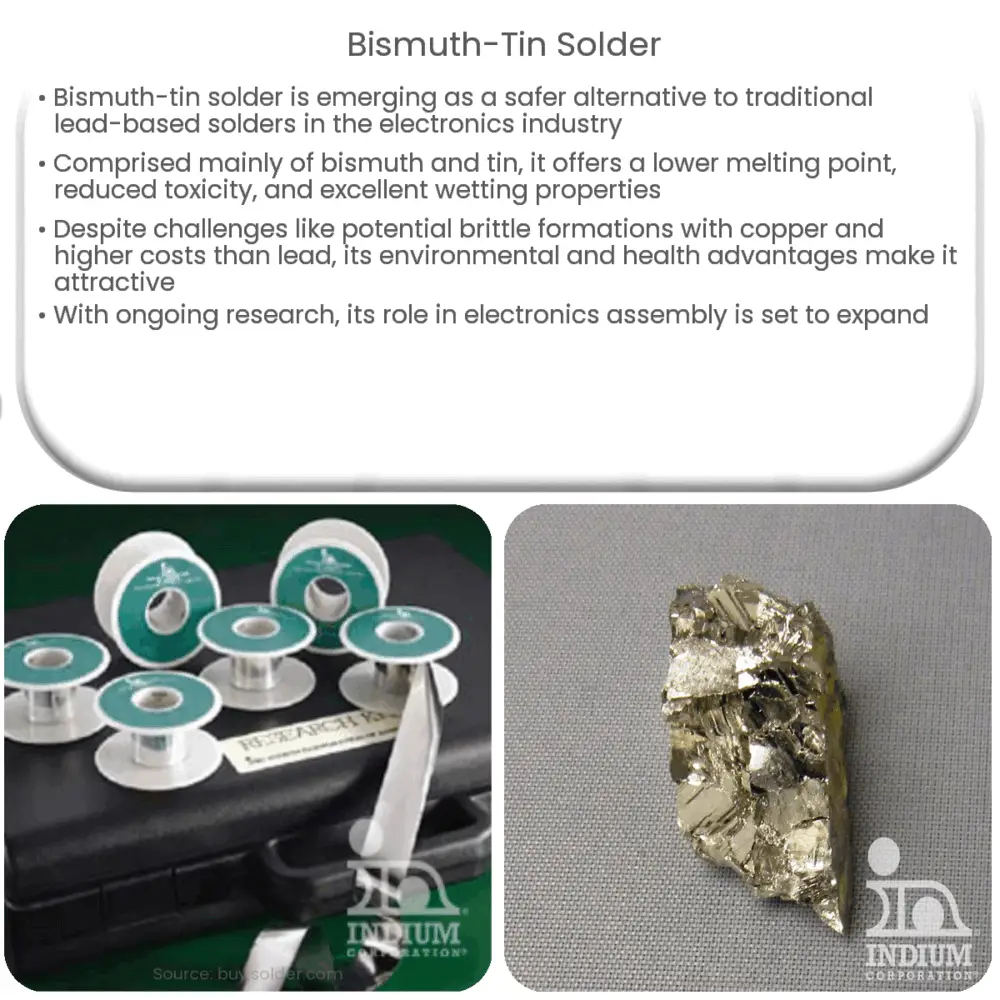
Bismuth-tin solder is a lead-free, environmentally friendly alternative for electronics assembly, offering a lower melting point and reduced toxicity.
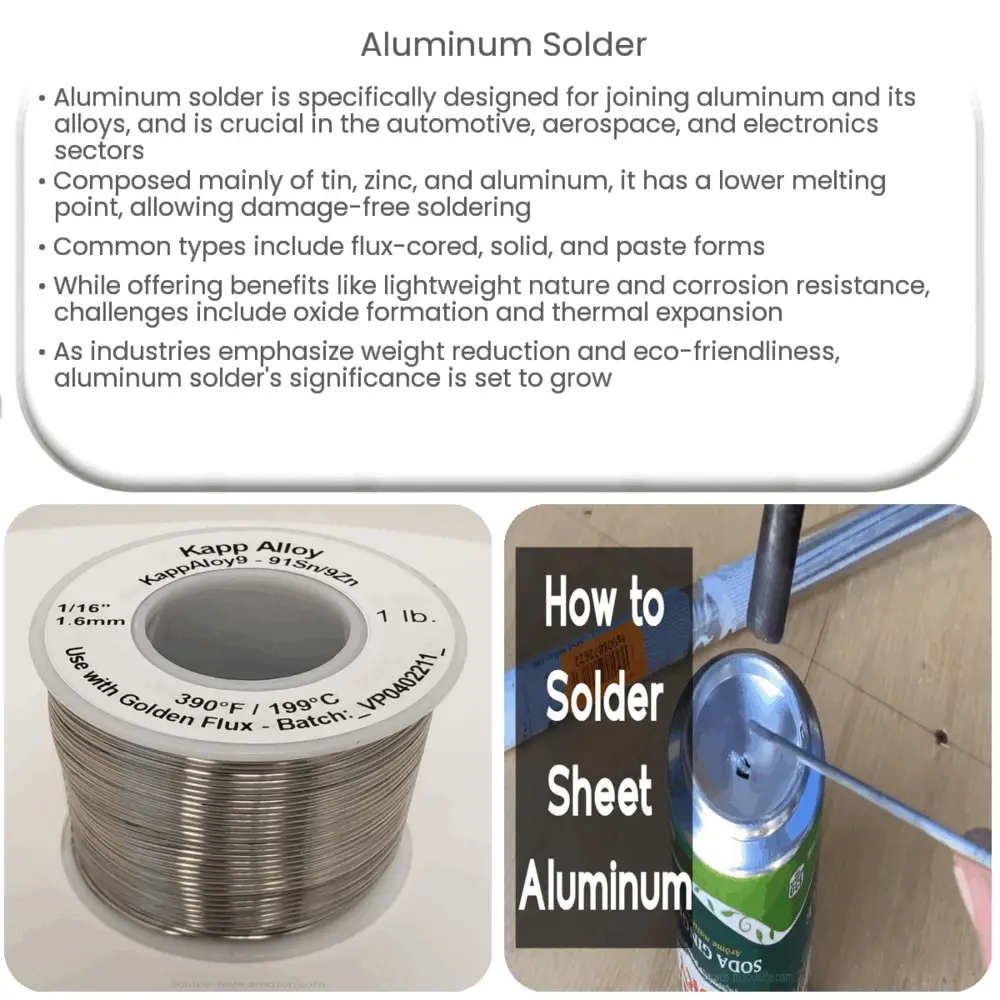
Aluminum solder is a versatile, lightweight, and corrosion-resistant material used in automotive, aerospace, and electronics industries.
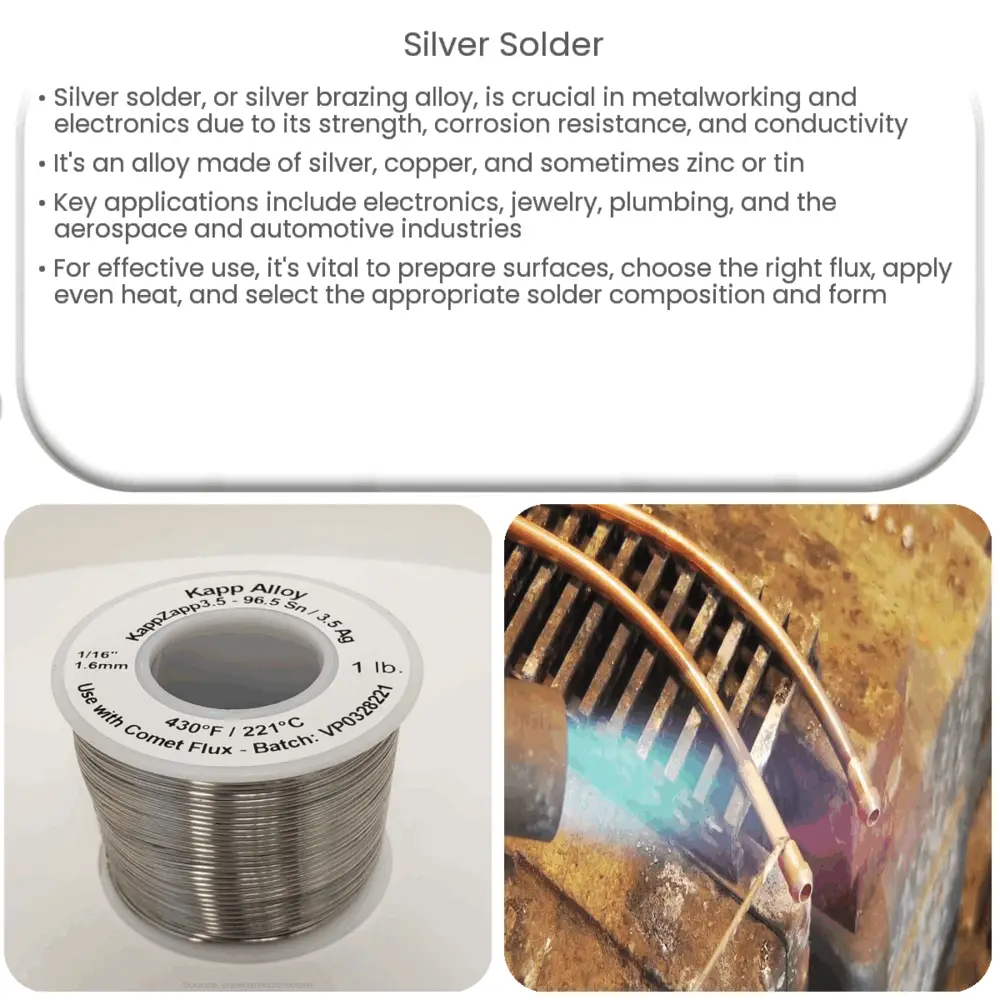
Silver solder is a strong, corrosion-resistant alloy used for joining metals in electronics, jewelry, plumbing, and automotive industries.

Discover the benefits of lead-free solder in electronics manufacturing, its various alloys, advantages, challenges, and best practices for implementation.

The primary purpose of this project is to help the public to learn some exciting and important information about electricity and magnetism.
Our Website follows all legal requirements to protect your privacy. Visit our Privacy Policy page.
The Cookies Statement is part of our Privacy Policy.
The information contained on this website is for general information purposes only. This website does not use any proprietary data. Visit our Editorial note.
It’s simple:
1) You may use almost everything for non-commercial and educational use.
2) You may not distribute or commercially exploit the content, especially on another website.


