
Aluminum solder is a versatile, lightweight, and corrosion-resistant material used in automotive, aerospace, and electronics industries.
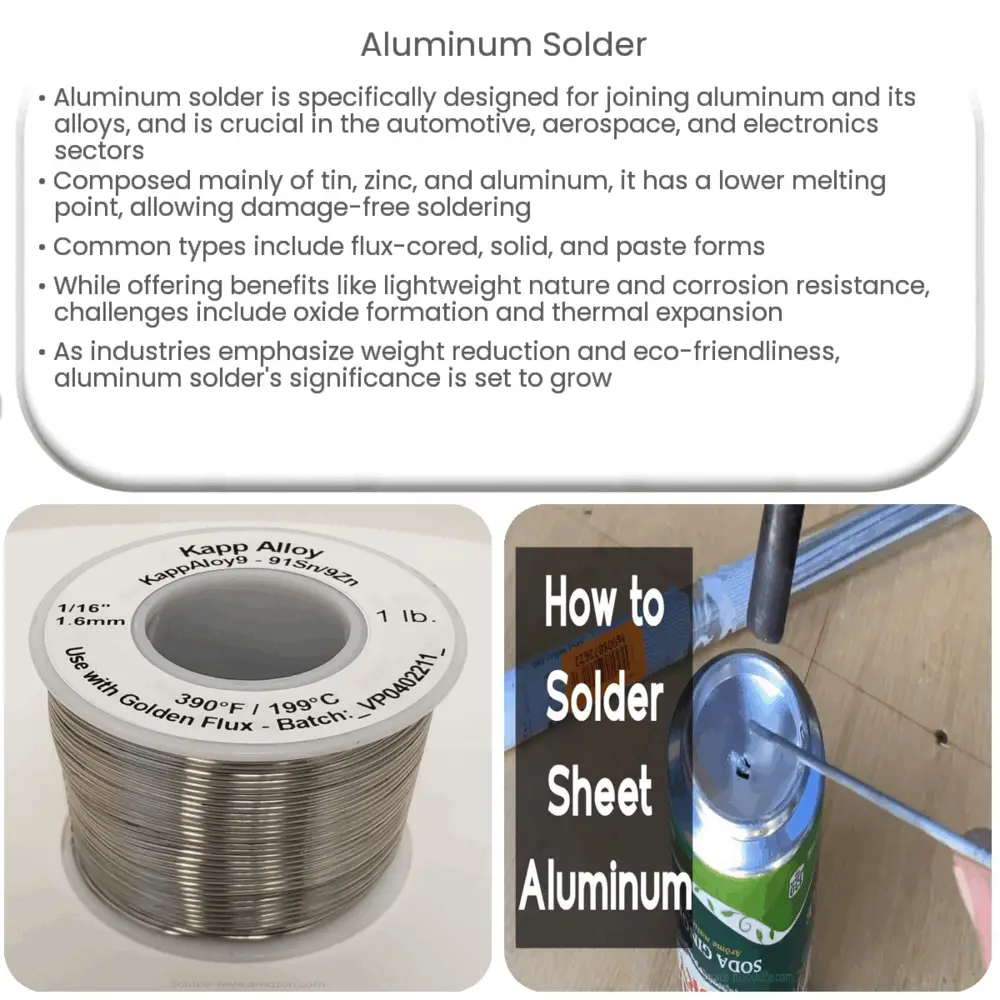
Aluminum Solder: An Essential Guide to Its Applications and Benefits
Introduction
Aluminum solder is a specialized soldering material specifically designed for joining aluminum and its alloys. It is an indispensable tool in various industries, including automotive, aerospace, and electronics. This guide will delve into the properties and applications of aluminum solder, as well as its benefits compared to other soldering materials.
Properties of Aluminum Solder
Aluminum solder is typically made up of a blend of tin, zinc, and aluminum. The composition varies depending on the specific product, but these three elements are the most common. They form a eutectic alloy, which has a lower melting point than the individual elements. This property makes aluminum solder an ideal choice for joining aluminum components without damaging them.
The melting point of aluminum solder ranges from 300-400 degrees Celsius (572-752 degrees Fahrenheit), which is significantly lower than that of aluminum itself, which melts at around 660 degrees Celsius (1220 degrees Fahrenheit). The lower melting point allows for effective soldering without causing any structural damage to the aluminum parts being joined.
Types of Aluminum Solder
There are various types of aluminum solder available, each with its own specific applications and properties. Some of the most common types include:
- Aluminum Flux-Cored Solder: This type of solder has a flux core, which simplifies the soldering process by eliminating the need for a separate flux application. The flux helps remove oxides and contaminants from the surface, ensuring a strong bond.
- Aluminum Solid Solder: This type of solder does not contain any flux, so users must apply flux separately during the soldering process. It is often used in situations where precise control over the amount and placement of flux is needed.
- Aluminum Solder Paste: This is a mixture of solder powder and flux, typically used in high-volume, automated soldering processes. It is applied to the components before they are heated, and the solder melts and forms a bond as the temperature rises.
Applications of Aluminum Solder
Aluminum solder is widely used in various industries due to its versatility and unique properties. Some common applications include:
- Automotive Industry: Aluminum solder is used to join aluminum components in cars and trucks, such as heat exchangers, radiators, and air conditioning systems. Its lightweight nature and corrosion resistance make it an ideal choice for these applications.
- Aerospace Industry: In the aerospace industry, aluminum solder is used to join lightweight aluminum structures in aircraft and spacecraft. It helps maintain the structural integrity and strength of these components while reducing overall weight.
- Electronics Industry: Aluminum solder is employed in the assembly of electronic devices and circuit boards, connecting aluminum components and providing reliable electrical connections. It is especially useful in high-temperature environments, where traditional tin-lead solders may fail.
Benefits of Aluminum Solder
Aluminum solder offers several advantages over other types of soldering materials. Some of these benefits include:
- Lightweight: Aluminum solder is lighter than other solders, such as lead-based solder. This makes it an excellent choice for industries where weight reduction is crucial, such as automotive and aerospace applications.
- Corrosion Resistance: Aluminum solder is resistant to corrosion, providing long-lasting and durable bonds in various environments. This property is particularly beneficial in industries that require components to withstand harsh conditions, such as aerospace and automotive applications.
- Thermal Conductivity: Aluminum solder has high thermal conductivity, which allows for efficient heat dissipation. This characteristic is essential in electronic applications, as it helps prevent overheating and prolongs the lifespan of components.
- Environmentally Friendly: Unlike traditional lead-based solders, aluminum solder is free from toxic materials, making it an eco-friendly alternative. This attribute aligns with the increasing demand for environmentally friendly materials in various industries.
Challenges in Aluminum Soldering
Despite its numerous benefits, aluminum soldering can be challenging due to the following factors:
- Oxide Formation: Aluminum forms a stable oxide layer on its surface, which can hinder the soldering process. Proper surface preparation and flux application are crucial to overcoming this challenge and ensuring a strong bond.
- Thermal Expansion: Aluminum has a higher coefficient of thermal expansion than other metals, which can lead to stress and potential failure of the joint. Careful design and the use of compatible materials can help mitigate this issue.
- Solderability: Aluminum is generally considered more difficult to solder than other metals, such as copper. However, advancements in solder formulations and techniques have improved the solderability of aluminum, making it more accessible for various applications.
Conclusion
Aluminum solder is an indispensable material in various industries due to its unique properties, such as lightweight nature, corrosion resistance, and thermal conductivity. It has a wide range of applications in the automotive, aerospace, and electronics industries. Although aluminum soldering presents some challenges, proper techniques and materials can overcome these obstacles and provide strong, reliable bonds. As industries continue to prioritize weight reduction and environmentally friendly materials, aluminum solder is poised to play an increasingly important role in the manufacturing and assembly of various components.