
Differential current sensor
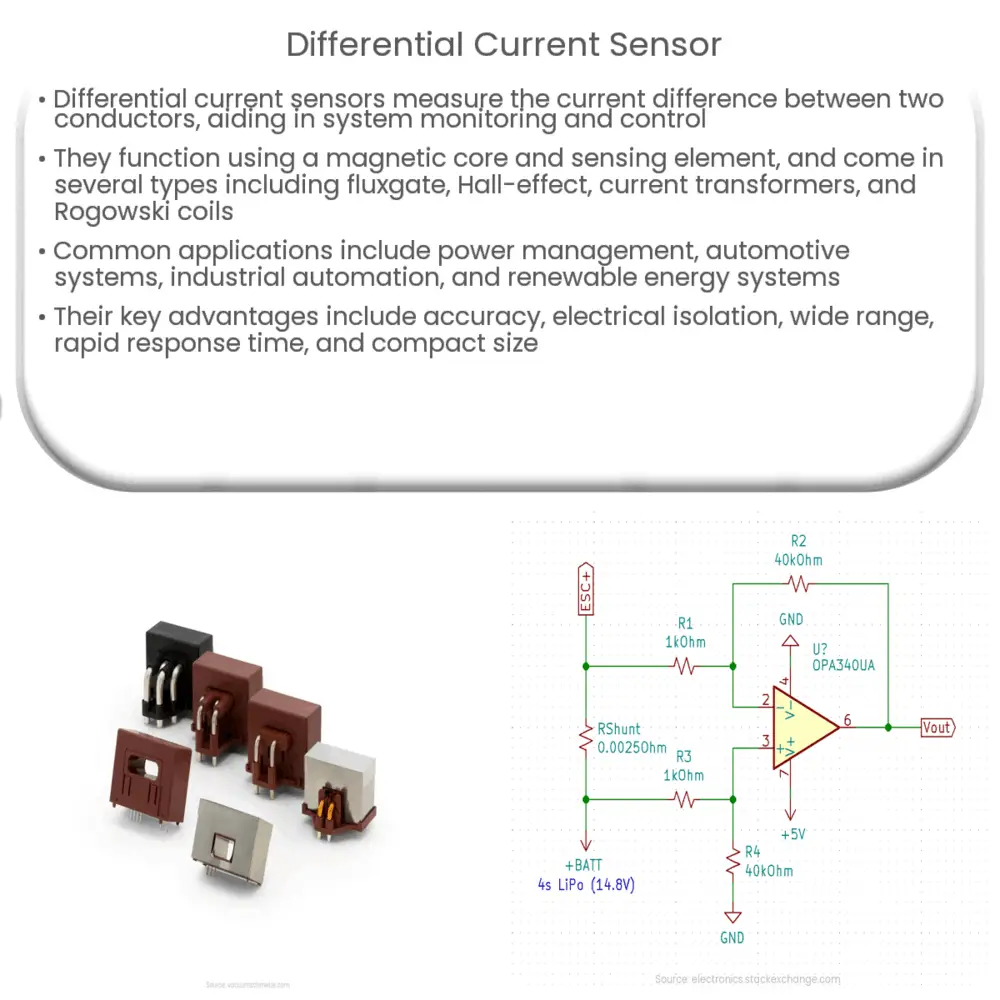
A differential current sensor accurately measures the current difference between two conductors for optimal monitoring and control in various systems.
A differential current sensor accurately measures the current difference between two conductors for optimal monitoring and control in various systems.

Explore the concept of One-Shot Generators in programming. Discover their working, benefits, applications, and limitations in modern data processing.
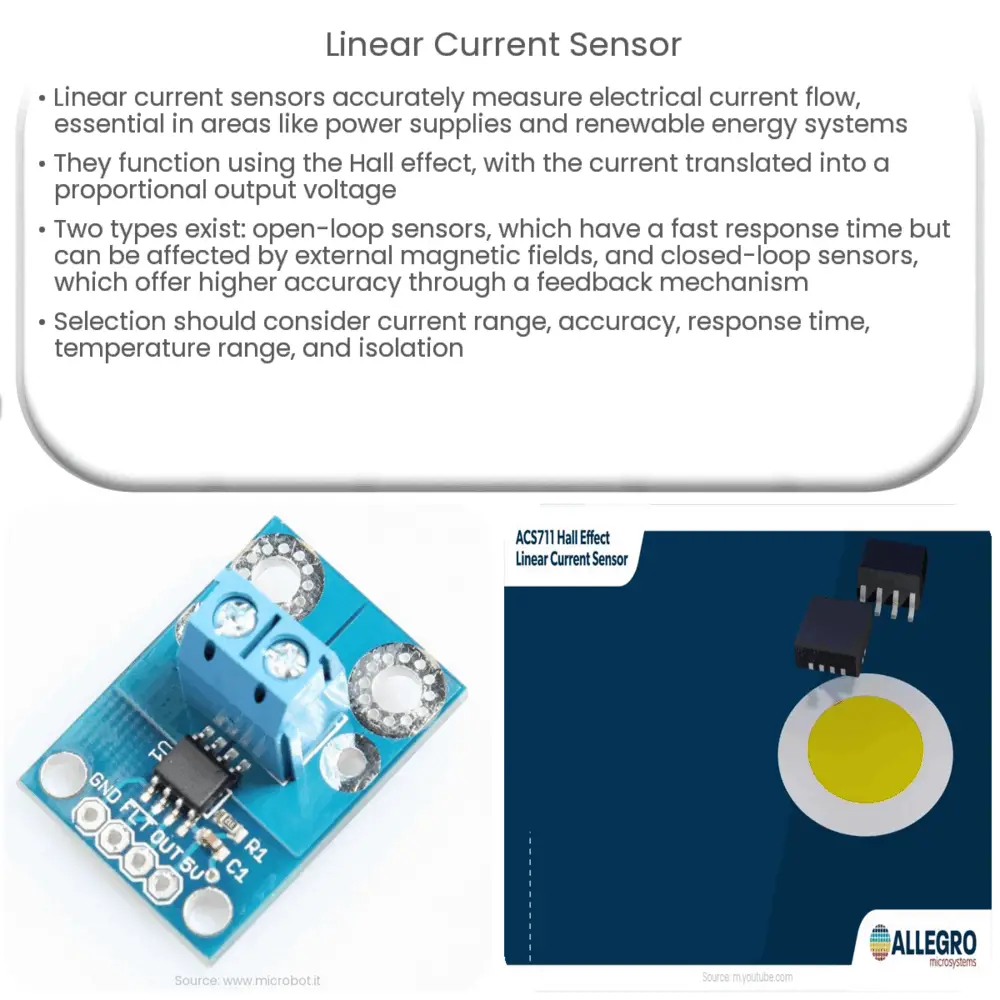
A linear current sensor is an electronic device that accurately measures electrical current in circuits, utilizing the Hall effect for applications like motor control and power supplies.

Open-loop current sensors measure AC/DC currents non-intrusively, offering isolation, accuracy, fast response, and wide bandwidth for various applications.
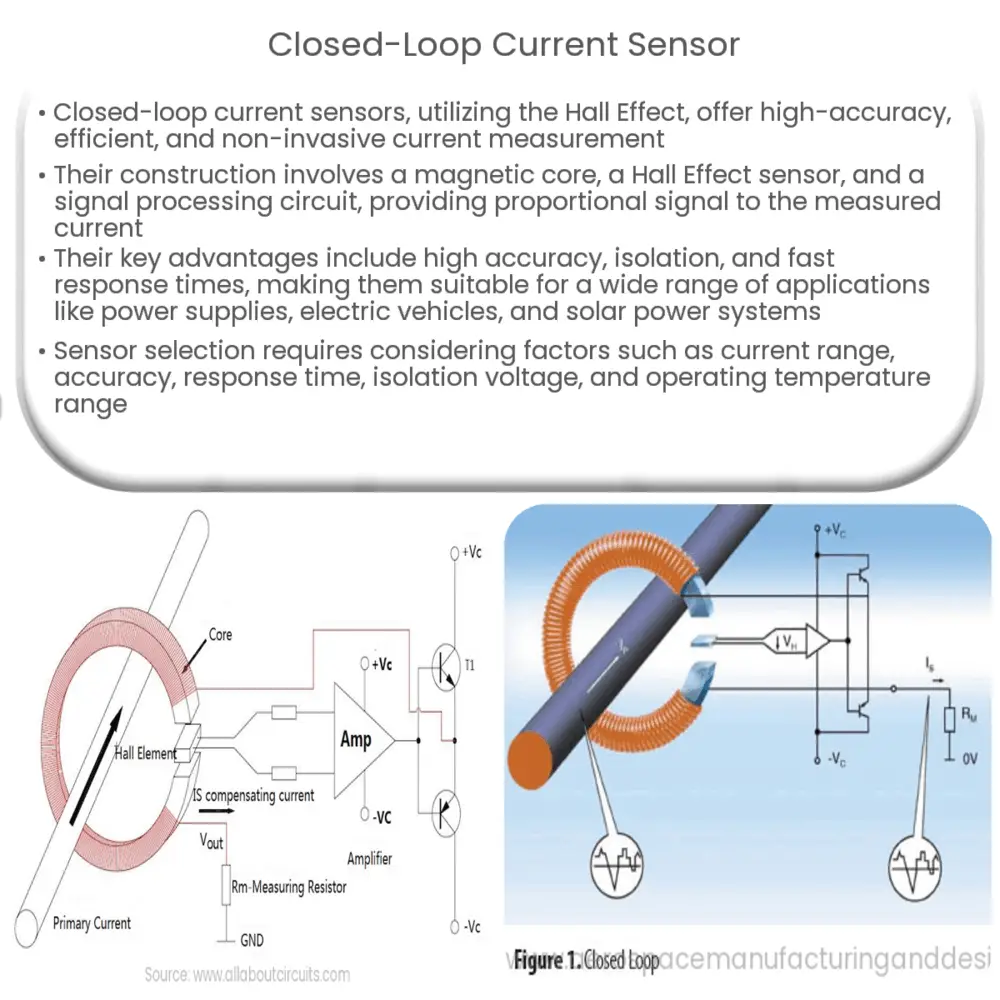
Explore the fundamentals of closed-loop current sensors, their working mechanism, advantages, applications, and key selection criteria.

Galvanic isolation current sensors accurately measure circuit currents while ensuring safety, protecting electronics, and preventing interference.

A toroidal core current sensor is a doughnut-shaped device that measures AC currents without direct contact, offering high accuracy and isolation in various applications.

A split-core current sensor is a non-invasive device for measuring AC in conductors, offering easy installation, safety, accuracy, and flexibility.

Saturable core current sensors offer high accuracy, wide bandwidth, and galvanic isolation for applications in power electronics, renewables, and EVs.

Zero flux current sensors provide highly accurate, linear, and stable current measurements in various applications, from power electronics to smart grids.

The primary purpose of this project is to help the public to learn some exciting and important information about electricity and magnetism.
Our Website follows all legal requirements to protect your privacy. Visit our Privacy Policy page.
The Cookies Statement is part of our Privacy Policy.
The information contained on this website is for general information purposes only. This website does not use any proprietary data. Visit our Editorial note.
It’s simple:
1) You may use almost everything for non-commercial and educational use.
2) You may not distribute or commercially exploit the content, especially on another website.


