What is a photovoltaic system?
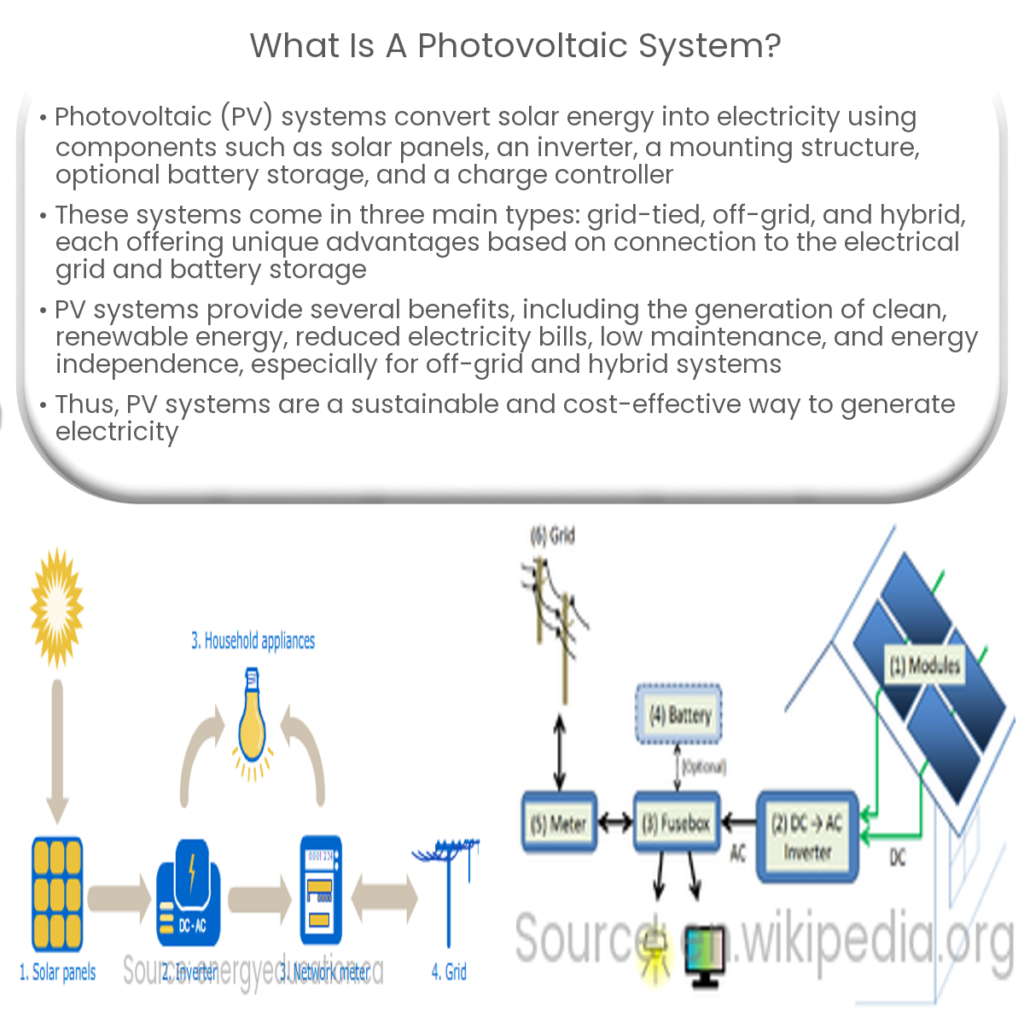
A photovoltaic system converts sunlight into electricity using solar panels, an inverter, and other components, offering renewable energy and cost savings.
A photovoltaic system converts sunlight into electricity using solar panels, an inverter, and other components, offering renewable energy and cost savings.
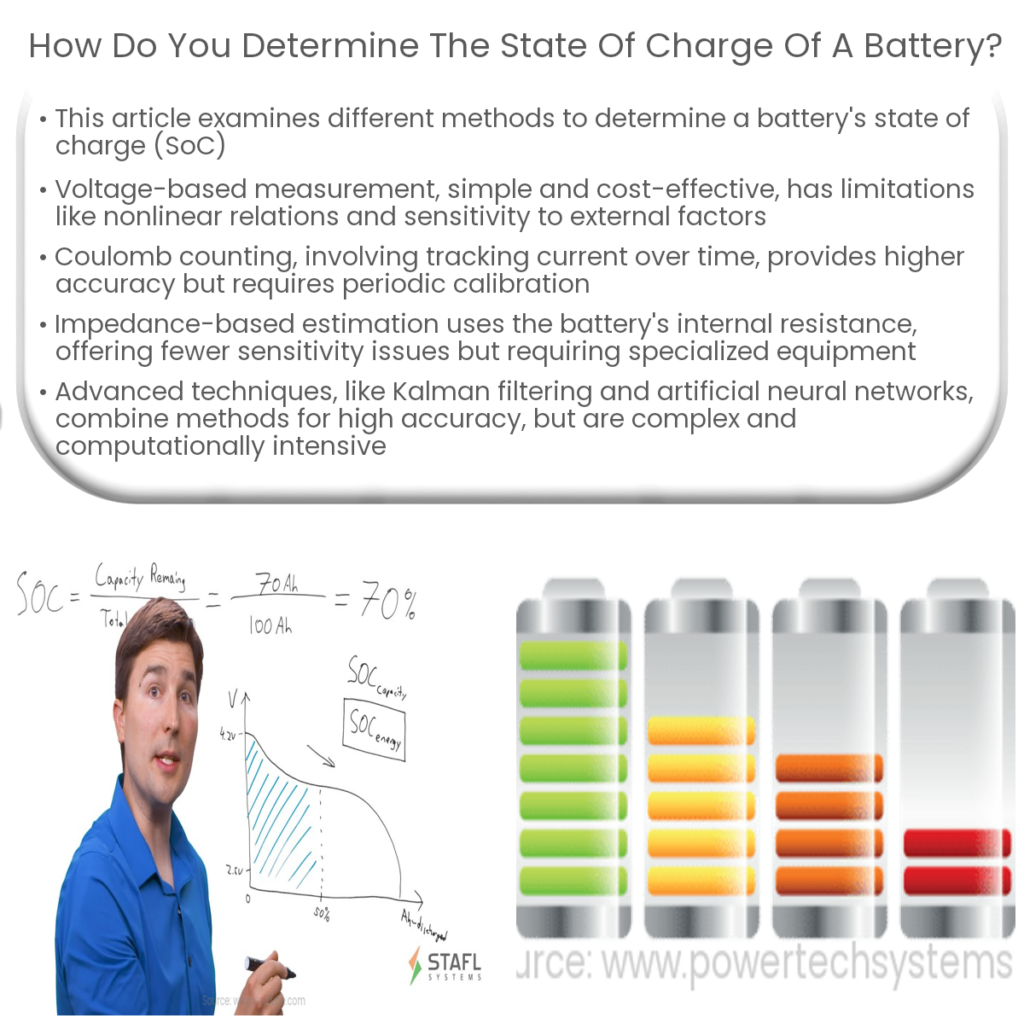
To determine a battery’s state of charge, methods include voltage-based measurement, coulomb counting, impedance-based estimation, or advanced techniques.
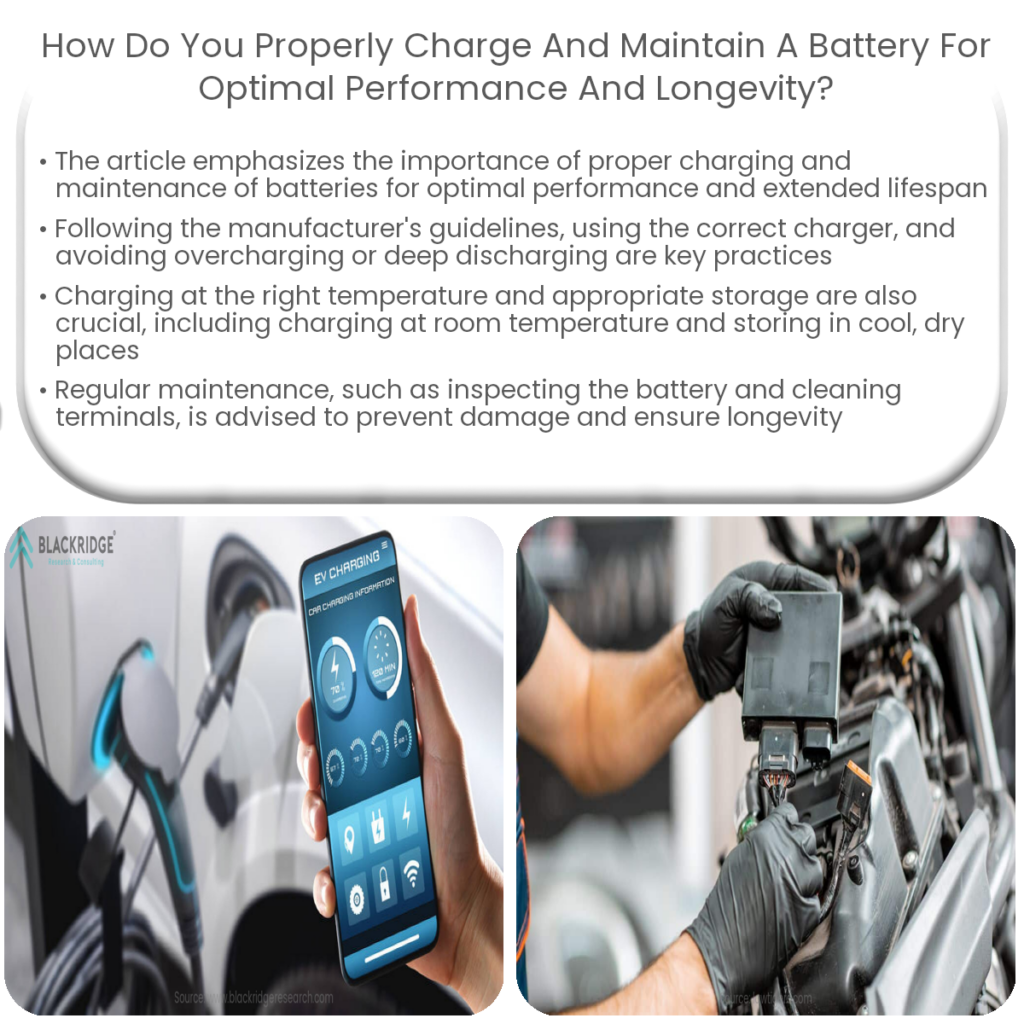
To properly charge and maintain a battery, follow manufacturer guidelines, use appropriate chargers, avoid overcharging, and perform regular maintenance.
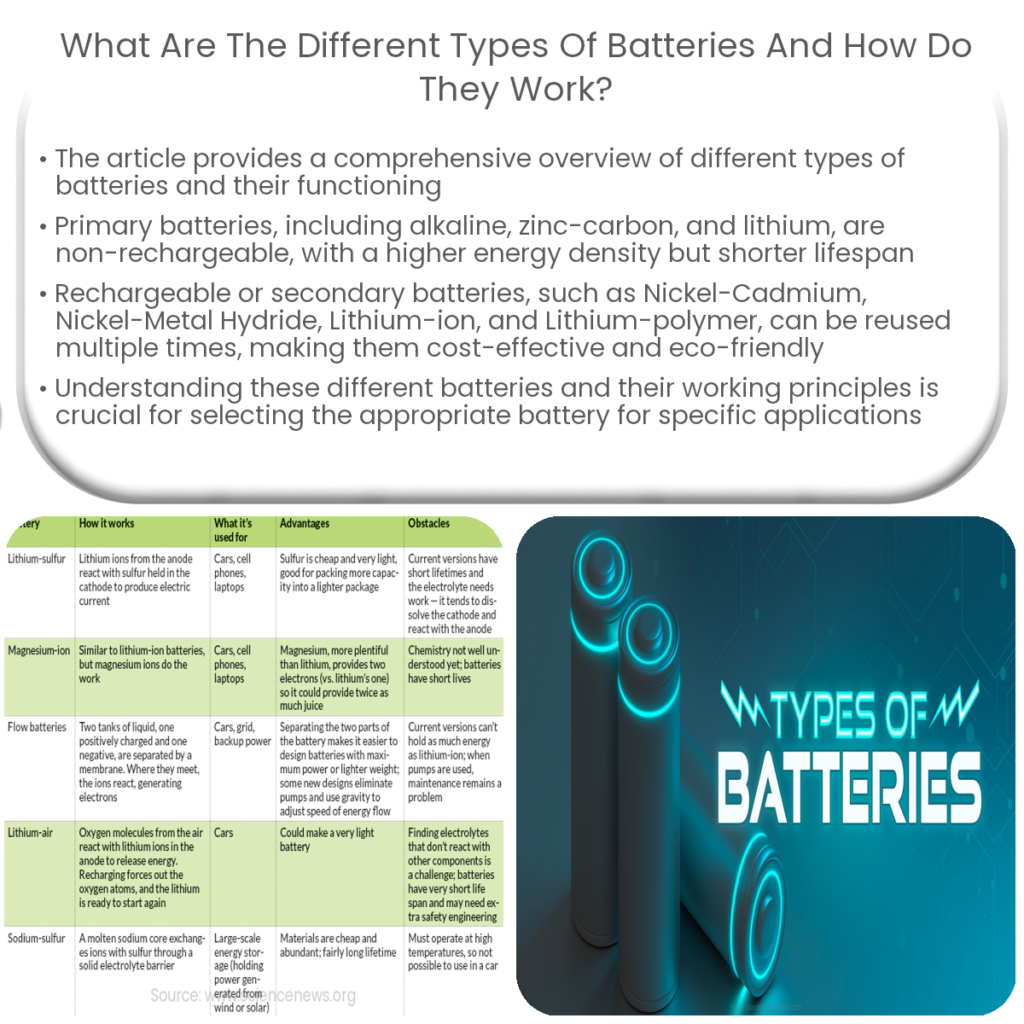
Different battery types include alkaline, zinc-carbon, and lithium (primary), and nickel-cadmium, nickel-metal hydride, lithium-ion, and lithium-polymer (rechargeable).
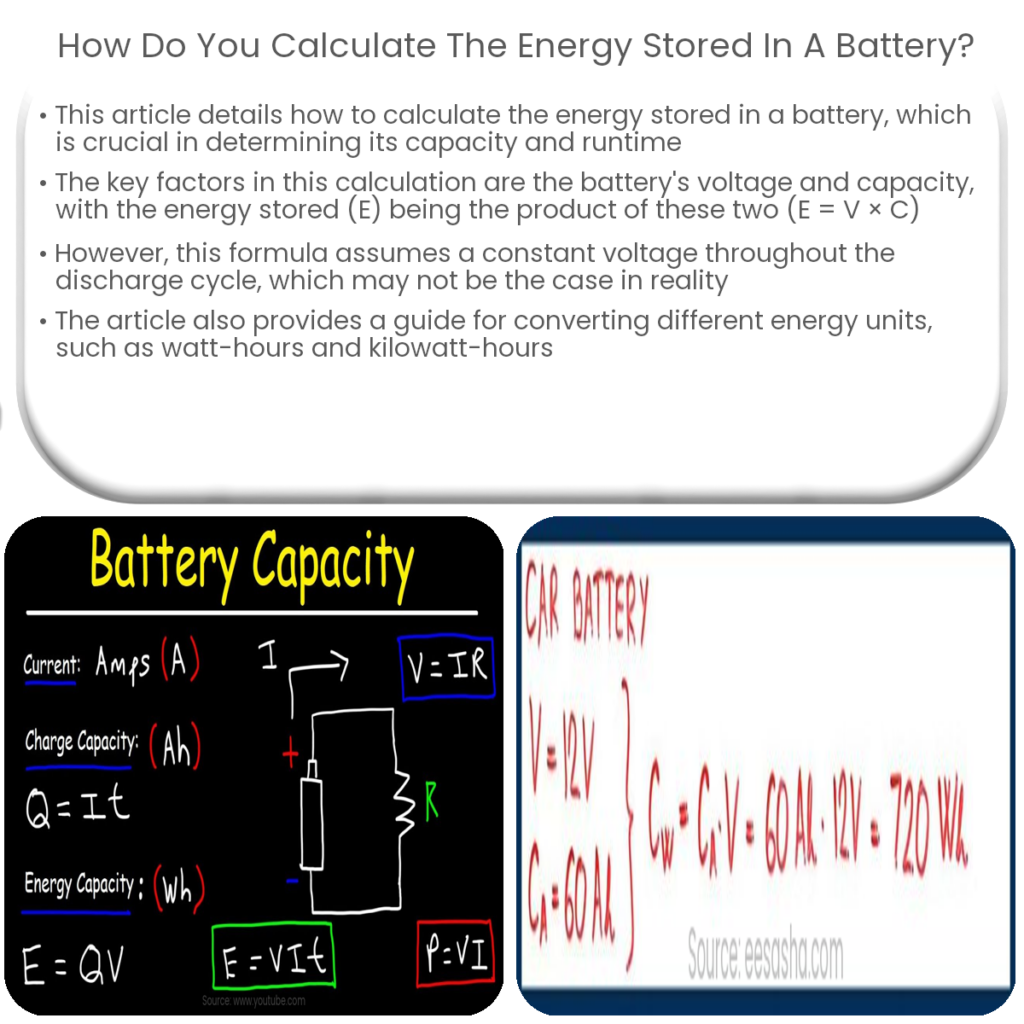
To calculate the energy stored in a battery, multiply the battery’s voltage (V) by its capacity (Ah): Energy (Wh) = Voltage (V) × Capacity (Ah).
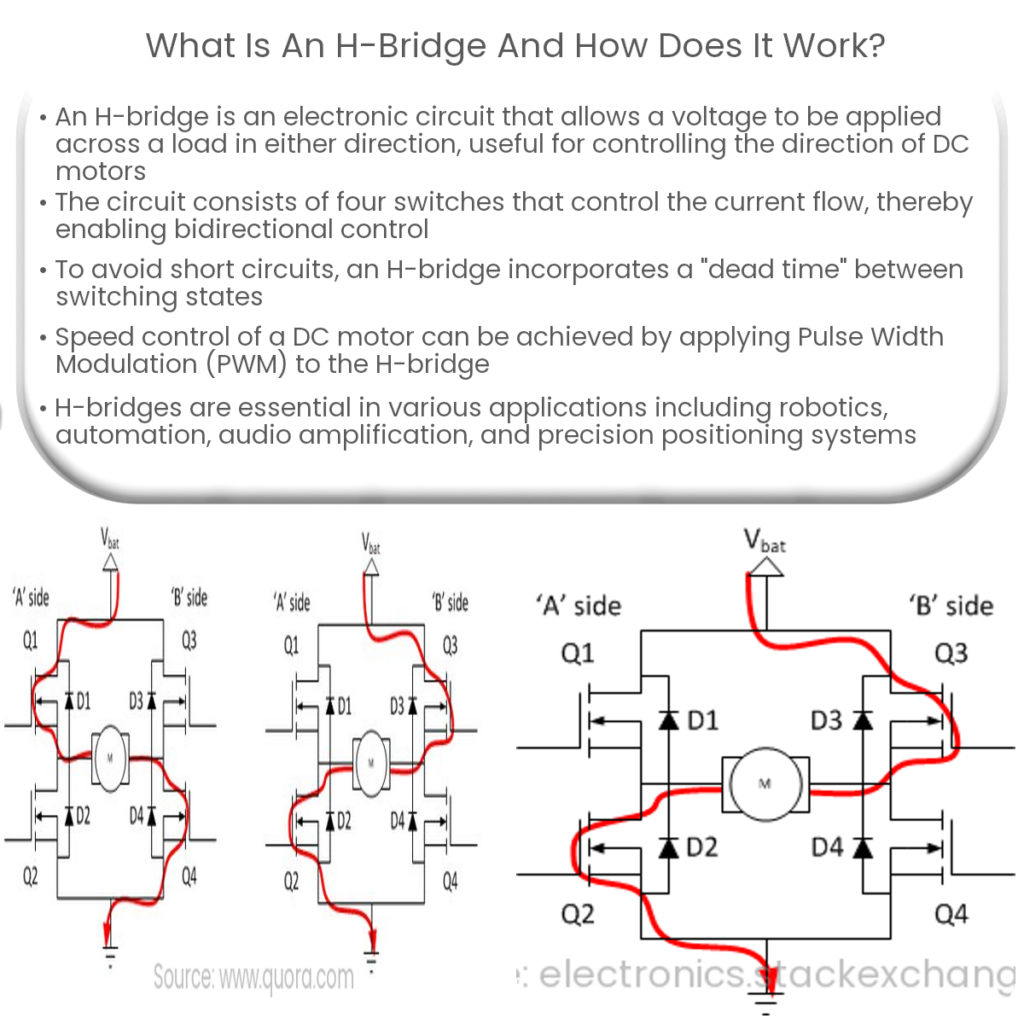
An H-bridge is an electronic circuit that controls the direction of a DC motor by altering the voltage across the motor, often used in robotics.
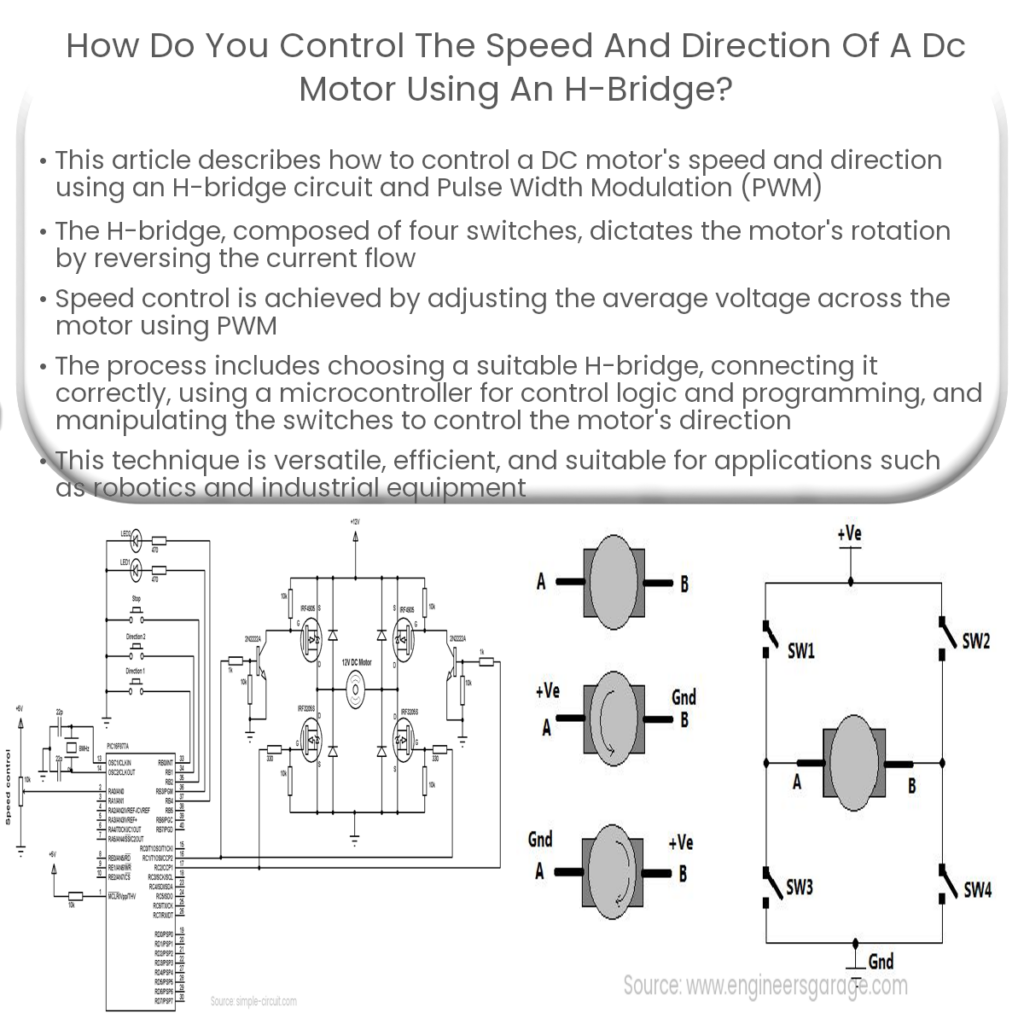
To control a DC motor’s speed and direction using an H-bridge, apply PWM for speed control and manipulate the switches to change direction.
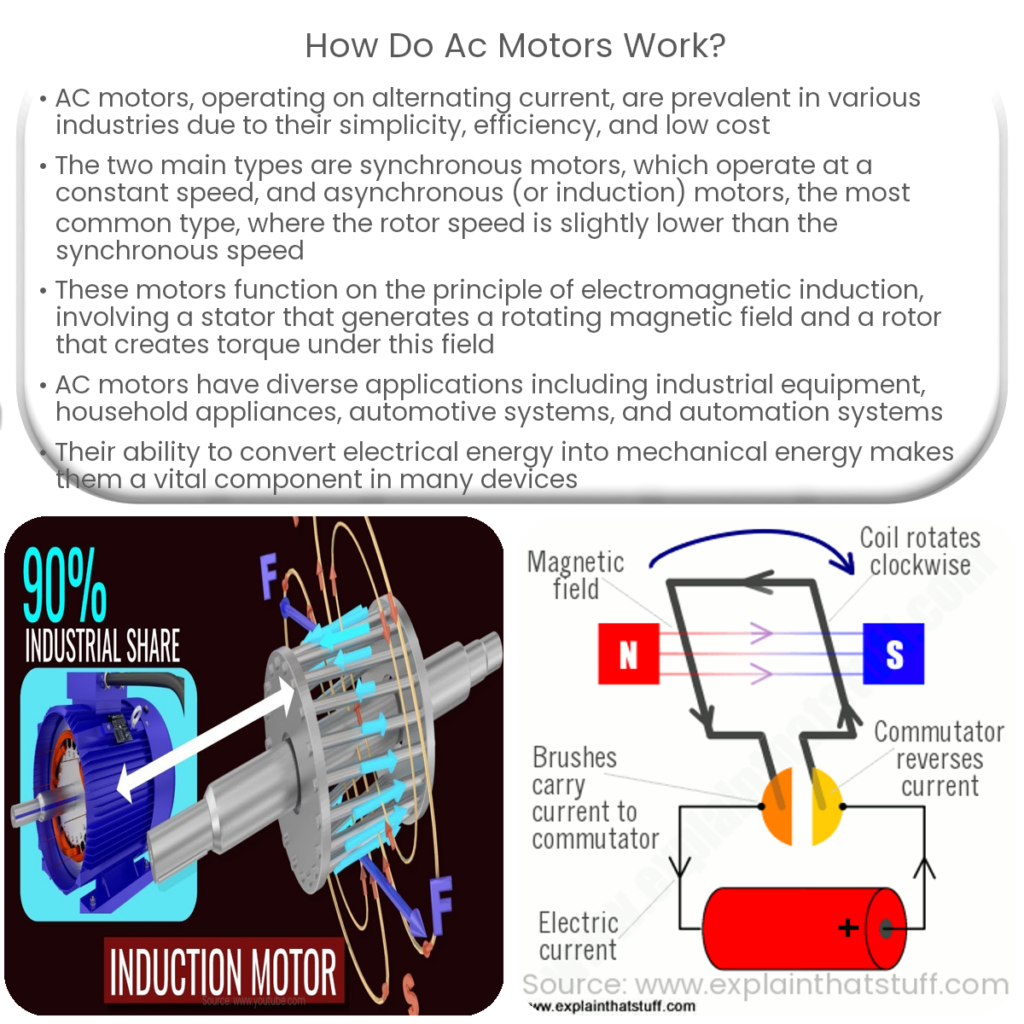
AC motors work by using electromagnetic induction, with a rotating magnetic field in the stator that interacts with the rotor to generate torque.
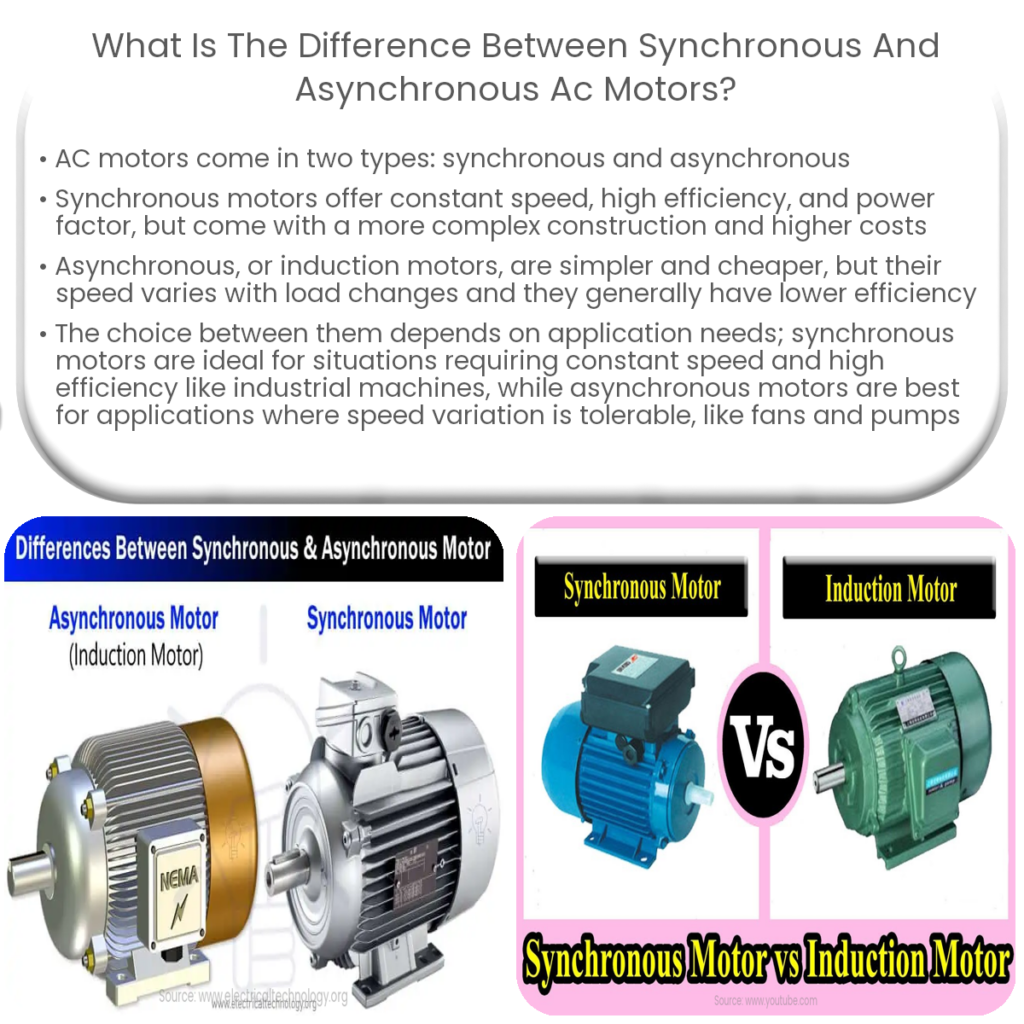
Synchronous motors maintain a constant speed, while asynchronous motors’ speed varies with load. Synchronous motors are more efficient, but asynchronous motors are simpler and cheaper.
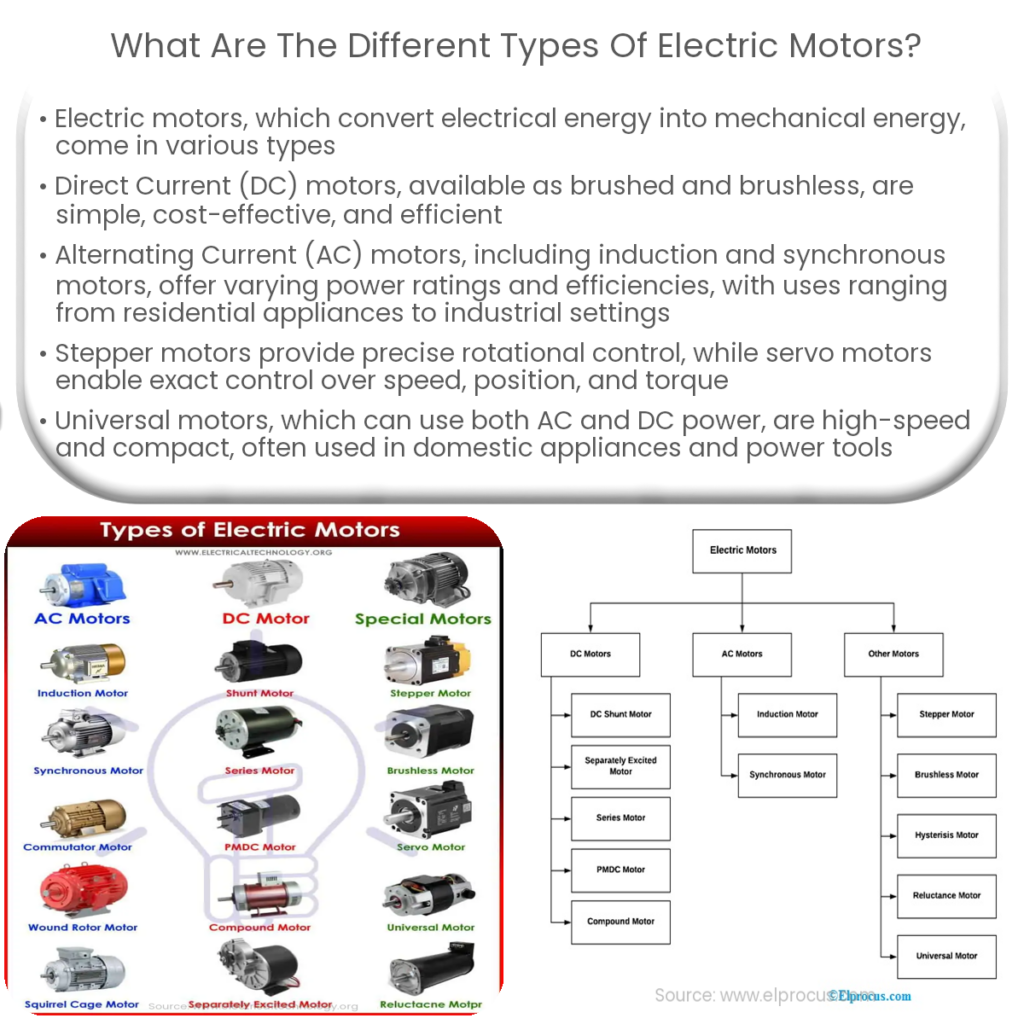
Different types of electric motors include direct current (DC) motors, alternating current (AC) motors, stepper motors, servo motors, and universal motors.
The primary purpose of this project is to help the public to learn some exciting and important information about electricity and magnetism.
Our Website follows all legal requirements to protect your privacy. Visit our Privacy Policy page.
The Cookies Statement is part of our Privacy Policy.
The information contained on this website is for general information purposes only. This website does not use any proprietary data. Visit our Editorial note.
It’s simple:
1) You may use almost everything for non-commercial and educational use.
2) You may not distribute or commercially exploit the content, especially on another website.
