
How do you analyze a series-parallel circuit?
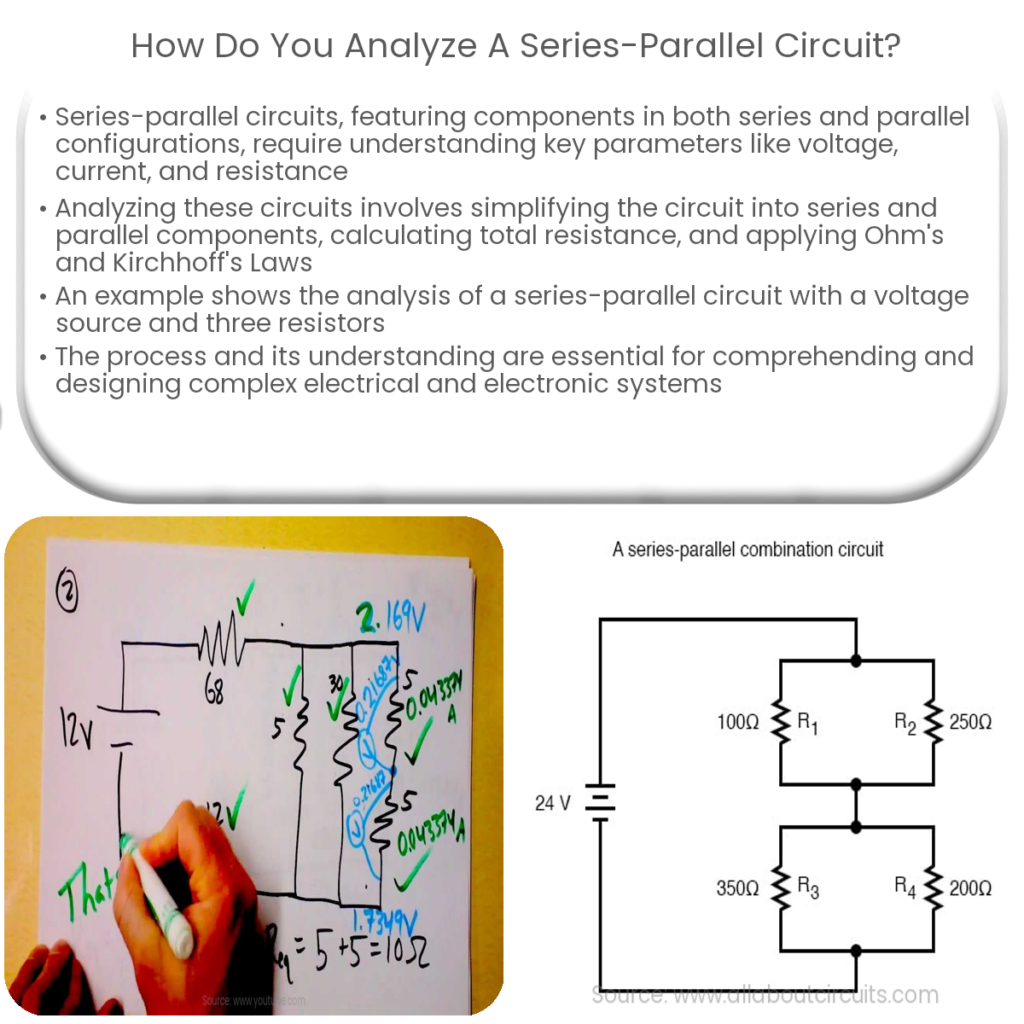
Series-parallel circuits combine elements of both series and parallel circuits, featuring components connected in a combination of these configurations.
Series-parallel circuits combine elements of both series and parallel circuits, featuring components connected in a combination of these configurations.
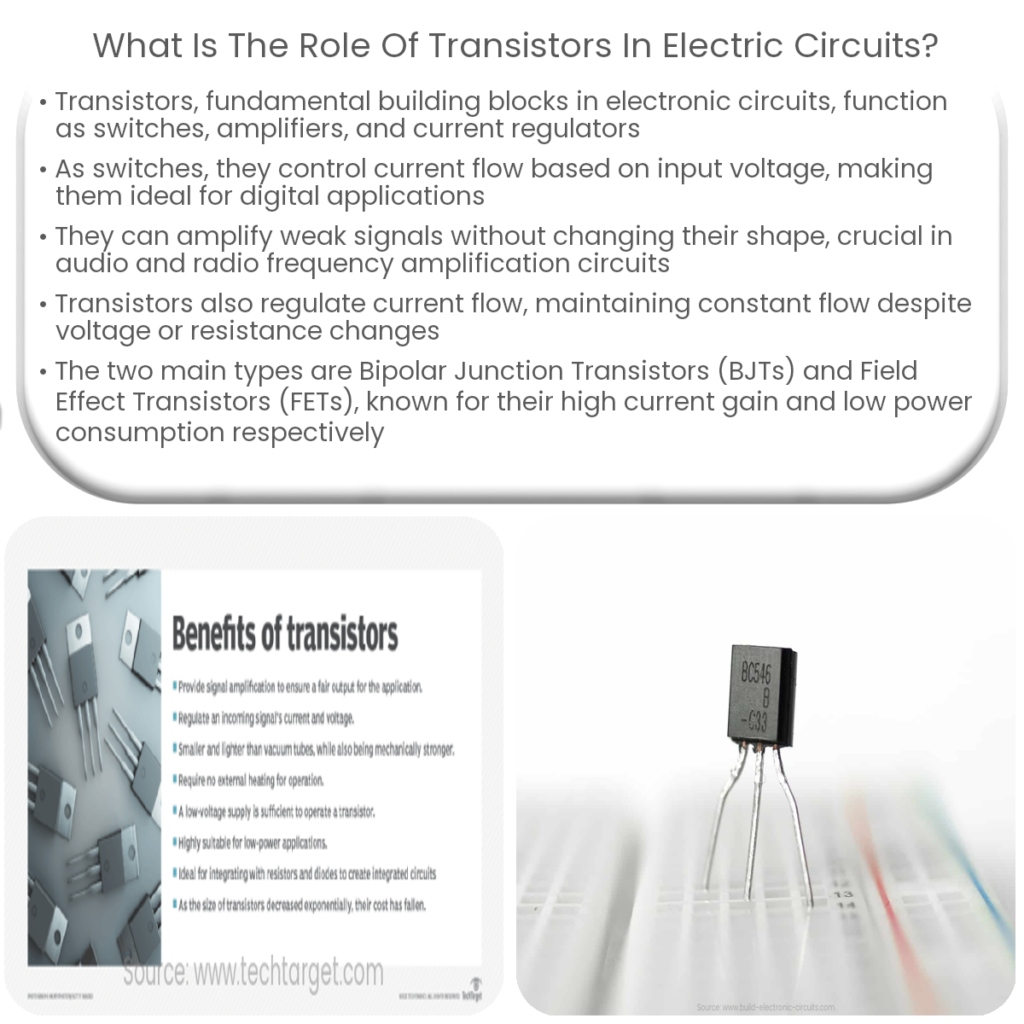
Transistors are integral components in modern electronic circuits. They serve as the basic building blocks for a variety of devices, from simple amplifiers to complex computer systems.
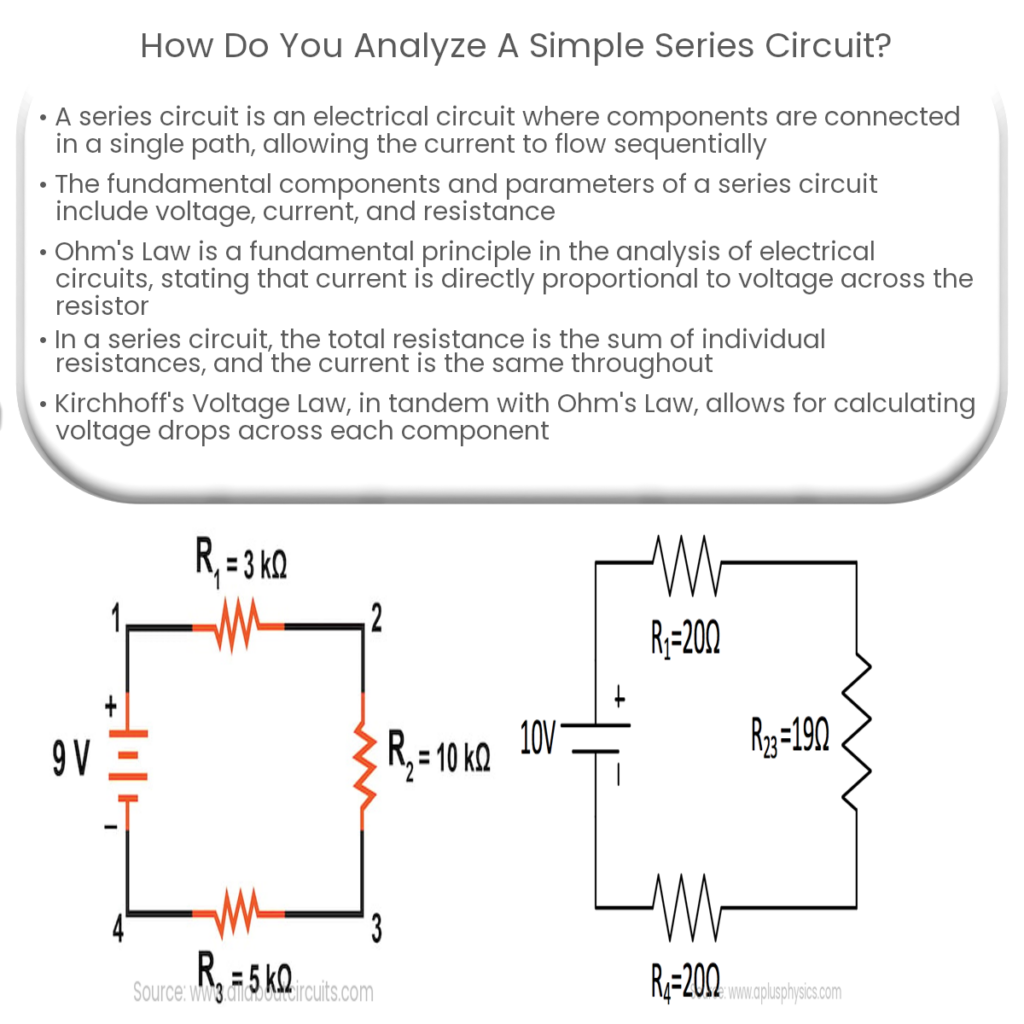
To analyze a series circuit, calculate the total resistance, ensure current is the same throughout, and apply Ohm’s Law and Kirchhoff’s Voltage Law.
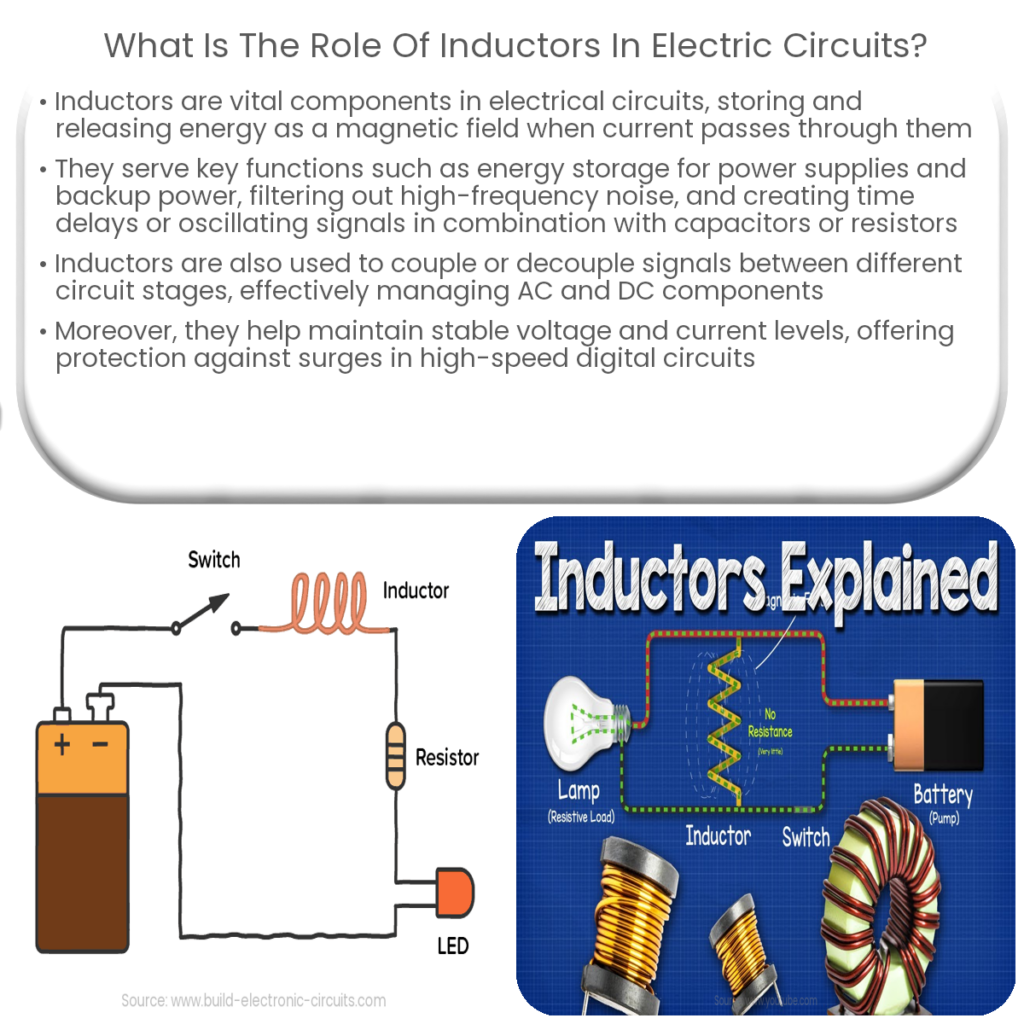
Inductors play a key role in electric circuits by storing energy, filtering signals, creating timing functions, coupling/decoupling signals, and stabilizing voltage and current levels.
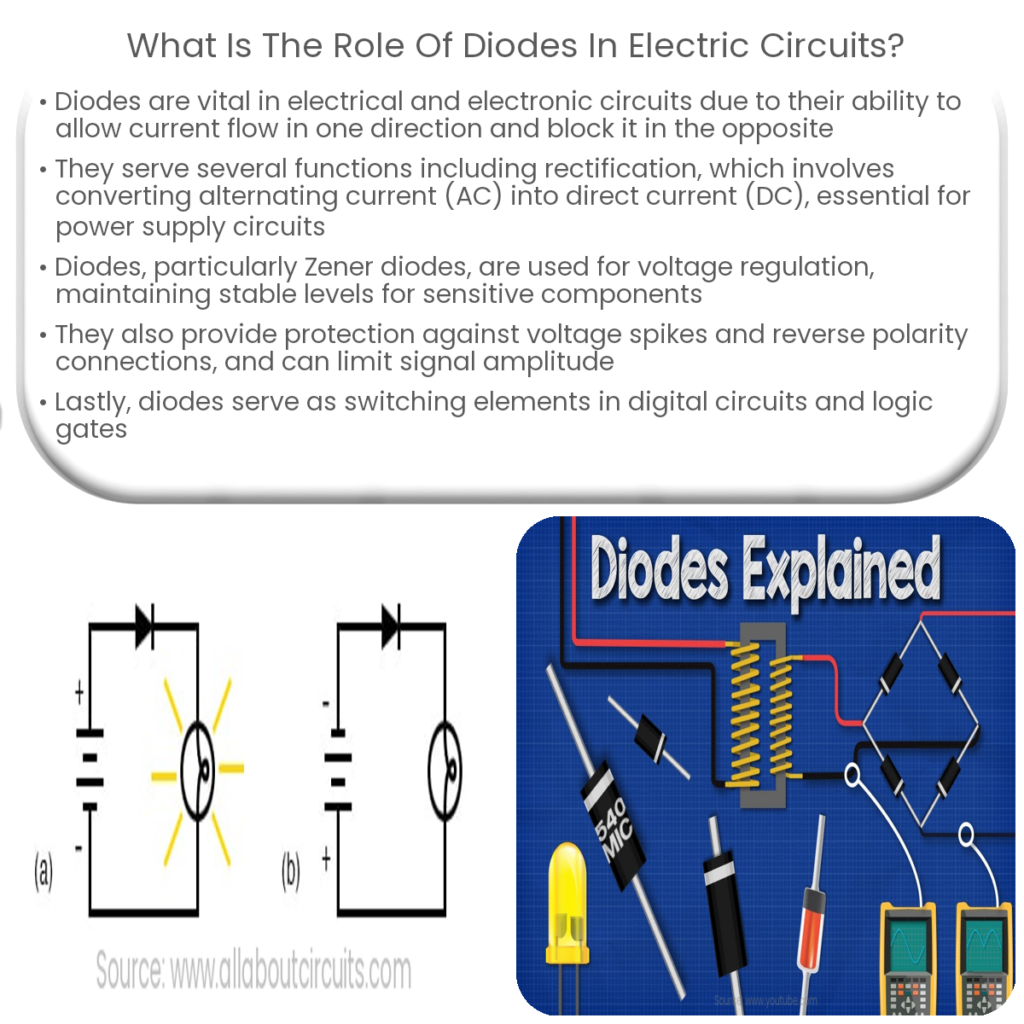
Diodes are essential components in electrical and electronic circuits. They are semiconductor devices that allow current to flow in one direction while blocking it in the opposite direction.
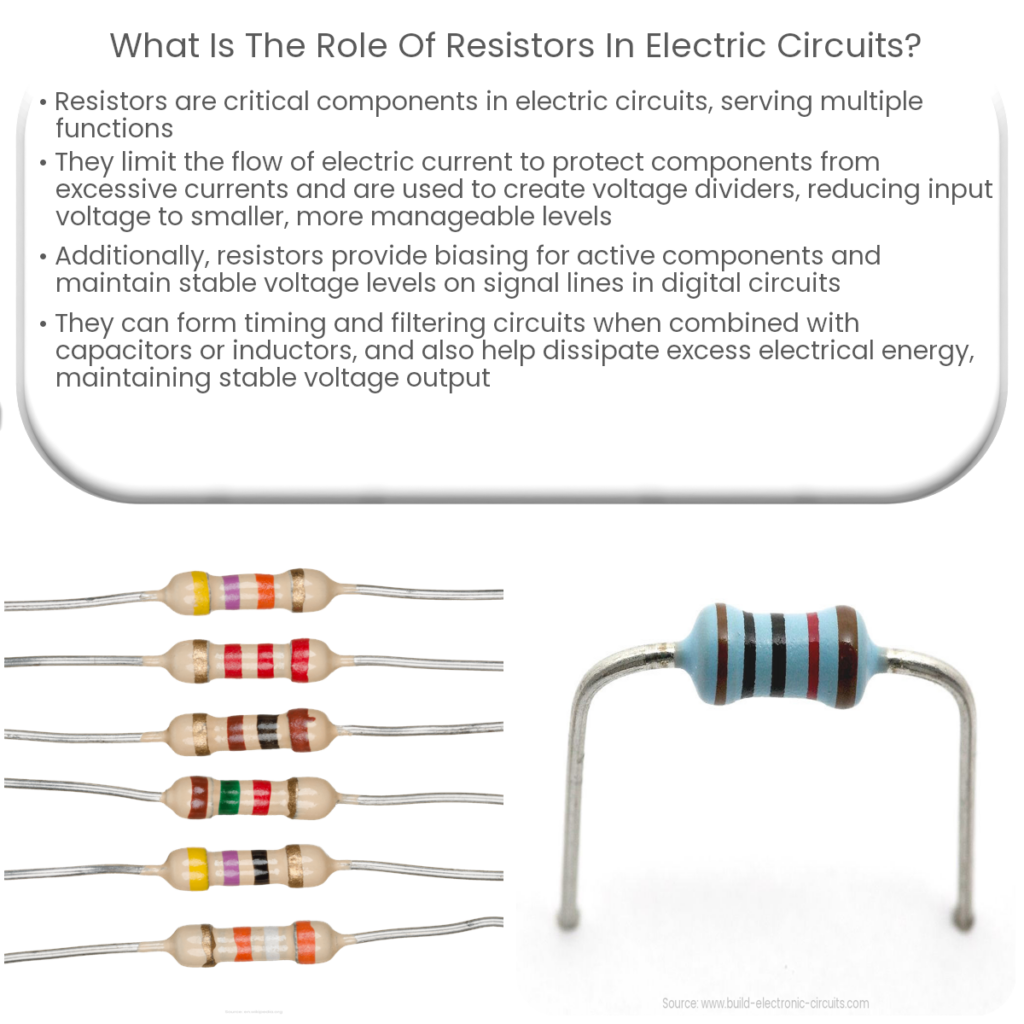
Resistors play a crucial role in electric circuits by limiting current, dividing voltage, providing biasing, stabilizing signal lines, creating timing, filtering, and dissipating power.
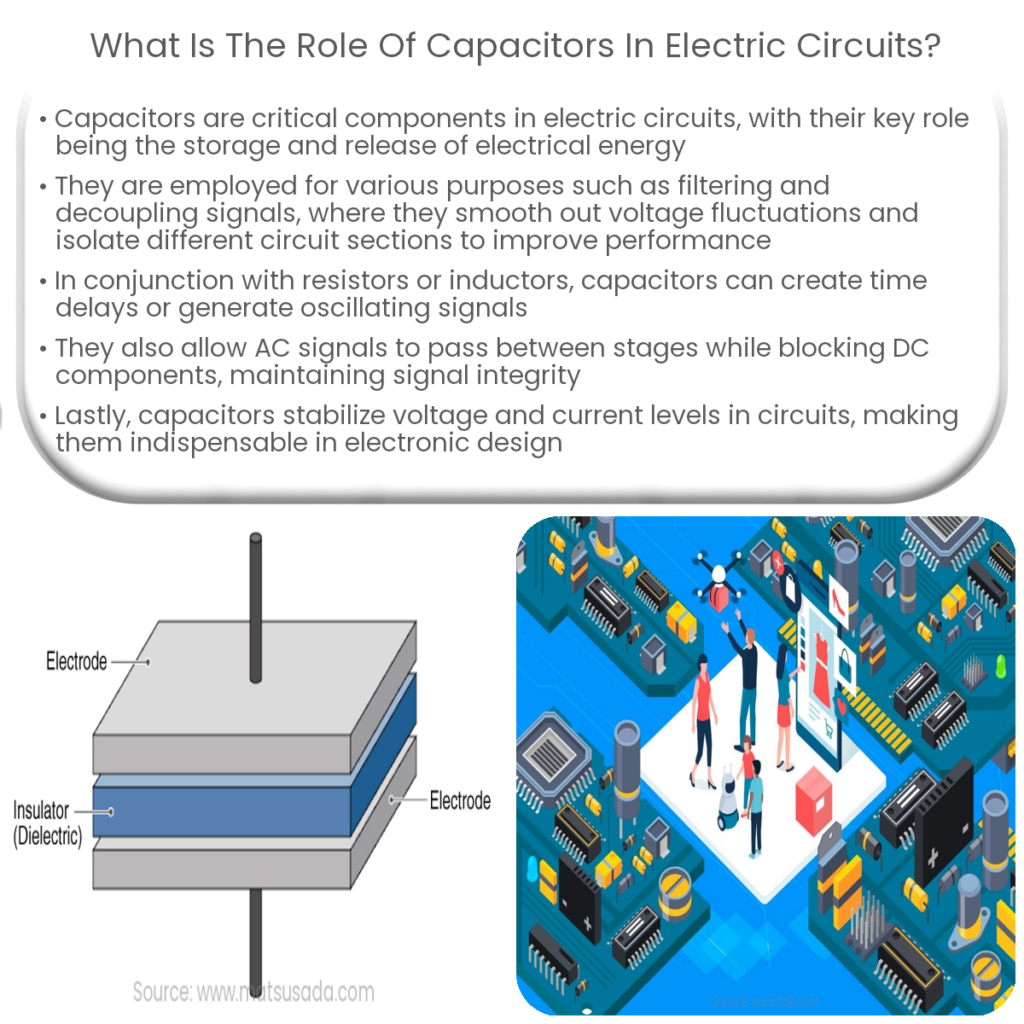
Capacitors play a vital role in electric circuits by storing energy, filtering signals, creating timing functions, coupling/decoupling signals, and stabilizing voltage and current levels.
Ohm’s law relates voltage, current, and resistance (V=I×R) in electric circuits, enabling calculation of unknown values, circuit design, and troubleshooting.
To calculate voltage, current, and resistance in a simple electric circuit, use Ohm’s Law: V = IR, I = V/R, and R = V/I, respectively.

Basic components of an electric circuit include a voltage source, conductors, resistors, capacitors, inductors, diodes, and switches.

The primary purpose of this project is to help the public to learn some exciting and important information about electricity and magnetism.
Our Website follows all legal requirements to protect your privacy. Visit our Privacy Policy page.
The Cookies Statement is part of our Privacy Policy.
The information contained on this website is for general information purposes only. This website does not use any proprietary data. Visit our Editorial note.
It’s simple:
1) You may use almost everything for non-commercial and educational use.
2) You may not distribute or commercially exploit the content, especially on another website.
