
How do you calculate the capacitance of a capacitor?
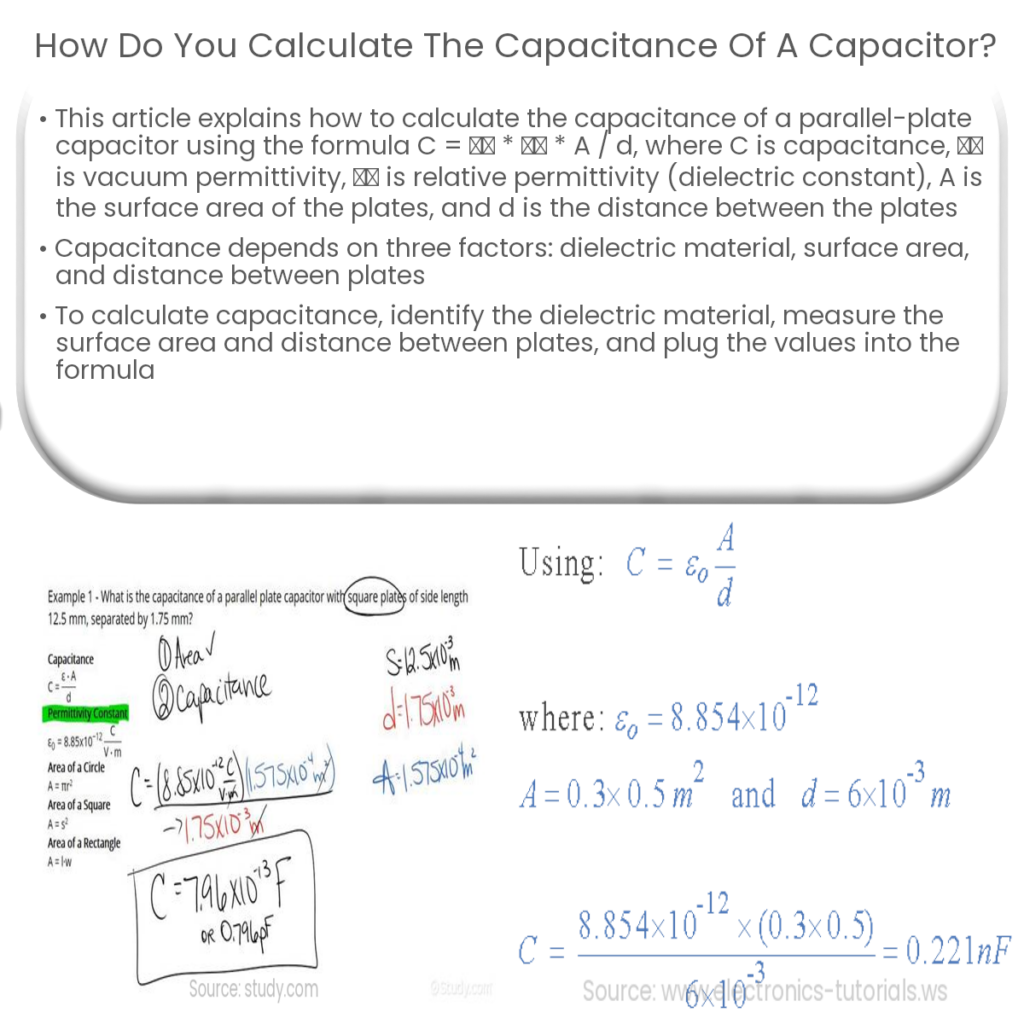
To calculate capacitance, use the formula C = ε₀ * εr * A / d, considering the dielectric constant, plate area, and distance between plates.
To calculate capacitance, use the formula C = ε₀ * εr * A / d, considering the dielectric constant, plate area, and distance between plates.

Voltage, or electric potential difference, is the measure of electric potential energy per unit charge that drives the flow of electric current.
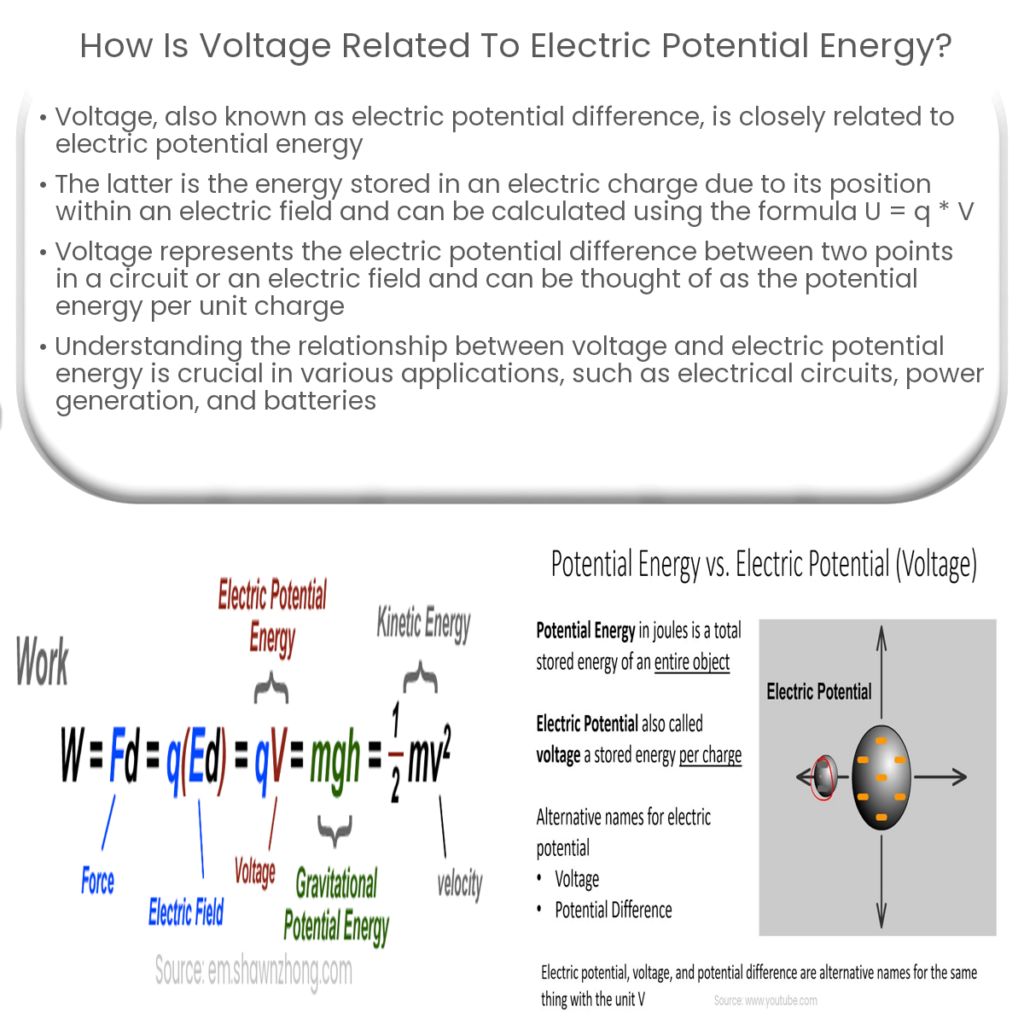
Voltage is the electric potential difference between two points and represents the electric potential energy per unit charge in a circuit or field.
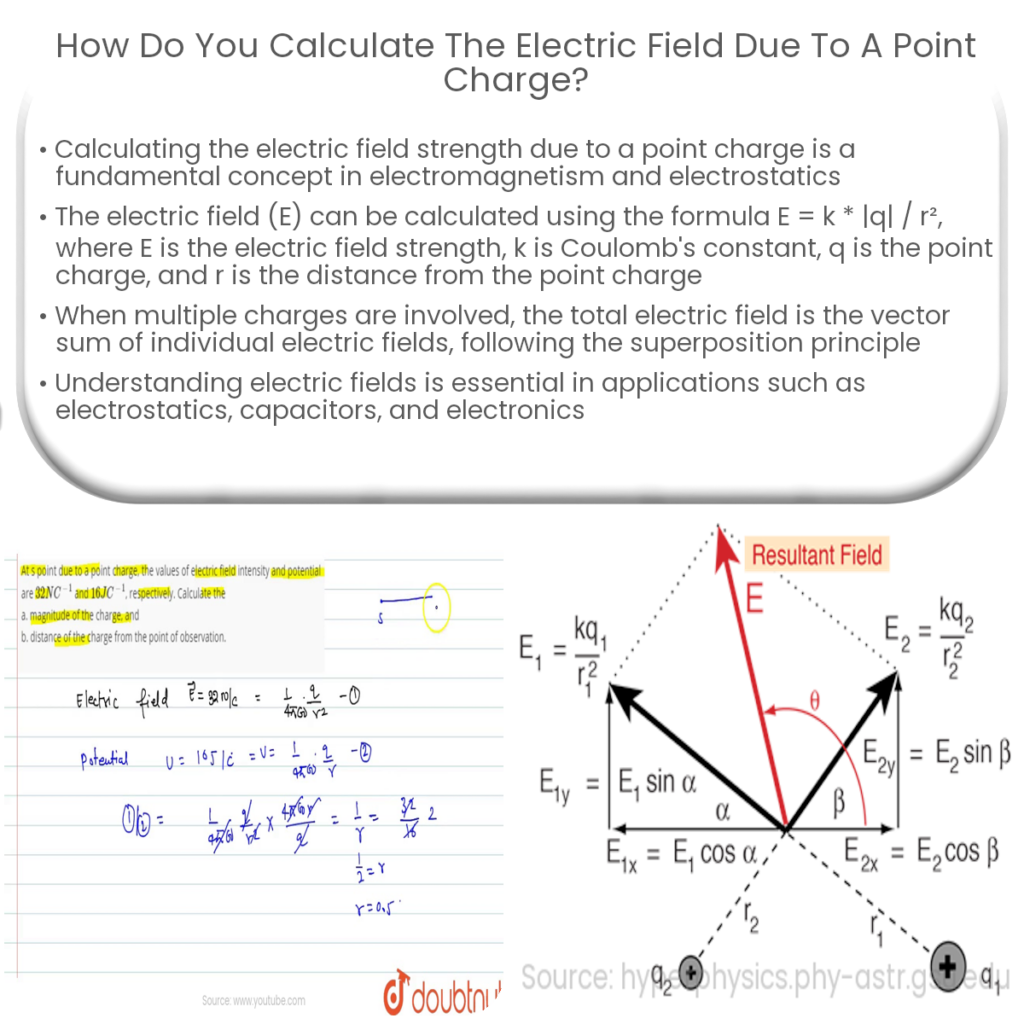
To calculate the electric field due to a point charge, use the formula E = k * |q| / r², where E is the field strength, q is the charge, and r is the distance.

An electric dipole is a pair of equal and opposite point charges separated by a small distance, with a characteristic dipole moment and electric field.
Coulomb’s Law relates the electrostatic force between charges, with the force being proportional to the charges’ magnitudes and inversely to distance.
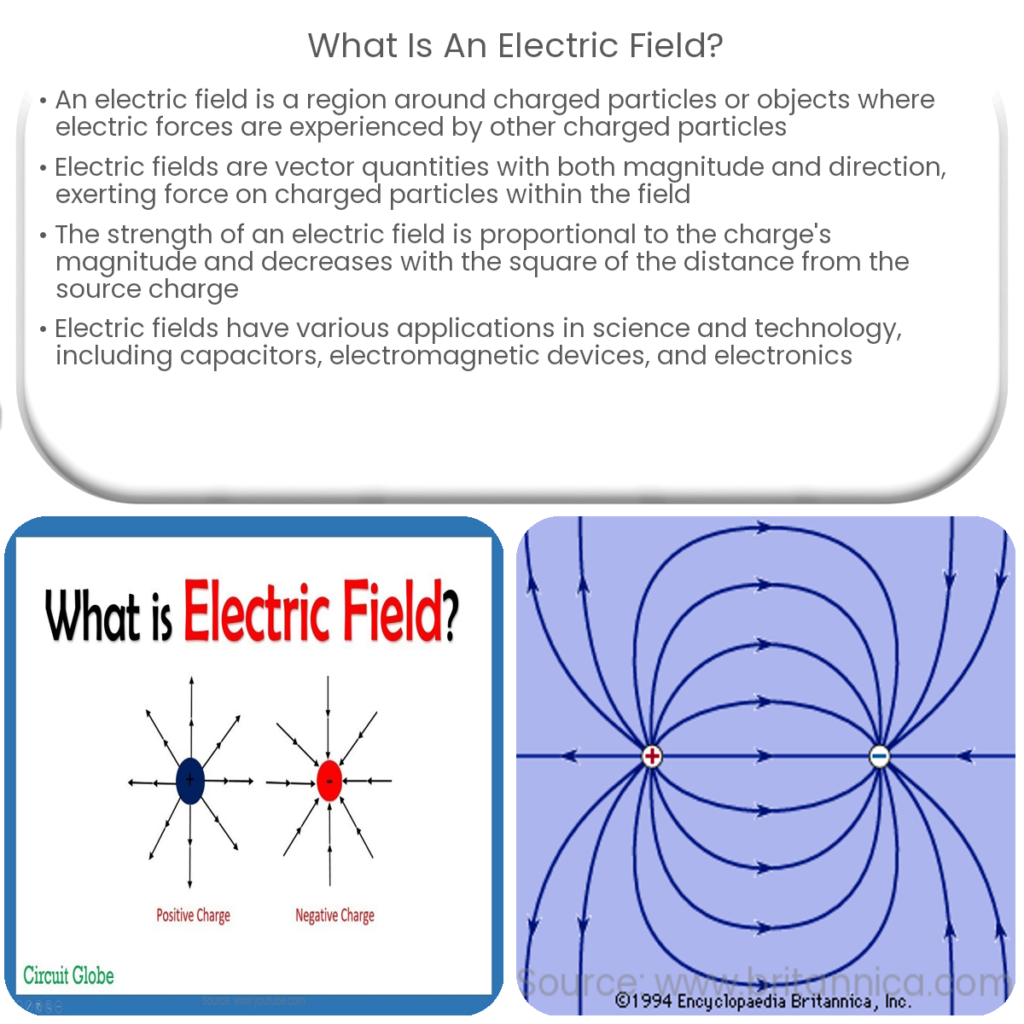
An electric field is a region around a charged particle where other charged particles experience an electric force, influencing their movement.
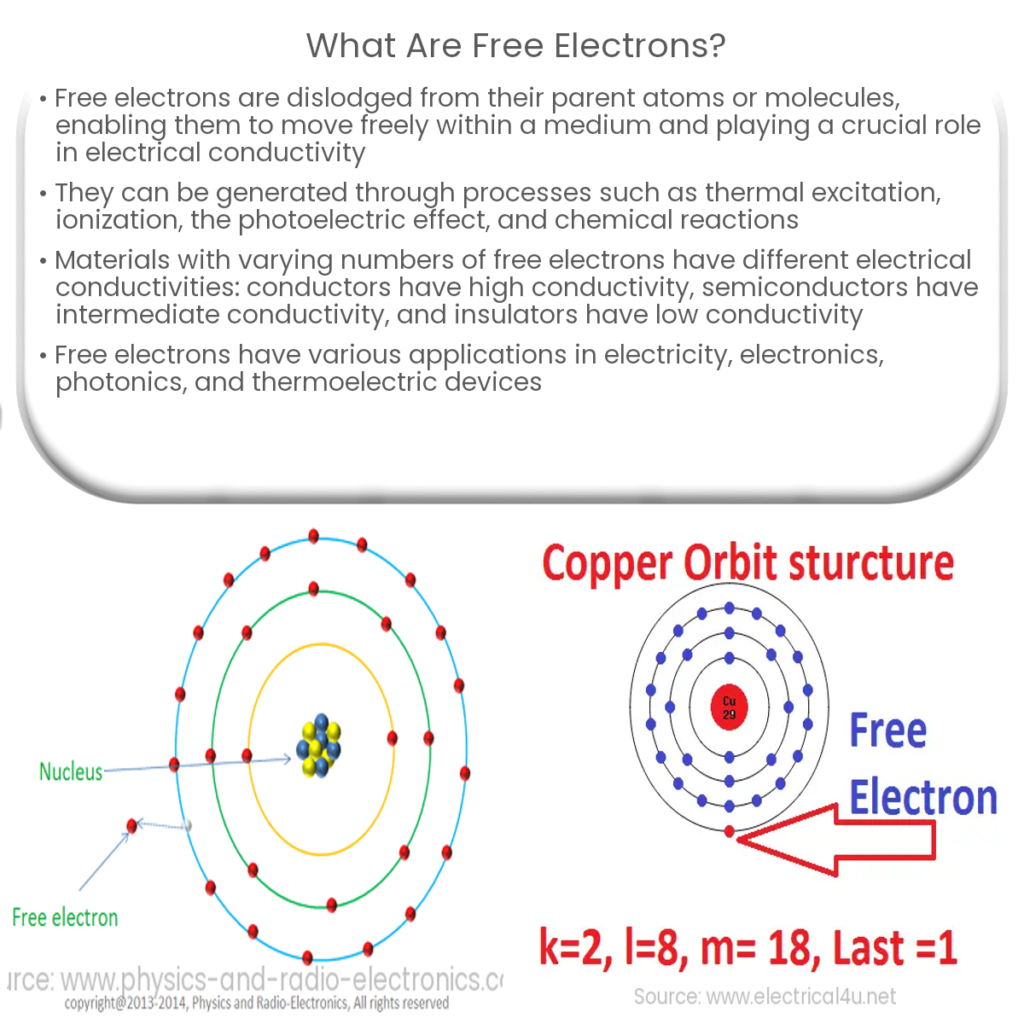
Free electrons are dislodged from atoms or molecules, allowing them to move freely, playing a key role in electrical conductivity and other processes.
Coulomb’s Law describes the electrostatic force between charged particles, with the force dependent on the charges’ magnitudes and their distance.
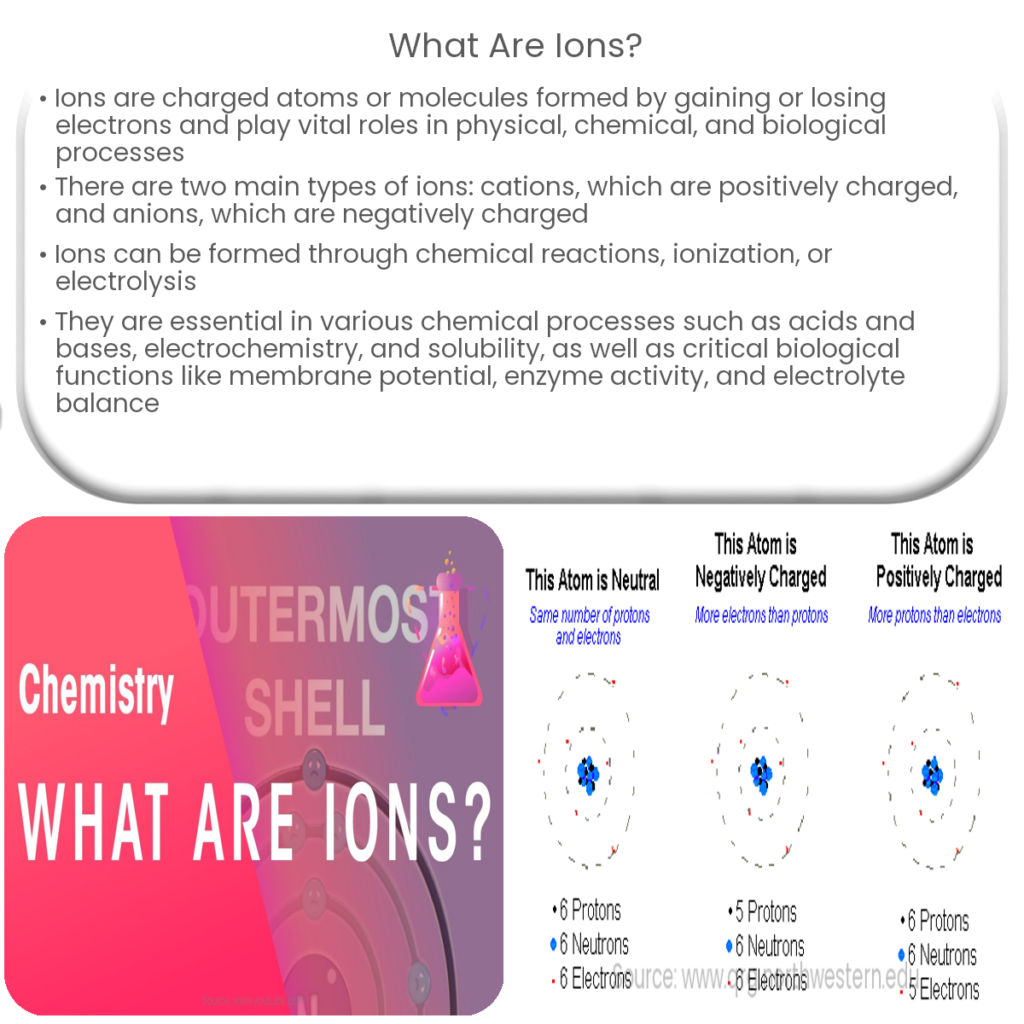
Ions are atoms or molecules with a net electric charge due to the gain or loss of electrons, playing roles in chemistry, physics, and biology.

The primary purpose of this project is to help the public to learn some exciting and important information about electricity and magnetism.
Our Website follows all legal requirements to protect your privacy. Visit our Privacy Policy page.
The Cookies Statement is part of our Privacy Policy.
The information contained on this website is for general information purposes only. This website does not use any proprietary data. Visit our Editorial note.
It’s simple:
1) You may use almost everything for non-commercial and educational use.
2) You may not distribute or commercially exploit the content, especially on another website.
