
Phase Locked Loops (PLL)

Dive into the world of Phase Locked Loops (PLLs), understanding their operation, components, and widespread applications in modern electronics.
Dive into the world of Phase Locked Loops (PLLs), understanding their operation, components, and widespread applications in modern electronics.
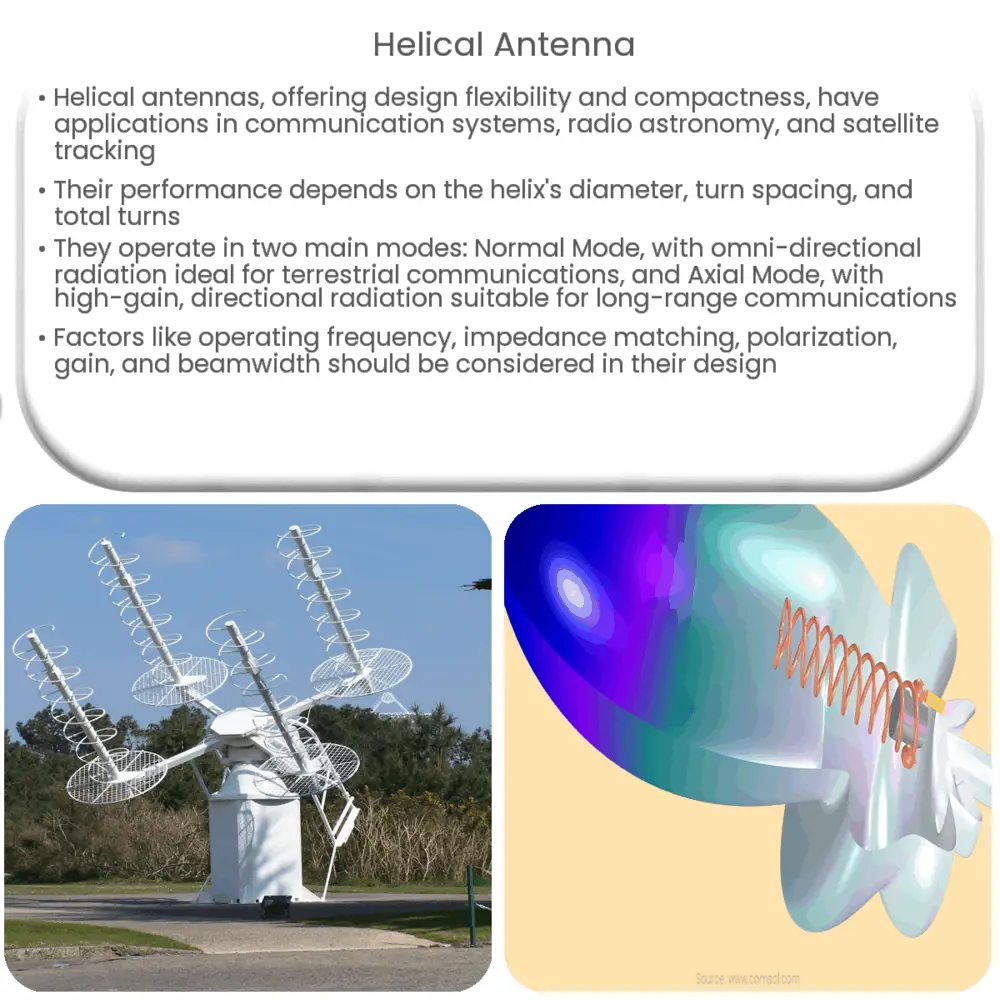
Helical antennas are versatile, compact, and offer circular polarization, making them ideal for communication systems, satellite tracking, and radio astronomy.

Log-periodic antennas offer wideband frequency coverage, consistent impedance, directional radiation patterns, and adaptability for diverse applications.
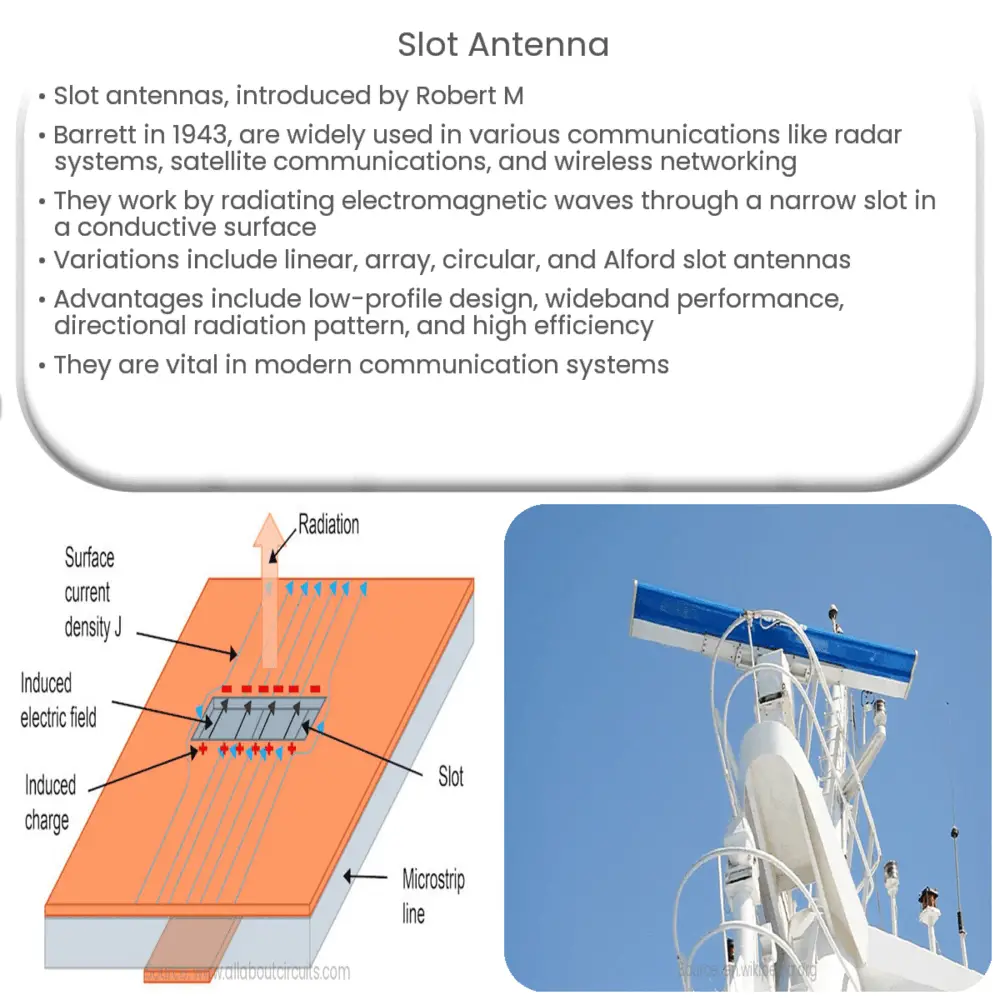
Slot antennas are low-profile, wideband antennas with directional radiation patterns, used in radar, satellite communication, Wi-Fi, and TV broadcasting.
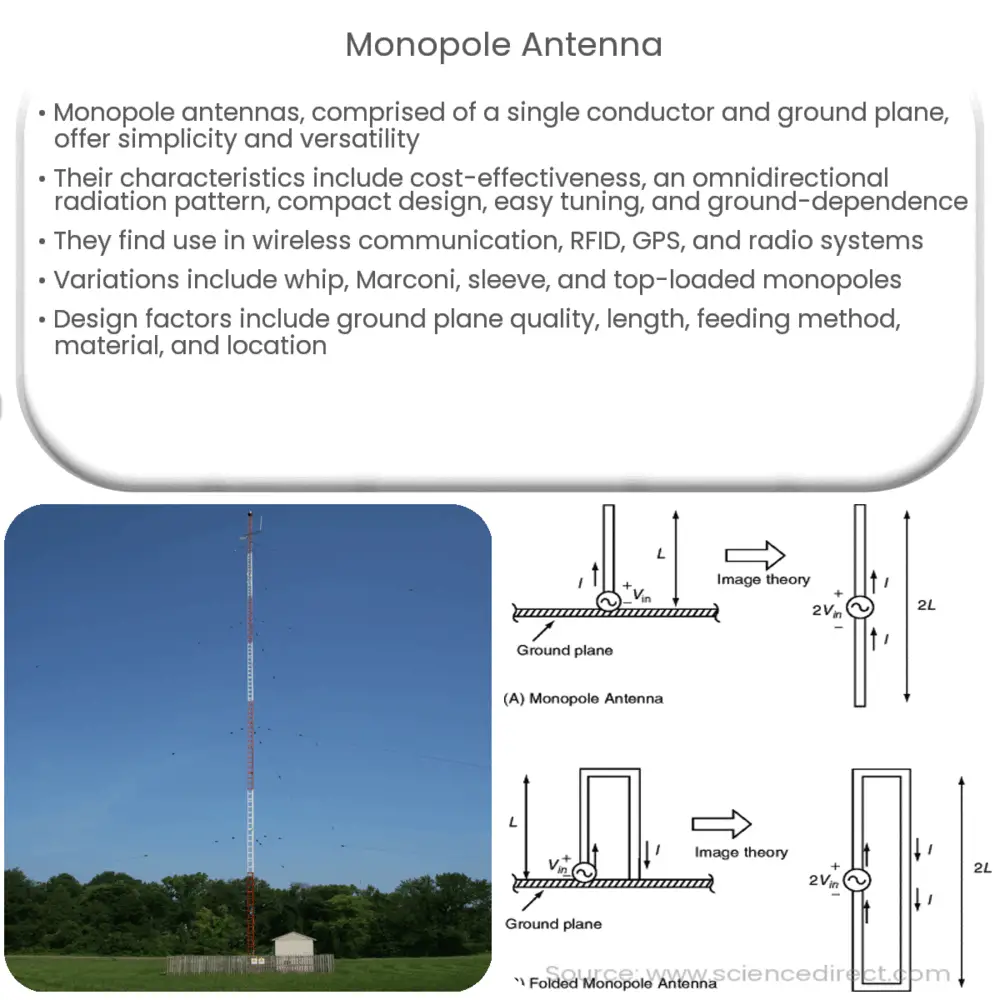
Explore monopole antennas, their fundamentals, types, and applications, along with design considerations and optimization for optimal performance.
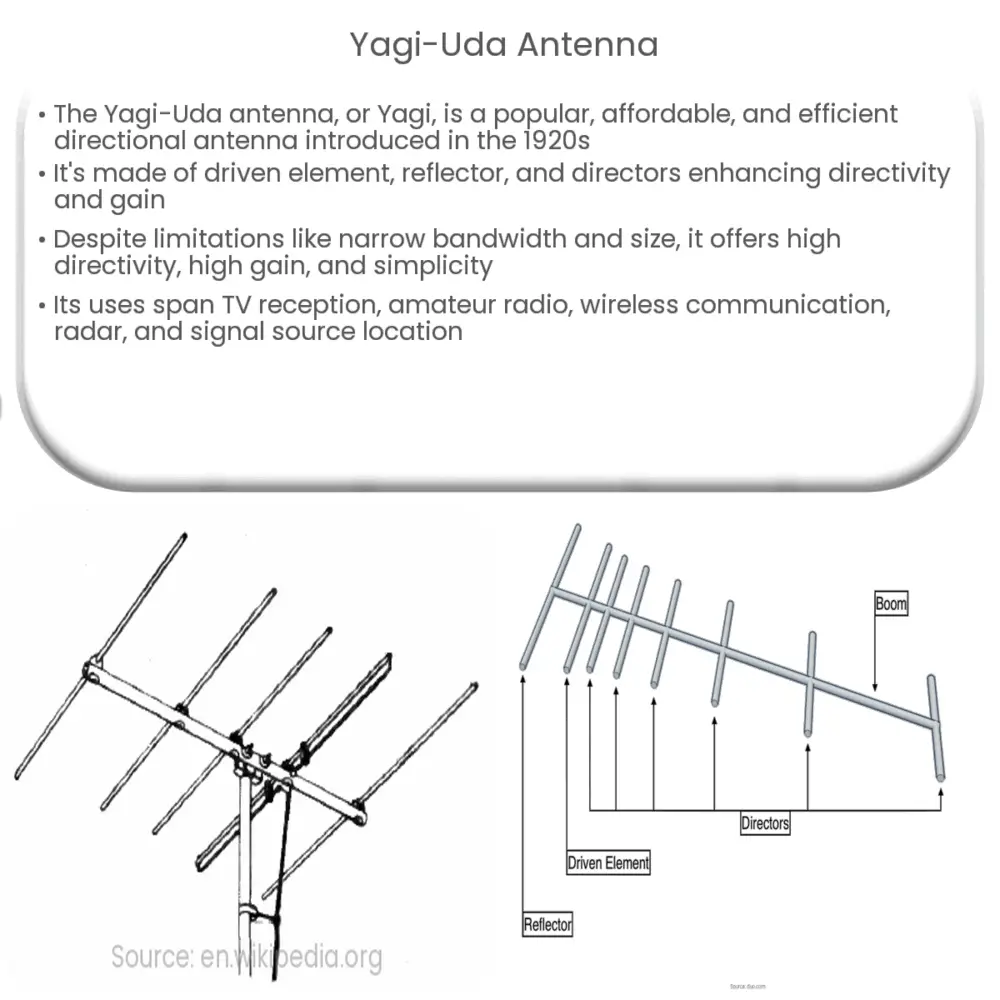
The Yagi-Uda antenna is a highly directional and affordable antenna, commonly used in TV reception, amateur radio, and wireless communication systems.
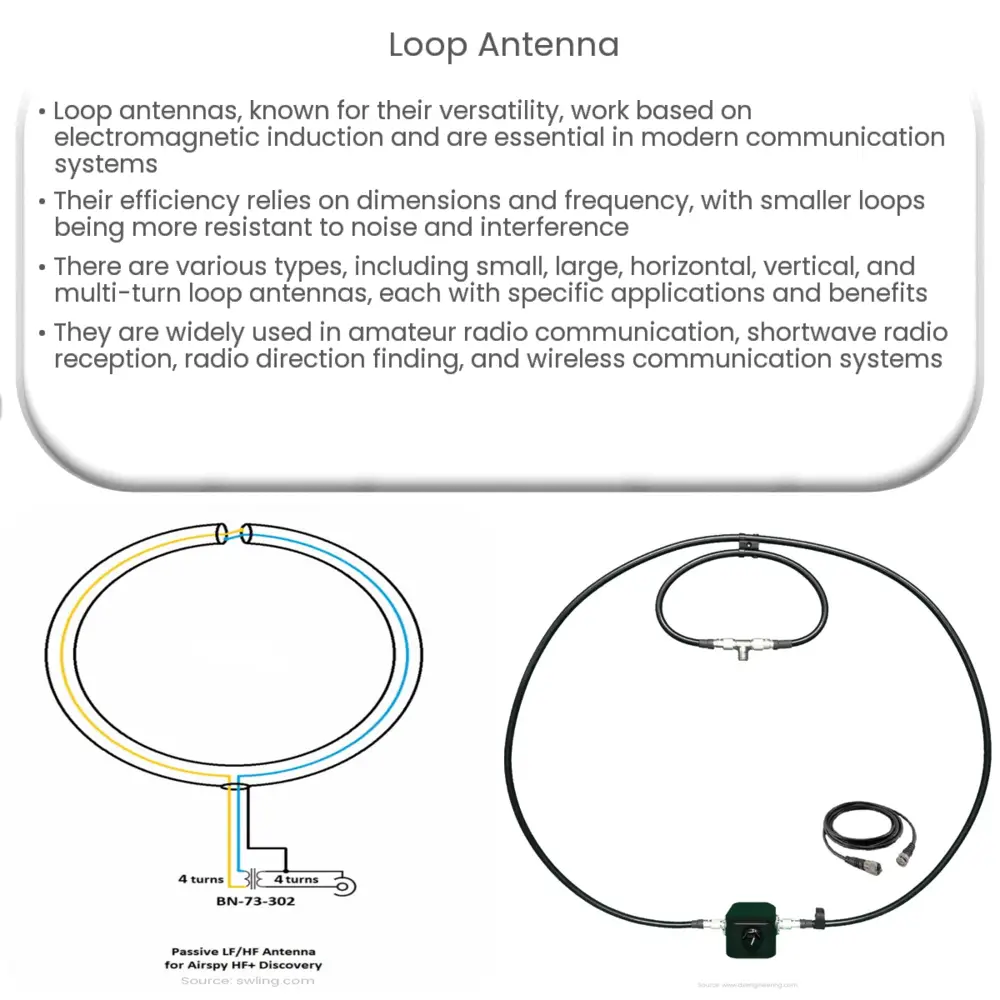
Loop antennas are versatile radio communication devices, known for their compact size, directional properties, and resistance to electrical interference.

Patch antennas are low-profile, cost-effective antennas used in wireless communication, IoT, wearables, and medical applications.
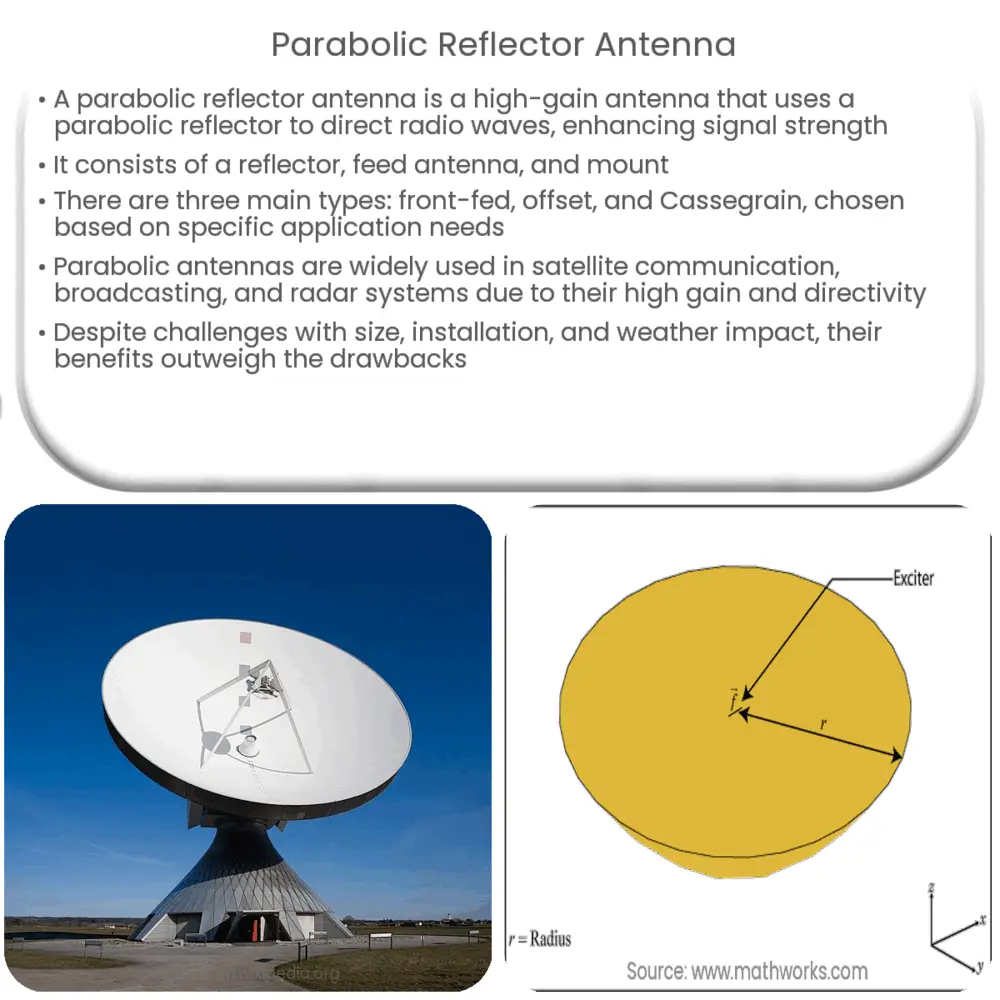
Explore the workings, types, applications, advantages, and drawbacks of parabolic reflector antennas in our comprehensive guide.
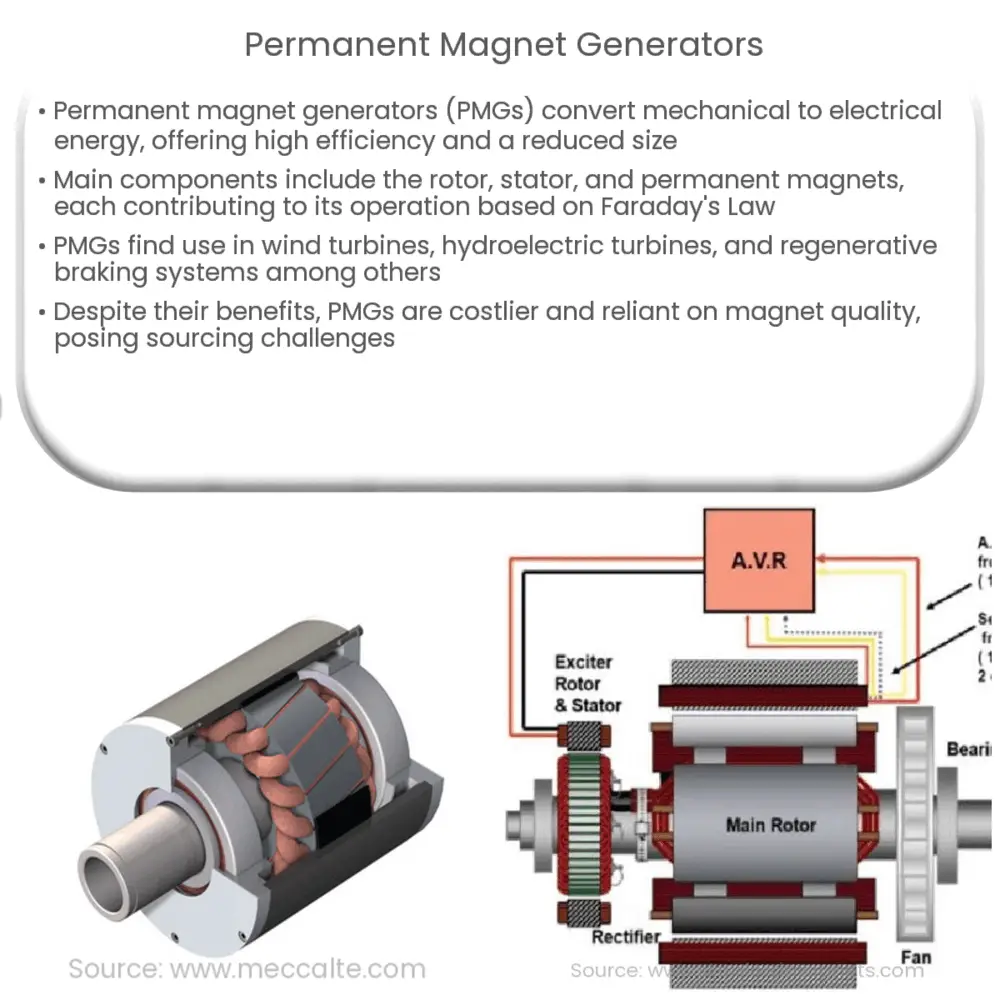
Explore the workings, benefits, types, and future prospects of Permanent Magnet Generators (PMGs), a cornerstone of sustainable energy solutions.

The primary purpose of this project is to help the public to learn some exciting and important information about electricity and magnetism.
Our Website follows all legal requirements to protect your privacy. Visit our Privacy Policy page.
The Cookies Statement is part of our Privacy Policy.
The information contained on this website is for general information purposes only. This website does not use any proprietary data. Visit our Editorial note.
It’s simple:
1) You may use almost everything for non-commercial and educational use.
2) You may not distribute or commercially exploit the content, especially on another website.
