
Liquid fuse

Liquid fuses are compact, resettable electrical safety devices that use conductive liquids to interrupt current flow during overcurrent or short circuit events.
Liquid fuses are compact, resettable electrical safety devices that use conductive liquids to interrupt current flow during overcurrent or short circuit events.

Catalytic bead sensors detect flammable gases, ensuring safety in various industries. They offer reliability, a wide detection range, and fast response time, with some limitations.
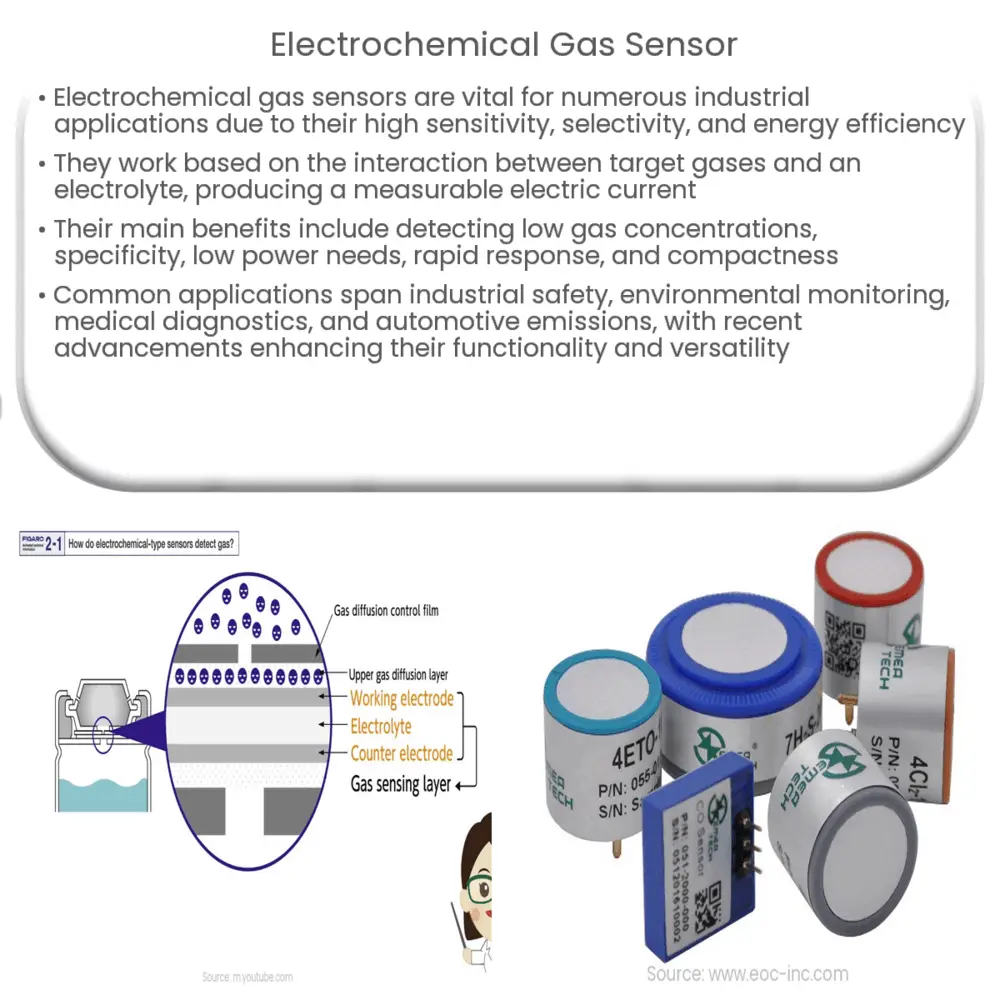
Electrochemical gas sensors detect gas levels with high sensitivity and selectivity, offering low power consumption and rapid response times.
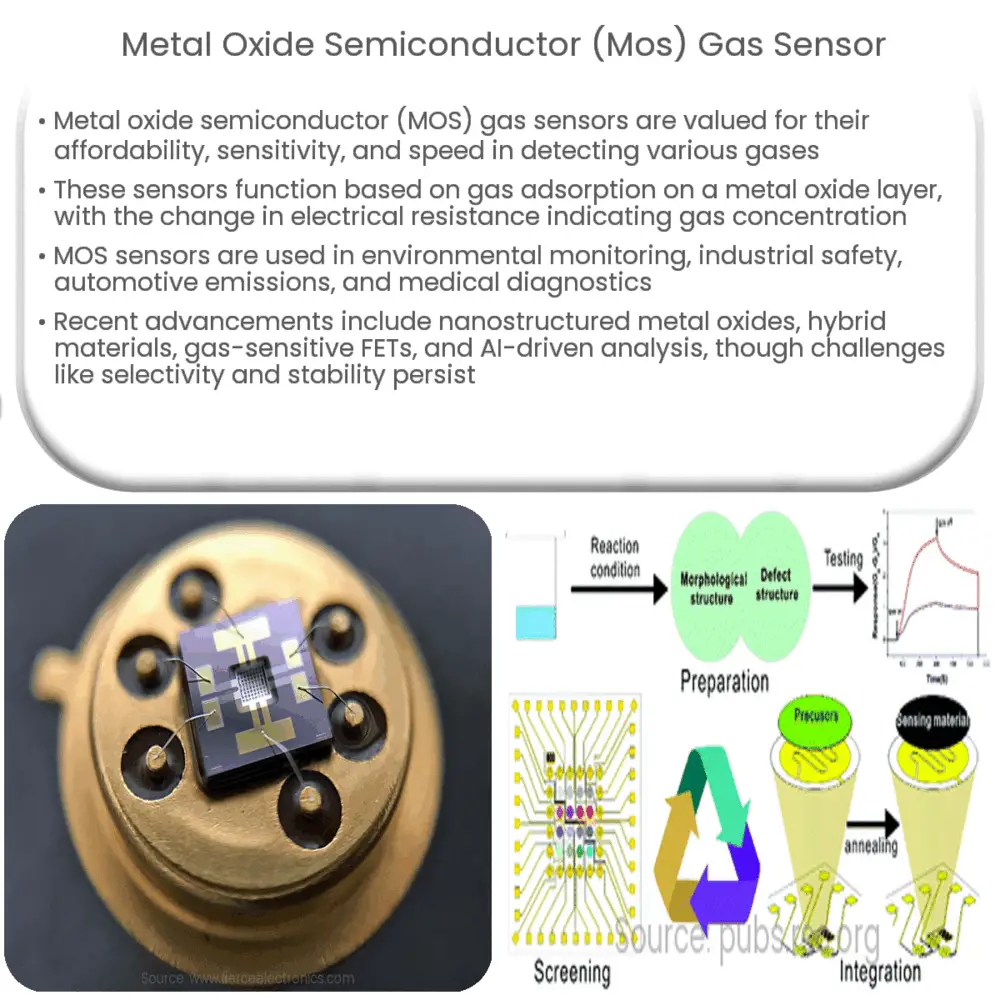
MOS gas sensors detect & measure gas concentrations, offering high sensitivity & rapid response. They’re used in environmental monitoring, industry safety, automotive emissions & medical diagnostics.
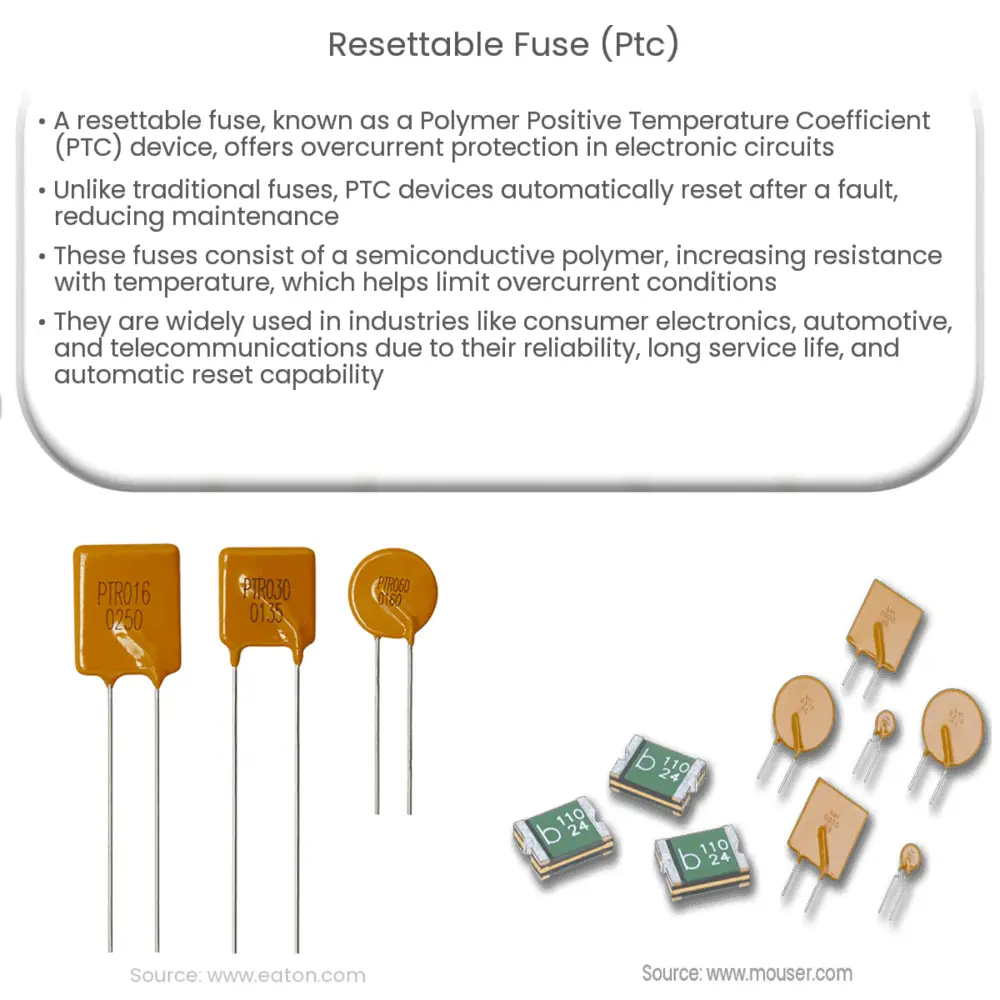
A resettable fuse, or PTC device, is a self-resetting overcurrent protector in electronic circuits, offering reliability, efficiency, and compact size.
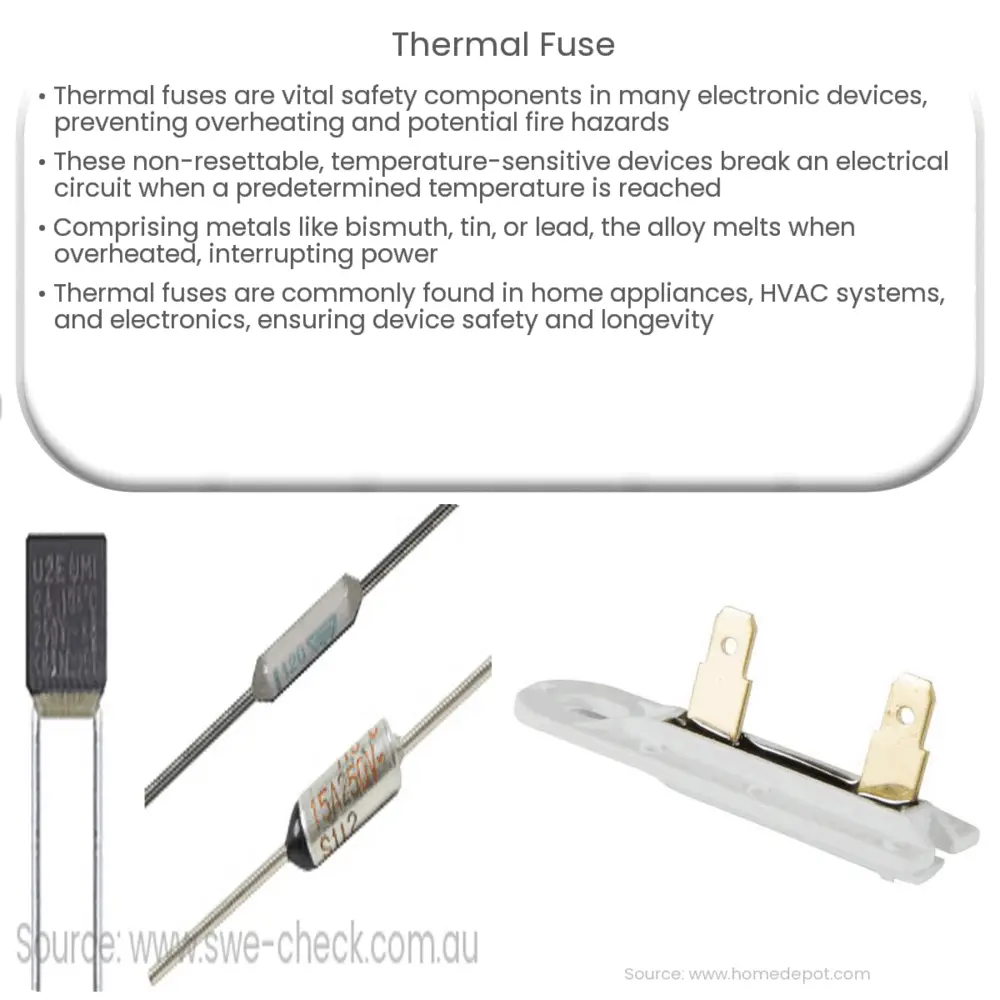
A thermal fuse is a one-time-use, temperature-sensitive safety device that interrupts an electrical circuit when a predetermined heat threshold is reached.
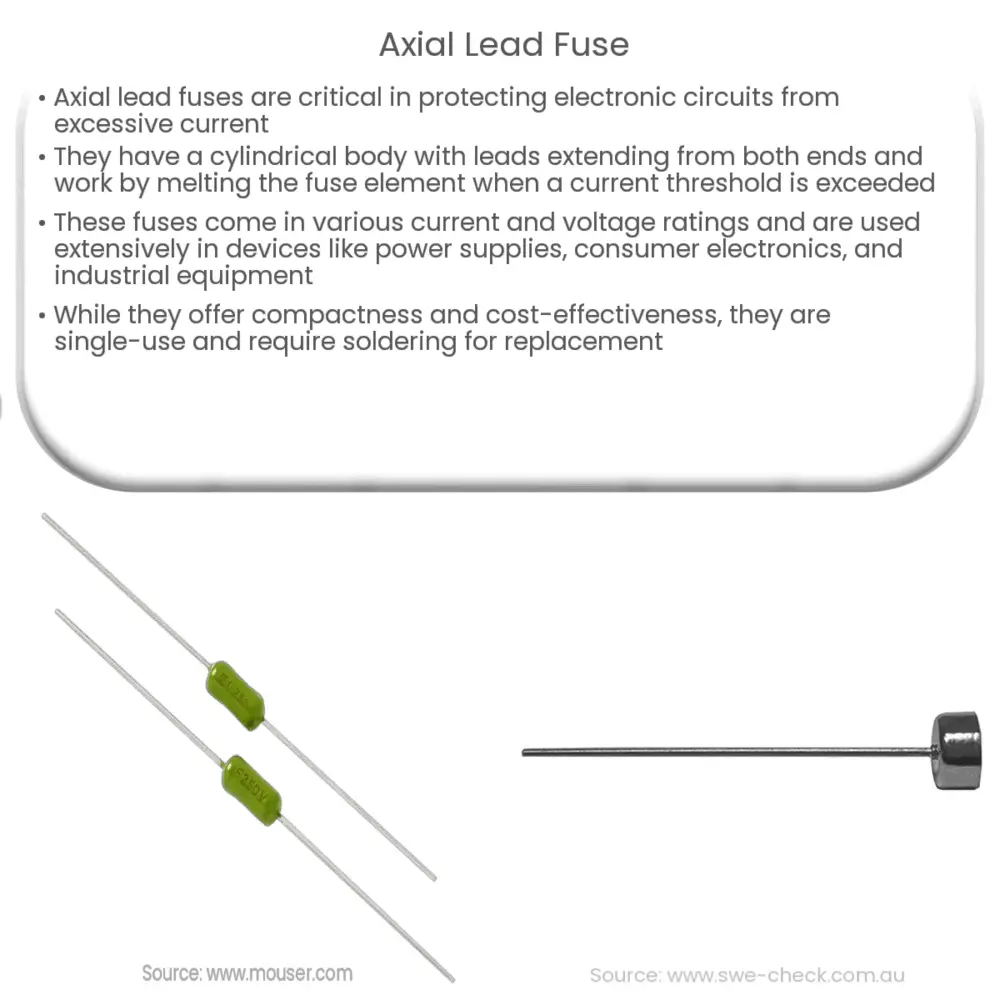
Axial lead fuses are compact, sacrificial devices that protect electronic circuits by interrupting excessive current flow.

A radial lead fuse is a compact, cylindrical safety device with leads for circuit protection in electronics, automotive, and telecommunications applications.

Surface mount fuses are compact, low-profile safety devices that protect electronic circuits from overcurrent, offering space-saving and improved performance.

HRC fuses provide reliable circuit protection by interrupting high fault currents, featuring a heat-resistant casing and quenching medium.

The primary purpose of this project is to help the public to learn some exciting and important information about electricity and magnetism.
Our Website follows all legal requirements to protect your privacy. Visit our Privacy Policy page.
The Cookies Statement is part of our Privacy Policy.
The information contained on this website is for general information purposes only. This website does not use any proprietary data. Visit our Editorial note.
It’s simple:
1) You may use almost everything for non-commercial and educational use.
2) You may not distribute or commercially exploit the content, especially on another website.
