
Acoustic gas sensor

Acoustic gas sensors use sound waves to detect gas presence and concentration, offering non-intrusive, real-time monitoring across industries.
Acoustic gas sensors use sound waves to detect gas presence and concentration, offering non-intrusive, real-time monitoring across industries.

Capacitive gas sensors detect gas presence via capacitance changes, offering high sensitivity, selectivity, low power use, and rapid response times.
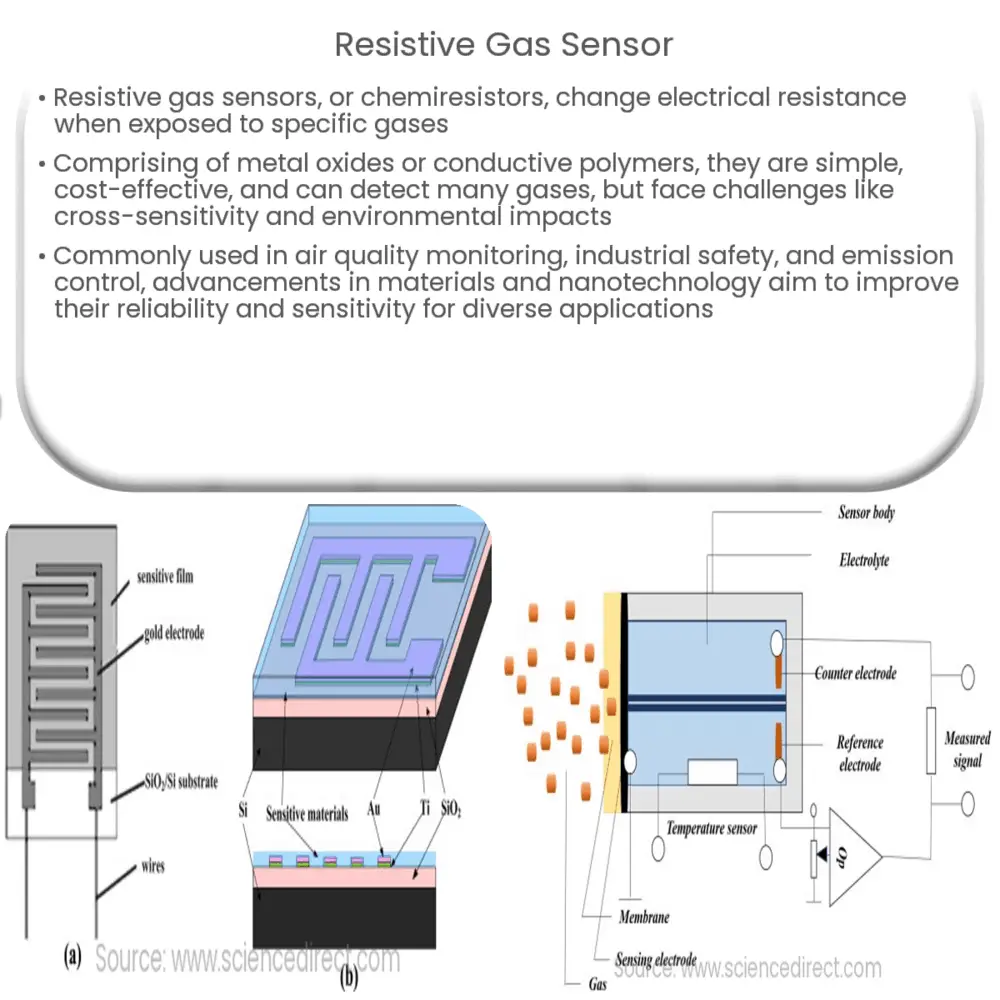
Resistive gas sensors are affordable, versatile devices that detect target gases by altering electrical resistance, used in air quality monitoring, industrial safety, and automotive emissions.

Ultrasonic gas sensors detect leaks & monitor concentrations using high-frequency sound waves, offering high sensitivity, fast response, & low maintenance.

A semiconductor fuse is a fast-acting, compact protective device designed to safeguard sensitive electronic components from overcurrents and short circuits.
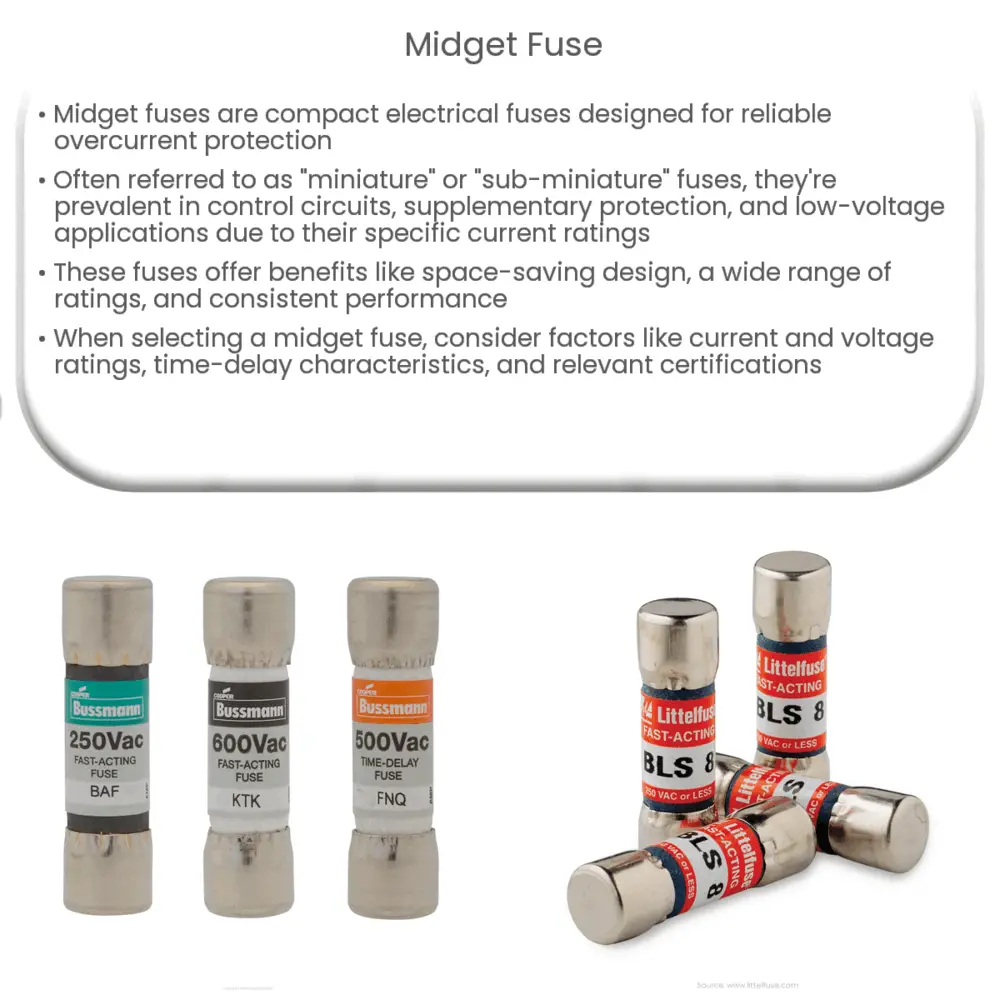
Midget fuses are compact, cylindrical electrical fuses designed for overcurrent protection in control circuits, low-voltage devices, and as supplementary protection.

Medium voltage fuses safeguard electrical systems by interrupting current flow during overcurrents or short circuits, ensuring safety and reliability.

Explore the role, function, and types of high voltage fuses. Learn about their selection, maintenance, and significance in electrical safety.

Low voltage fuses safeguard electrical systems by interrupting overcurrents, protecting devices from short circuits and overload events.
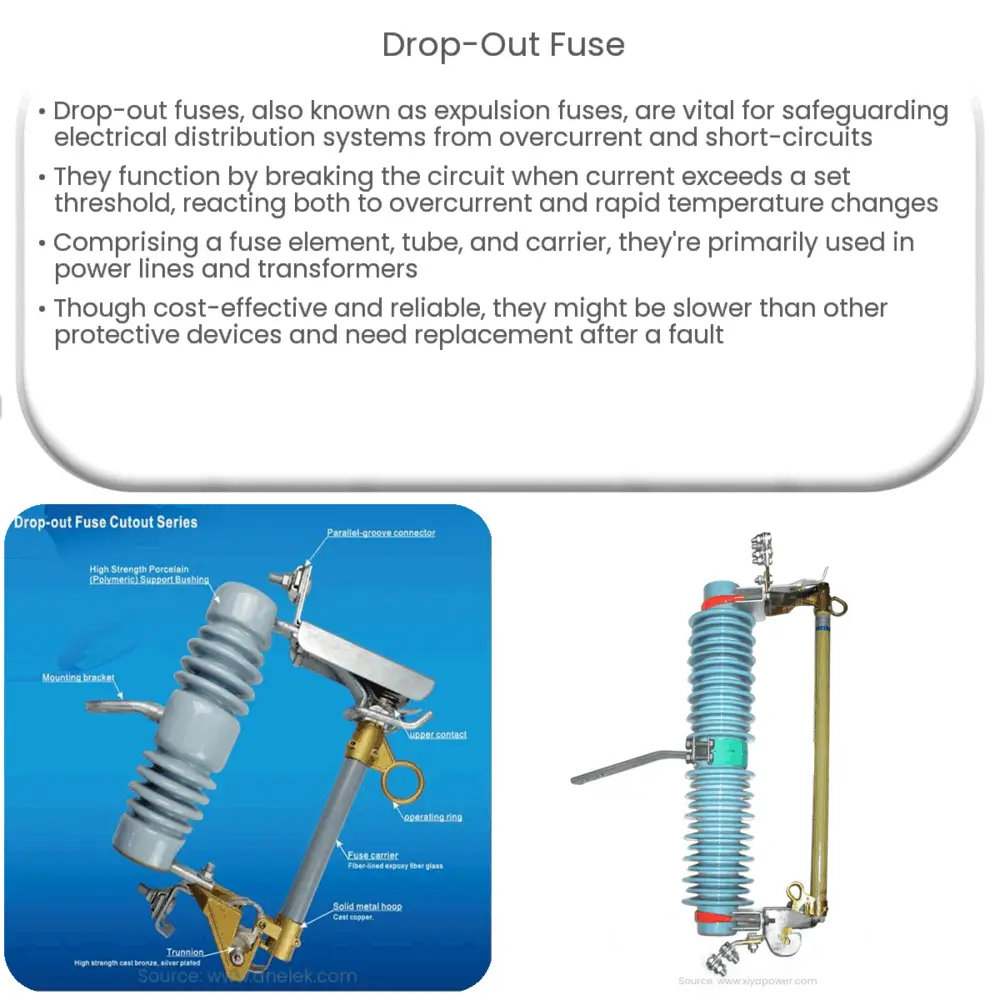
A drop-out fuse is a safety device that interrupts excessive electrical currents in power distribution systems, protecting equipment from damage.

The primary purpose of this project is to help the public to learn some exciting and important information about electricity and magnetism.
Our Website follows all legal requirements to protect your privacy. Visit our Privacy Policy page.
The Cookies Statement is part of our Privacy Policy.
The information contained on this website is for general information purposes only. This website does not use any proprietary data. Visit our Editorial note.
It’s simple:
1) You may use almost everything for non-commercial and educational use.
2) You may not distribute or commercially exploit the content, especially on another website.
