
Photomultiplier tube

Photomultiplier tubes are sensitive light detectors that amplify faint signals, used in scientific research, medical imaging, and environmental monitoring.
Photomultiplier tubes are sensitive light detectors that amplify faint signals, used in scientific research, medical imaging, and environmental monitoring.
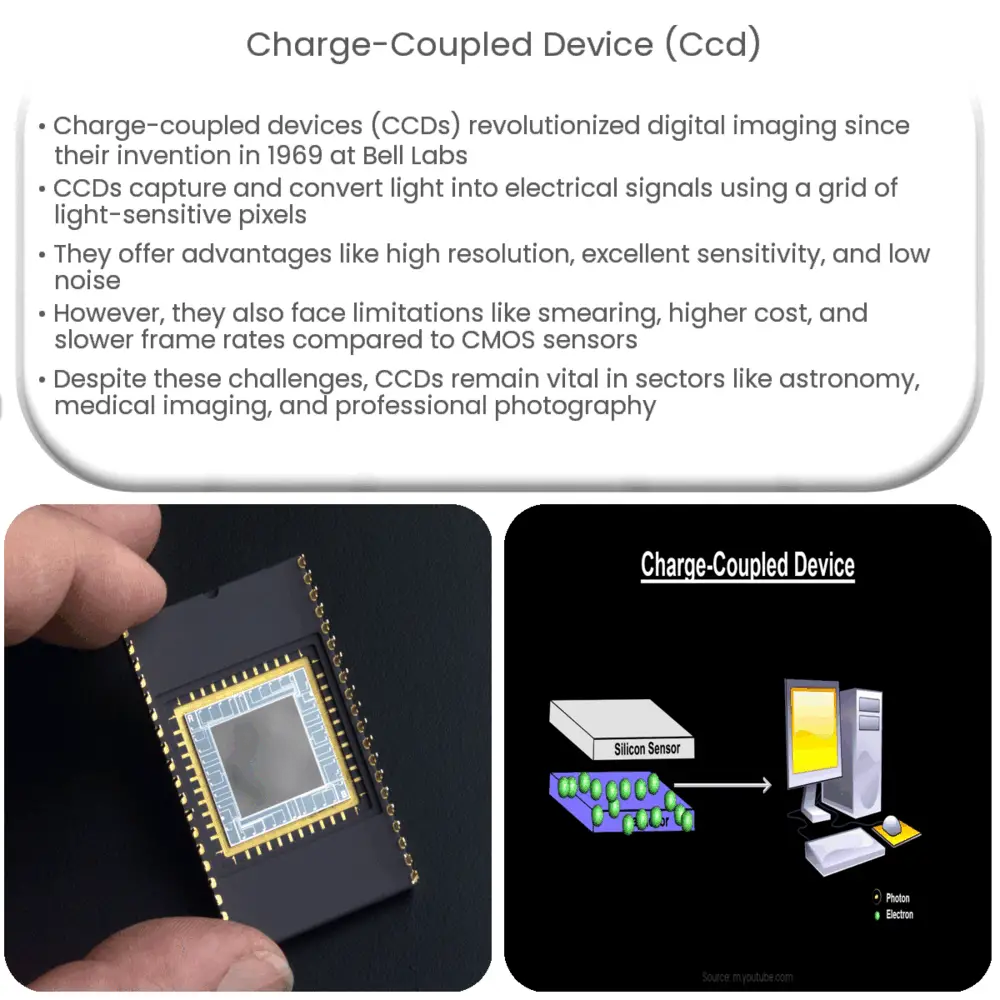
CCDs are semiconductor devices that capture and convert light into digital images, offering high resolution, sensitivity, and low noise in various applications.
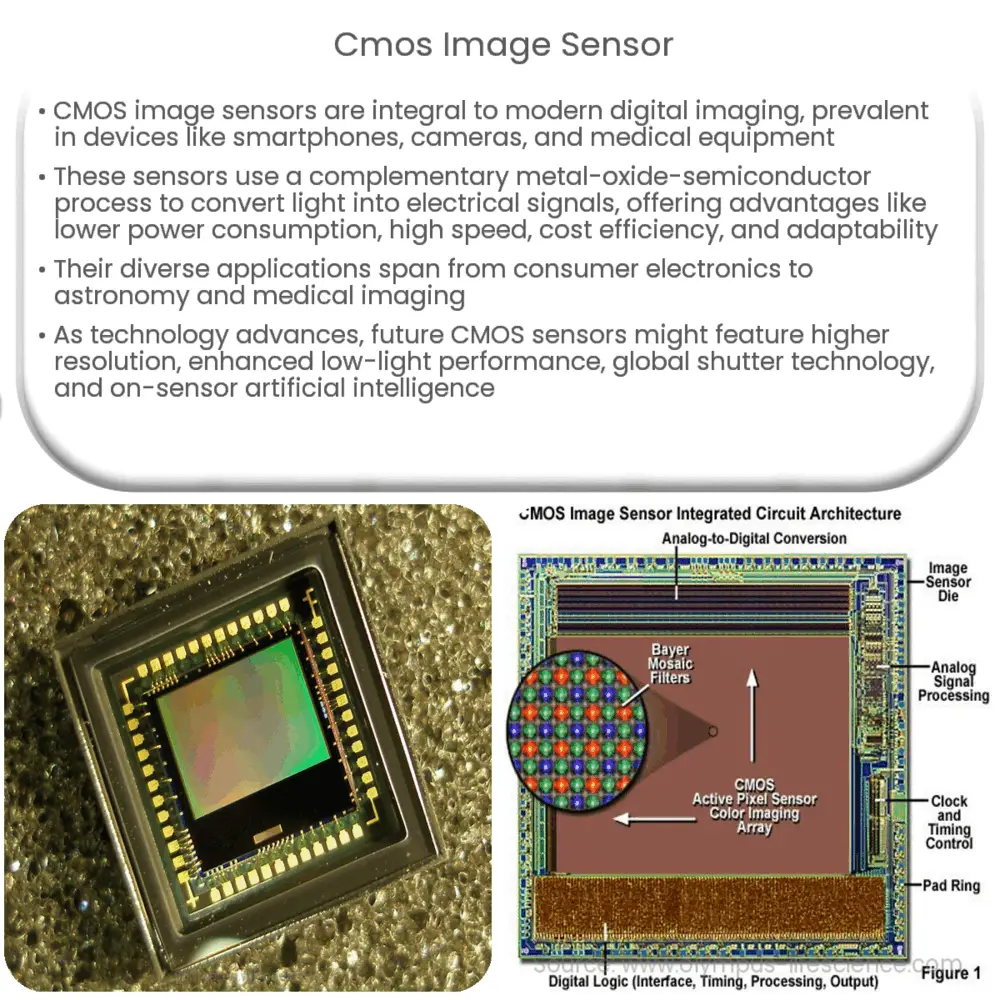
CMOS image sensors are key components in digital imaging, known for high image quality, low power consumption, and cost efficiency in various applications.

Ionization chambers are devices that detect ionizing radiation, used in research, nuclear power, medical imaging, and environmental monitoring.
The Geiger-Müller counter is a device that detects and measures ionizing radiation, widely used in research, environmental monitoring, and safety applications.

Explore the world of bicycle generators: how they work, their applications, challenges, and role in promoting sustainable energy.

Explore the revolutionary world of superconducting motors, their types, advantages, applications, challenges, and potential future impact.

A scintillation detector detects ionizing radiation using a scintillator material, which converts radiation energy into light, enabling precise measurements.

Colorimetric humidity sensors use materials that change color with varying humidity, offering a visually detectable, reversible, and sensitive solution for moisture monitoring.
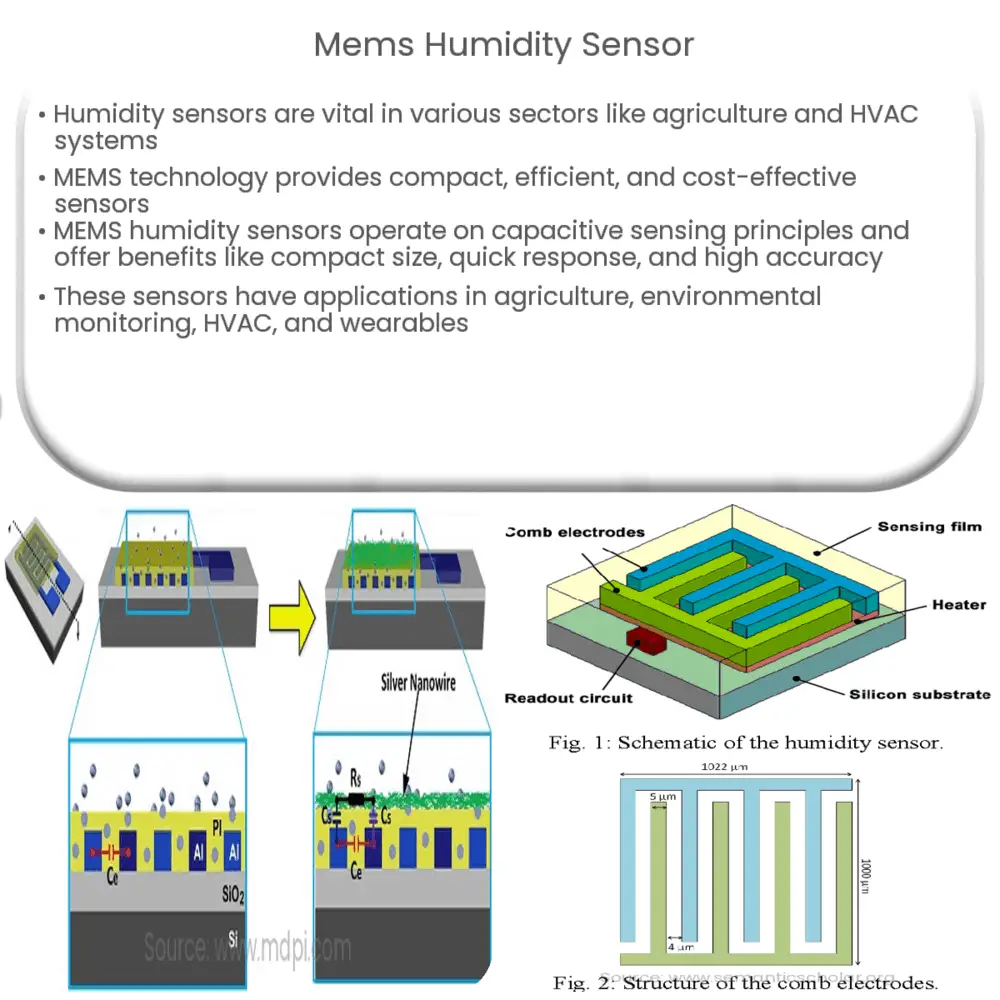
MEMS humidity sensors offer compact, low-power, and cost-effective solutions for various applications, from agriculture to wearable tech.

The primary purpose of this project is to help the public to learn some exciting and important information about electricity and magnetism.
Our Website follows all legal requirements to protect your privacy. Visit our Privacy Policy page.
The Cookies Statement is part of our Privacy Policy.
The information contained on this website is for general information purposes only. This website does not use any proprietary data. Visit our Editorial note.
It’s simple:
1) You may use almost everything for non-commercial and educational use.
2) You may not distribute or commercially exploit the content, especially on another website.
