
Explore the importance of Dielectric Constant Measurement Systems, how they work, and their role in modern technological advances.
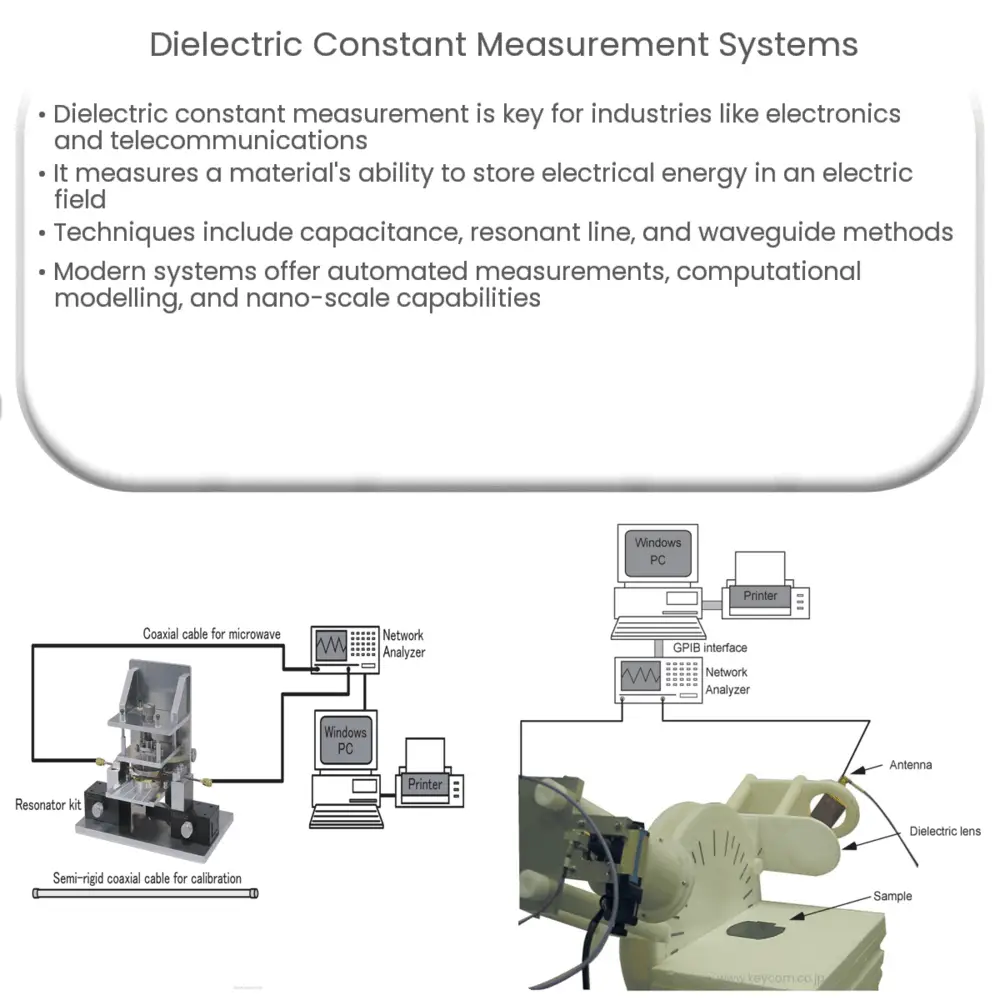
Understanding Dielectric Constant Measurement Systems
The term “Dielectric Constant” may sound a bit technical to those unfamiliar with physics and electrical engineering. It refers to a measure of a material’s ability to store electrical energy in an electric field. A material with a high dielectric constant supports more electrostatic field energy for the same amount of charge. This characteristic is crucial for many industries, including electronics, telecommunications, medical diagnostics, and materials science.
Determining Dielectric Constant: Why it Matters?
Whether it’s designing the latest smartphones or developing high-speed telecommunications networks, knowing the dielectric constant of materials involved is essential. It directly impacts the performance of electronic devices, radio waves propagation and even the effectiveness of certain biomedical imaging techniques. Thus, understanding this property and being able to measure it accurately is vital in these and many other fields.
The Science Behind Dielectric Constant Measurement Systems
Dielectric constant measurement systems employ various methods to determine this property. Common techniques include the capacitance method, resonant line method, and waveguide method. These techniques essentially measure how a material interacts with an electric field and then use this information to calculate the dielectric constant.
- Capacitance Method: This technique involves placing the material between the plates of a capacitor and measuring the capacitance with and without the material present. The dielectric constant can then be calculated from the ratio of these two capacitance values.
- Resonant Line Method: In this approach, the material is placed inside a resonant line (an electrical circuit designed to resonate at a specific frequency). The change in resonant frequency caused by the material indicates its dielectric constant.
- Waveguide Method: This method involves placing the material inside a waveguide (a structure used to guide waves, such as electromagnetic waves). The changes in transmitted and reflected waves are then measured to determine the dielectric constant.
Each method has its pros and cons, and the choice of which to use often depends on the specific requirements of the application.
Modern Advances in Dielectric Constant Measurement Systems
As technology continues to advance, so too does the sophistication of dielectric constant measurement systems. Today, these systems are more accurate, efficient, and versatile than ever before. Advanced systems have incorporated capabilities for automated measurements, integrated computational modelling, and even capabilities for handling nano-scale materials. This progression has enabled further in-depth research and development across various industries.
- Automated Measurements: Modern systems can often perform measurements automatically, significantly reducing the time and effort required and enhancing accuracy.
- Computational Modelling: Integrated computational modelling allows for the simulation of dielectric properties under different conditions, providing valuable insight and helping to guide experimental research.
- Nano-scale Measurement Capabilities: As technology shrinks, the need to measure dielectric properties at the nano-scale has grown. Modern systems are increasingly capable of meeting this need.
Choosing the Right Dielectric Constant Measurement System
With so many different systems available, choosing the right one can seem daunting. However, the key is to match the capabilities of the system to the specific needs of your application. Consider factors such as the required level of accuracy, the range of materials you’ll be working with, and the environmental conditions under which measurements will be made. Always remember, the right system can drastically improve your work’s effectiveness and efficiency.
Conclusion
Dielectric constant measurement systems are integral tools in modern industry and research. They provide valuable insights into the properties of materials, guiding design and development processes across multiple fields. While these systems may be complex, the benefits they offer in terms of accuracy, efficiency, and versatility are immense. With continued advancements in technology, it is clear that these systems will play an even more significant role in the future, leading to new breakthroughs and innovations.