
What is the role of a capacitor in a differentiator circuit?

In a differentiator circuit, a capacitor allows higher frequency components to pass through while attenuating lower frequencies, enabling differentiation.
In a differentiator circuit, a capacitor allows higher frequency components to pass through while attenuating lower frequencies, enabling differentiation.

An op-amp integrator circuit performs mathematical integration of an input signal using an operational amplifier, resistor, and capacitor.

In an integrator circuit, a capacitor accumulates the input signal over time, performing mathematical integration and affecting the time constant.

Capacitors and inductors help in voltage regulation by smoothing voltage and current waveforms, filtering noise, and stabilizing output voltage.
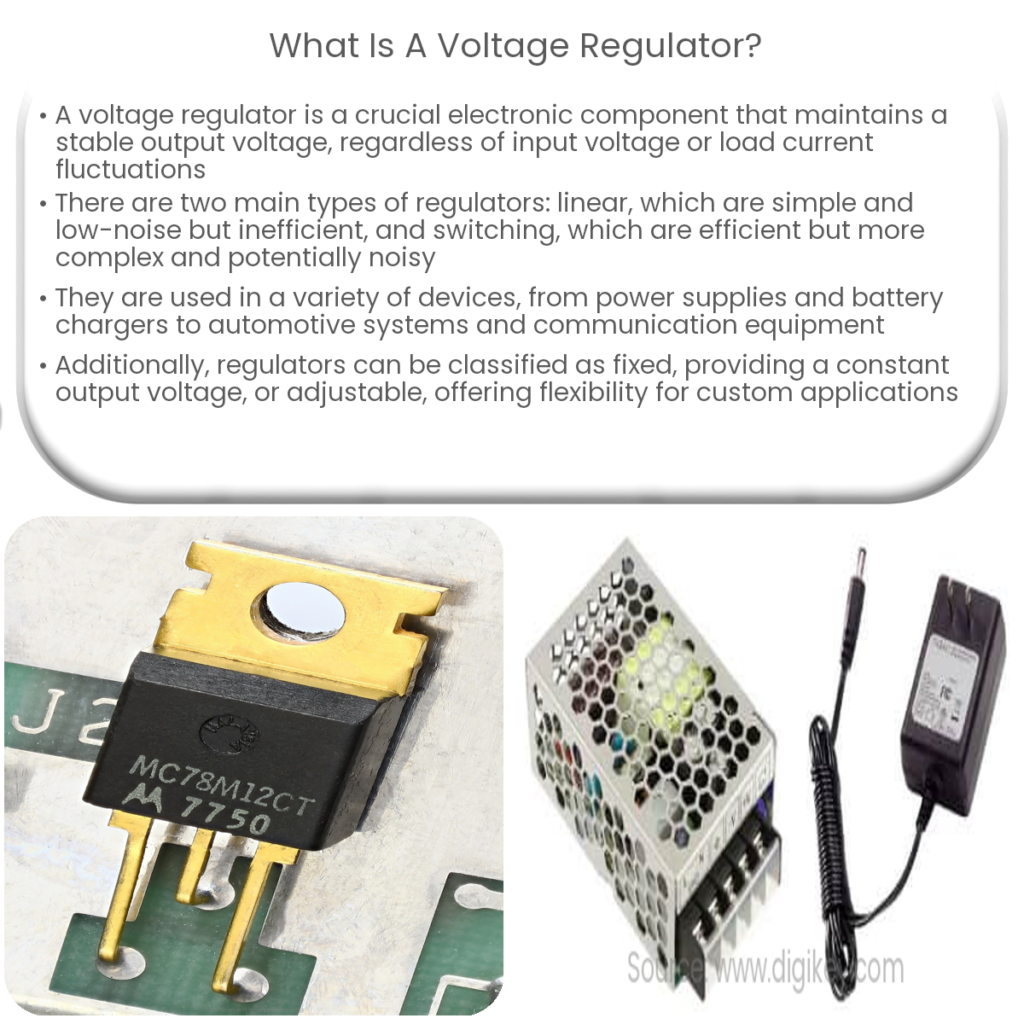
A voltage regulator is an electrical component that maintains a stable output voltage, preventing damage to sensitive electronics from voltage fluctuations.
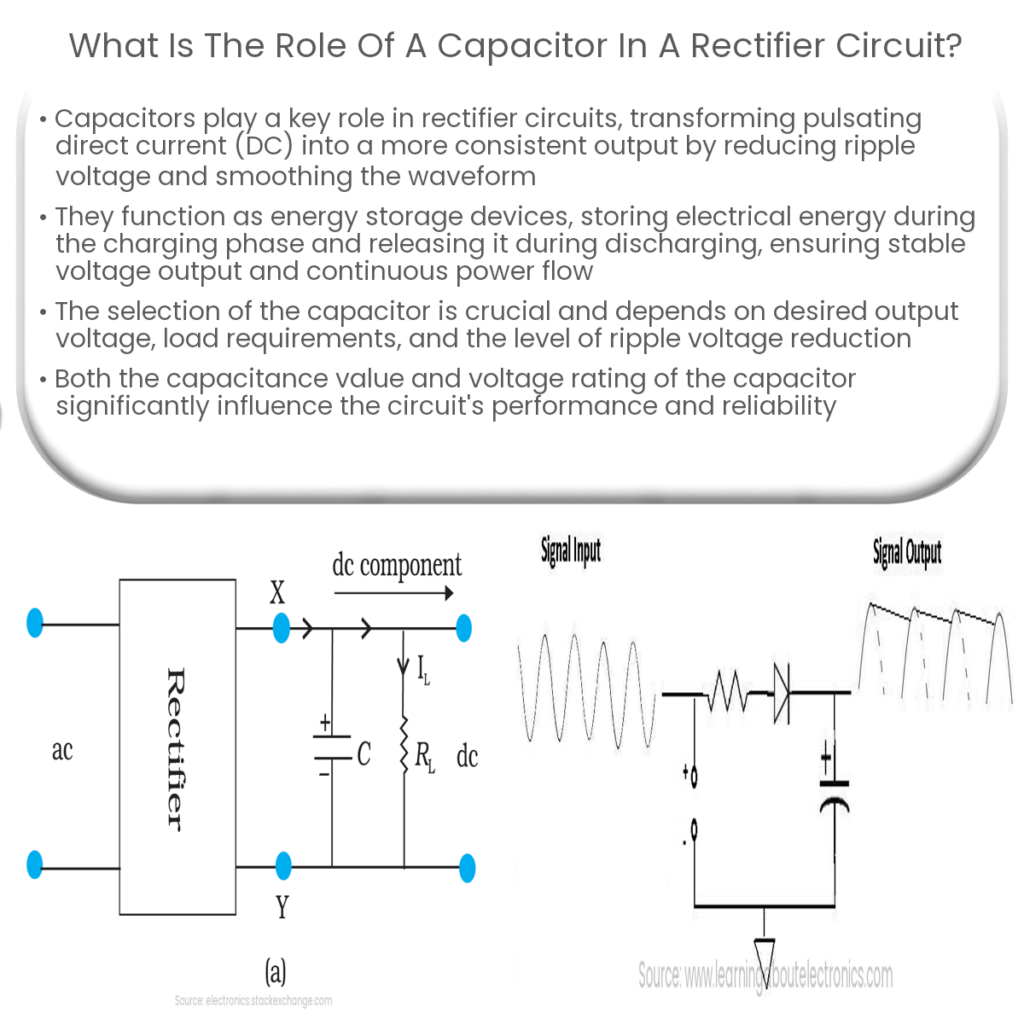
A capacitor in a rectifier circuit smooths the pulsating DC output, reduces ripple voltage, and provides continuous power to the load.

Half-wave rectifiers convert only one half of the AC waveform, while full-wave rectifiers utilize both halves, offering higher efficiency and smoother output.
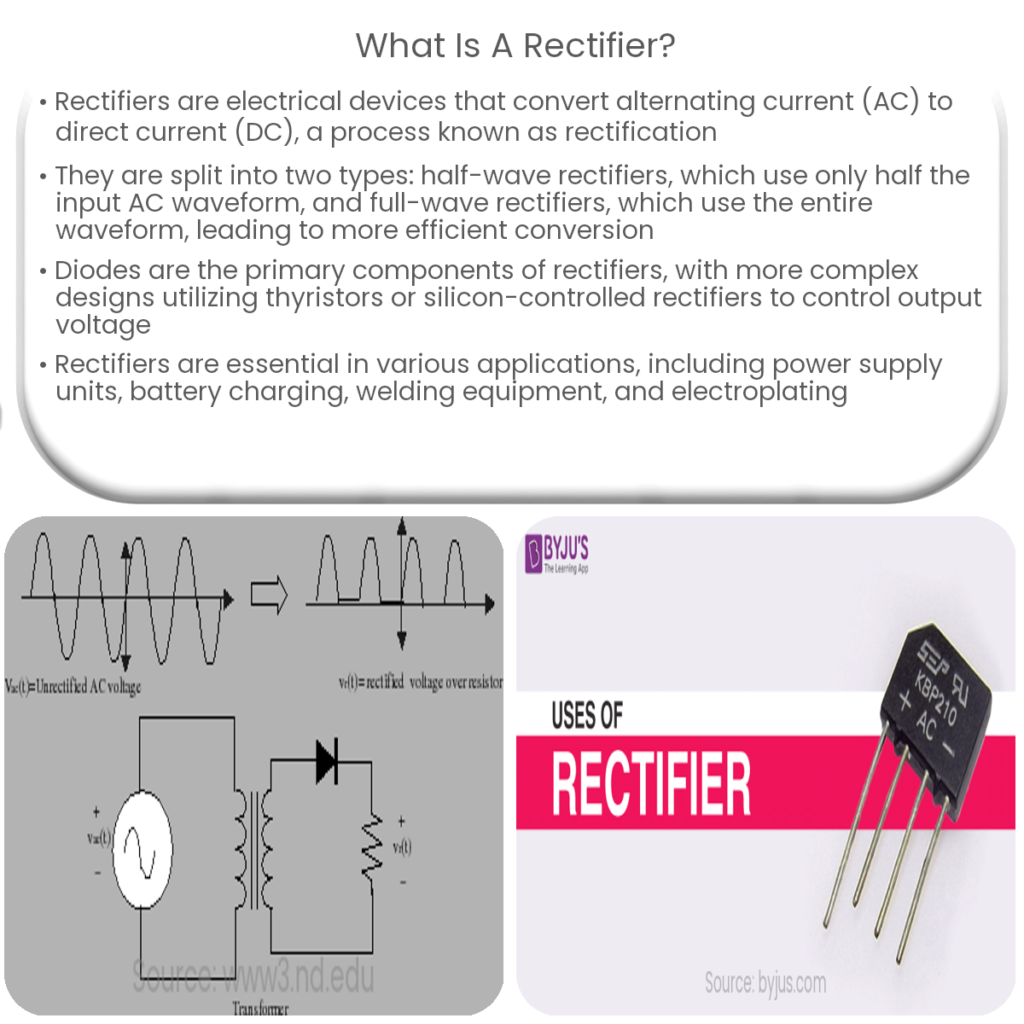
A rectifier is an electrical device that converts alternating current (AC) to direct current (DC), used in power supplies, battery charging, and more.
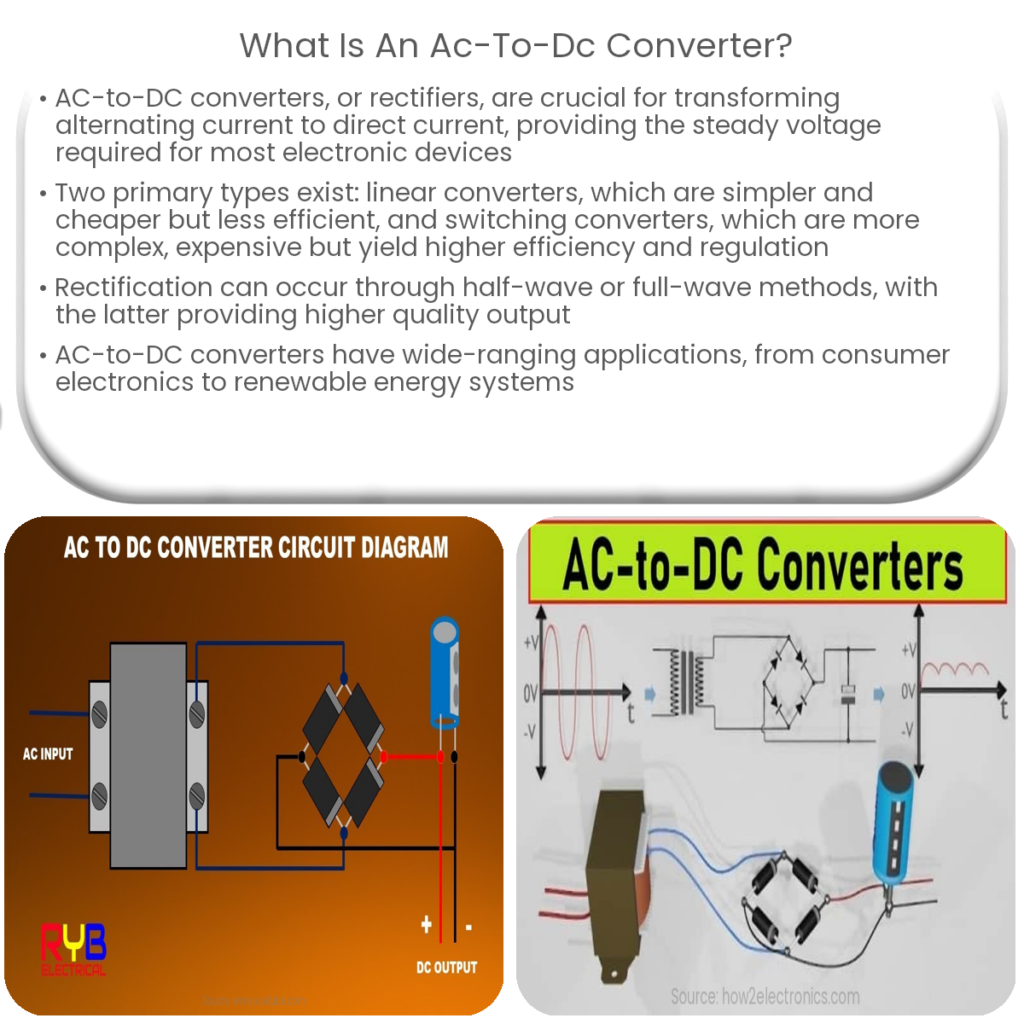
An AC-to-DC converter, or rectifier, is an electronic device that converts alternating current (AC) input to direct current (DC) output for device operation.
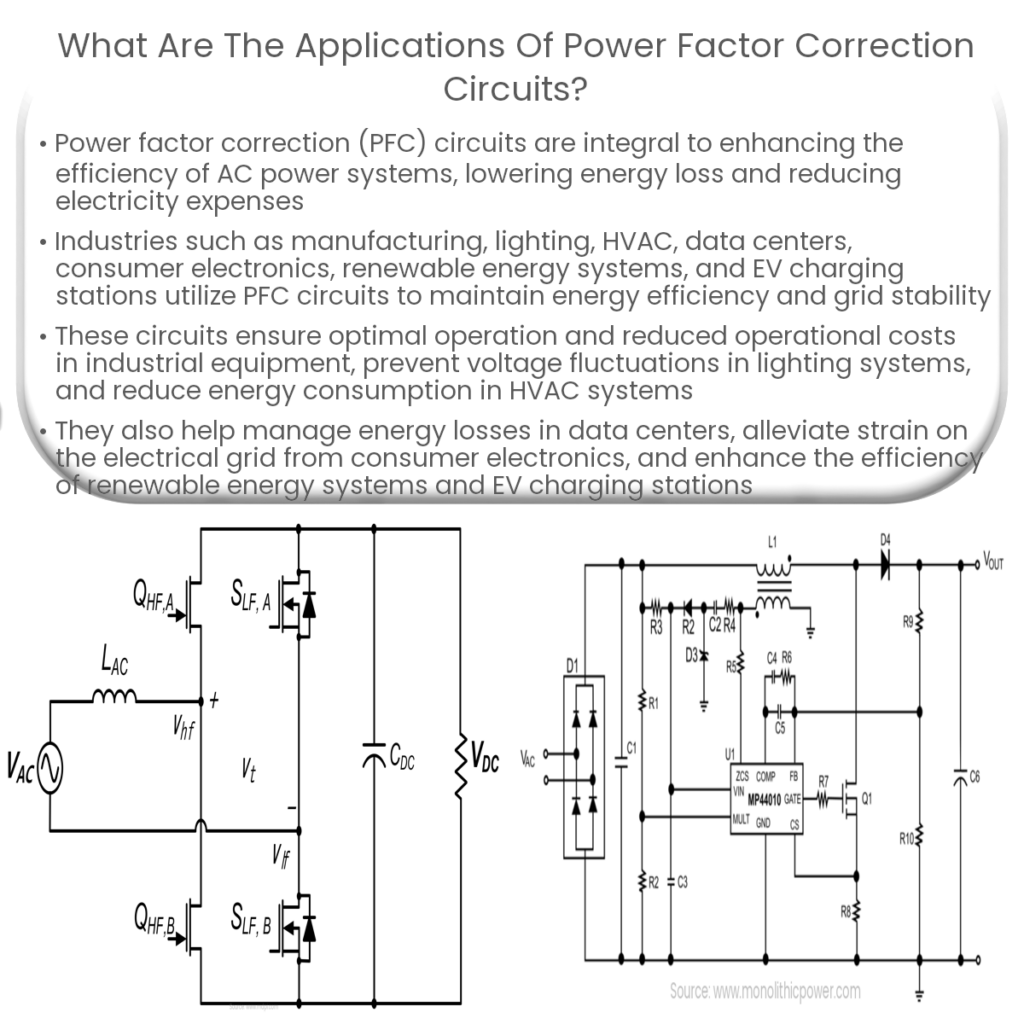
Power factor correction circuits are used in industrial equipment, lighting, HVAC systems, data centers, consumer electronics, renewable energy systems, and EV charging stations.

The primary purpose of this project is to help the public to learn some exciting and important information about electricity and magnetism.
Our Website follows all legal requirements to protect your privacy. Visit our Privacy Policy page.
The Cookies Statement is part of our Privacy Policy.
The information contained on this website is for general information purposes only. This website does not use any proprietary data. Visit our Editorial note.
It’s simple:
1) You may use almost everything for non-commercial and educational use.
2) You may not distribute or commercially exploit the content, especially on another website.


