
What is a voltage divider?
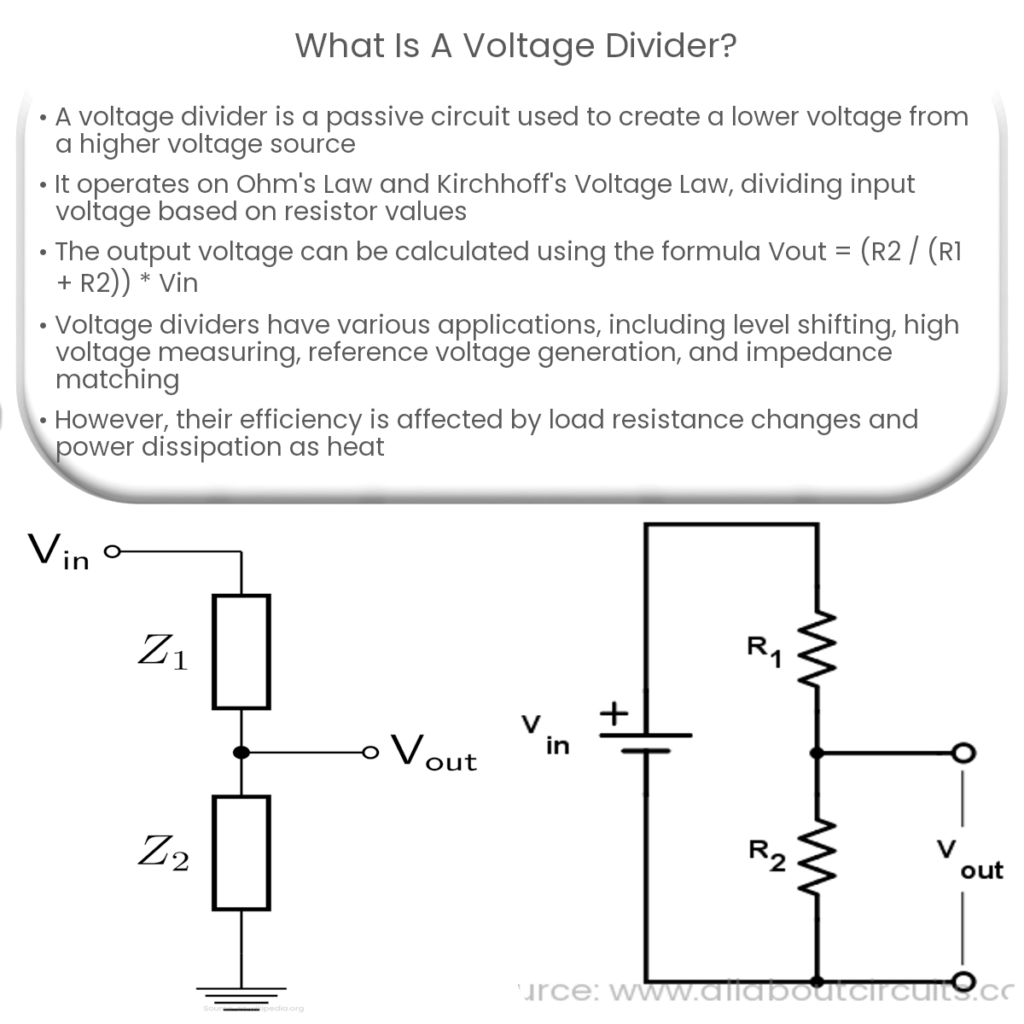
A voltage divider is a circuit that divides input voltage across two or more resistors, creating a desired output voltage for various applications.
A voltage divider is a circuit that divides input voltage across two or more resistors, creating a desired output voltage for various applications.
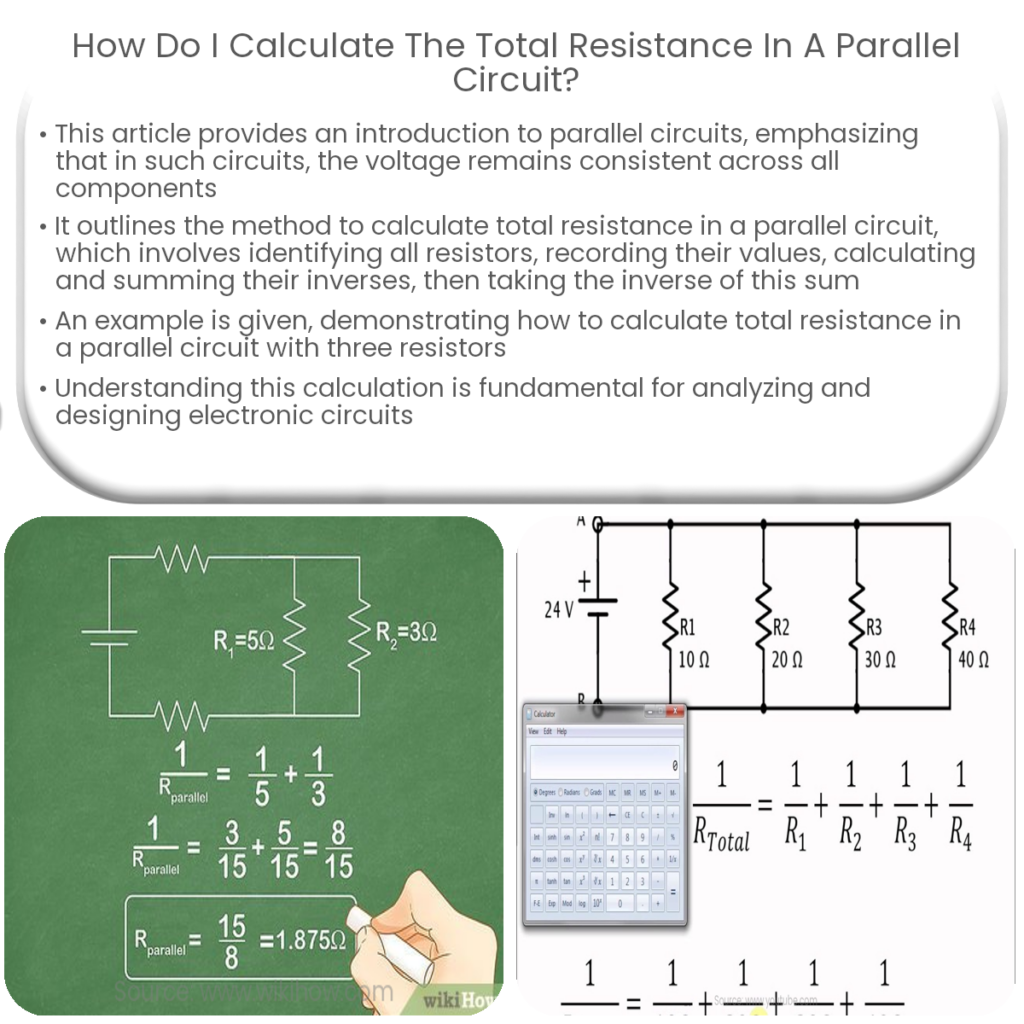
For a parallel circuit, calculate total resistance by finding the inverse of the sum of the inverses of individual resistances (Rₜ = 1/Σ(1/Rᵢ)).

To calculate total resistance in a series circuit, simply add the individual resistance values of all resistors connected in series (R₁ + R₂ + … + Rₙ).

Resistors in circuits control current flow, divide voltage, simulate loads, establish timing and filtering characteristics, and bias active components.
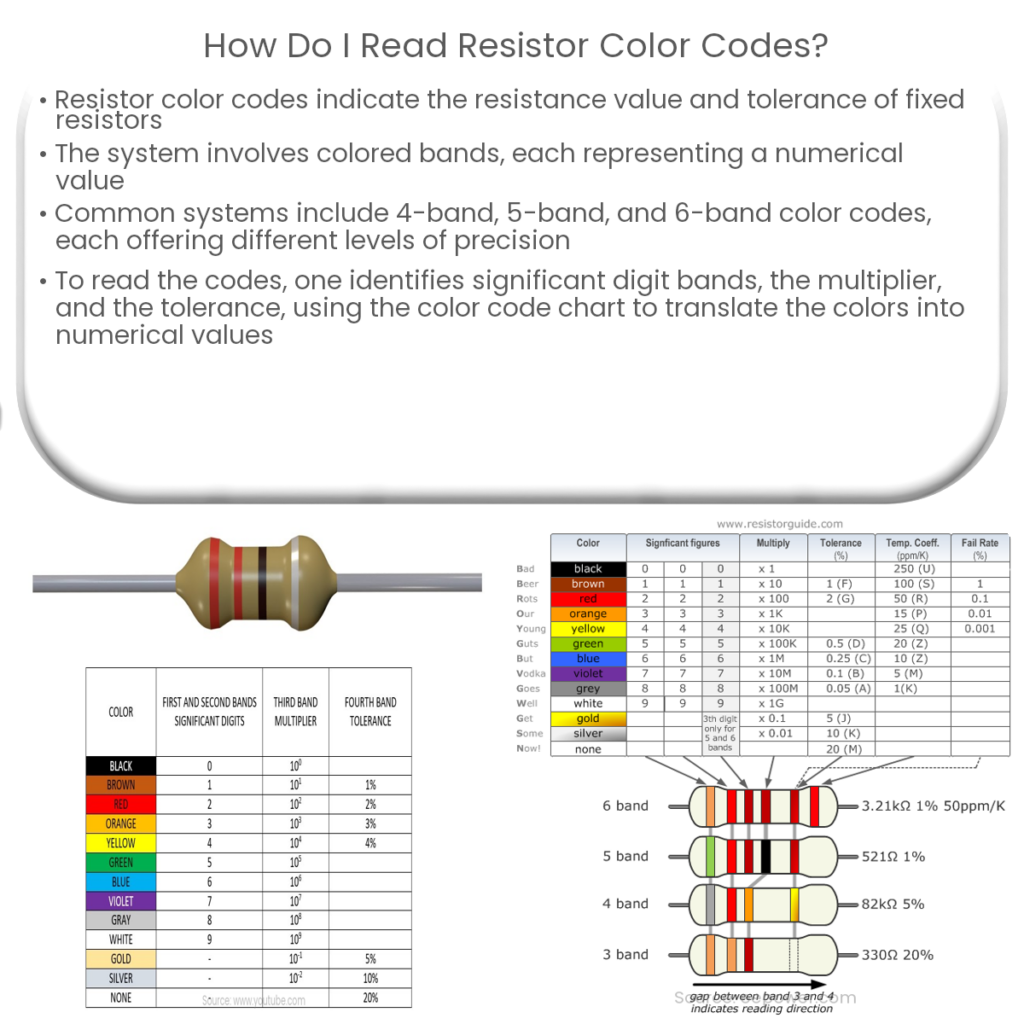
Resistor color codes use colored bands to indicate resistance value and tolerance. Read the bands in sequence and use a chart to translate the values.

Resistors are classified into fixed, variable, and specialized types, such as carbon film, metal film, wirewound, thermistors, LDRs, and varistors.
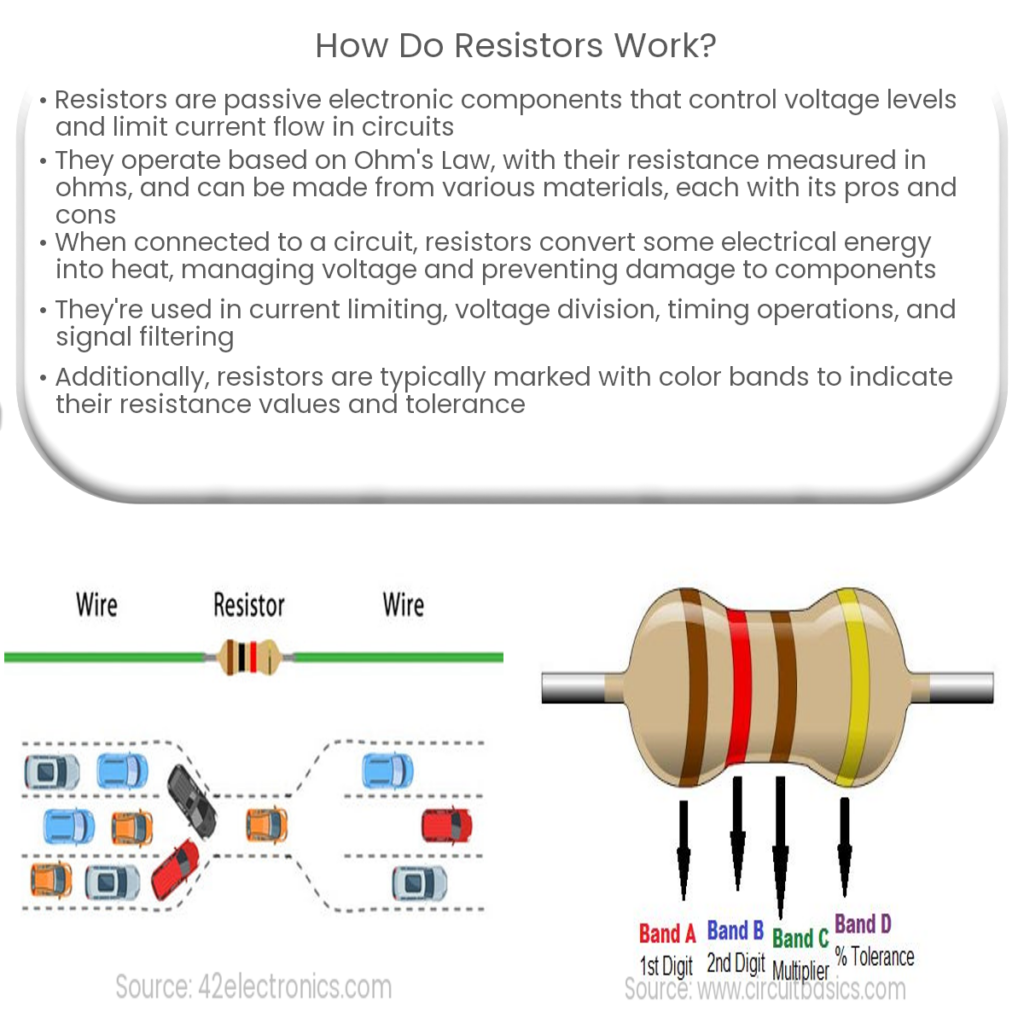
Resistors work by impeding the flow of electric current, following Ohm’s Law, and converting electrical energy into heat in various applications.

A resistor is an electronic component that controls and regulates electric current flow in circuits by providing a specific level of resistance.
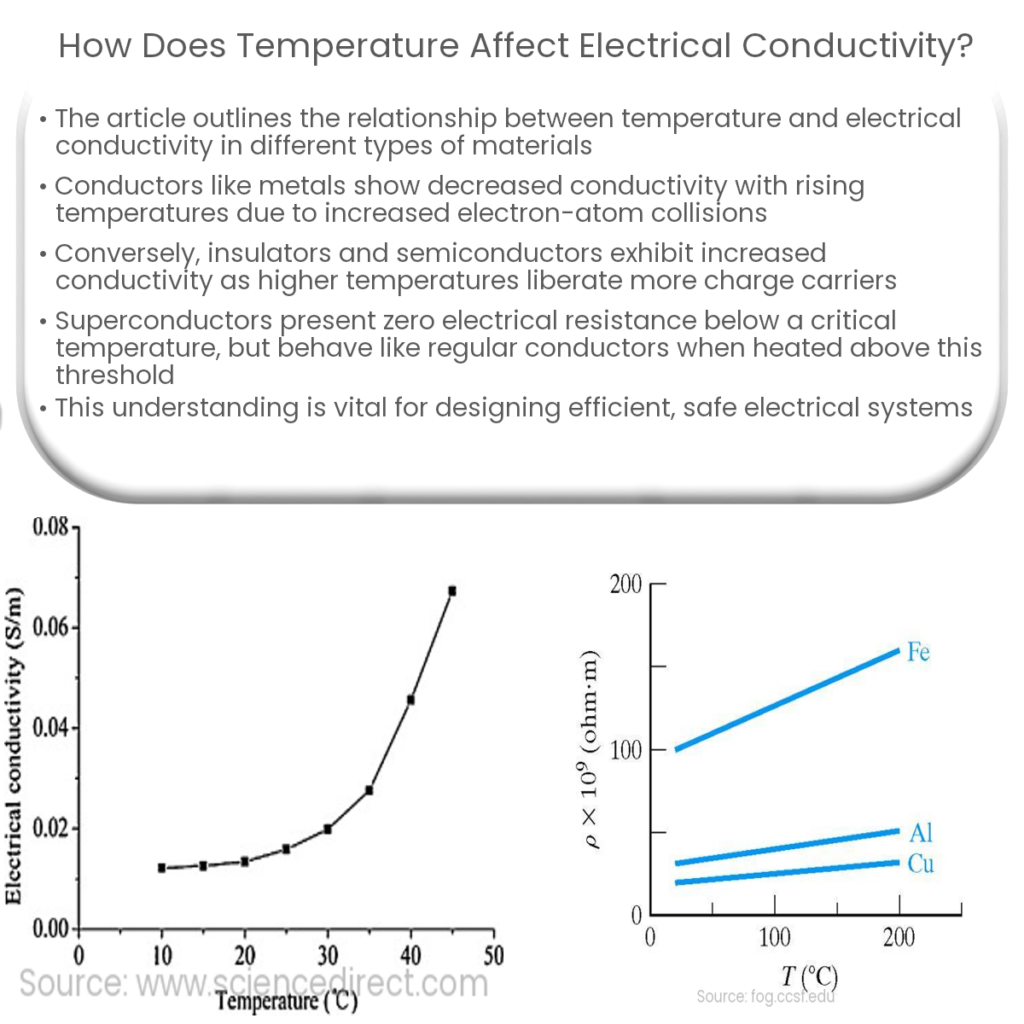
Temperature affects conductivity differently: in metals, it decreases with rising temperature, while in semiconductors and insulators, it increases.

Electrical conductivity is a material’s ability to conduct electric current, influenced by material type, temperature, and impurities.

The primary purpose of this project is to help the public to learn some exciting and important information about electricity and magnetism.
Our Website follows all legal requirements to protect your privacy. Visit our Privacy Policy page.
The Cookies Statement is part of our Privacy Policy.
The information contained on this website is for general information purposes only. This website does not use any proprietary data. Visit our Editorial note.
It’s simple:
1) You may use almost everything for non-commercial and educational use.
2) You may not distribute or commercially exploit the content, especially on another website.


