
What is a capacitor?

A capacitor is a passive electronic component that stores electrical energy in an electric field between its conductive plates.
A capacitor is a passive electronic component that stores electrical energy in an electric field between its conductive plates.
The relationship between inductance, voltage, and current is defined by V = L × (dI/dt), influencing circuit behavior, filters, energy storage, and regulation.
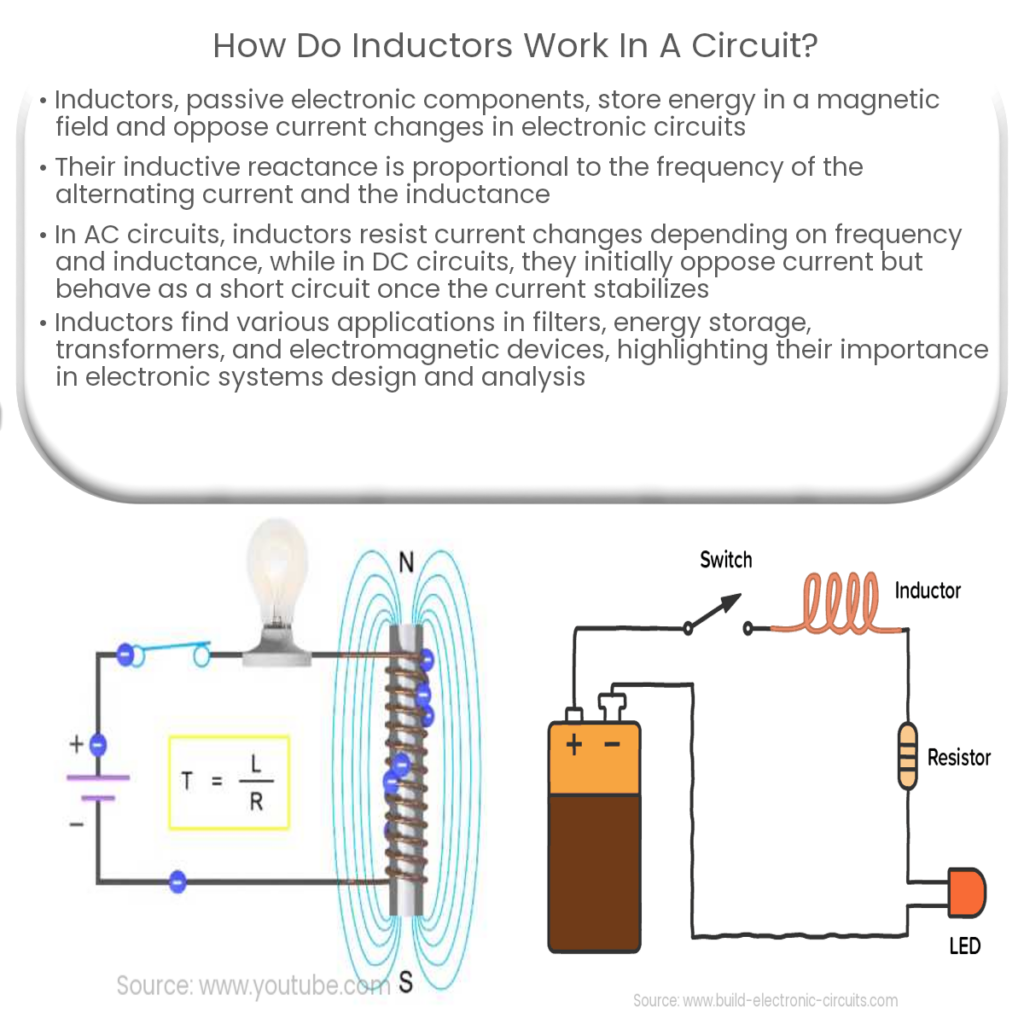
Inductors store energy in a magnetic field, oppose current changes, and are used in filters, energy storage, transformers, and electromagnetic devices.

Consider voltage requirements, current capacity, efficiency, noise performance, thermal management, and additional features when choosing a regulator.
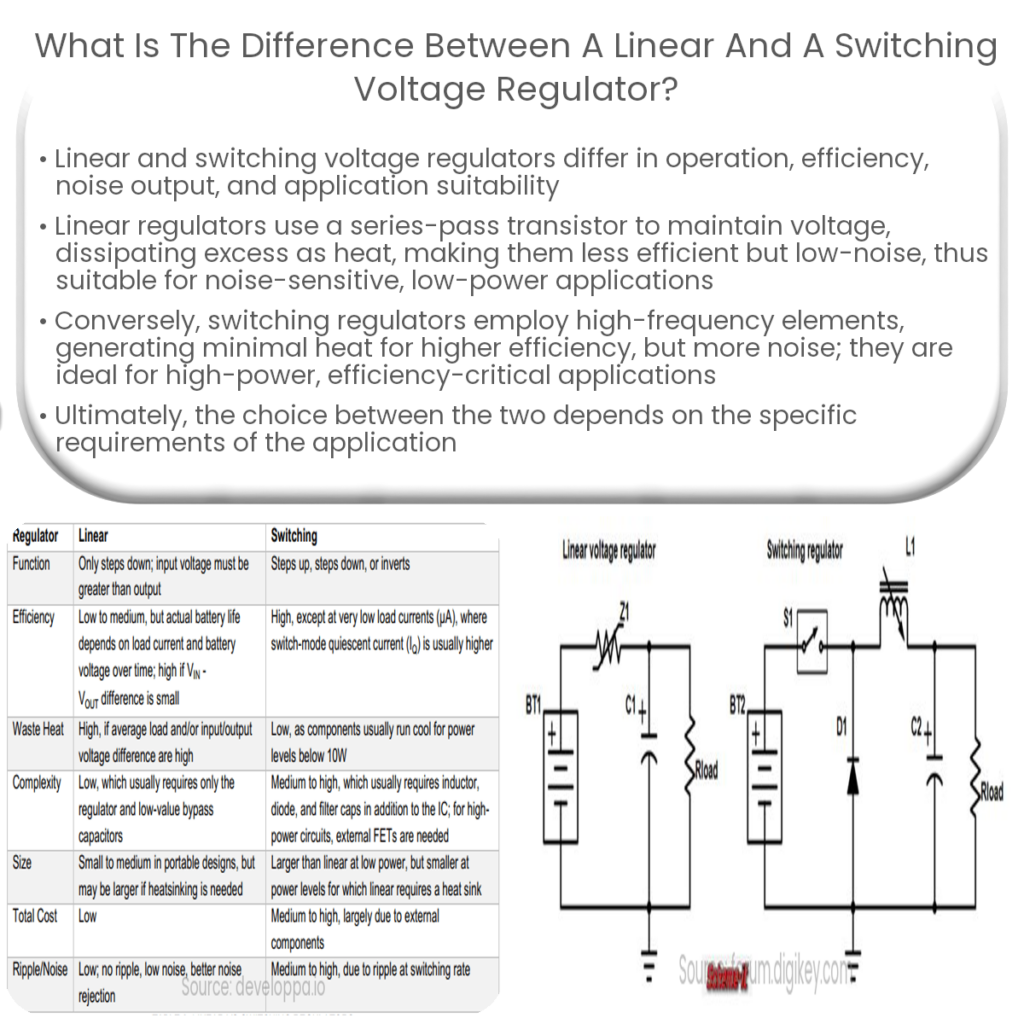
Linear regulators use a series-pass transistor for constant output, while switching regulators use high-frequency elements for higher efficiency.
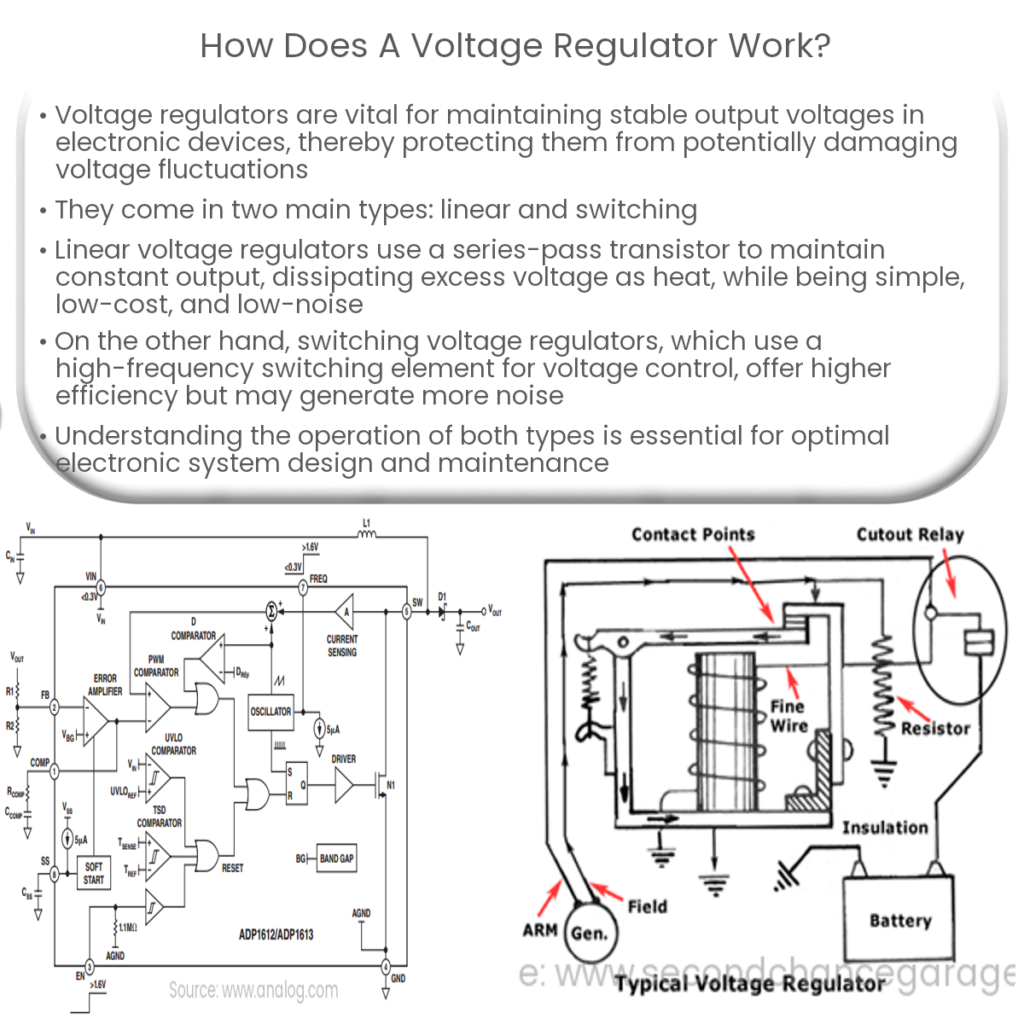
Voltage regulators maintain a constant output voltage by adjusting resistance or using high-frequency switching elements to counter fluctuations.

Install GFCI outlets in kitchens, bathrooms, laundry rooms, garages, outdoor areas, unfinished basements, and wet bars to minimize electrical shock risk.

A GFCI works by monitoring current flow between hot and neutral wires, detecting imbalances, and quickly interrupting the circuit to prevent shock.
A GFCI is a safety device that detects ground faults and interrupts the current flow to prevent electrical shock, typically used near water sources.

Grounded systems provide a safe path for excess current, while ungrounded systems lack this feature, increasing the risk of shock, damage, and fires.

The primary purpose of this project is to help the public to learn some exciting and important information about electricity and magnetism.
Our Website follows all legal requirements to protect your privacy. Visit our Privacy Policy page.
The Cookies Statement is part of our Privacy Policy.
The information contained on this website is for general information purposes only. This website does not use any proprietary data. Visit our Editorial note.
It’s simple:
1) You may use almost everything for non-commercial and educational use.
2) You may not distribute or commercially exploit the content, especially on another website.


