How can I minimize EMI in my circuit design?
Minimize EMI in circuit design by grounding, keeping high-speed traces short, using differential signaling, shielding, filtering, strategic component placement, proper PCB layout, and ferrite beads.
Electromagnetic interference (EMI) is a disturbance affecting electrical circuits caused by external sources through radiation, conduction, or coupling.
Optocouplers are used in power supply regulation, industrial automation, motor control, digital logic interfaces, audio equipment, telecommunications, and medical devices.
Optocouplers work by transferring electrical signals between isolated circuits using light, providing protection against noise, voltage spikes, and ground loops.
An optocoupler is a device that uses light to electrically isolate two circuits while allowing them to communicate, preventing damage and hazards.
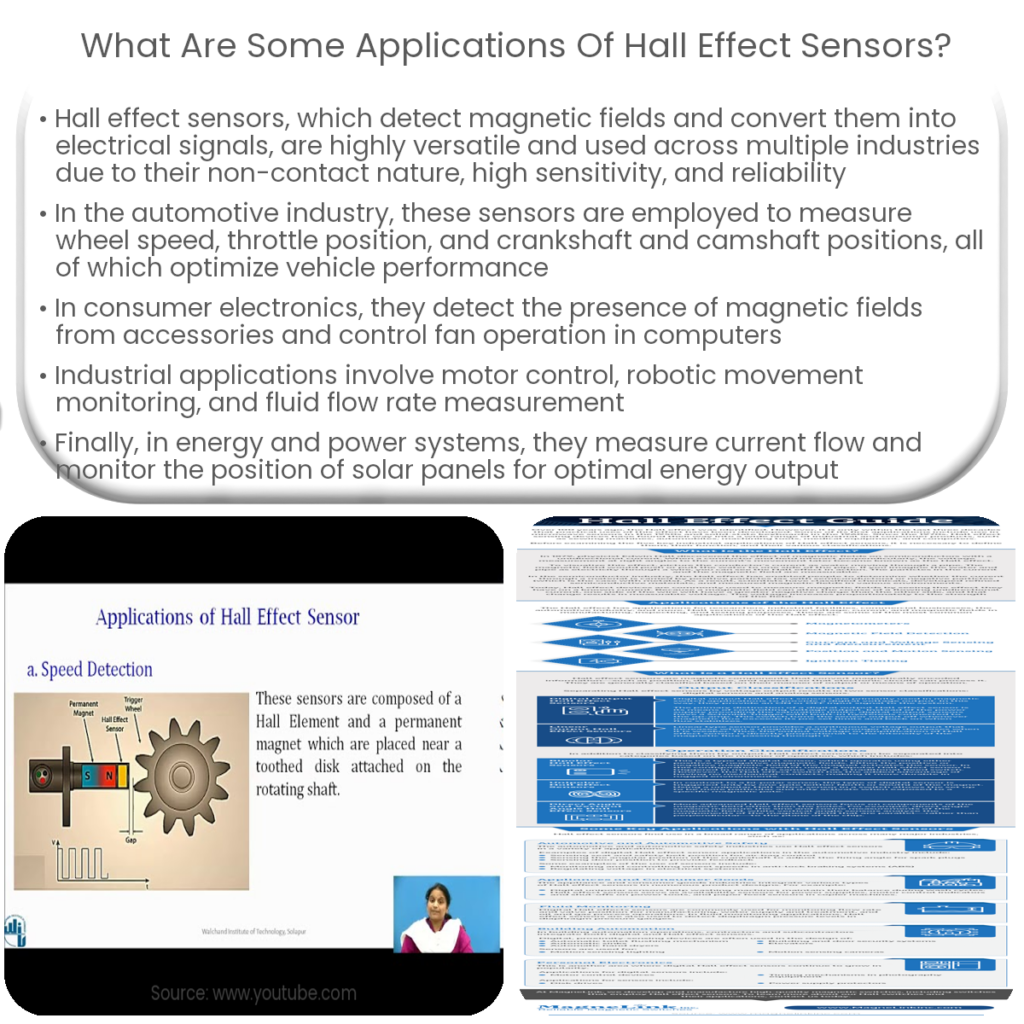
Hall effect sensors are used in automotive systems, consumer electronics, industrial automation, robotics, flow meters, and energy management systems.
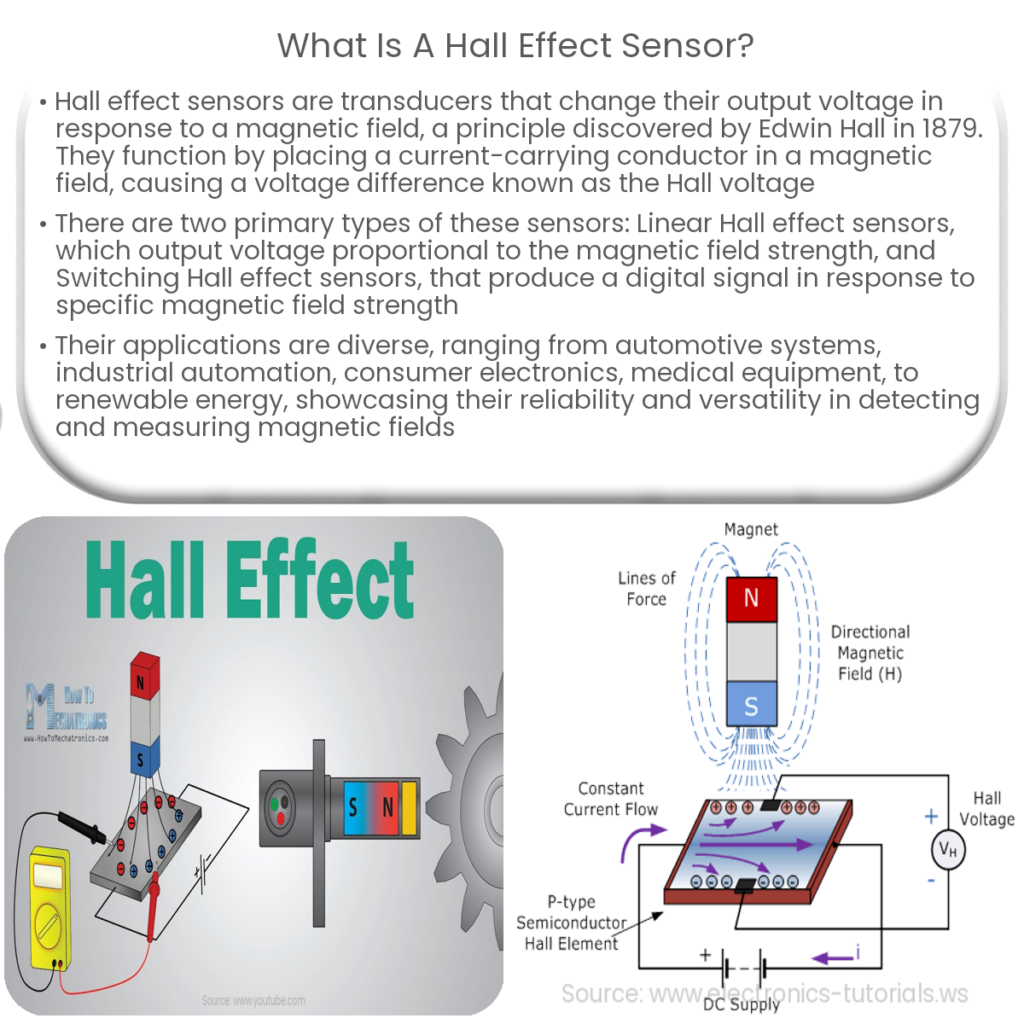
Hall effect sensors detect magnetic fields, convert them into electrical signals, and work in circuits with a Hall element, amplifier, and output stage.
A Hall effect sensor is a device that detects magnetic fields and produces an output voltage proportional to the field strength, used in various applications.
Piezoelectric sensors are used in vibration monitoring, pressure sensing, acoustic sensing, force measurement, medical applications, energy harvesting, and structural health monitoring.
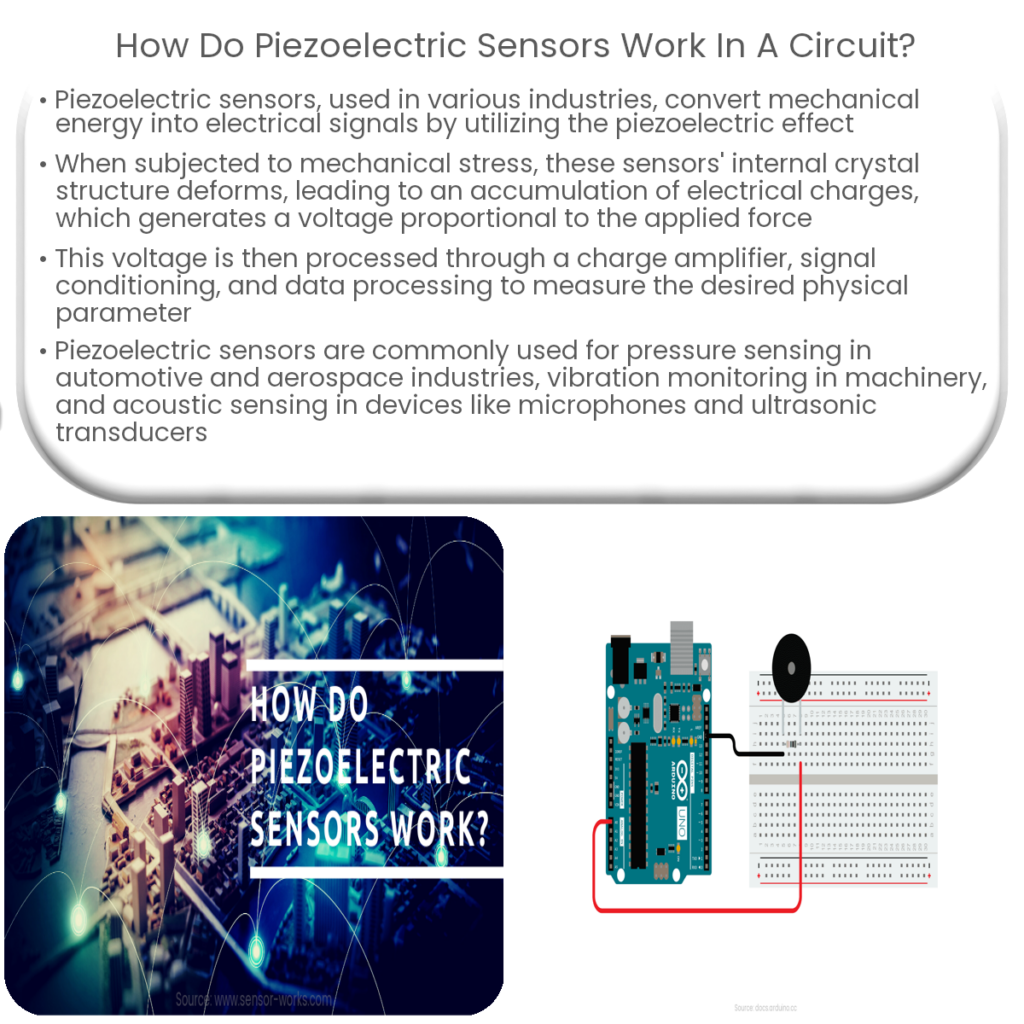
Piezoelectric sensors work in a circuit by converting mechanical stress into electrical signals, which are then amplified, conditioned, and processed.

The primary purpose of this project is to help the public to learn some exciting and important information about electricity and magnetism.
Our Website follows all legal requirements to protect your privacy. Visit our Privacy Policy page.
The Cookies Statement is part of our Privacy Policy.
The information contained on this website is for general information purposes only. This website does not use any proprietary data. Visit our Editorial note.
It’s simple:
1) You may use almost everything for non-commercial and educational use.
2) You may not distribute or commercially exploit the content, especially on another website.