
How do diodes work?
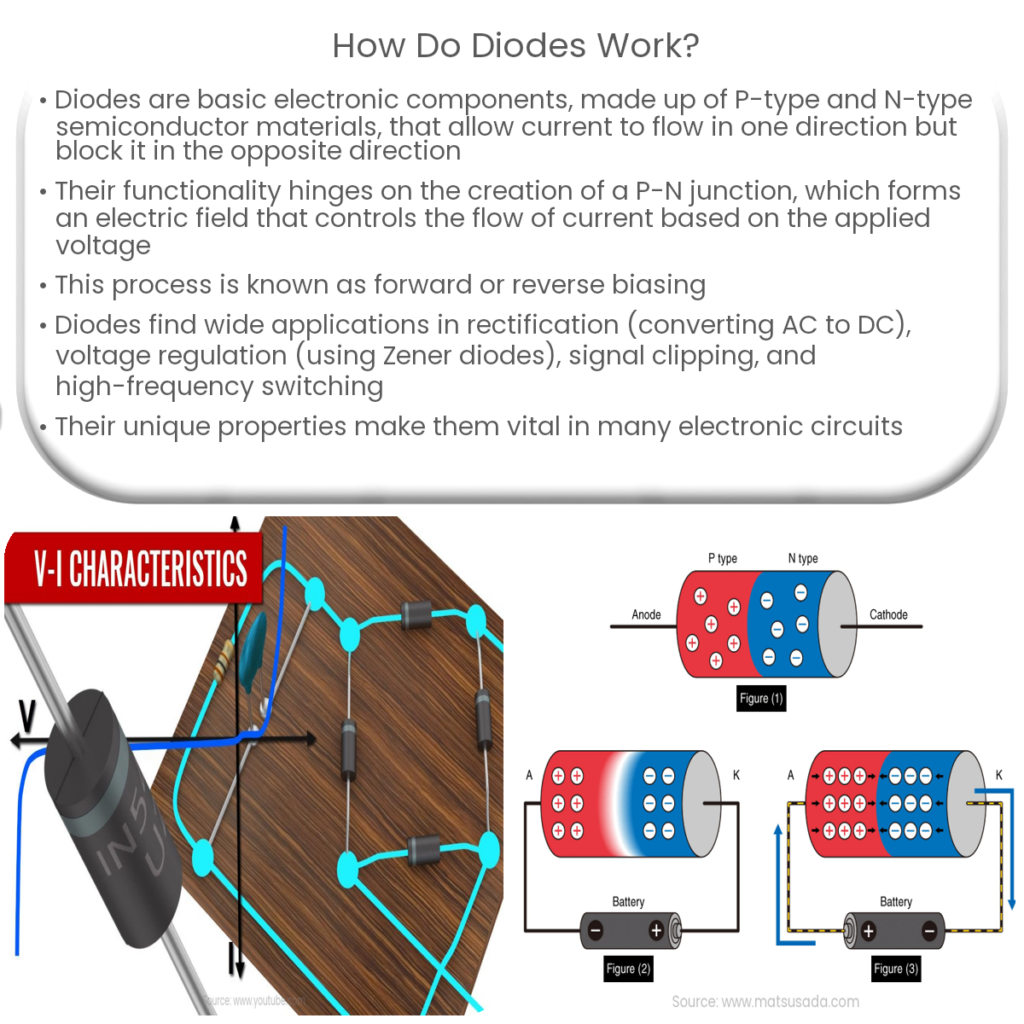
Diodes work by allowing current to flow in one direction while blocking it in the opposite, utilizing the properties of P-type and N-type materials.
Diodes work by allowing current to flow in one direction while blocking it in the opposite, utilizing the properties of P-type and N-type materials.

A semiconductor diode is a two-terminal device that allows current to flow in one direction while blocking it in the opposite direction.
A multimeter can measure current, voltage, and resistance by selecting the appropriate setting, connecting probes correctly, and reading the display.
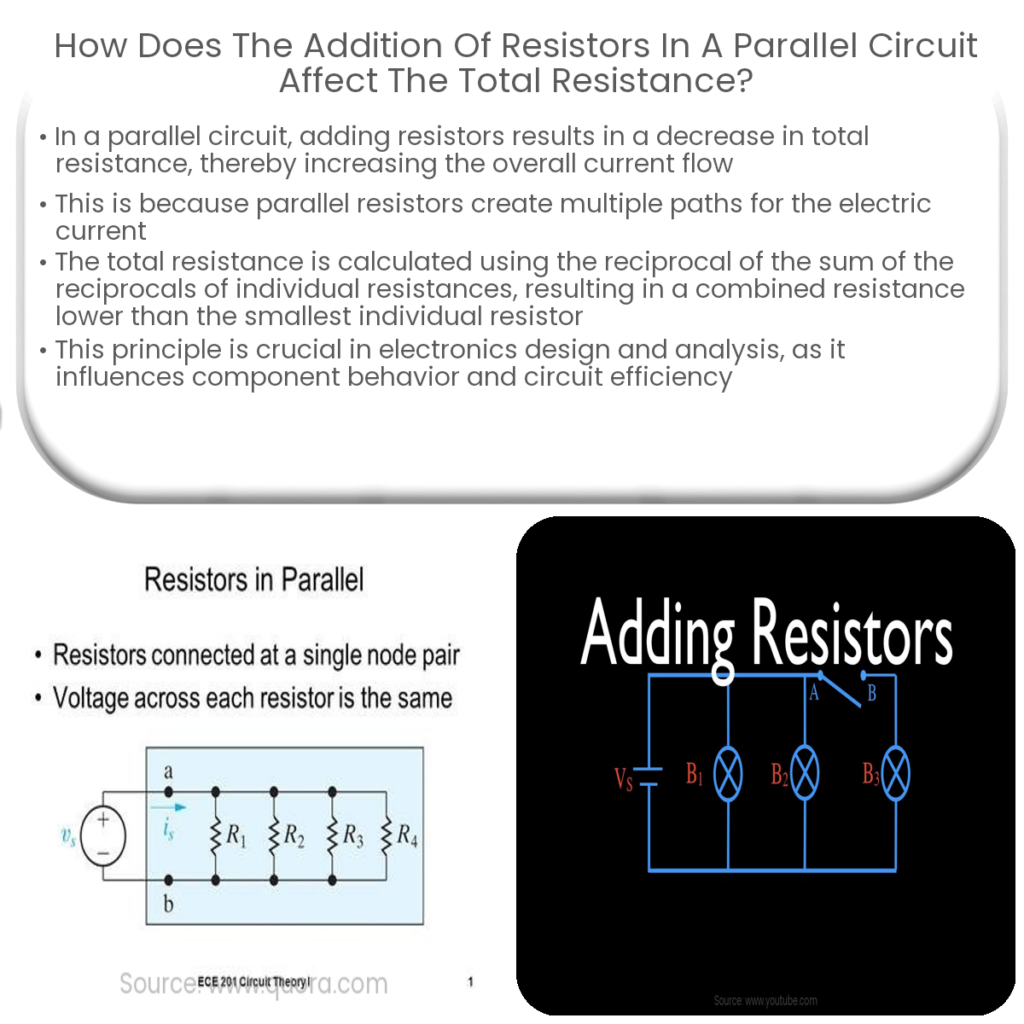
In parallel circuits, adding resistors decreases total resistance, as multiple current paths are created, increasing overall current flow.
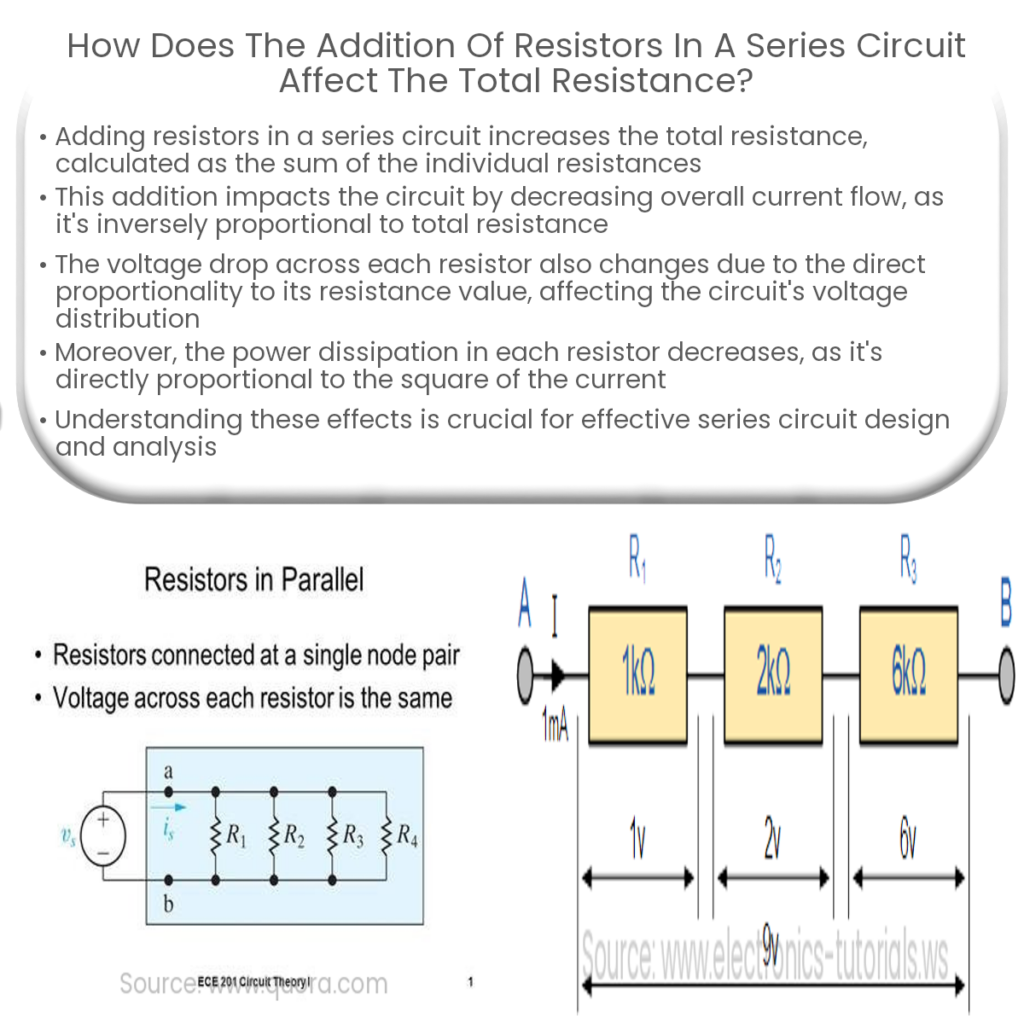
Adding resistors in a series circuit increases the total resistance, reduces current flow, and alters voltage distribution and power dissipation.
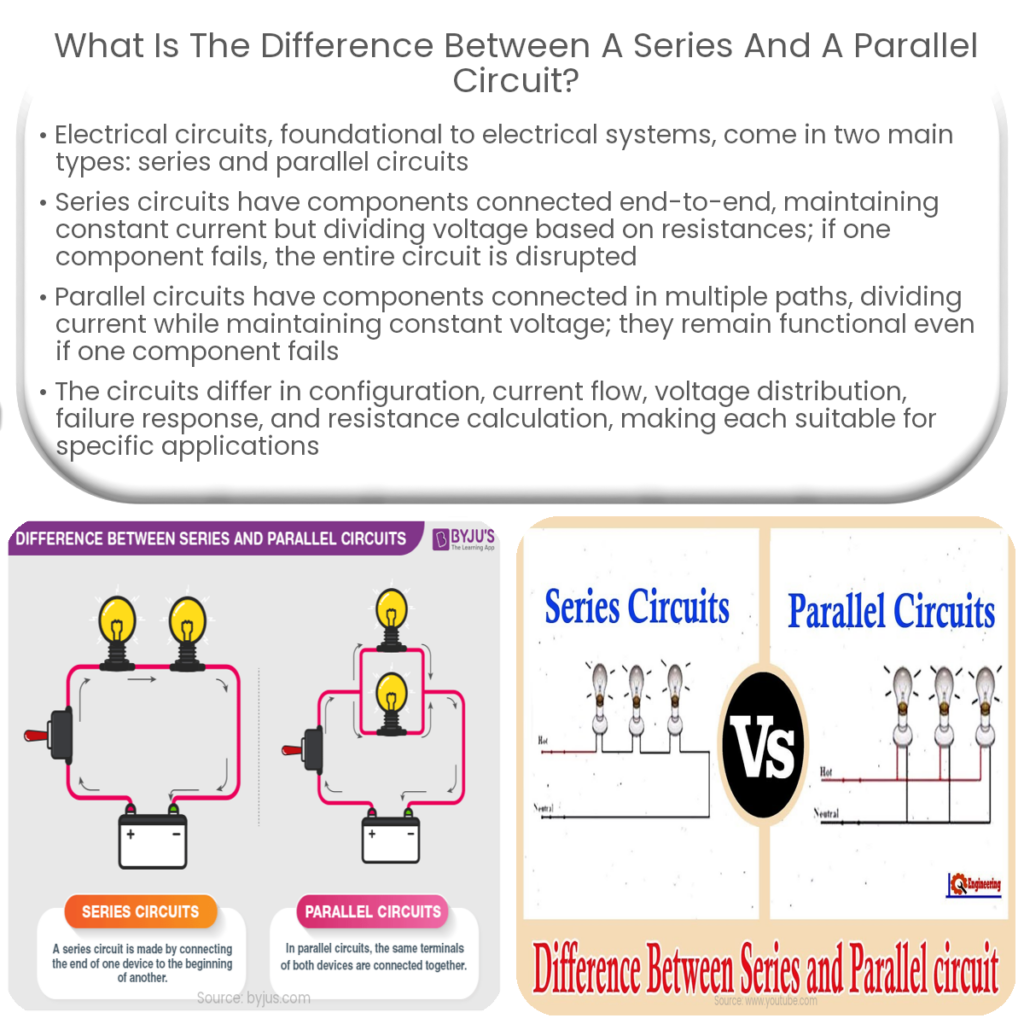
Series circuits have components in a single path with the same current, while parallel circuits have multiple paths, dividing the current among them.
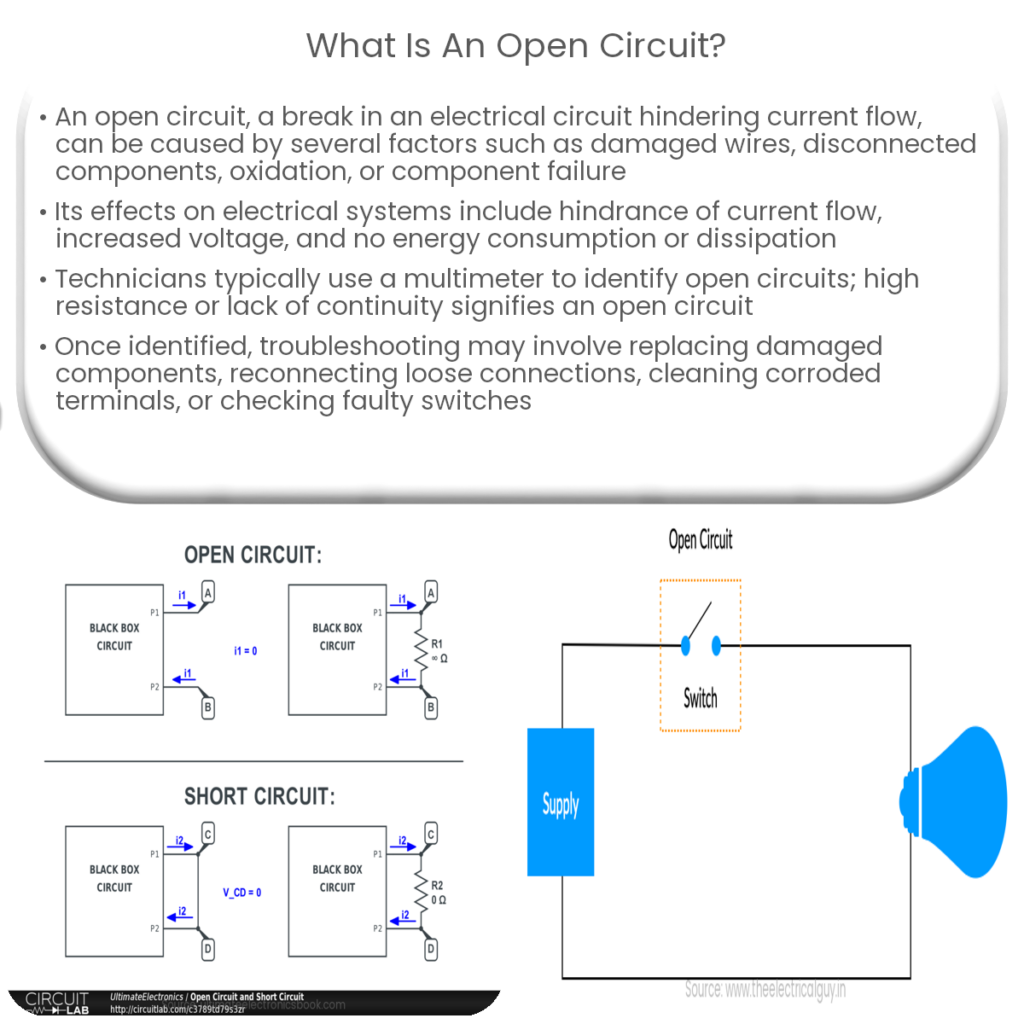
An open circuit is a break in an electrical circuit that stops the flow of electric current, often due to damaged components, disconnected wires, or switches.

A short circuit occurs when two conductors carrying current accidentally come into contact, creating a low-resistance path and causing excessive current flow.

Grounding protects against electric shock by providing a low-resistance path for excess current, maintaining equipotential bonding, and reducing risks.

A ground wire provides a safe path for excess current, protecting users from electric shock, preventing equipment damage, and minimizing fire hazards.

The primary purpose of this project is to help the public to learn some exciting and important information about electricity and magnetism.
Our Website follows all legal requirements to protect your privacy. Visit our Privacy Policy page.
The Cookies Statement is part of our Privacy Policy.
The information contained on this website is for general information purposes only. This website does not use any proprietary data. Visit our Editorial note.
It’s simple:
1) You may use almost everything for non-commercial and educational use.
2) You may not distribute or commercially exploit the content, especially on another website.


