
What are the different types of magnetic sensors and their applications?

Magnetic sensors detect and measure magnetic fields, used in position sensing, current sensing, speed measurement, navigation systems, and more.
Magnetic sensors detect and measure magnetic fields, used in position sensing, current sensing, speed measurement, navigation systems, and more.

Magnetic fields are crucial in designing sensors and actuators, enabling accurate detection, measurement, and control in various applications.

AC motors convert electrical energy into mechanical energy using magnetic fields, with induction and synchronous motors being the main types.
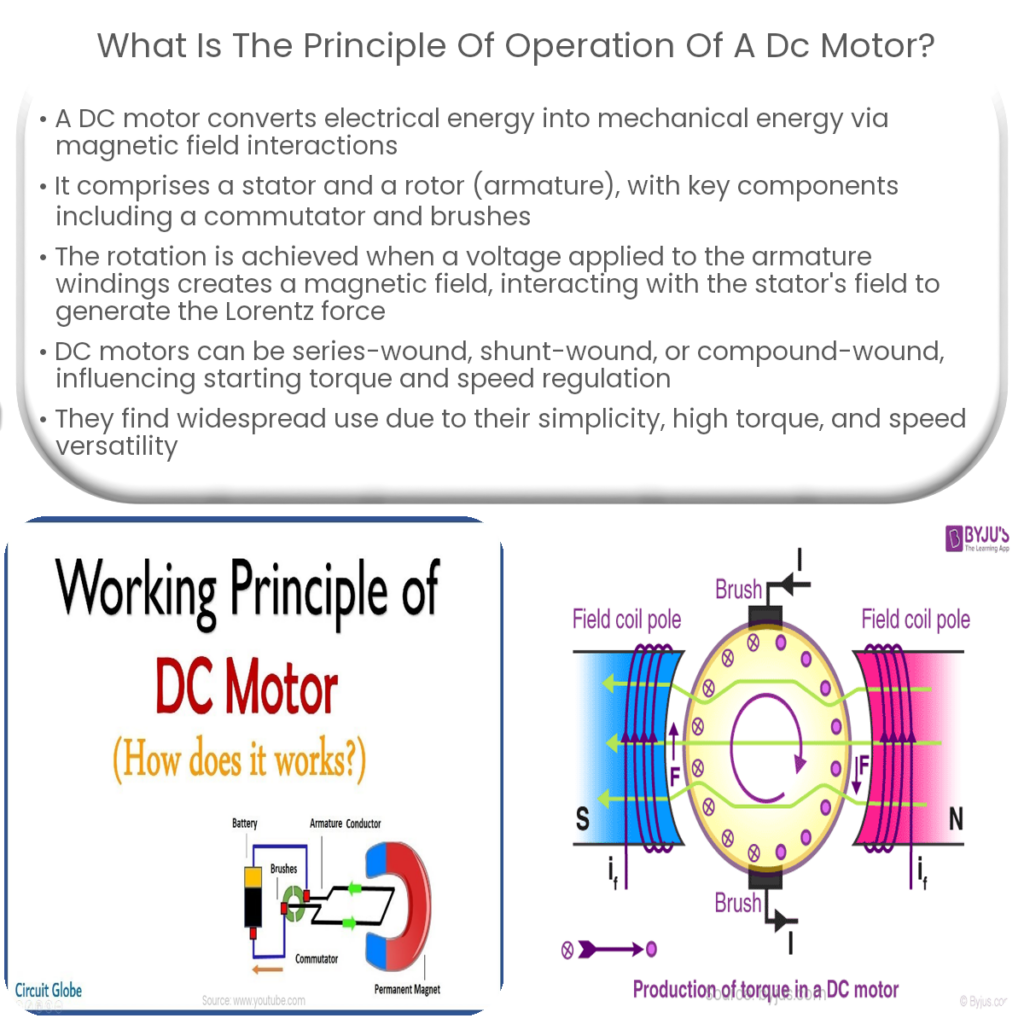
A DC motor works by converting electrical energy into mechanical energy through the interaction of magnetic fields in the stator and rotor.

Magnetic fields are crucial in electric motors and generators, enabling the conversion of electrical energy to mechanical energy, and vice versa.
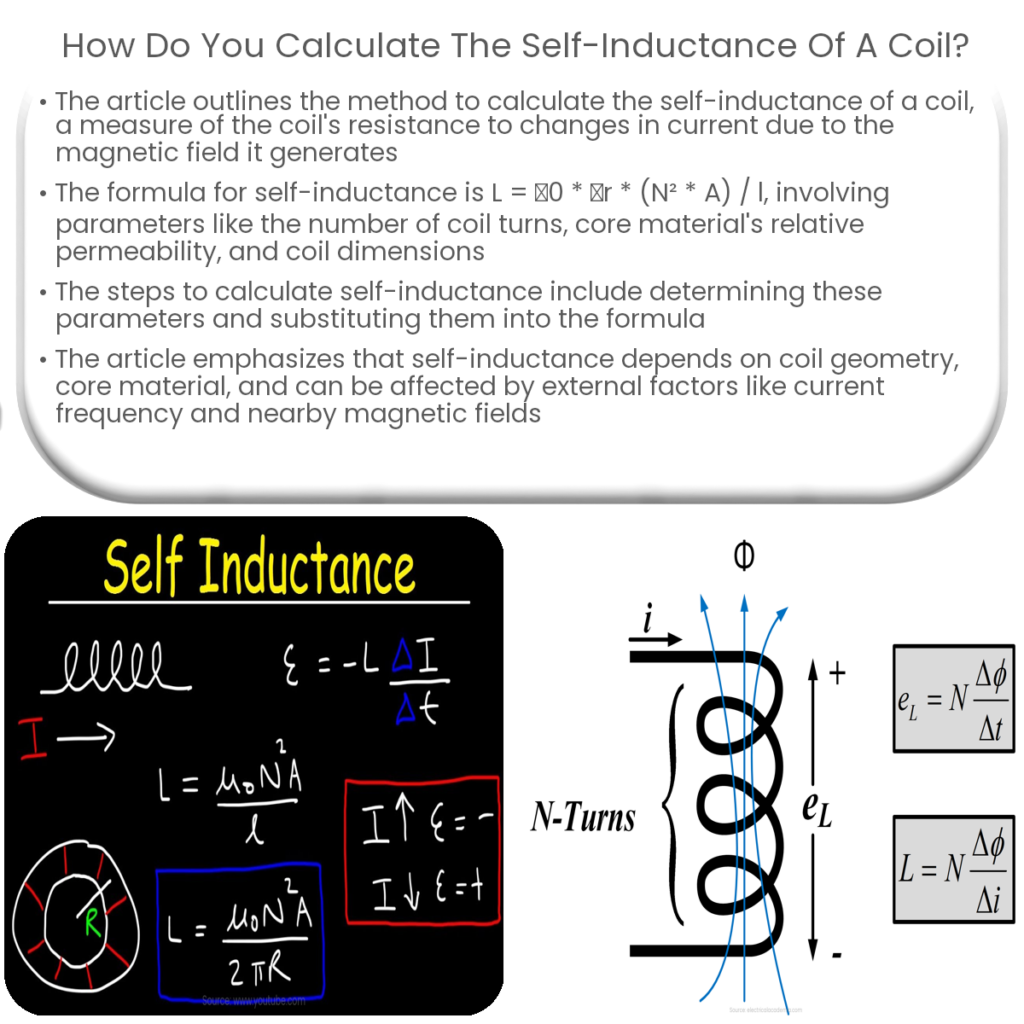
Self-inductance of a coil can be calculated using the formula L = μ0 * μr * (N² * A) / l, considering turns, length, area, and material permeability.
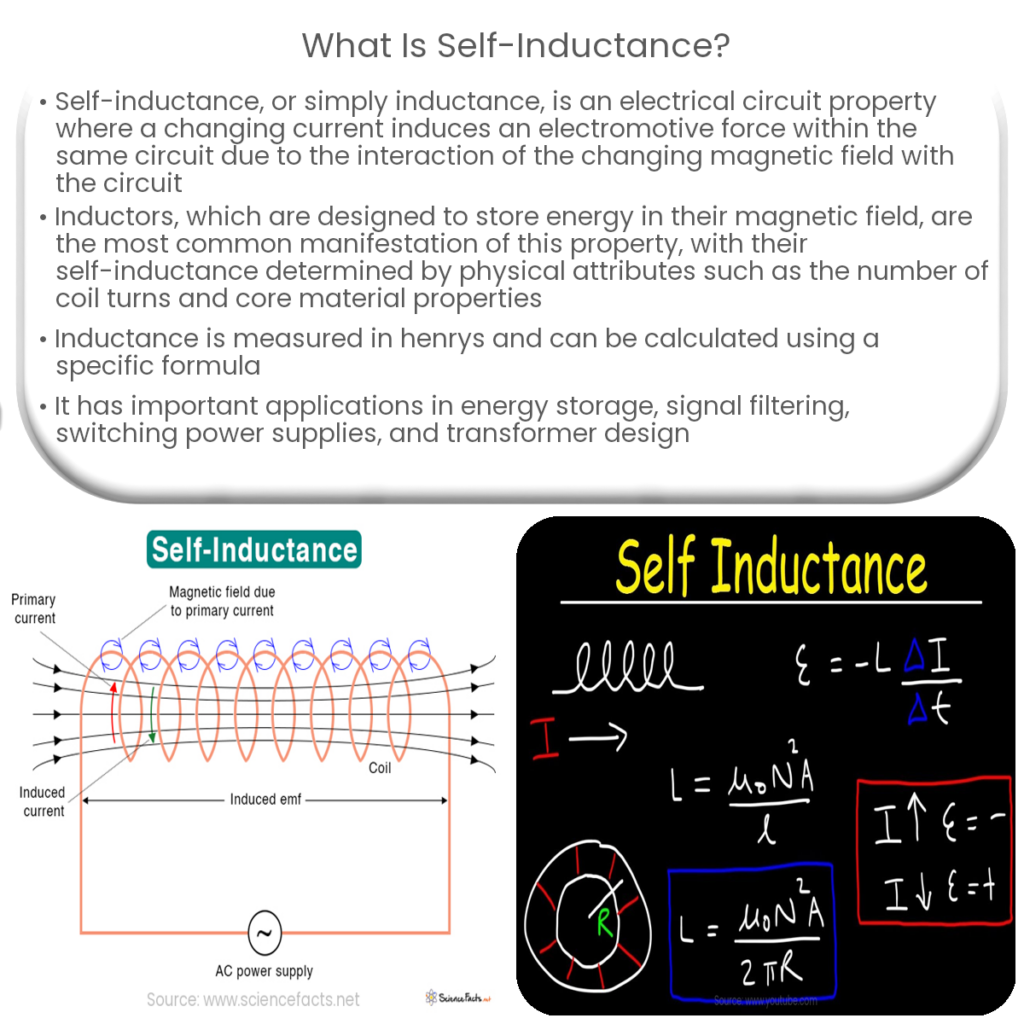
Self-inductance is a property of an electrical circuit where a change in current induces an electromotive force within the same circuit due to magnetic fields.

Mutual inductance is calculated using M = k * sqrt(L1 * L2), where M is mutual inductance, k is the coupling coefficient, and L1 and L2 are self-inductances.

Mutual inductance is the phenomenon where a changing magnetic field in one coil induces an electromotive force (EMF) in a nearby coil.

Magnetic fields greatly impact transformers and inductors by affecting energy transfer efficiency, core saturation, hysteresis losses, and parasitic capacitance.

The primary purpose of this project is to help the public to learn some exciting and important information about electricity and magnetism.
Our Website follows all legal requirements to protect your privacy. Visit our Privacy Policy page.
The Cookies Statement is part of our Privacy Policy.
The information contained on this website is for general information purposes only. This website does not use any proprietary data. Visit our Editorial note.
It’s simple:
1) You may use almost everything for non-commercial and educational use.
2) You may not distribute or commercially exploit the content, especially on another website.


