
Infrared proximity sensor

Infrared proximity sensors detect objects’ presence or distance using emitted infrared light, enabling non-contact sensing in robotics, automation, and more.
Infrared proximity sensors detect objects’ presence or distance using emitted infrared light, enabling non-contact sensing in robotics, automation, and more.

Reflective infrared sensors detect objects & measure distances using emitted IR light and its reflection, with applications in automation, robotics, and environmental monitoring.

Explore the workings of active infrared sensors, their types, applications, advantages, and factors to consider during selection.
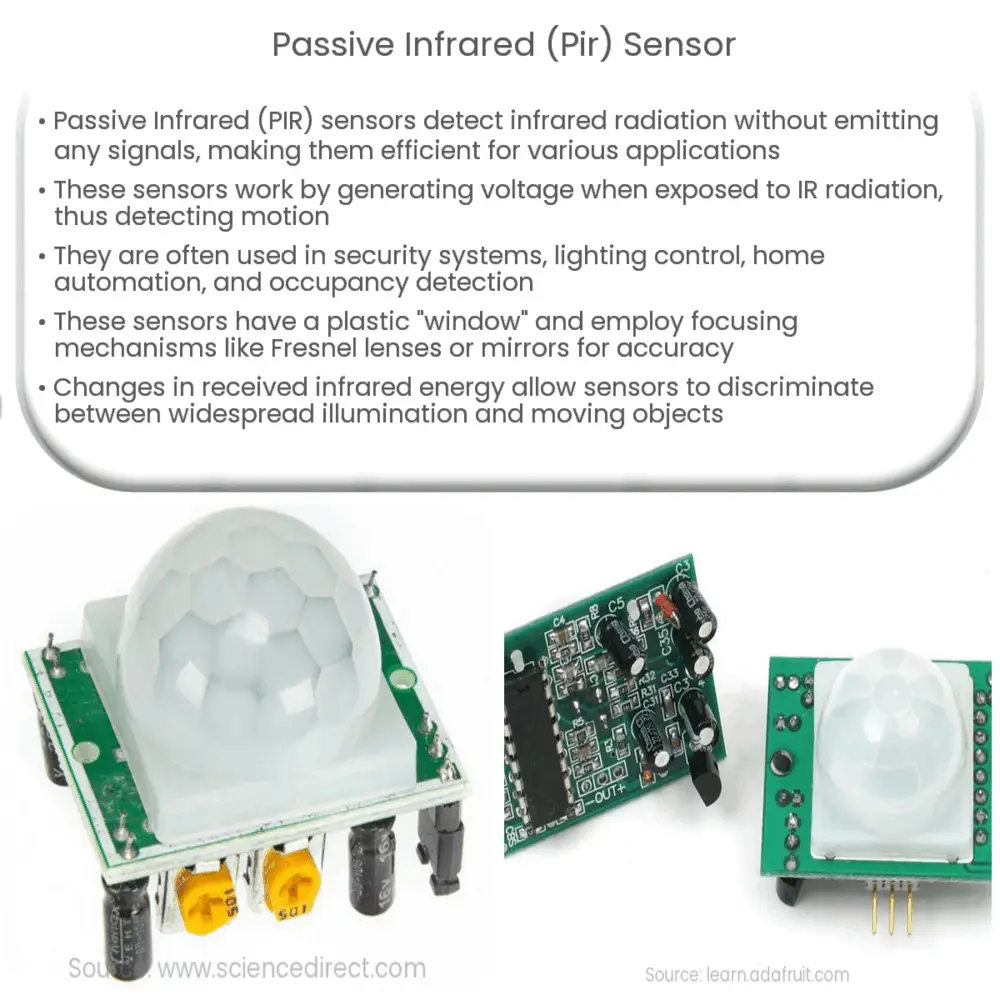
A PIR sensor is an electronic device that detects infrared radiation emitted by objects. It features a focusing mechanism, such as lenses or mirrors, and is commonly used in automatic lighting and security systems.

Infrared moisture sensors provide accurate, non-destructive, real-time moisture measurements, optimizing processes across various industries.
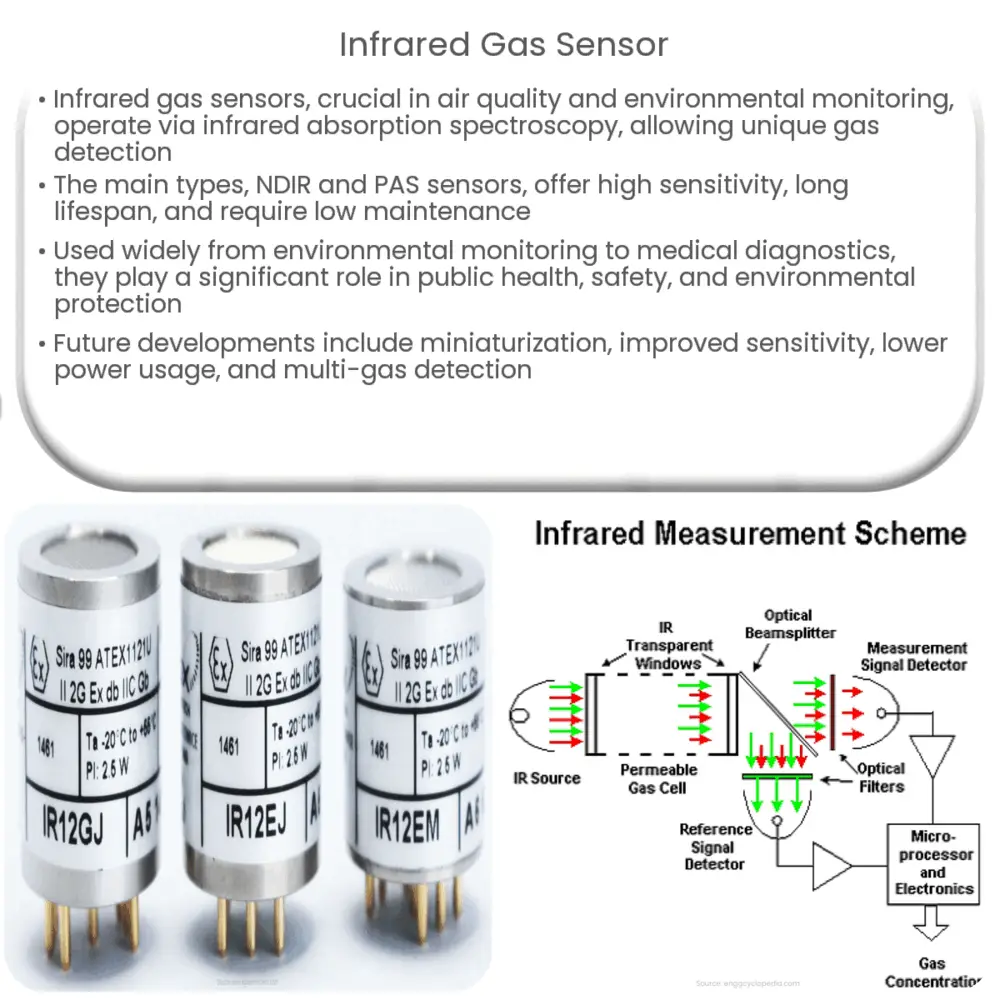
Infrared gas sensors detect specific gases with high accuracy, offering advantages in air quality monitoring, industrial safety, and medical applications.

Charges are not created but redistributed through mechanisms like friction, conduction, induction, ionization, and chemical reactions.

Widespread EM wave use raises health, privacy, security, and environmental concerns, while potentially exacerbating the digital divide.
Emerging technologies, such as nanotechnology and biotechnology, have shown great potential in manipulating and exploiting electromagnetic waves for various applications.

Electromagnetic waves aid in material characterization, non-destructive testing, and material processing for the development of new materials/devices.

The primary purpose of this project is to help the public to learn some exciting and important information about electricity and magnetism.
Our Website follows all legal requirements to protect your privacy. Visit our Privacy Policy page.
The Cookies Statement is part of our Privacy Policy.
The information contained on this website is for general information purposes only. This website does not use any proprietary data. Visit our Editorial note.
It’s simple:
1) You may use almost everything for non-commercial and educational use.
2) You may not distribute or commercially exploit the content, especially on another website.


