
NAND Gates
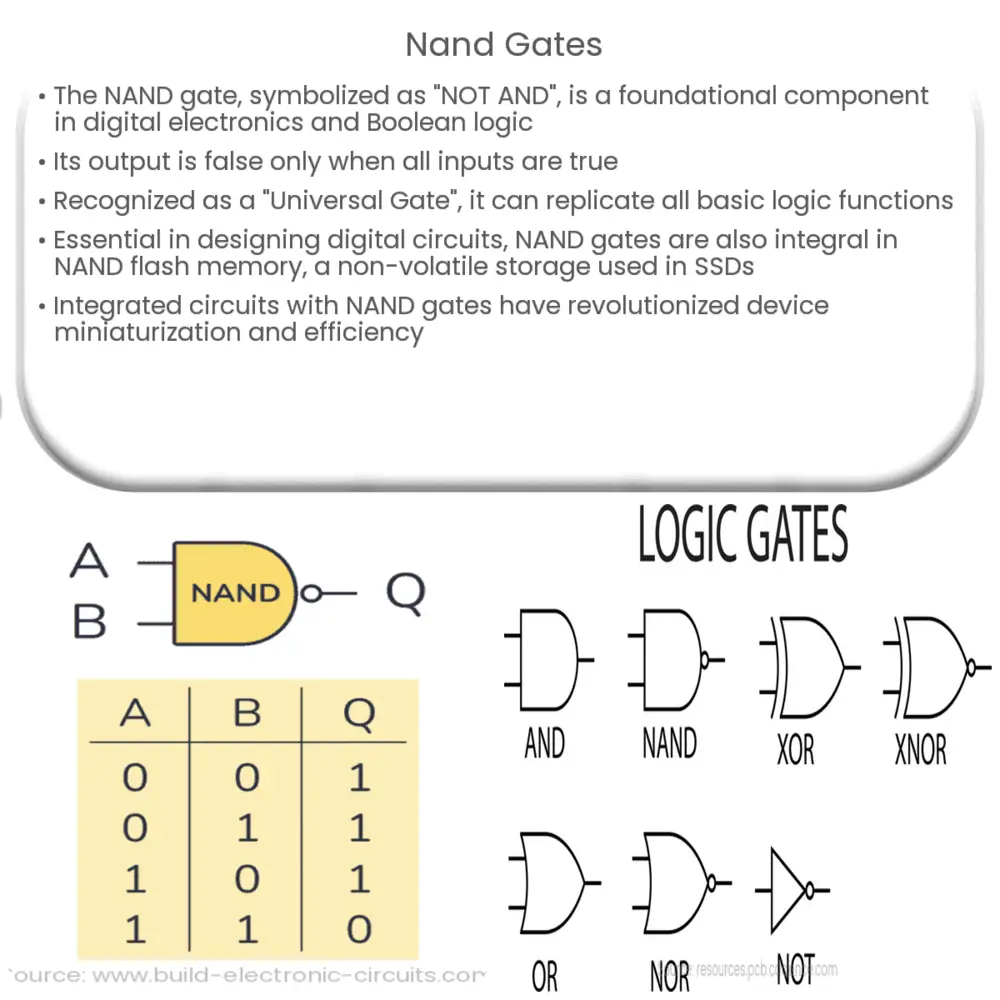
Explore the role of NAND Gates in digital electronics, their universal gate status, and their pivotal role in modern technology.
Explore the role of NAND Gates in digital electronics, their universal gate status, and their pivotal role in modern technology.

Piezoelectric charge detectors convert mechanical stress into electrical signals for applications in energy harvesting, sensing, and monitoring.

A capacitive charge detector is an electronic sensor that detects changes in capacitance, enabling touch, proximity, and material recognition in various applications.

Kelvin probe force microscopy (KPFM) is a non-invasive technique for measuring surface potential and work function at the nanoscale in various materials.
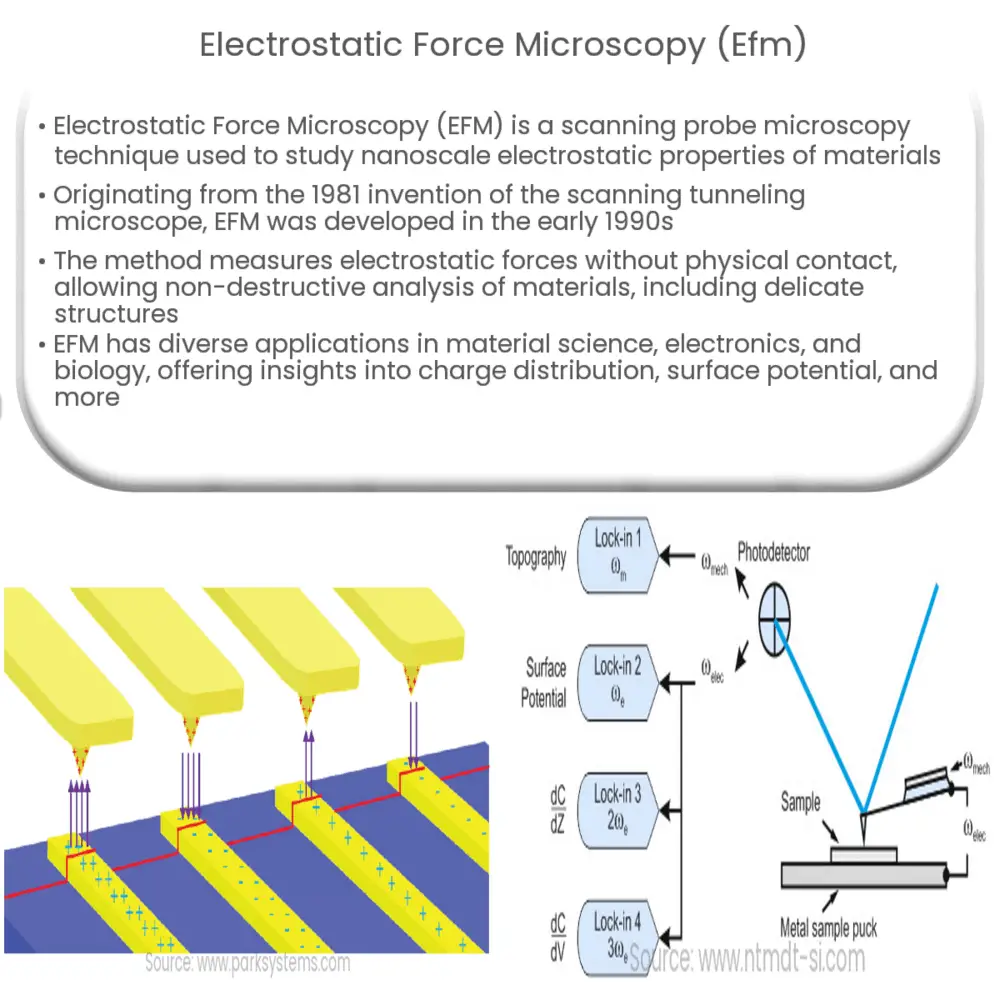
Electrostatic Force Microscopy (EFM) is a non-destructive technique used to study electrostatic properties of materials at the nanoscale.
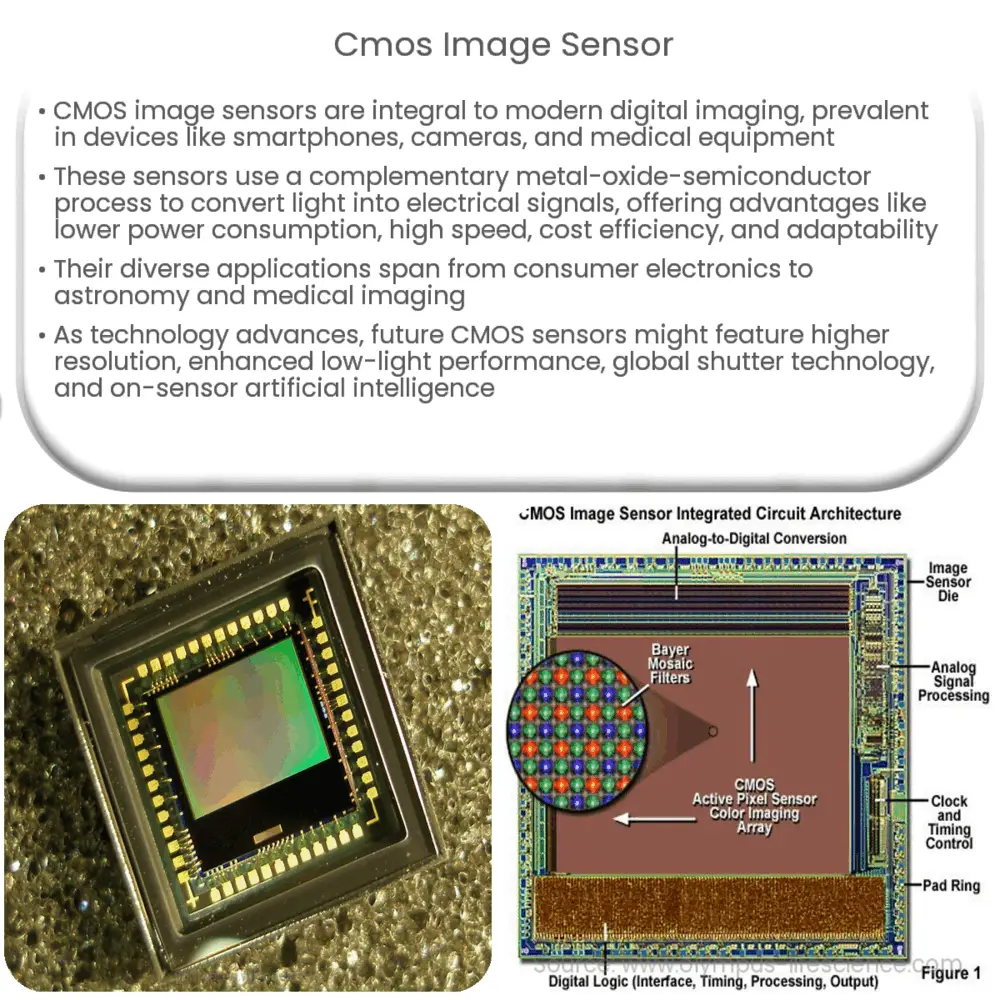
CMOS image sensors are key components in digital imaging, known for high image quality, low power consumption, and cost efficiency in various applications.
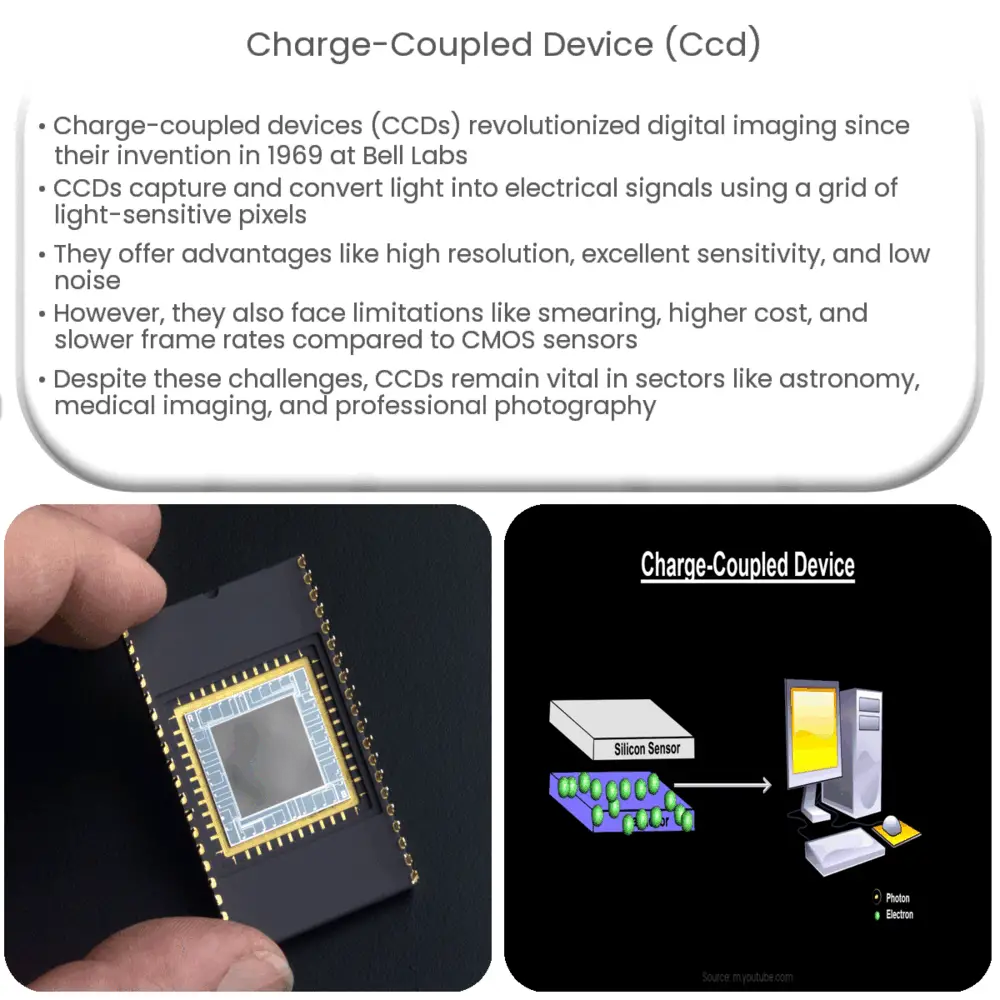
CCDs are semiconductor devices that capture and convert light into digital images, offering high resolution, sensitivity, and low noise in various applications.

Photomultiplier tubes are sensitive light detectors that amplify faint signals, used in scientific research, medical imaging, and environmental monitoring.

A proportional counter is a gas-filled radiation detector used in applications like radiation measurement, nuclear physics, and elemental analysis.

Avalanche photodiodes (APDs) are high-speed, sensitive semiconductor devices that convert light into electrical signals for diverse applications.

The primary purpose of this project is to help the public to learn some exciting and important information about electricity and magnetism.
Our Website follows all legal requirements to protect your privacy. Visit our Privacy Policy page.
The Cookies Statement is part of our Privacy Policy.
The information contained on this website is for general information purposes only. This website does not use any proprietary data. Visit our Editorial note.
It’s simple:
1) You may use almost everything for non-commercial and educational use.
2) You may not distribute or commercially exploit the content, especially on another website.


