
Capacitive Analog-to-Digital Converters (ADCs)

Explore the world of Capacitive Analog-to-Digital Converters (ADCs), their operation, applications, benefits, and limitations.
Explore the world of Capacitive Analog-to-Digital Converters (ADCs), their operation, applications, benefits, and limitations.

Explore the intricacies of capacitive accelerometers – their design, types, applications, advantages, and future prospects.

Explore the world of capacitance meters, their types, working principles, features, and applications in electronics and engineering fields.

Explore the Capacitance Bridge’s principles, components, operation, types, applications, limitations, and its pivotal role in electrical measurements.
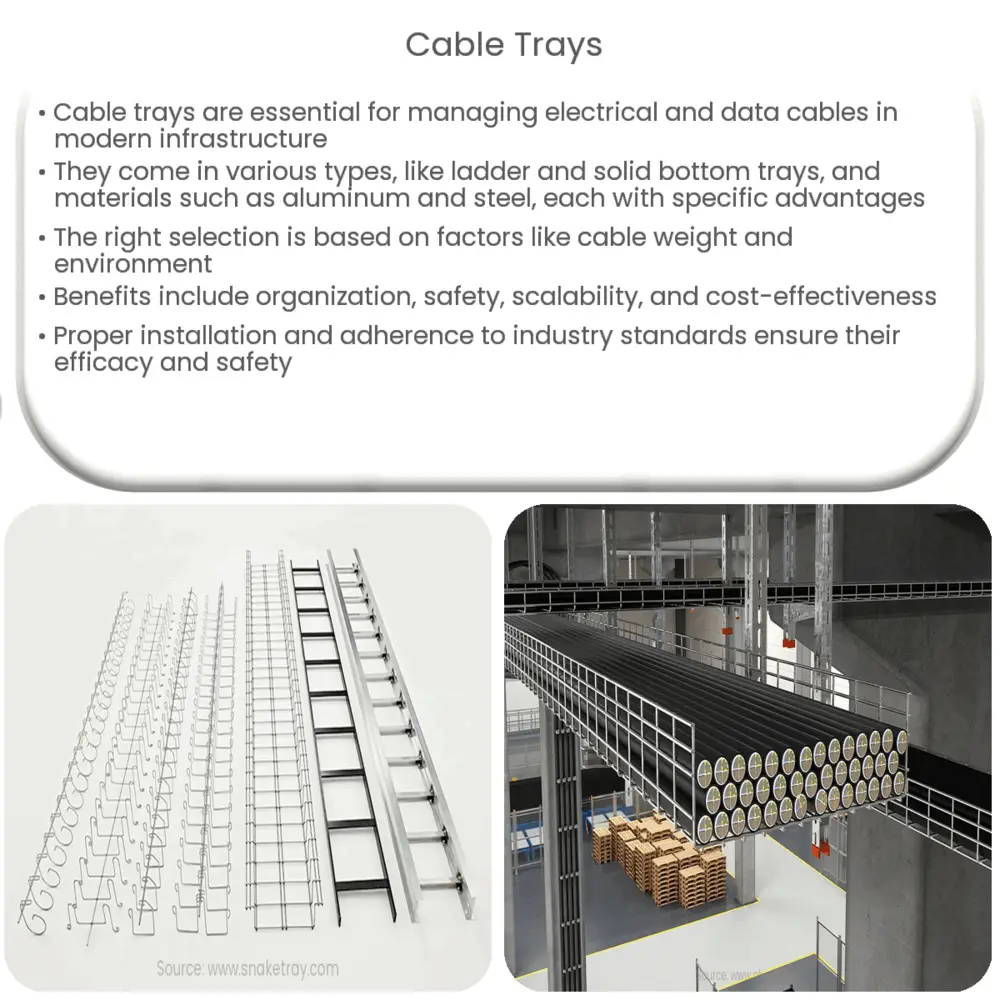
Explore the world of cable trays, their types, materials, benefits, standards, and installation considerations for efficient cable management.

Explore the world of cable ties – their types, benefits, uses across industries, environmental impact, and tips on selection.

Explore the vital role of cable supports in cable management, their types, selection, installation, maintenance, and future tech advancements.

Explore the essential role of cable staples in managing and securing cables, learn about different types, and get tips for proper installation.
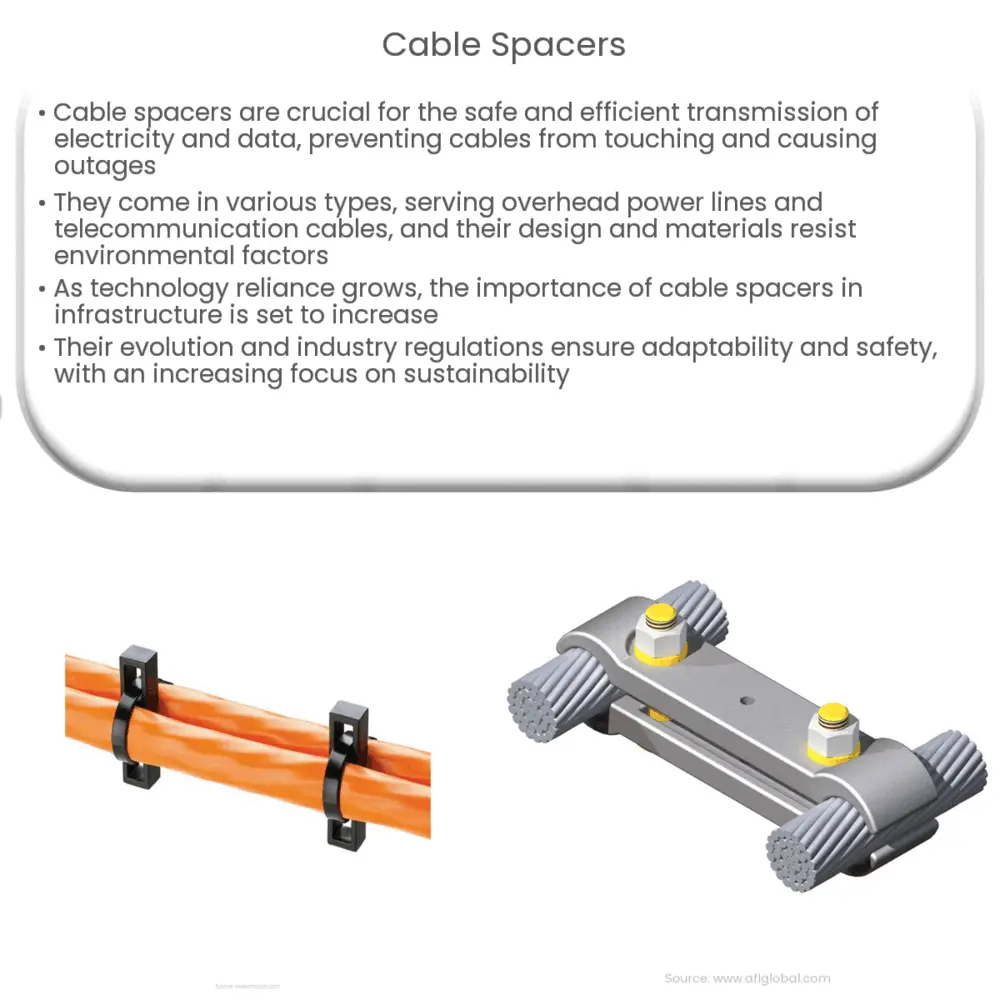
Explore the essential role of cable spacers in modern infrastructure, their types, material selection, evolution, and future challenges.

Explore the intriguing world of Flywheel Energy Storage (FES) systems, their working principles, benefits, applications, and future prospects.

The primary purpose of this project is to help the public to learn some exciting and important information about electricity and magnetism.
Our Website follows all legal requirements to protect your privacy. Visit our Privacy Policy page.
The Cookies Statement is part of our Privacy Policy.
The information contained on this website is for general information purposes only. This website does not use any proprietary data. Visit our Editorial note.
It’s simple:
1) You may use almost everything for non-commercial and educational use.
2) You may not distribute or commercially exploit the content, especially on another website.


