
Constant Current Sources

Explore the essentials of constant current sources in electronics, their types, applications, and importance in circuit designs.
Explore the essentials of constant current sources in electronics, their types, applications, and importance in circuit designs.

Explore the basics of gated latches, their types, operation, applications in digital systems, and their role in future technologies.
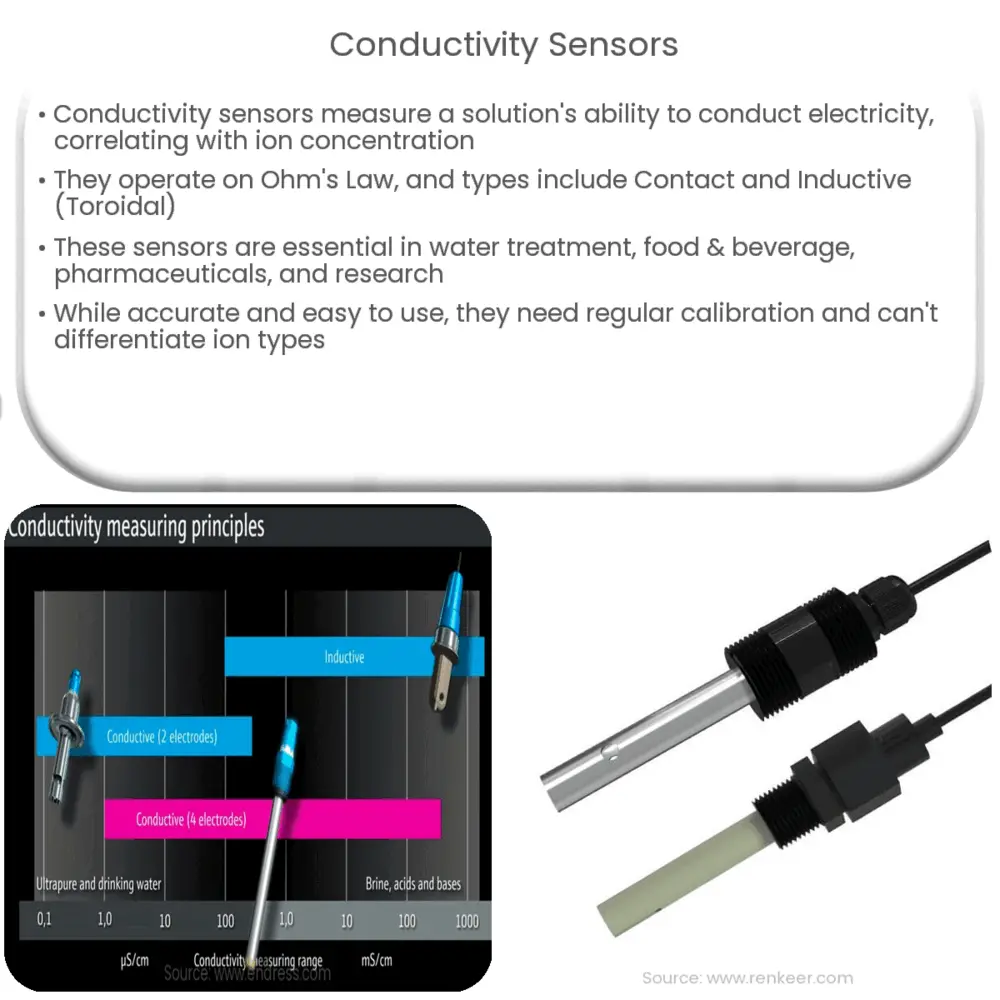
Explore the basics of conductivity sensors, their working principles, types, applications, advantages, and limitations in our comprehensive guide.
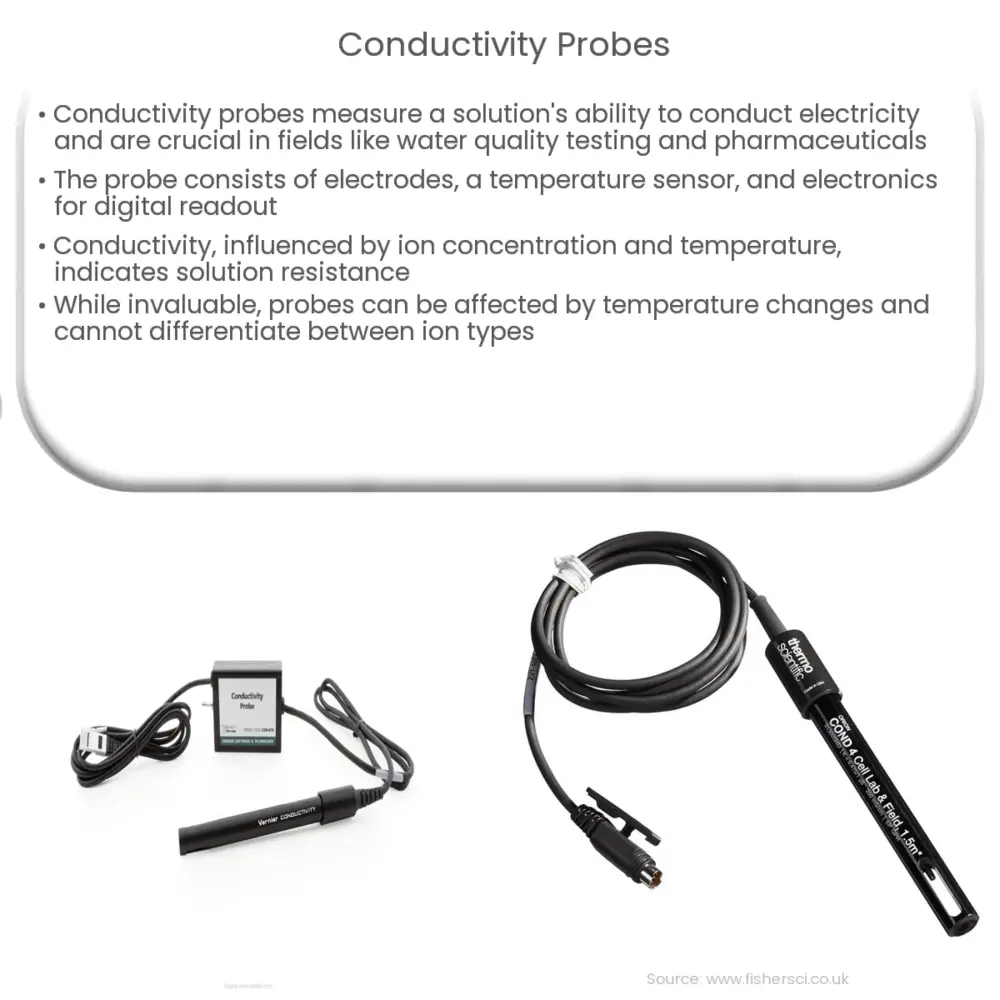
Explore the functionality of conductivity probes, their applications across various industries, and the latest technological advancements.
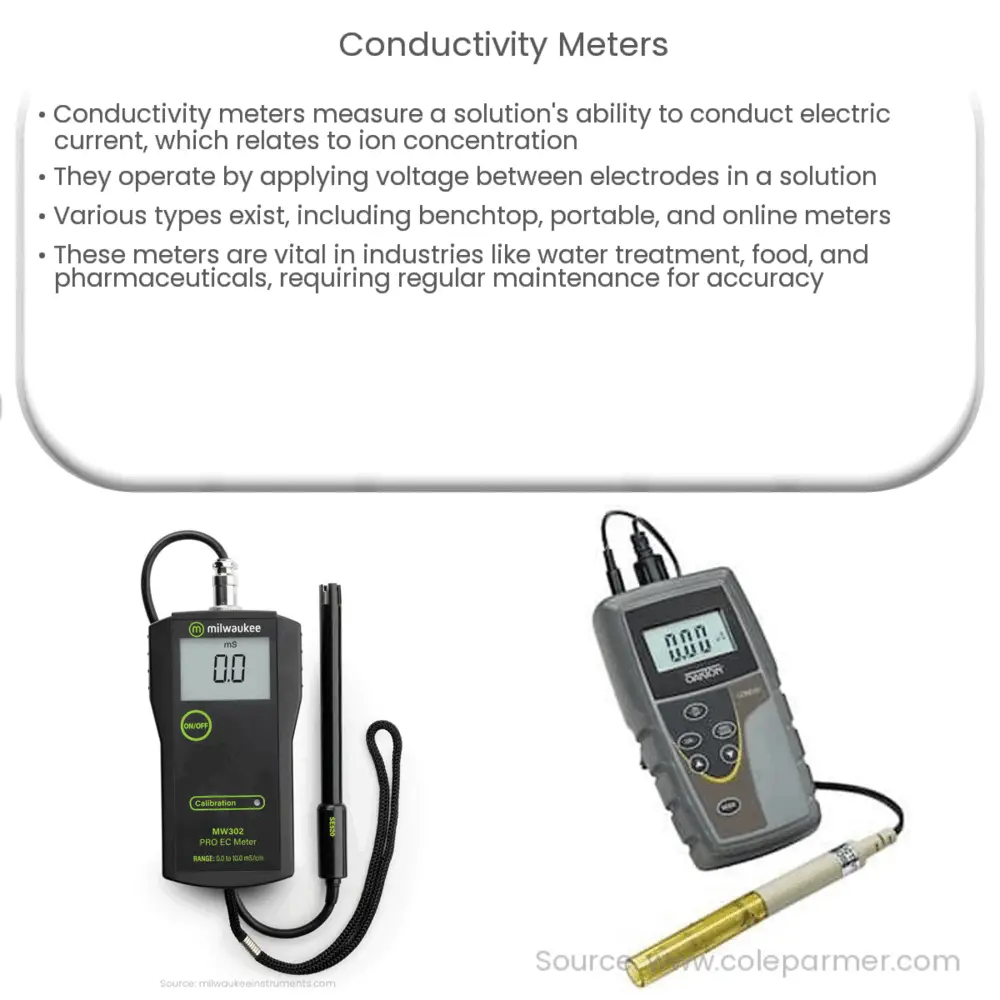
Explore the world of conductivity meters, their applications in various industries, factors influencing their readings, and tips for maintenance.
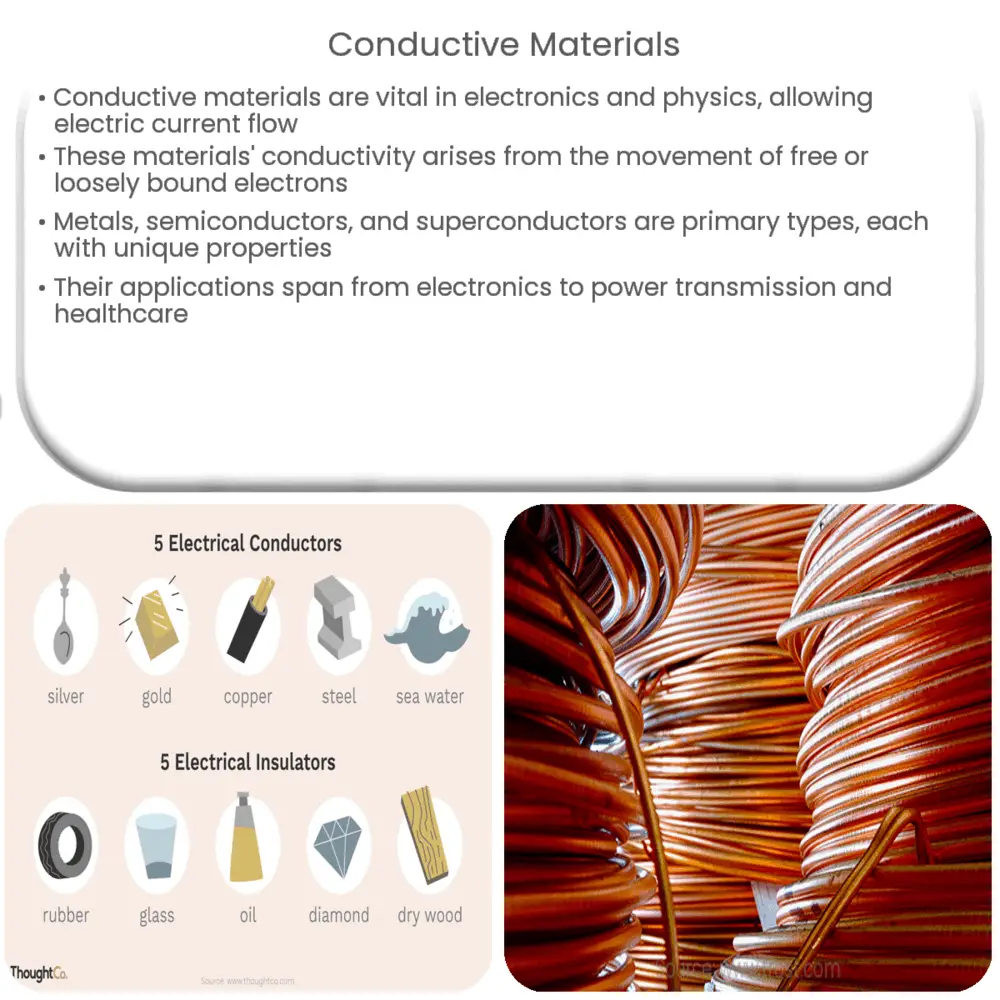
Explore the fascinating world of conductive materials, their types, properties, applications, and future prospects in this comprehensive article.

Explore the world of comparators in electronics: their functionality, types, applications, common circuits, limitations, and importance.

Explore the role of Common Mode Chokes in electronics, their design, types, selection parameters, and their impact on system performance.

Explore the history, principles, applications, and limitations of the Cockcroft-Walton multiplier, a pivotal high-voltage circuit design.

Explore the structure, types, applications, pros, and cons of coaxial cables, and their relevance in future technologies.

The primary purpose of this project is to help the public to learn some exciting and important information about electricity and magnetism.
Our Website follows all legal requirements to protect your privacy. Visit our Privacy Policy page.
The Cookies Statement is part of our Privacy Policy.
The information contained on this website is for general information purposes only. This website does not use any proprietary data. Visit our Editorial note.
It’s simple:
1) You may use almost everything for non-commercial and educational use.
2) You may not distribute or commercially exploit the content, especially on another website.


