
Resistor-Inductor (RL) Circuits
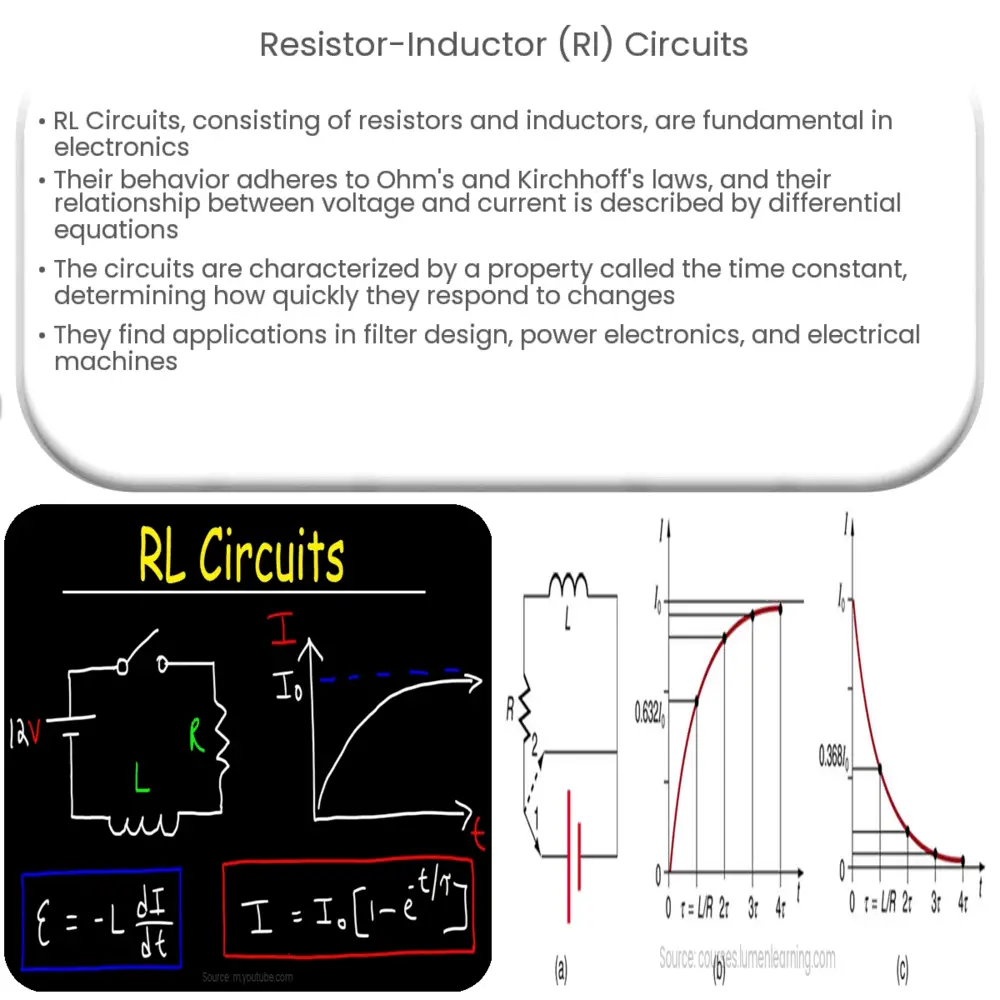
Explore the basics of Resistor-Inductor (RL) circuits, their types, characteristics, mathematical analysis, and applications.
Explore the basics of Resistor-Inductor (RL) circuits, their types, characteristics, mathematical analysis, and applications.

Explore the fundamentals of Resistor-Capacitor-Inductor (RCL) circuits, their components, types, applications, and significance in electronics.
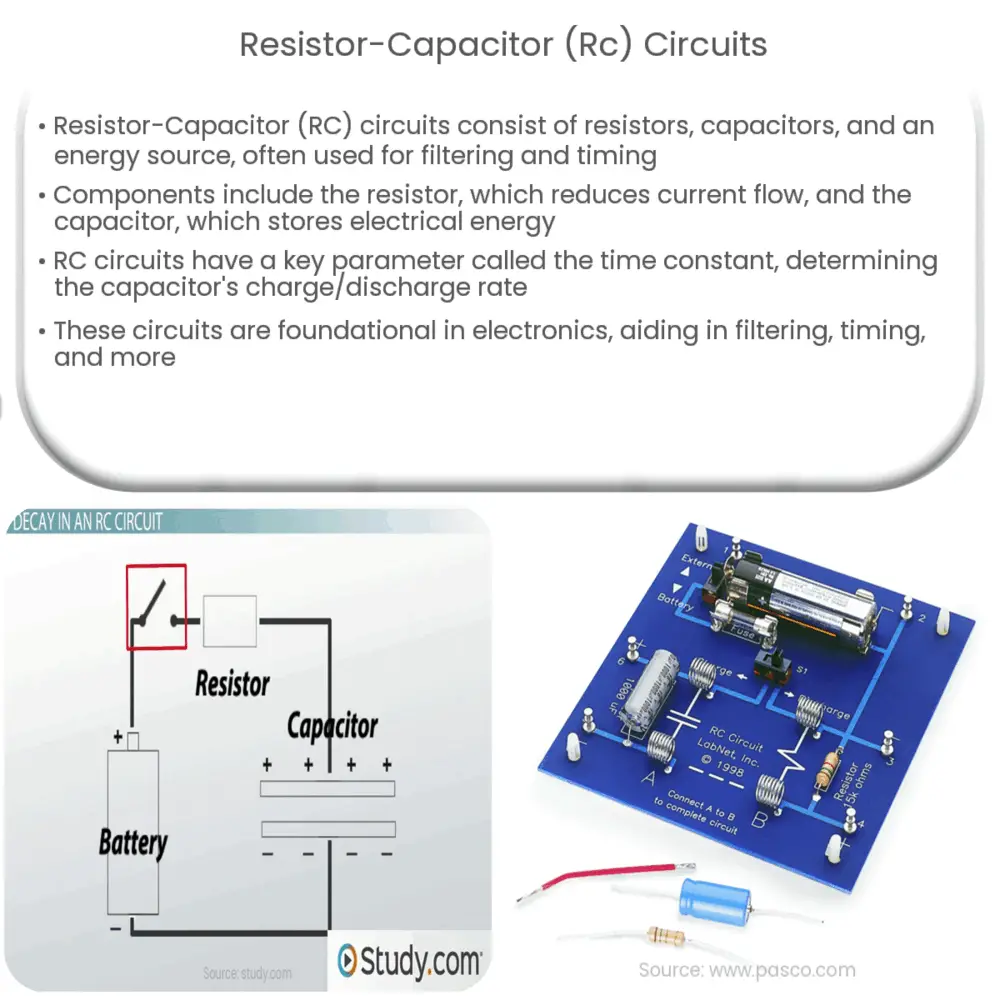
Explore the basics of Resistor-Capacitor (RC) circuits, their components, working principles, applications, and advanced analysis.
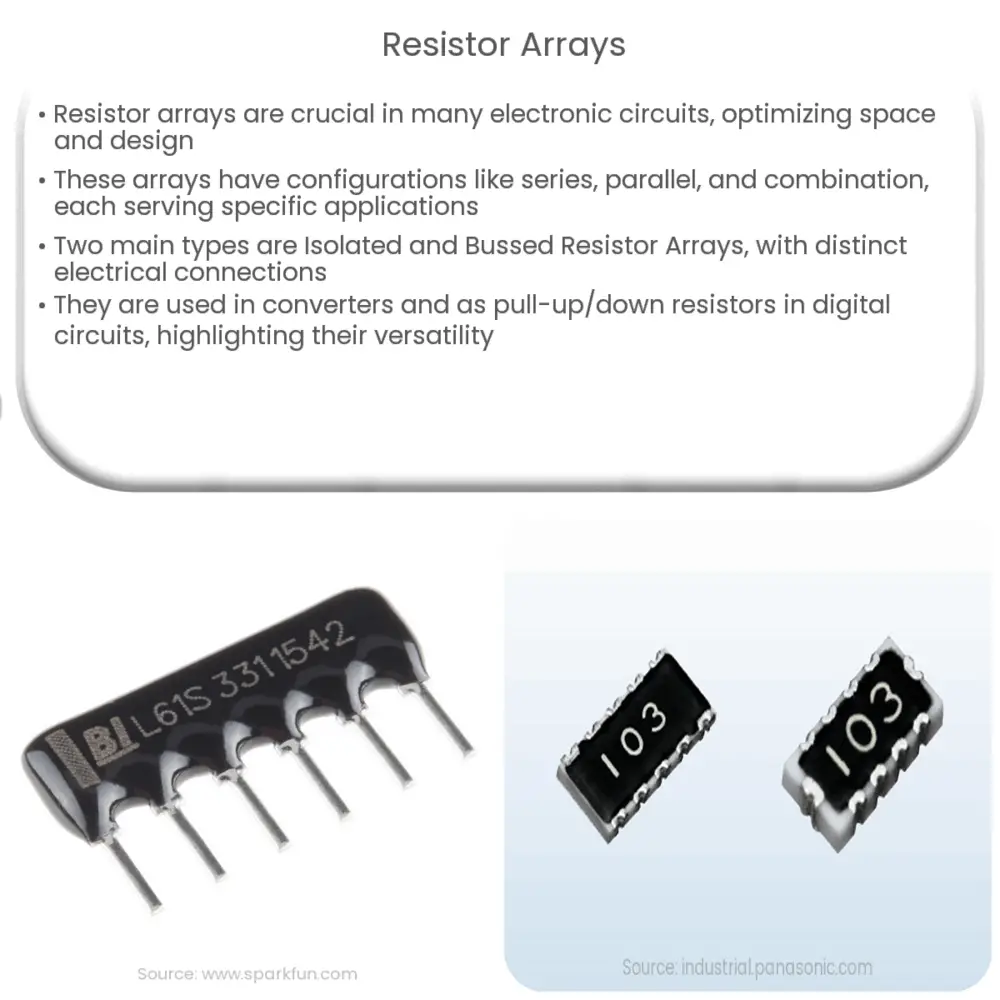
Explore the world of resistor arrays, their types, applications, and importance in electronics circuit design. Learn about their versatile use in DACs, ADCs and more.

Explore the role of motor current sensors in automation and control systems, their types, applications, and future trends.
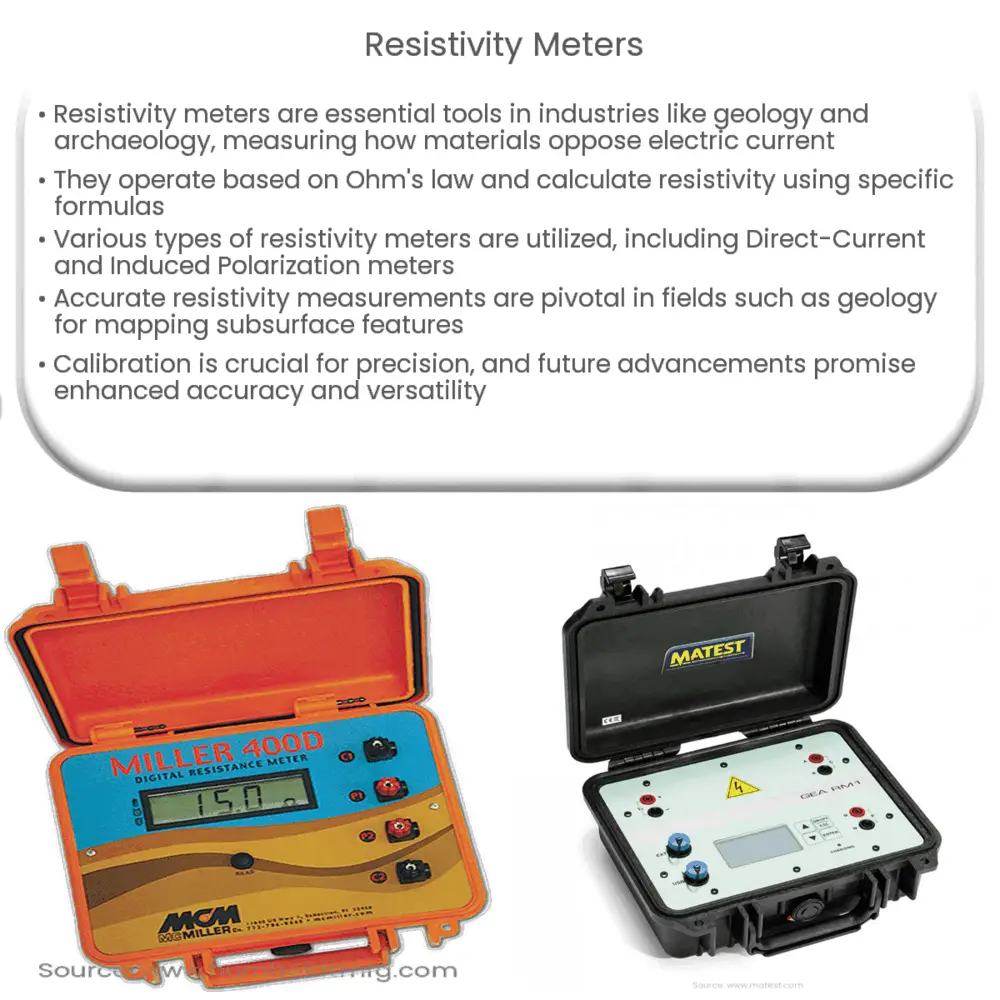
Explore the fundamentals of resistivity meters, their types, applications, calibration, limitations, and future prospects.

Explore the fundamentals, applications, and types of Resistance Decade Boxes, essential tools in electronic testing and calibration.

Explore the workings, types, applications, advantages, and limitations of Resettable Fuses (PTCs) in various industries.
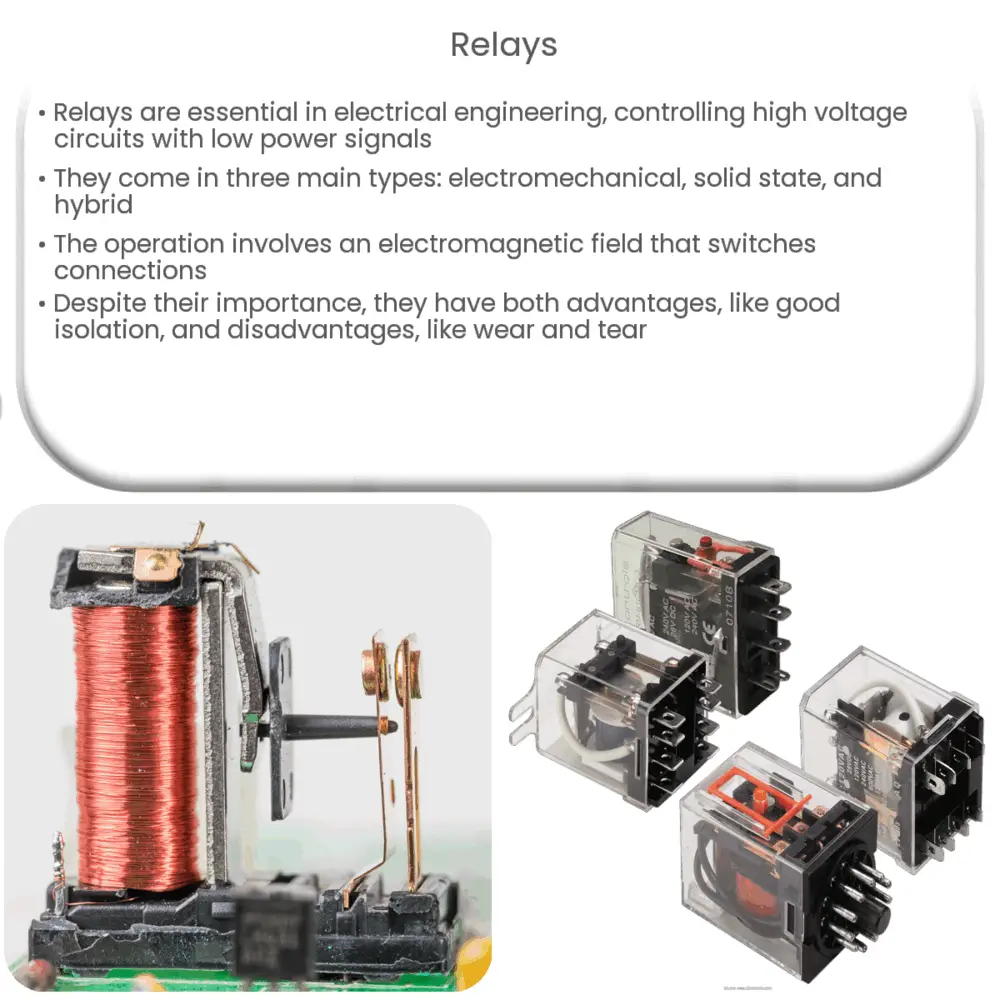
Explore the world of relays in electrical engineering: their types, operation, applications, advantages, and challenges.

Explore the basics of rectifiers, their types, working principles, and applications in electronic devices. Learn how they convert AC to DC.

The primary purpose of this project is to help the public to learn some exciting and important information about electricity and magnetism.
Our Website follows all legal requirements to protect your privacy. Visit our Privacy Policy page.
The Cookies Statement is part of our Privacy Policy.
The information contained on this website is for general information purposes only. This website does not use any proprietary data. Visit our Editorial note.
It’s simple:
1) You may use almost everything for non-commercial and educational use.
2) You may not distribute or commercially exploit the content, especially on another website.


