
Silicon Avalanche Diodes (SADs)

Explore Silicon Avalanche Diodes (SADs), their operation principle, unique characteristics, and diverse applications in modern electronics.
Explore Silicon Avalanche Diodes (SADs), their operation principle, unique characteristics, and diverse applications in modern electronics.

Explore the importance of Motor Electromagnetic Compatibility (EMC) Testing Equipment in ensuring safety, reliability, and regulatory compliance of motors.
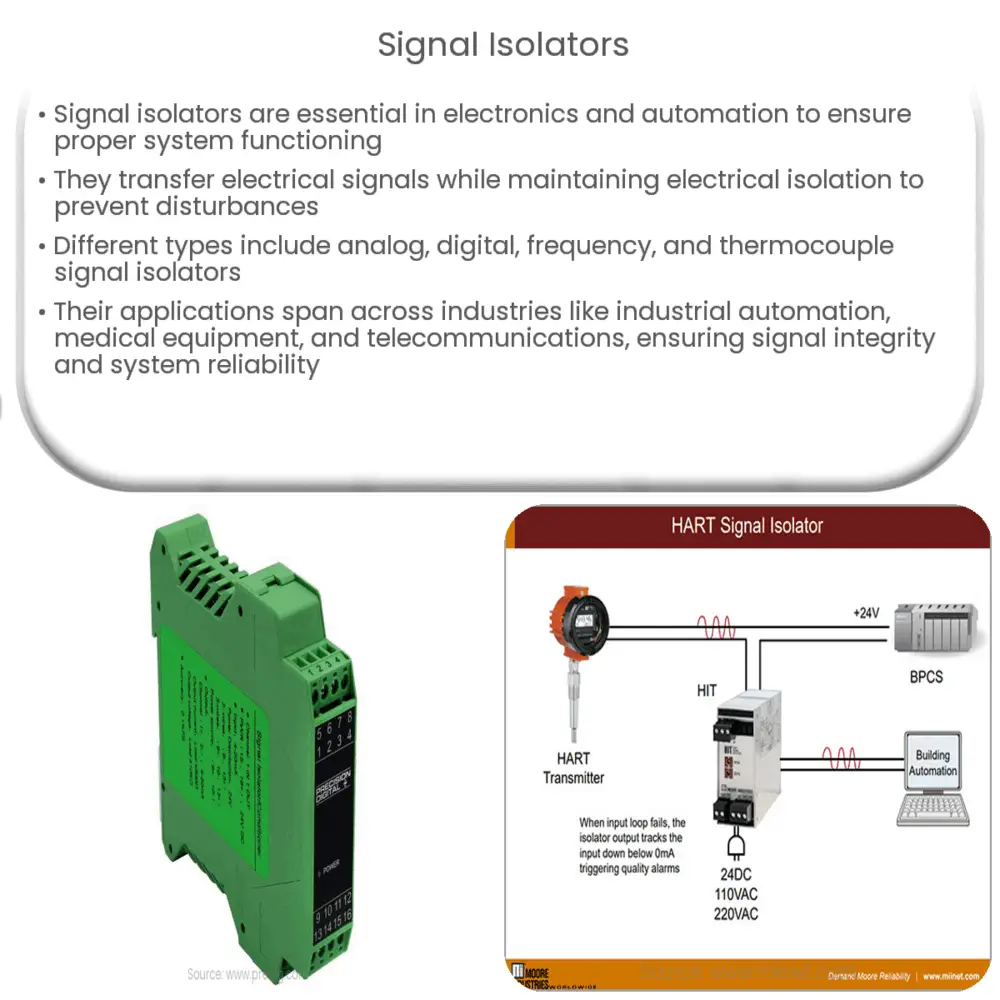
Explore the significance of signal isolators, their types, operation, and applications in various industries like automation, healthcare, and telecom.

Explore the role and significance of signal analyzers in electronics and telecommunications, their types, functions, advancements, and future prospects.
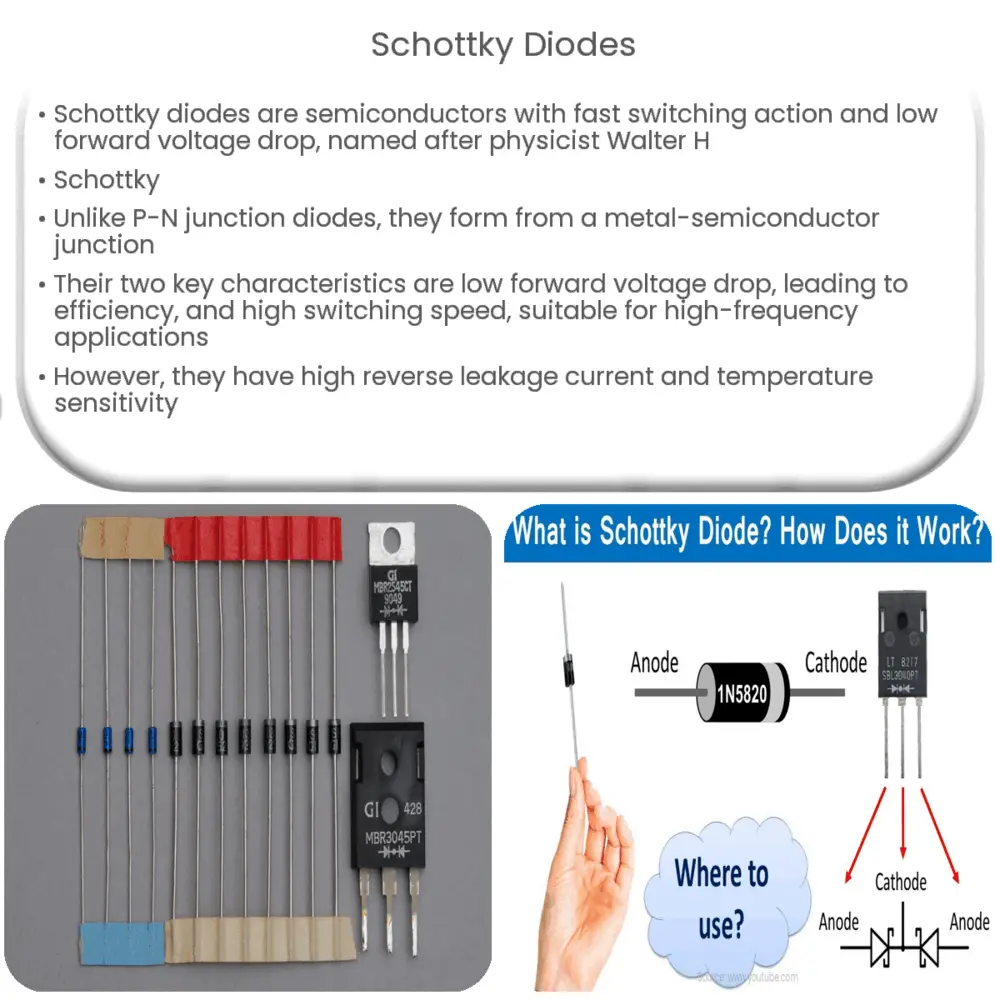
Explore the world of Schottky diodes, their structure, unique characteristics, applications, and the pros and cons in electronics design.
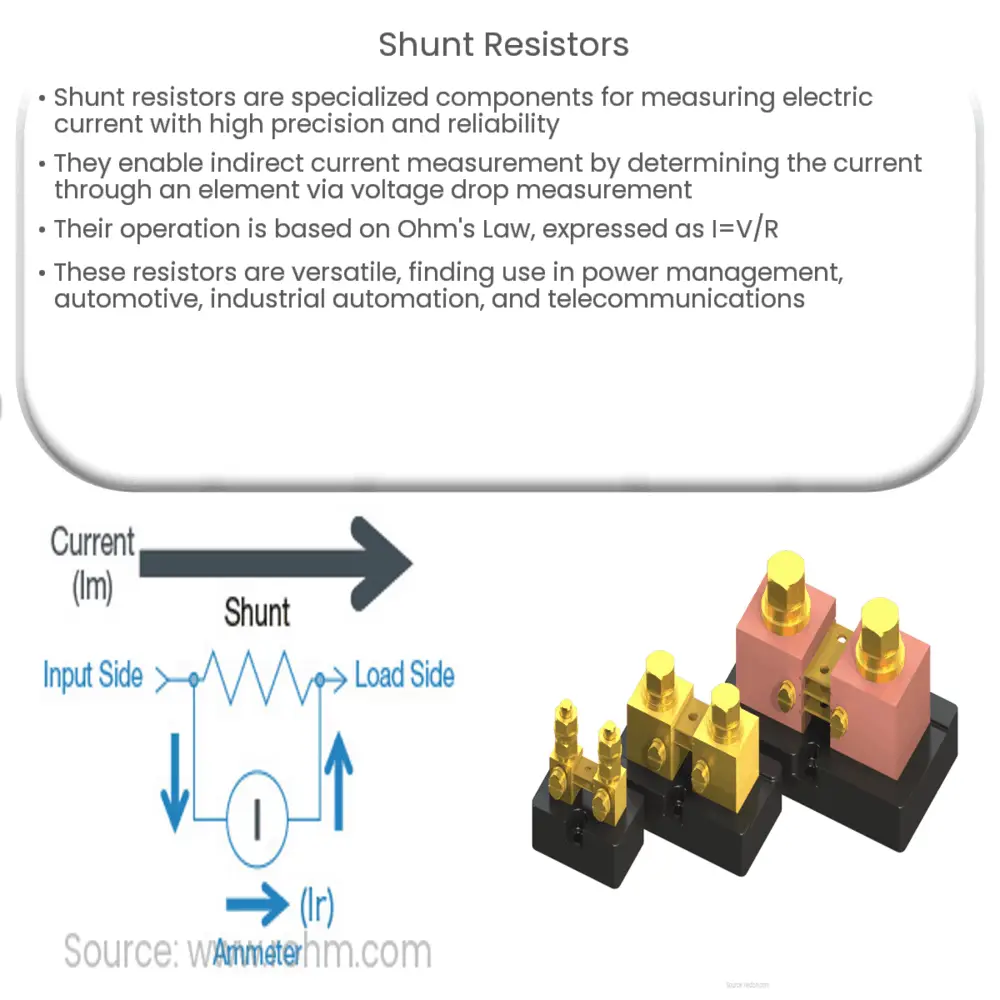
Explore the world of shunt resistors: their purpose, working principle, types, applications, and selection considerations.
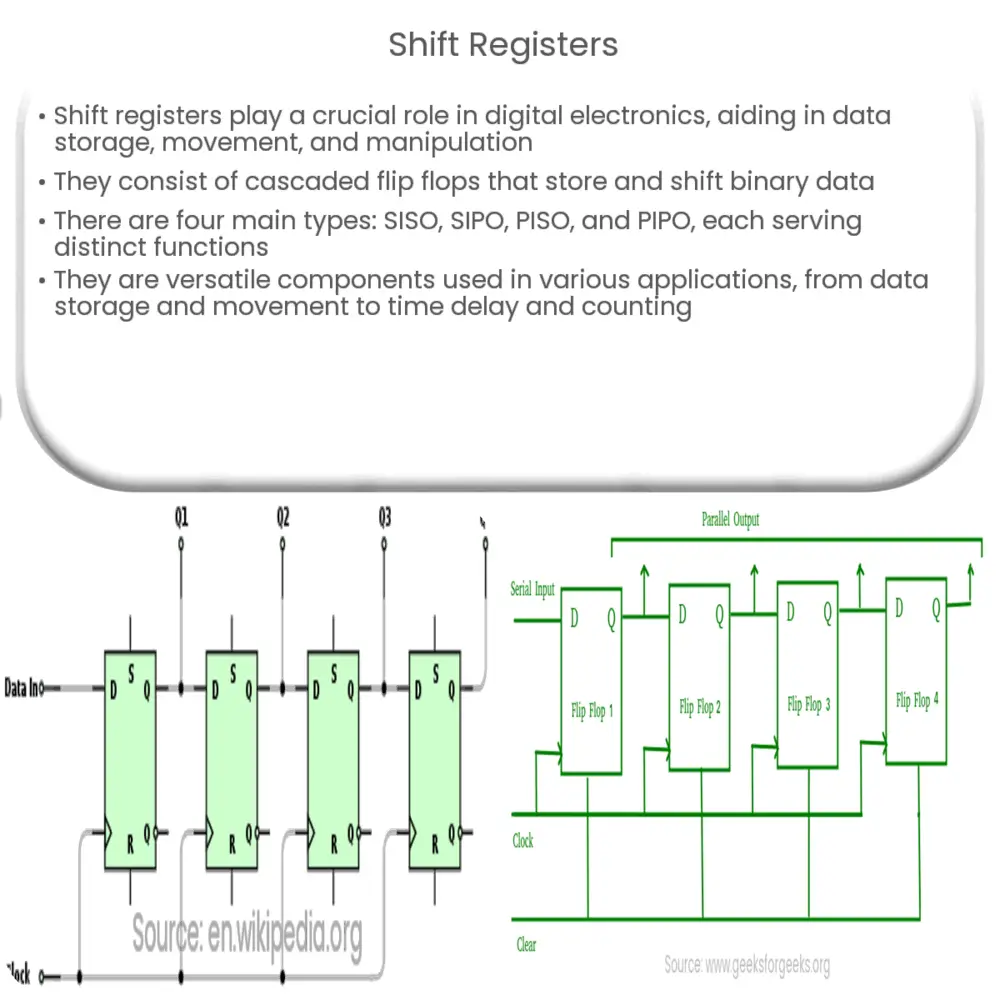
Explore the fundamentals of shift registers in digital systems, their types, working principles, applications, advantages, and limitations.

Explore the workings, types, applications, pros, and cons of seven-segment displays, commonly used in digital clocks, meters, and calculators.
Explore the fascinating world of semiconductive materials, such as silicon and germanium, that power our digital age.

Explore the functions, applications, and interfacing of SD Card Modules with microcontrollers. Enhance your DIY electronics projects.

The primary purpose of this project is to help the public to learn some exciting and important information about electricity and magnetism.
Our Website follows all legal requirements to protect your privacy. Visit our Privacy Policy page.
The Cookies Statement is part of our Privacy Policy.
The information contained on this website is for general information purposes only. This website does not use any proprietary data. Visit our Editorial note.
It’s simple:
1) You may use almost everything for non-commercial and educational use.
2) You may not distribute or commercially exploit the content, especially on another website.


