What are the applications of nonlinear resistors in electronic circuits?
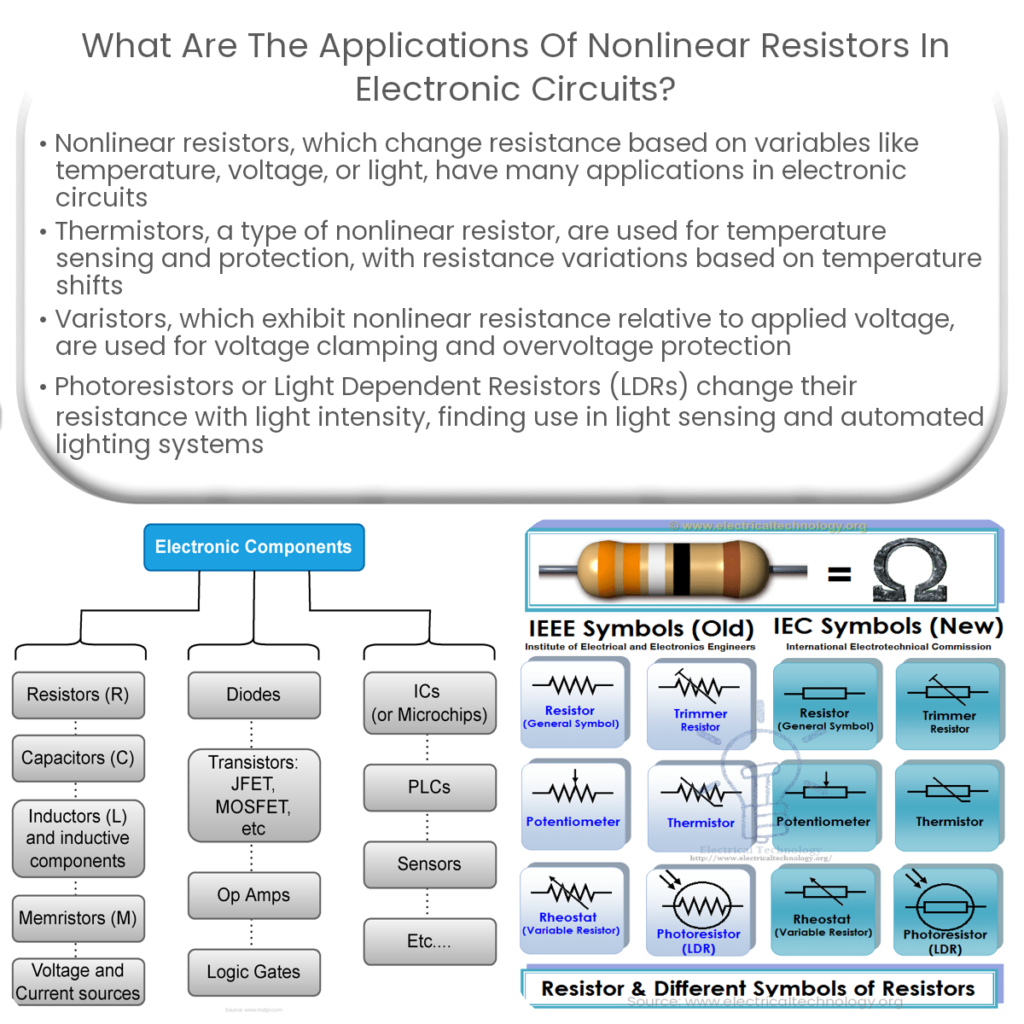
Nonlinear resistors, like thermistors, varistors, and photoresistors, are used for temperature sensing, voltage regulation, light sensing, and component protection.
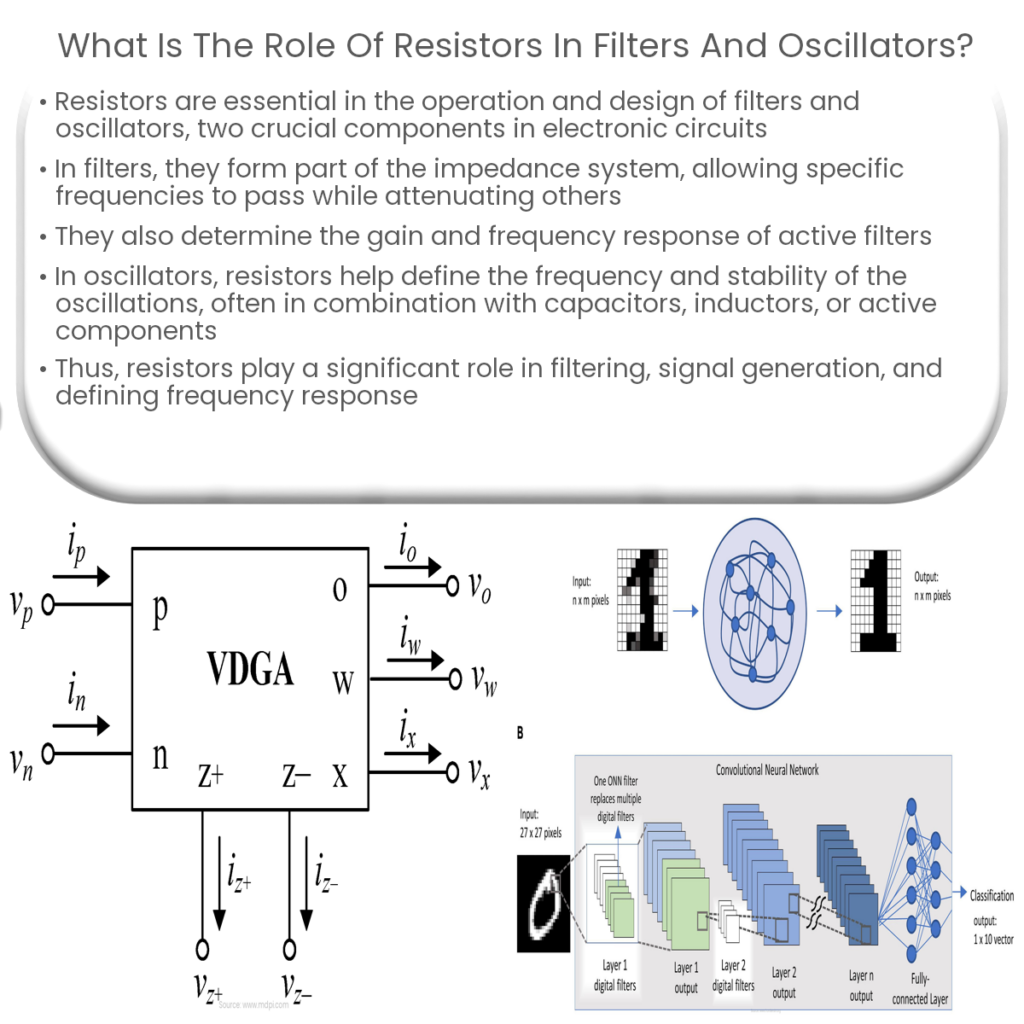
Resistors help define frequency response and stability in filters and oscillators, shaping their performance for specific applications.
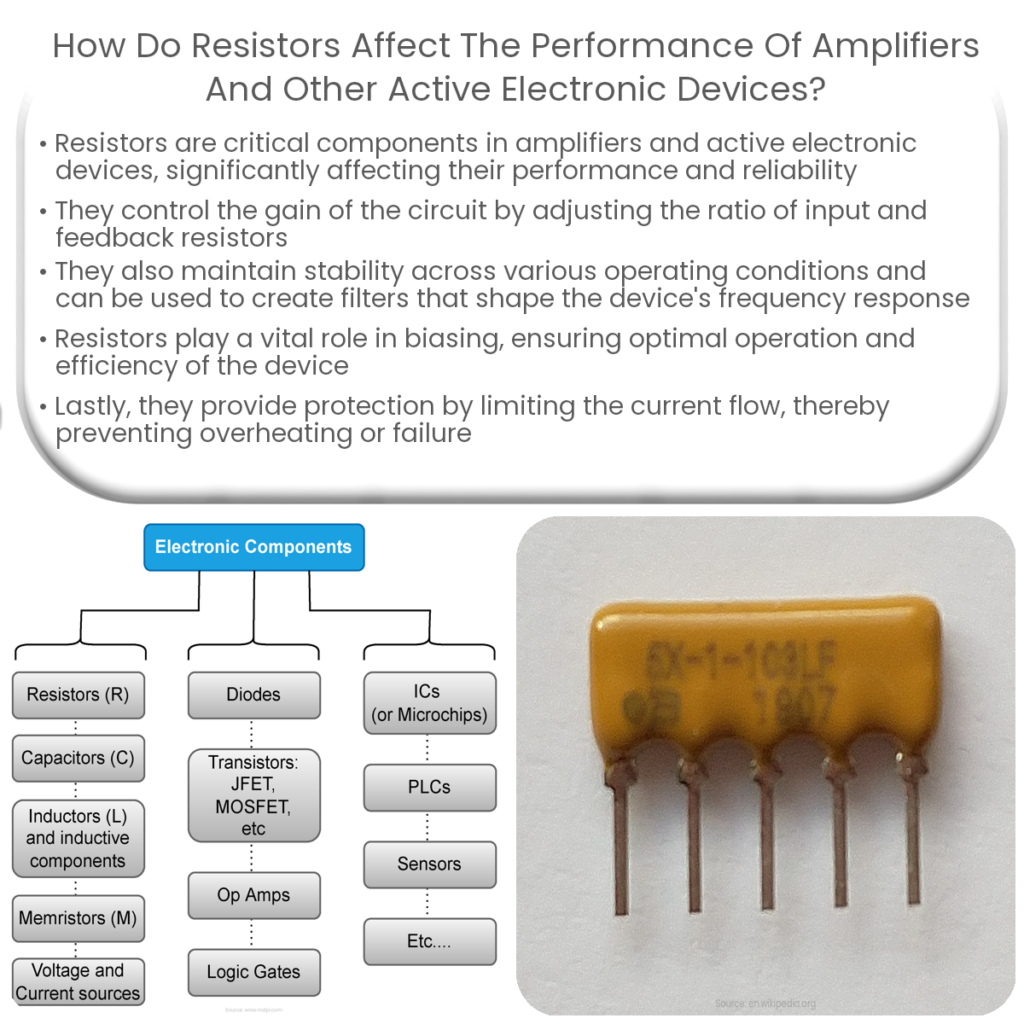
Resistors impact gain control, stability, frequency response, biasing, and protection in amplifiers and active electronic devices, shaping performance.
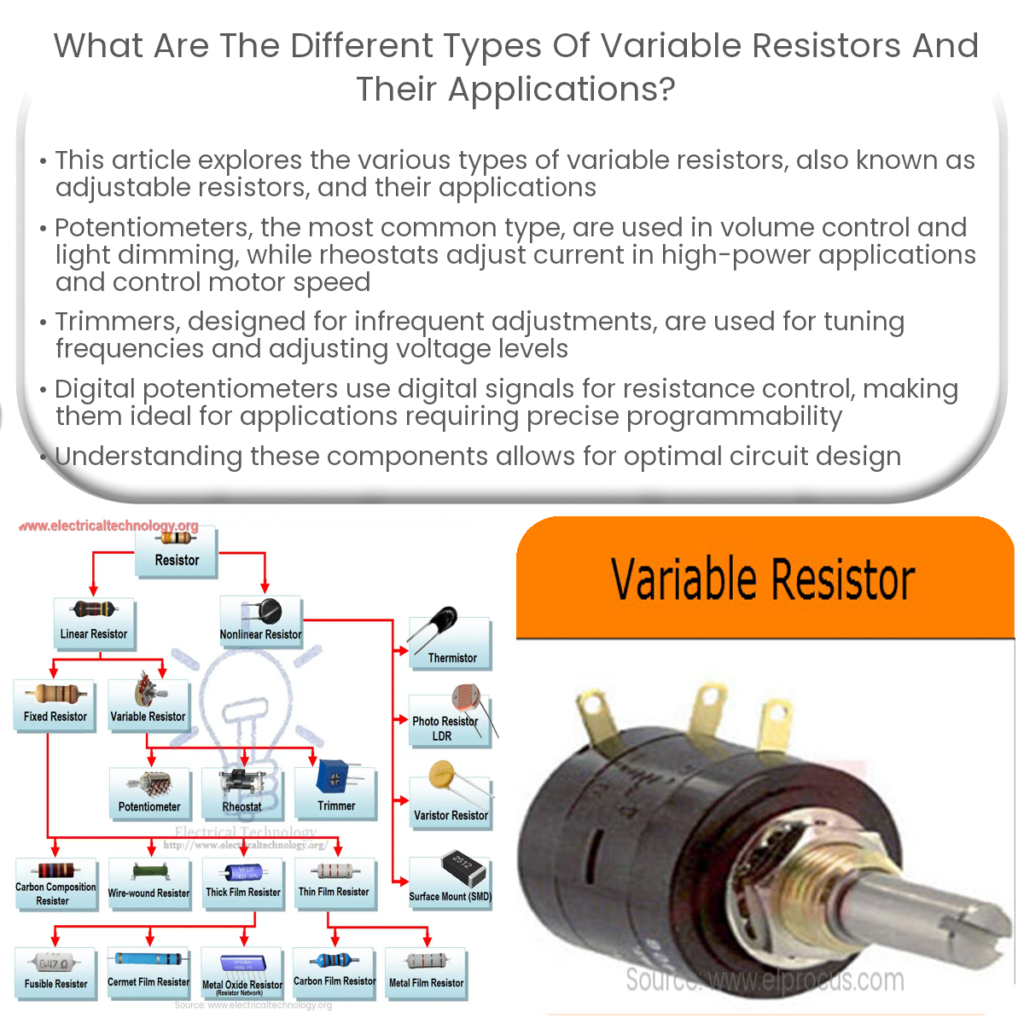
Variable resistors include potentiometers, rheostats, trimmers, and digital potentiometers, used in applications like volume control, motor speed, and calibration.
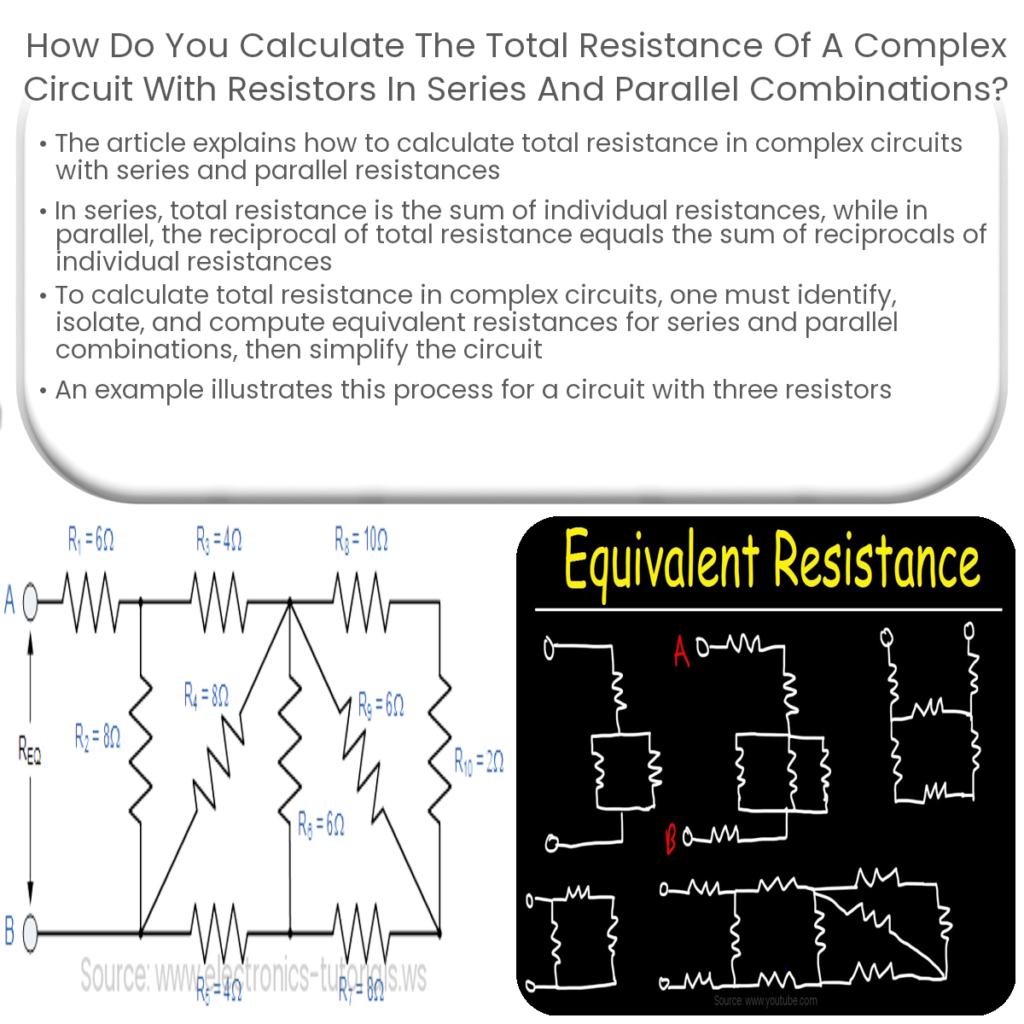
To calculate total resistance in a complex circuit, first simplify series and parallel combinations, then combine the equivalent resistances.
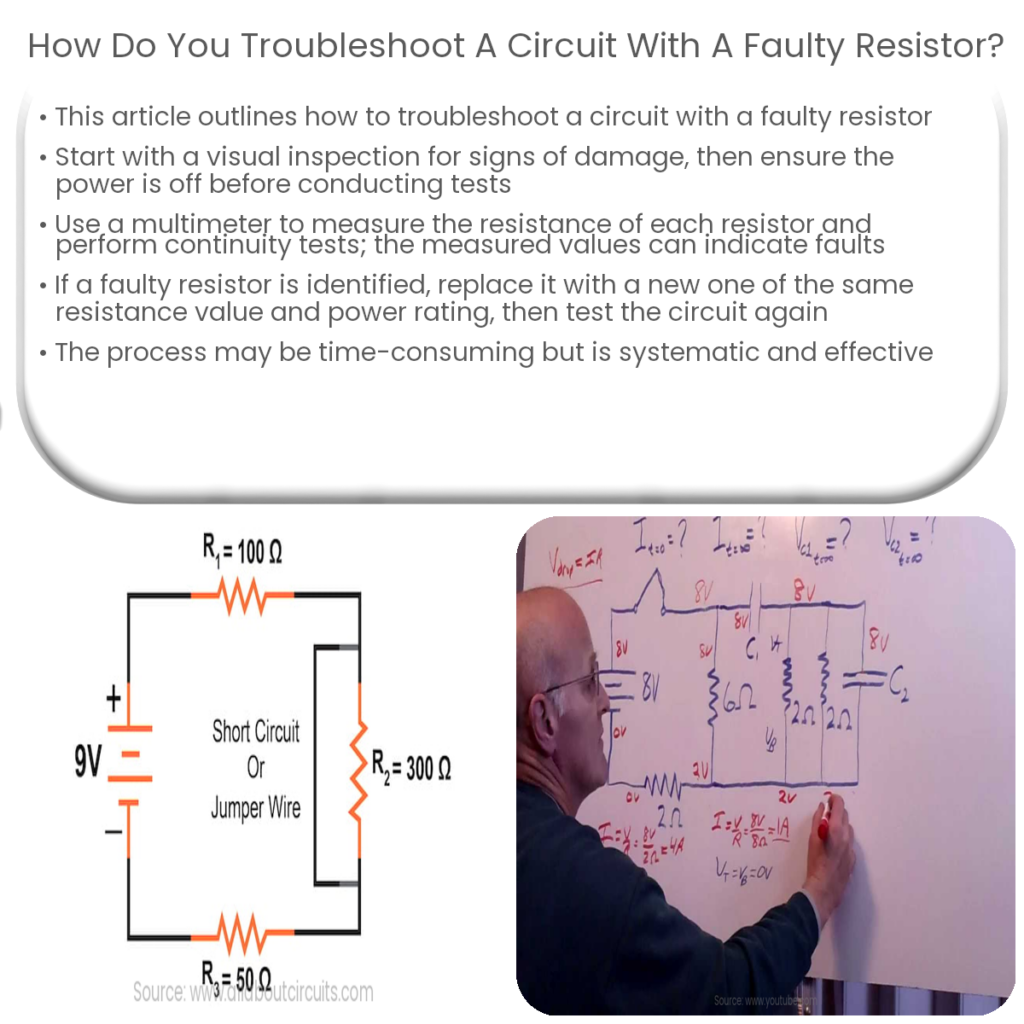
To troubleshoot a faulty resistor, visually inspect the circuit, use a multimeter to test resistance, isolate the resistor, replace if needed, and retest the circuit.
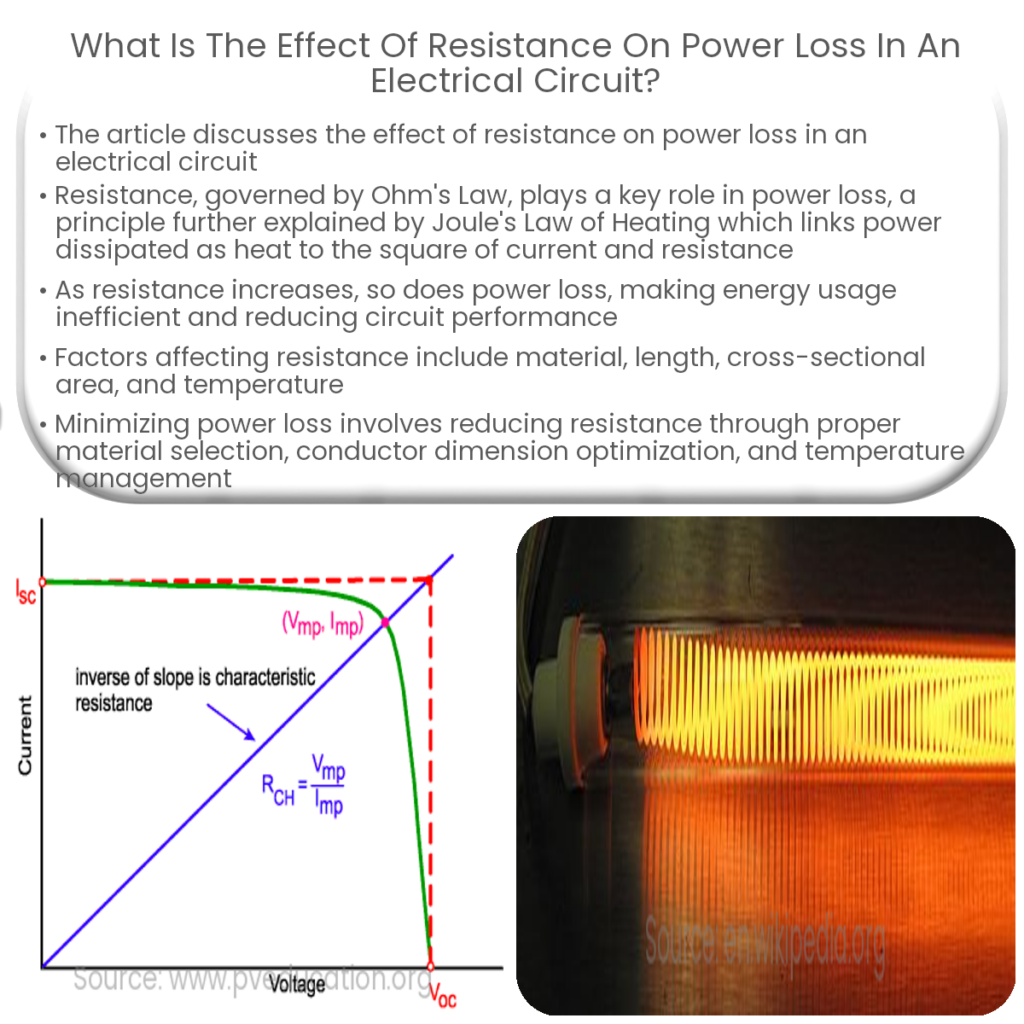
Resistance impacts power loss in a circuit, as increased resistance results in higher power dissipation in the form of heat, reducing energy efficiency.
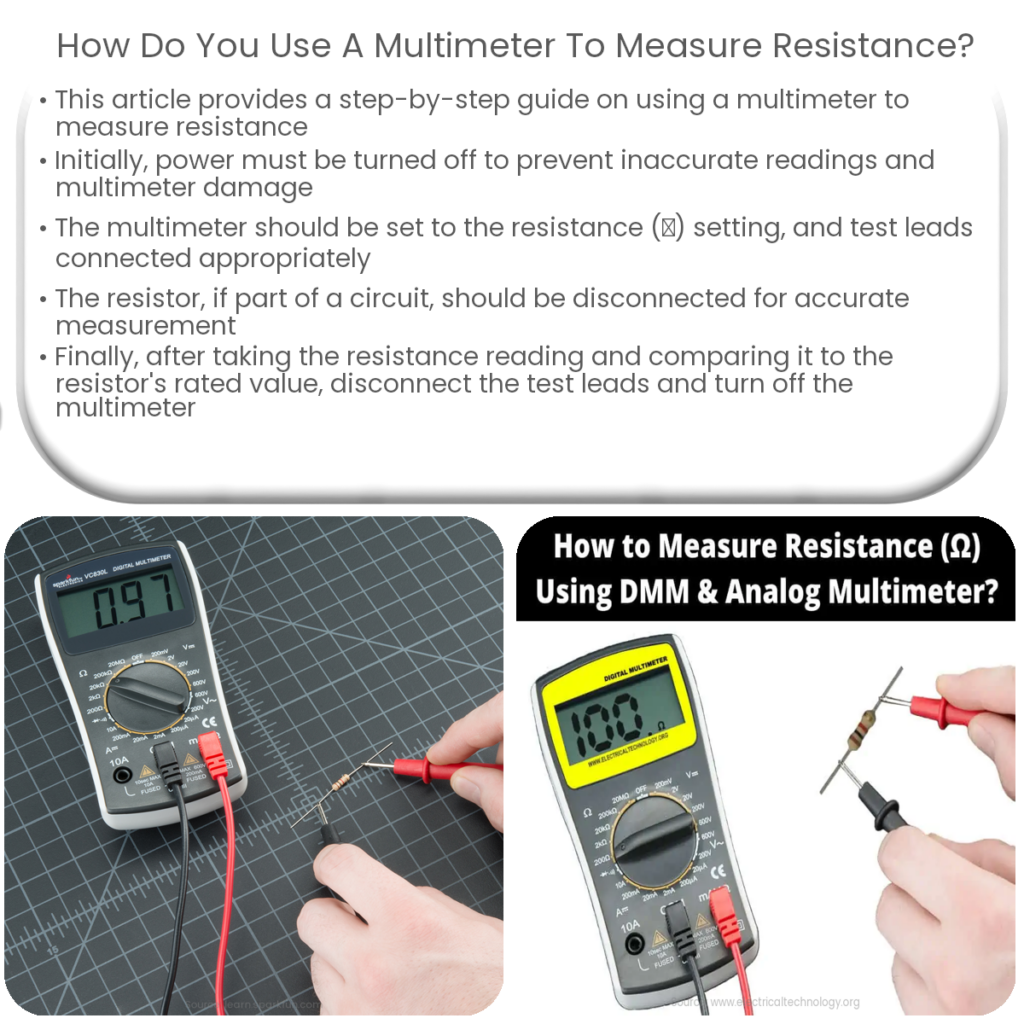
To measure resistance using a multimeter, turn off power, set multimeter to resistance, connect test leads, touch probes to resistor leads, and read value.
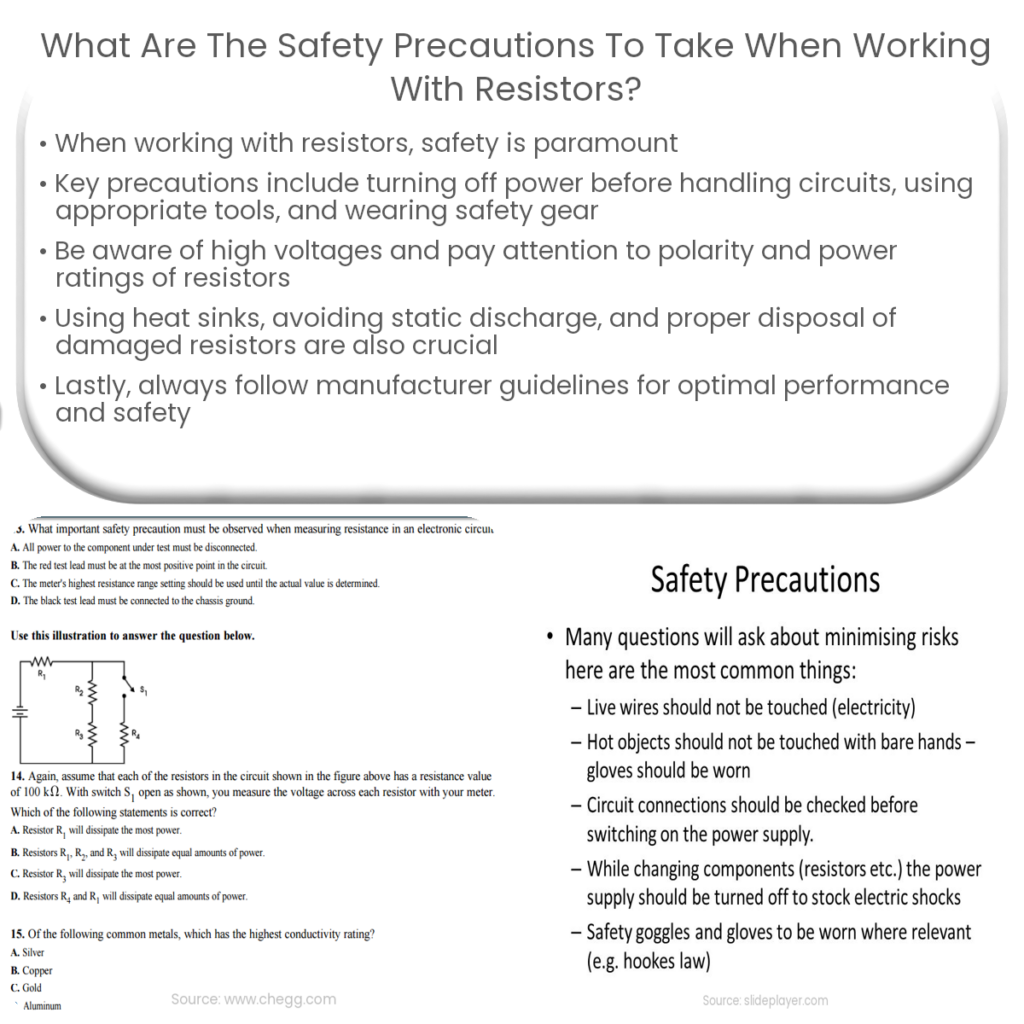
When working with resistors, turn off power, use proper tools, wear safety equipment, avoid static discharge, and follow manufacturer guidelines.
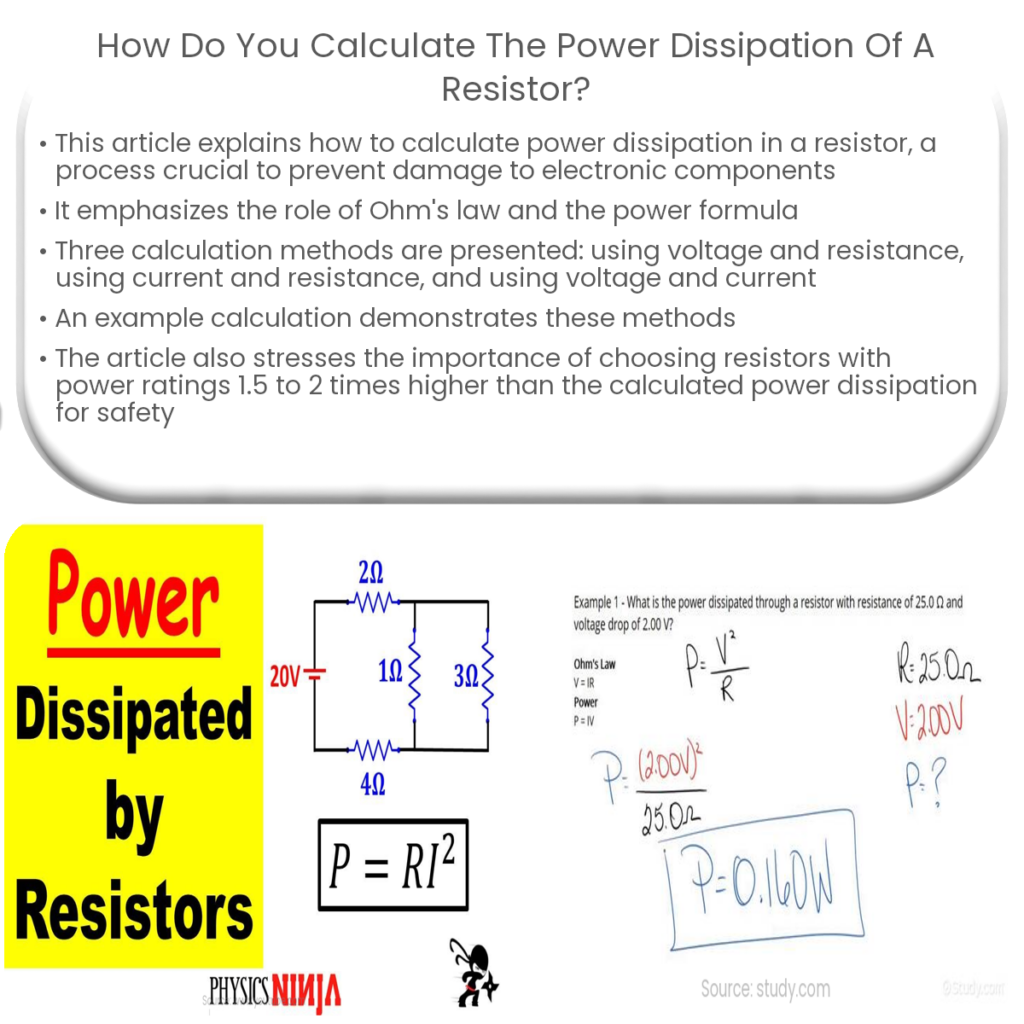
To calculate power dissipation in a resistor, use P=V^2/R, P=I^2R, or P=VI, depending on the available values for voltage, current, and resistance.

The primary purpose of this project is to help the public to learn some exciting and important information about electricity and magnetism.
Our Website follows all legal requirements to protect your privacy. Visit our Privacy Policy page.
The Cookies Statement is part of our Privacy Policy.
The information contained on this website is for general information purposes only. This website does not use any proprietary data. Visit our Editorial note.
It’s simple:
1) You may use almost everything for non-commercial and educational use.
2) You may not distribute or commercially exploit the content, especially on another website.