
정전기 방전(ESD) 예방을 위한 안전한 작업 환경 구축 방법 및 ESD 안전 복장, 신발, 접지 매트의 중요성에 대해 설명합니다.
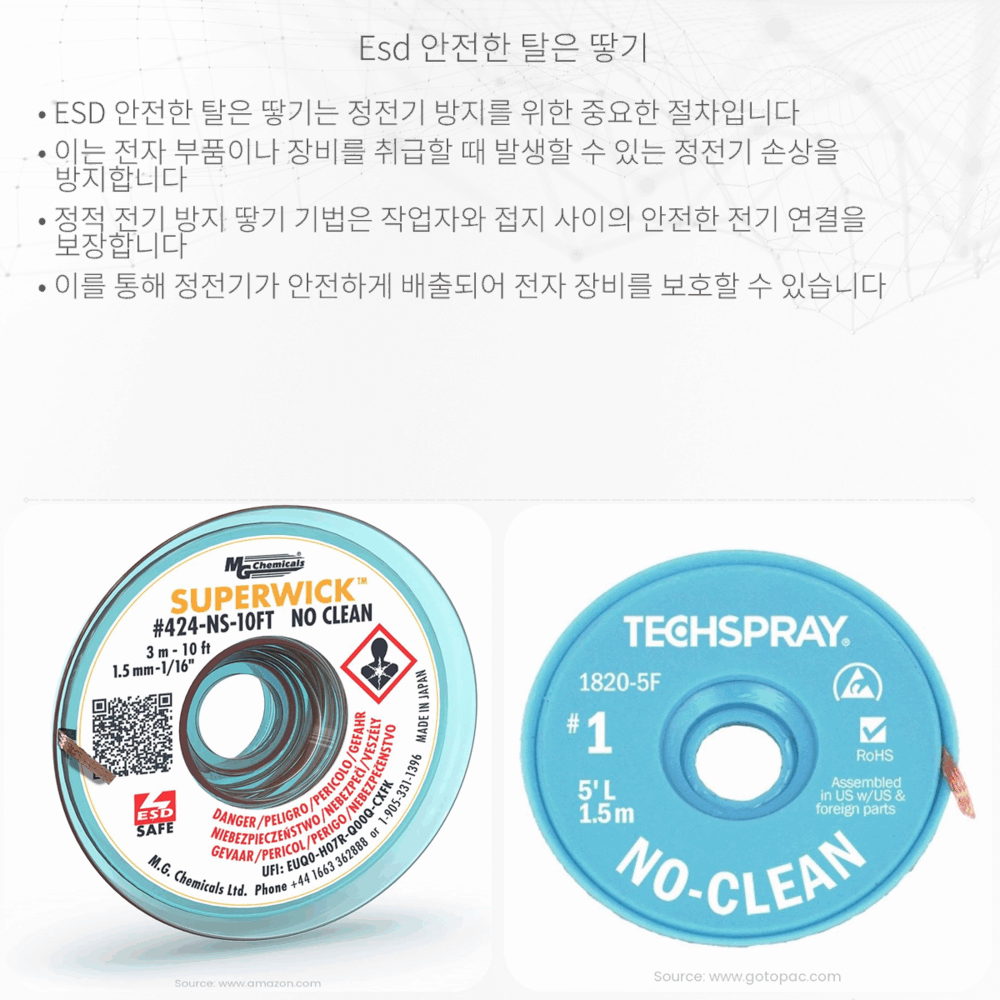
ESD 안전한 탈은 땋기의 기초
전자기기를 다룰 때 ‘정전기 방전(ESD: Electrostatic Discharge)’은 흔히 발생할 수 있는 문제로, 전자 부품에 치명적인 손상을 입힐 수 있습니다. ESD를 효과적으로 방지하는 것은 정밀 전자 기기의 수명을 연장하고 안정성을 보장하는 데 필수적입니다. ESD 안전한 탈은 땋기는 이러한 문제를 예방하기 위한 방법 중 하나입니다.
ESD가 발생하는 원리를 설명하기 위해서는 기본적인 전기와 자기에 대한 이해가 필요합니다. 물체가 전하를 띠게 되면 주변에 전기장을 형성하게 됩니다. 이 전기장은 다른 물체에도 영향을 미칠 수 있으며, 특히 전기가 통하지 않는 물체에 정전기가 쌓이게 됩니다. 이러한 정전기가 갑작스럽게 방전되어 다른 물체나 사람에게 전기적 충격을 줄 때 ESD라고 합니다.
- 접지(Grounding): 접지는 정전기가 쌓이는 것을 방지하는 가장 기본적인 방법입니다. 정전기가 통로를 통해 접지로 소멸되도록 하여 ESD 발생 가능성을 낮춥니다.
- 정전기 방지 소재(ESD-safe materials): 특정 소재는 전기가 잘 통하지 않게 만들어져서 정전기 충전을 최소화합니다. 이러한 소재를 사용하여 작업대나 바닥을 만듦으로써, 정전기의 발생을 줄일 수 있습니다.
- 방전 방지 장비(Anti-static devices): 손목 스트랩이나 에어 이온화 장치와 같은 특수 장비를 사용하여 작업자와 작업 환경으로부터 정전기를 중화시킵니다.
ESD 안전한 탈은 땋기는 작업자가 발이나 복장을 통해 정전기를 방전할 가능성을 낮추는데 중점을 둡니다. 적절한 복장, ESD 안전한 신발, 접지 매트 사용은 중요한 요소입니다. 복장은 전기적으로 도전이 잘 되는 소재로 만들어져서 정전기가 누적되는 것을 방지하고, ESD 안전한 신발은 접지와 함께 사용되어 바닥에서의 충전을 방지합니다. 접지 매트는 작업자가 서 있는 위치에서 바닥으로 정전기가 흐를 수 있는 경로를 제공합니다.
The Importance of Humidity in ESD Control
Humidity plays a crucial role in mitigating ESD risks. In environments with very low humidity, the air becomes an insulator, which allows static charges to build up more easily. On the other hand, when the air is moist, it can conduct electricity slightly, which helps to dissipate static charges. Therefore, maintaining an environment with controlled humidity is key to preventing ESD. Typically, a humidity level of 40-60% is considered ideal for ESD control.
Implementing an ESD Control Program
For companies dealing with sensitive electronic equipment, establishing a comprehensive ESD control program is vital. This program should include training for employees, regular testing of ESD control devices, and constant monitoring of the work environment. It’s not just about having the right tools; it’s about using them correctly and ensuring that everyone is aware of the best practices to prevent static damage.
Conclusion
In conclusion, ESD is a serious concern in the electronics industry, capable of causing damage that is often invisible but can severely compromise the functionality of electronic components. Understanding the principles of ESD and implementing effective prevention techniques like grounding, using ESD-safe materials, anti-static devices, controlled humidity, and comprehensive training programs, are critical to safeguarding sensitive electronic equipment. When these measures are employed in a disciplined and knowledgeable manner, the risk of ESD damage can be significantly reduced, ensuring the longevity and reliability of electronic devices.


