
Explore the importance of ESD Safe Brushes in protecting electronic components, their types, maintenance, and how to choose the right one.
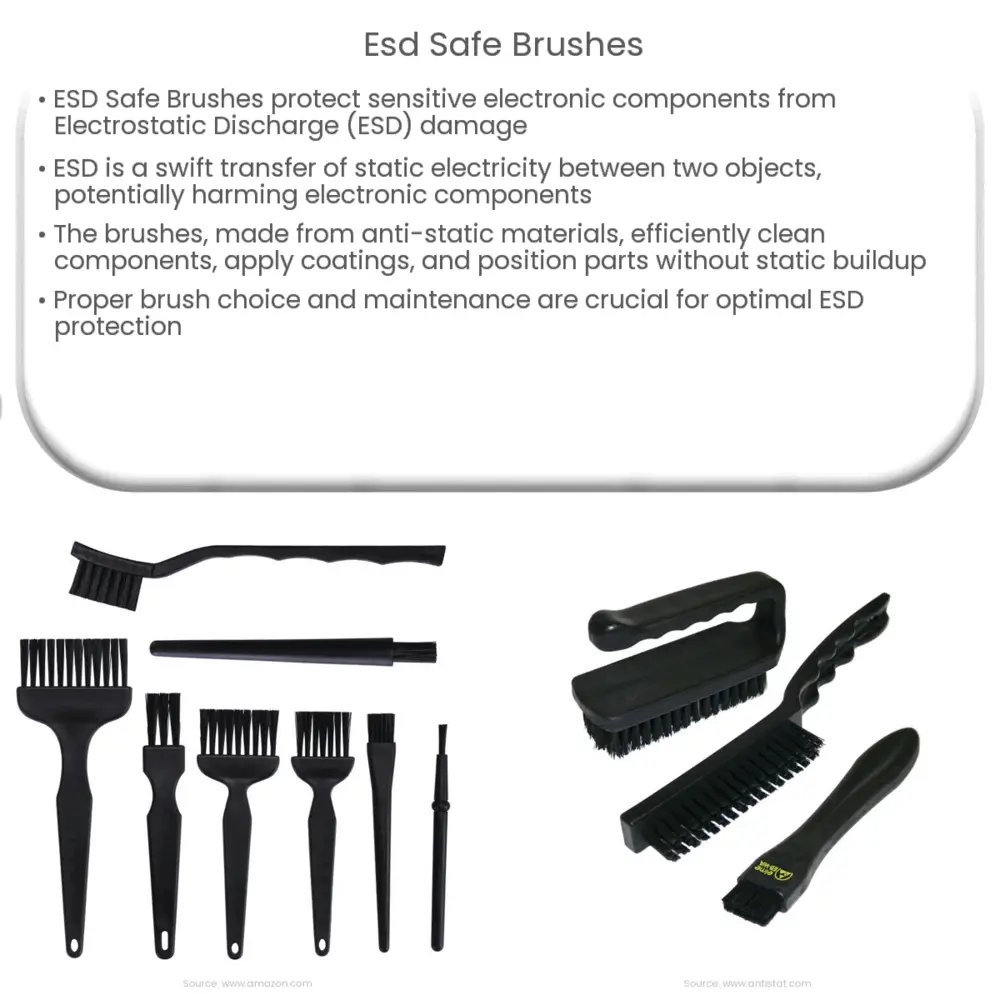
Understanding the Importance of ESD Safe Brushes
Every day in countless industries, sensitive electronic components are handled and assembled. These delicate parts are susceptible to damage from Electrostatic Discharge (ESD). This is where ESD Safe Brushes come into play. They are crucial tools in the protection of these electronic components against potentially devastating static charges.
What is ESD?
ESD, short for Electrostatic Discharge, is a phenomenon where static electricity is suddenly and swiftly transferred between two objects. This usually occurs when they come into direct contact or through an induced electric field. ESD can cause significant damage to electronic components, resulting in system failures or compromised performance.
The Role of ESD Safe Brushes
ESD safe brushes are designed to protect electronic components during manufacturing, repair, cleaning, and assembly processes. They are made from anti-static materials that do not generate a charge when rubbed against other materials. This makes them the perfect tool for brushing off debris or applying coating materials without risking static buildup and the subsequent potential for discharge.
- Dust and Debris Cleaning: ESD safe brushes are highly efficient in cleaning dust and debris from electronic components and assemblies, which is crucial in maintaining the integrity and longevity of the devices.
- Coating Application: When applying coatings or other materials to electronic components, ESD safe brushes ensure that no static electricity is generated during the process.
- Component Positioning: During assembly, ESD safe brushes can be used to carefully position or reposition components without inducing a charge.
ESD Safe Brushes and Their Materials
These specialized brushes are made from materials designed to prevent the buildup of static electricity. Such materials can be either conductive or dissipative. Conductive materials allow electricity to flow freely, while dissipative materials control the electric charge to ensure it dissipates slowly and safely. This dichotomy is crucial in determining the effectiveness of ESD safe brushes in their respective applications.
Types of ESD Safe Brushes
ESD safe brushes come in many forms to suit different applications and requirements. These types vary based on factors such as bristle material, handle material, and brush size.
- Natural Bristle Brushes: These are made from animal hair or vegetable fibers. They are excellent for cleaning sensitive components where abrasive action could cause damage.
- Synthetic Bristle Brushes: Often composed of materials like nylon or polyester, these brushes can be conductive, static-dissipative, or insulative based on the specific material and the requirements of the application.
- Metal Bristle Brushes: These brushes, usually made of brass or stainless steel, are ideal for more vigorous cleaning tasks where static control is still important.
Maintaining ESD Safe Brushes
Maintenance of ESD safe brushes is relatively straightforward. It generally involves regular cleaning to remove accumulated dust and debris, which can influence the brush’s ESD properties. Furthermore, it’s recommended to replace brushes when they become worn or damaged, as this can also affect their ability to prevent static buildup.
Choosing the Right ESD Safe Brush
Choosing the right ESD safe brush depends on the specific application, the sensitivity of the components being handled, and the environment in which they are used. Factors such as bristle stiffness, brush size, and handle material all come into play. By understanding these variables, you can make an informed choice that ensures the safety of your electronic components.
Conclusion
In conclusion, ESD safe brushes play an indispensable role in industries dealing with electronic components. They offer a simple, yet highly effective method for managing electrostatic discharge, thereby protecting sensitive parts from damage. By understanding the role and importance of these brushes, their types, and how to choose the right one, businesses can significantly improve the lifespan and performance of their electronic devices, ultimately enhancing productivity and reducing costs.