
What does it mean “electric”?

30-second summary

Term “electric”

Beginning in 1570, an English physician William Gilbert studied among others attractive forces produced by rubbing amber. He found that a number of gems such as diamond, sapphire, amethyst, opal, and even ordinary rock crystal produced such attractive forces when rubbed. He called these substances “electrics.” A substance showing such an attractive force was said to be electrified or to have gained an electric charge.

The word electrica, which comes from word “elektron” (the Greek word for amber), gave rise to the words electric, electricity, and their relatives because of amber’s ability to bear a charge of static electricity.
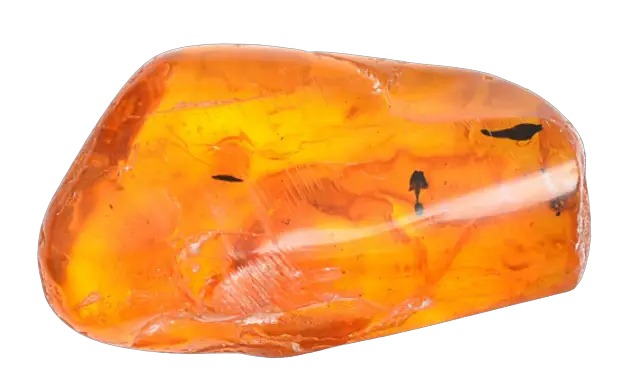

amber - elektron
The word electrica, which comes from the word “elektron” (the Greek word for amber), gave rise to the words electric, electricity, and their relatives because of amber’s ability to bear a charge of static electricity.

header - logo

The primary purpose of this project is to help the public to learn some exciting and important information about electricity and magnetism.

Privacy Policy

Our Website follows all legal requirements to protect your privacy. Visit our Privacy Policy page.

The Cookies Statement is part of our Privacy Policy.

Editorial note

The information contained on this website is for general information purposes only. This website does not use any proprietary data. Visit our Editorial note.

Copyright Notice

It’s simple:

1) You may use almost everything for non-commercial and educational use.

2) You may not distribute or commercially exploit the content, especially on another website.