
How do capacitive voltage transformers work in high-voltage power systems?

CVTs work in high-voltage power systems by dividing high voltage using a capacitive divider, then lowering it via an intermediate transformer for measurements.
CVTs work in high-voltage power systems by dividing high voltage using a capacitive divider, then lowering it via an intermediate transformer for measurements.
Capacitors in RF circuits perform DC blocking, impedance matching, filtering, signal coupling, oscillation, and energy storage, ensuring optimal performance.
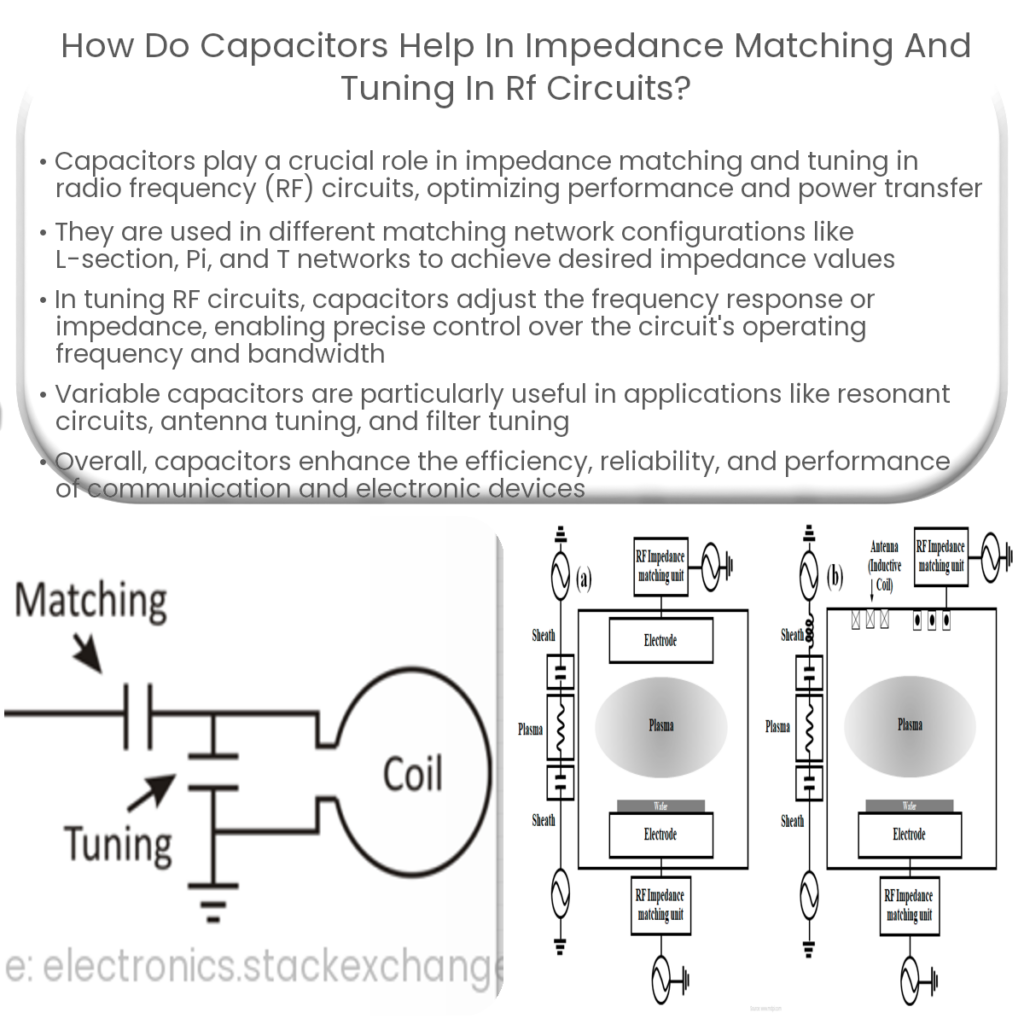
Capacitors help in impedance matching and tuning in RF circuits by forming matching networks, adjusting resonant frequency, and fine-tuning frequency response.
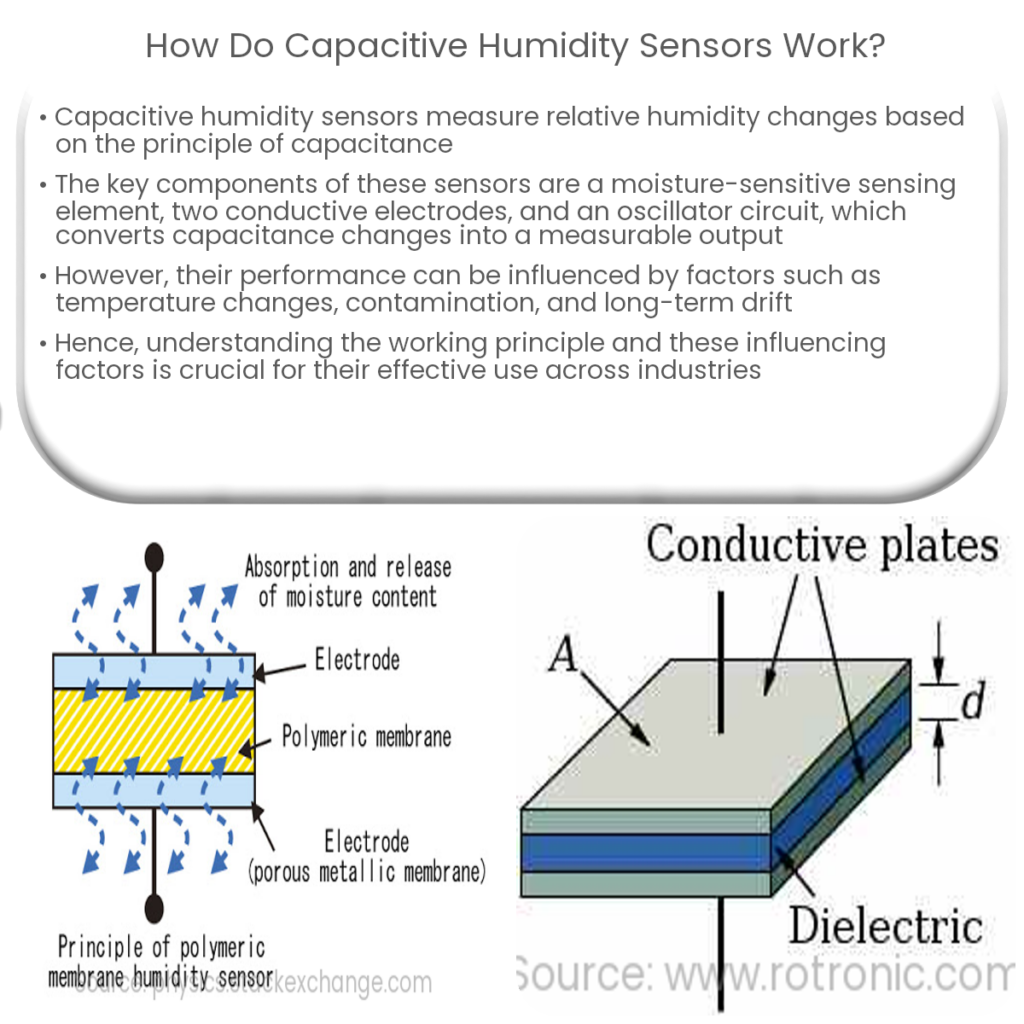
Capacitive humidity sensors work by measuring capacitance changes in a moisture-sensitive dielectric material due to varying humidity levels.

Capacitive humidity sensors are used in weather monitoring, air quality control, greenhouse systems, soil moisture monitoring, HVAC systems, and water resource management.

Capacitive pressure sensors are used in automotive, aerospace, industrial processes, weather monitoring, medical devices, environmental monitoring, and consumer electronics.
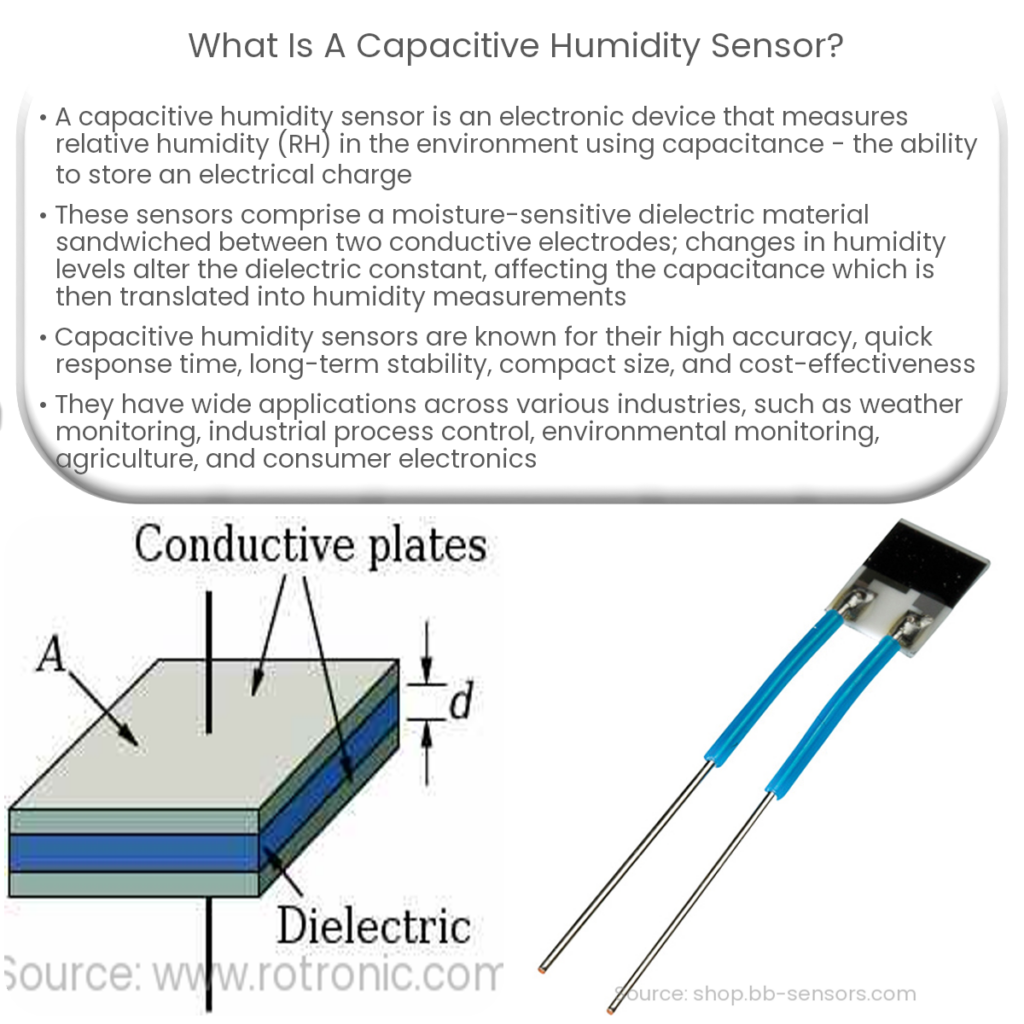
A capacitive humidity sensor measures relative humidity by detecting changes in capacitance of a moisture-sensitive dielectric material.
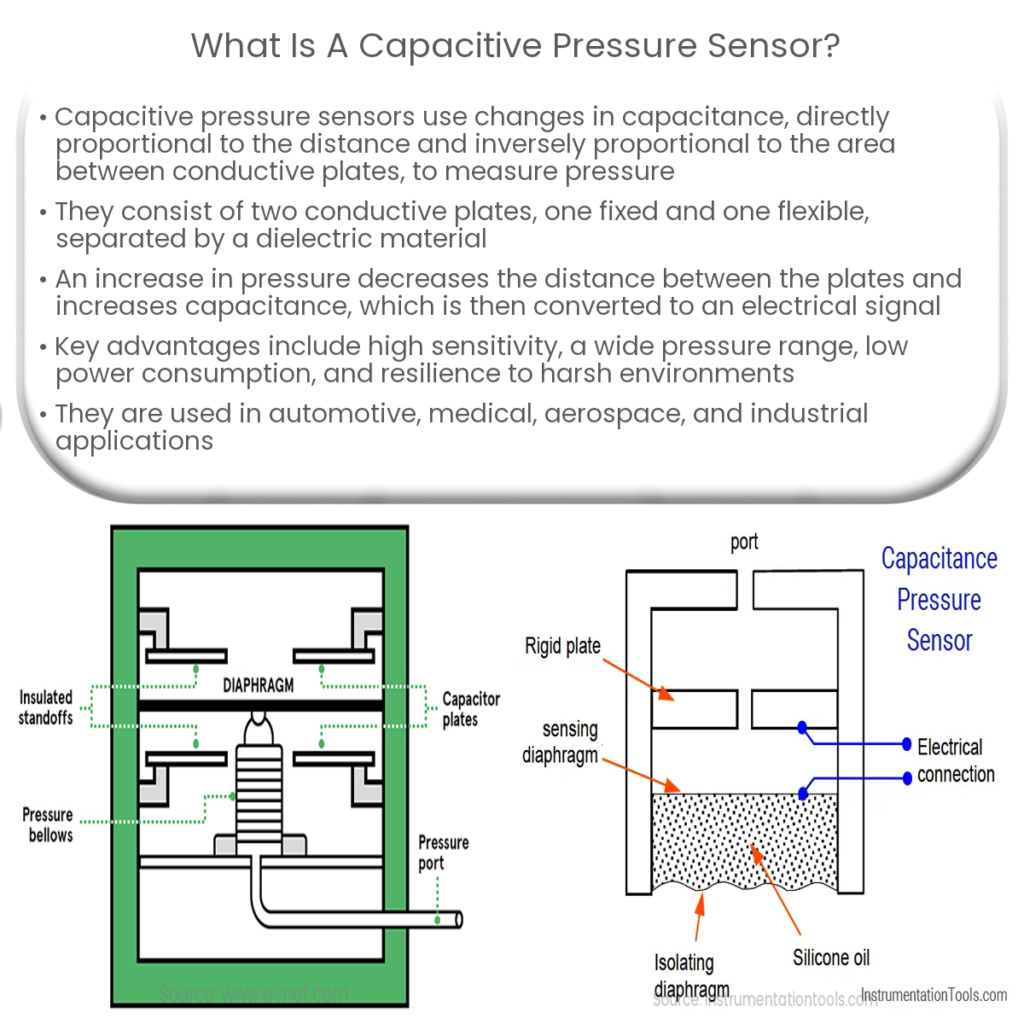
A capacitive pressure sensor measures pressure by detecting changes in capacitance due to variations in the distance between conductive plates.
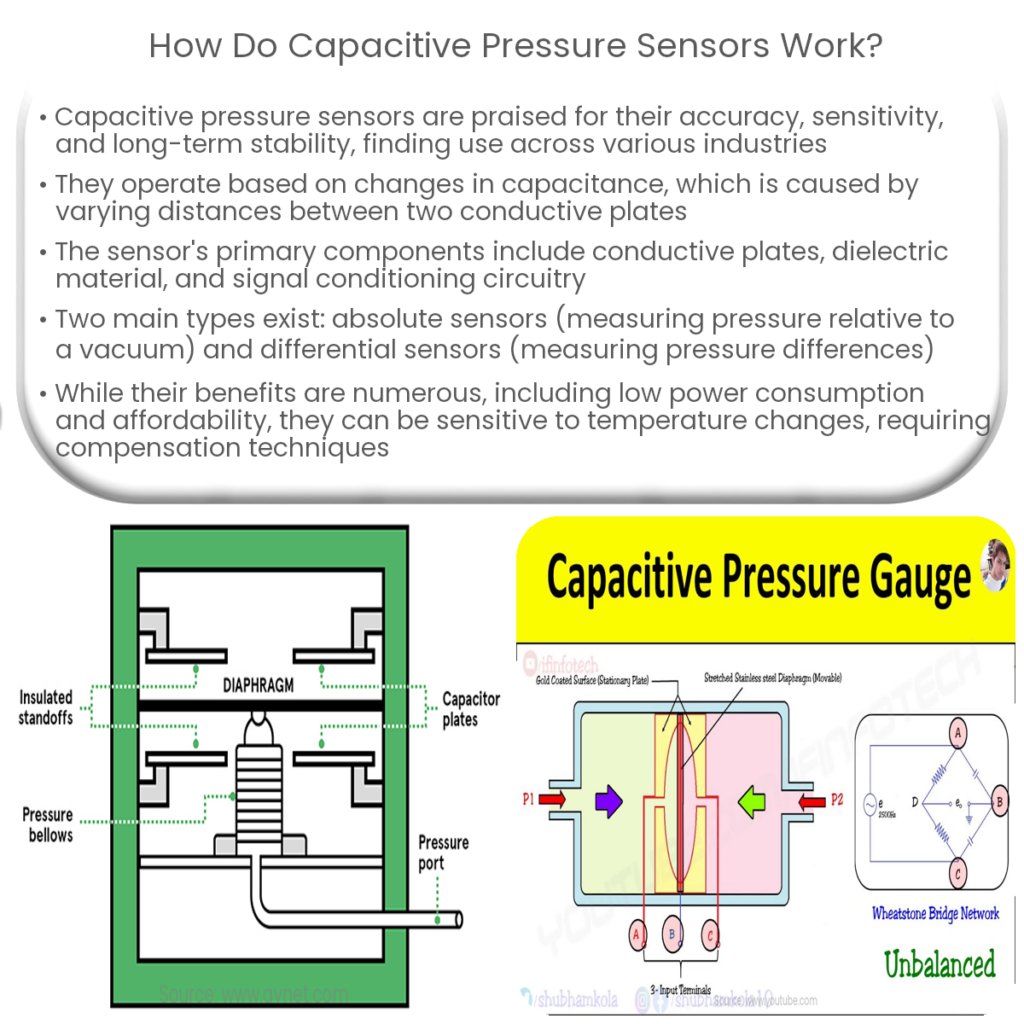
Capacitive pressure sensors detect pressure changes by measuring capacitance variations between two conductive plates.
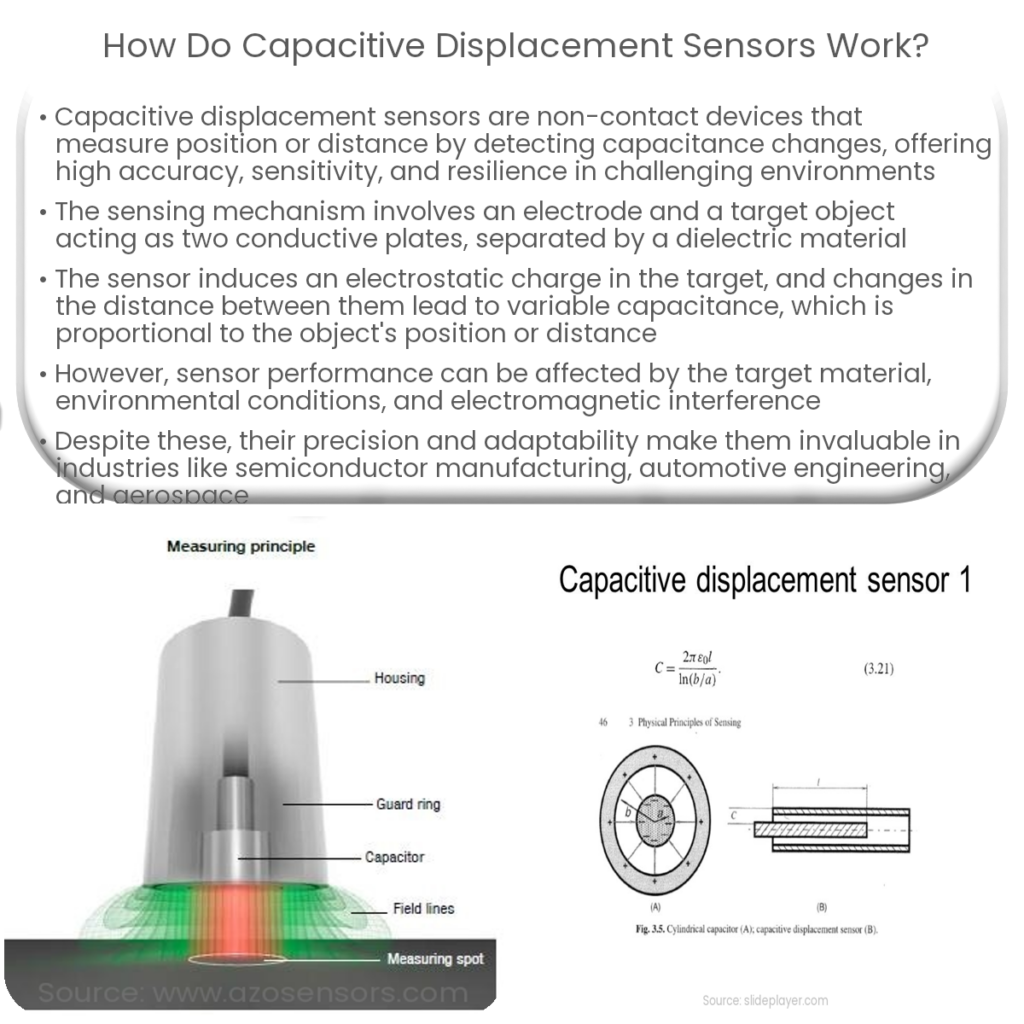
Capacitive displacement sensors measure position or distance by detecting capacitance changes between a sensing electrode and a target object.

The primary purpose of this project is to help the public to learn some exciting and important information about electricity and magnetism.
Our Website follows all legal requirements to protect your privacy. Visit our Privacy Policy page.
The Cookies Statement is part of our Privacy Policy.
The information contained on this website is for general information purposes only. This website does not use any proprietary data. Visit our Editorial note.
It’s simple:
1) You may use almost everything for non-commercial and educational use.
2) You may not distribute or commercially exploit the content, especially on another website.
