
How do you calculate the electric field due to a point charge?
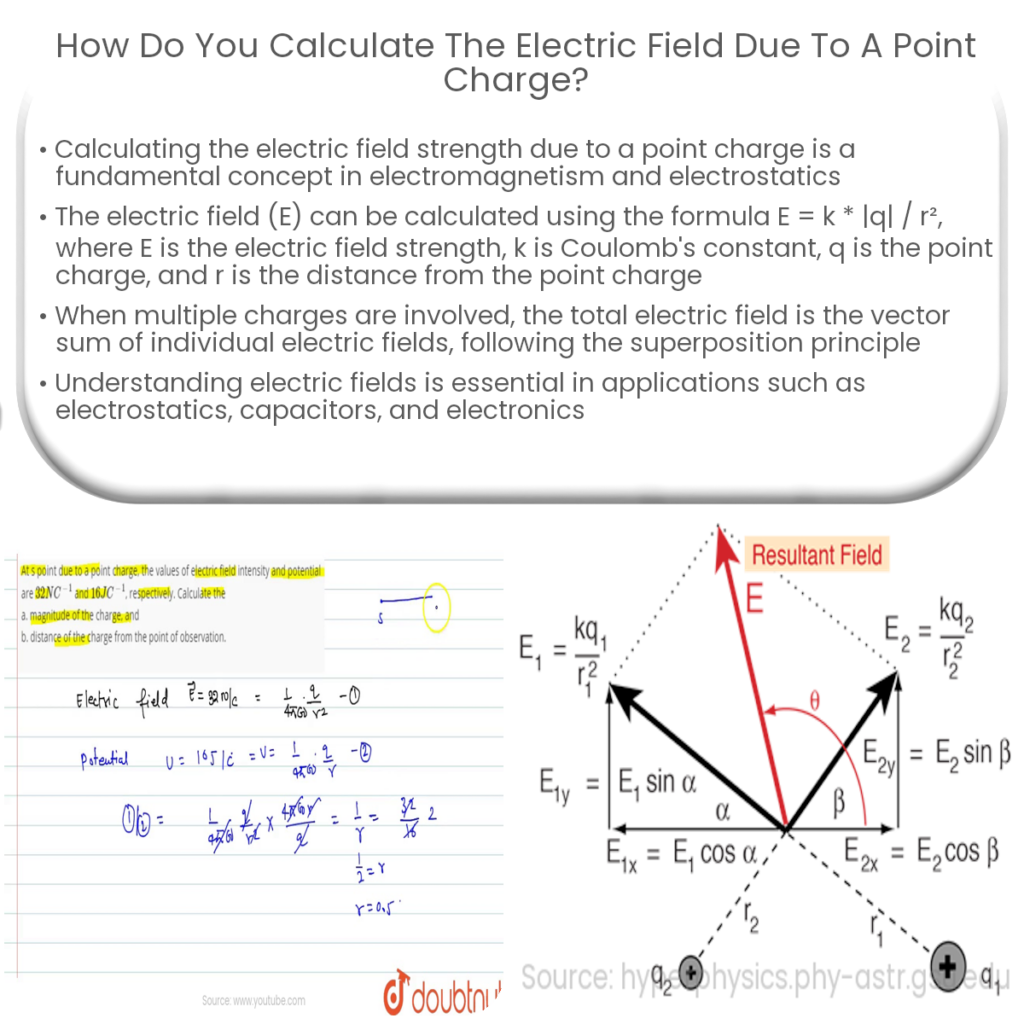
To calculate the electric field due to a point charge, use the formula E = k * |q| / r², where E is the field strength, q is the charge, and r is the distance.
To calculate the electric field due to a point charge, use the formula E = k * |q| / r², where E is the field strength, q is the charge, and r is the distance.
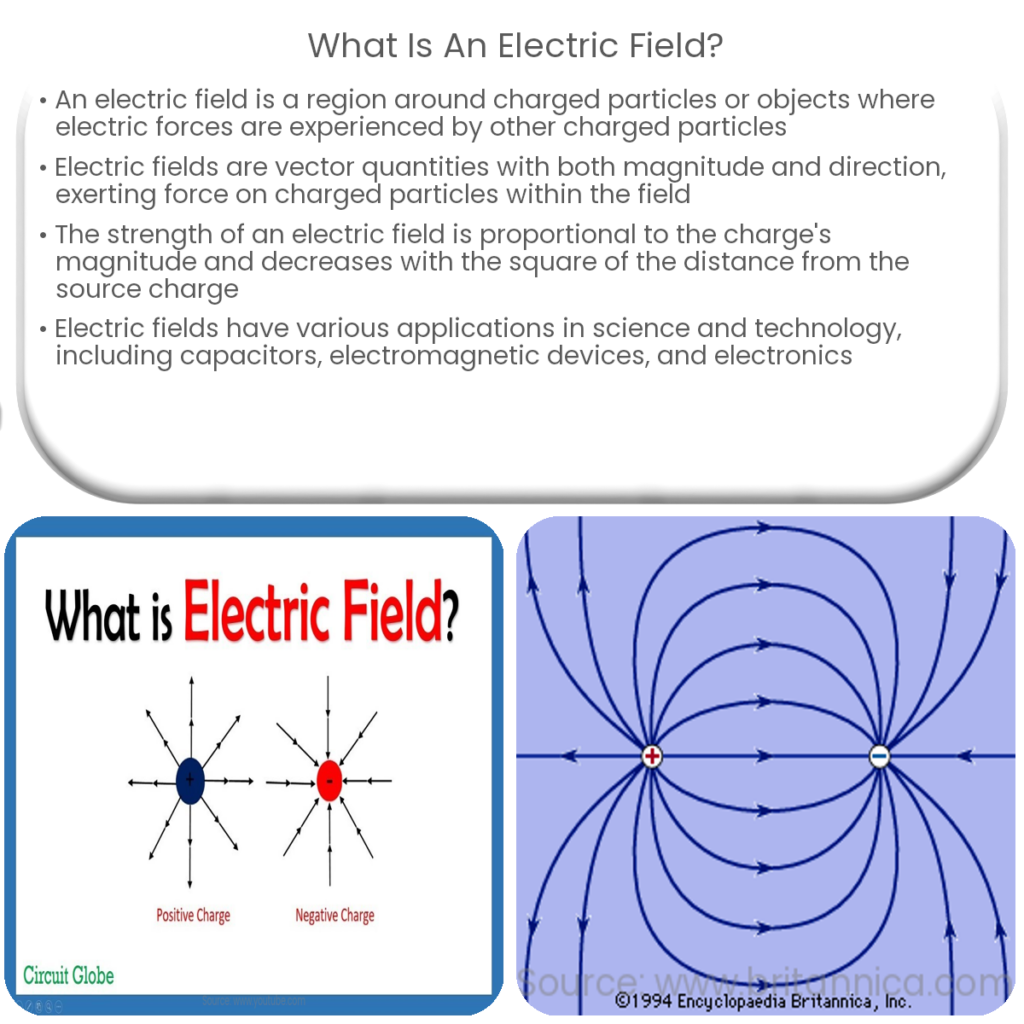
An electric field is a region around a charged particle where other charged particles experience an electric force, influencing their movement.
Coulomb’s Law relates the electrostatic force between charges, with the force being proportional to the charges’ magnitudes and inversely to distance.
Coulomb’s Law describes the electrostatic force between charged particles, with the force dependent on the charges’ magnitudes and their distance.
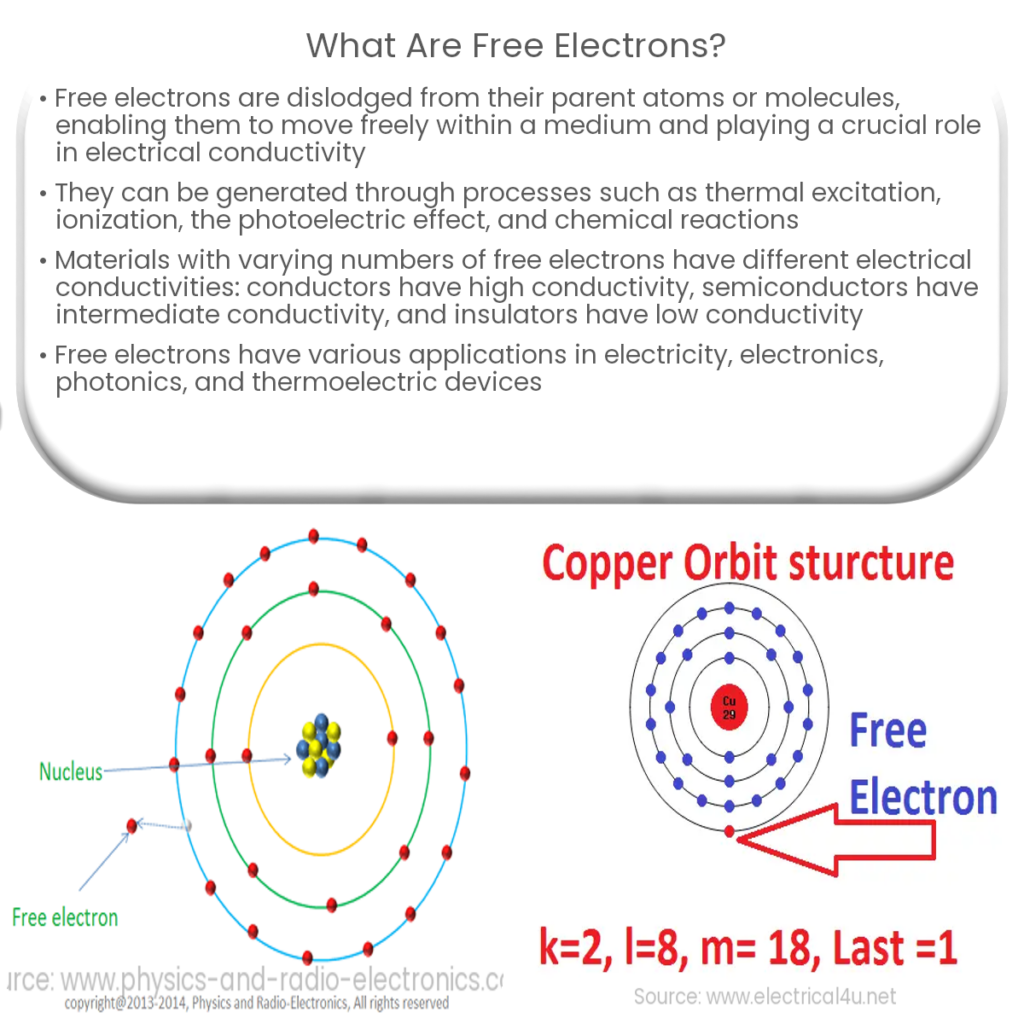
Free electrons are dislodged from atoms or molecules, allowing them to move freely, playing a key role in electrical conductivity and other processes.

Ions are formed through chemical reactions, ionization, and electrolysis, resulting from electron gain or loss in atoms or molecules.
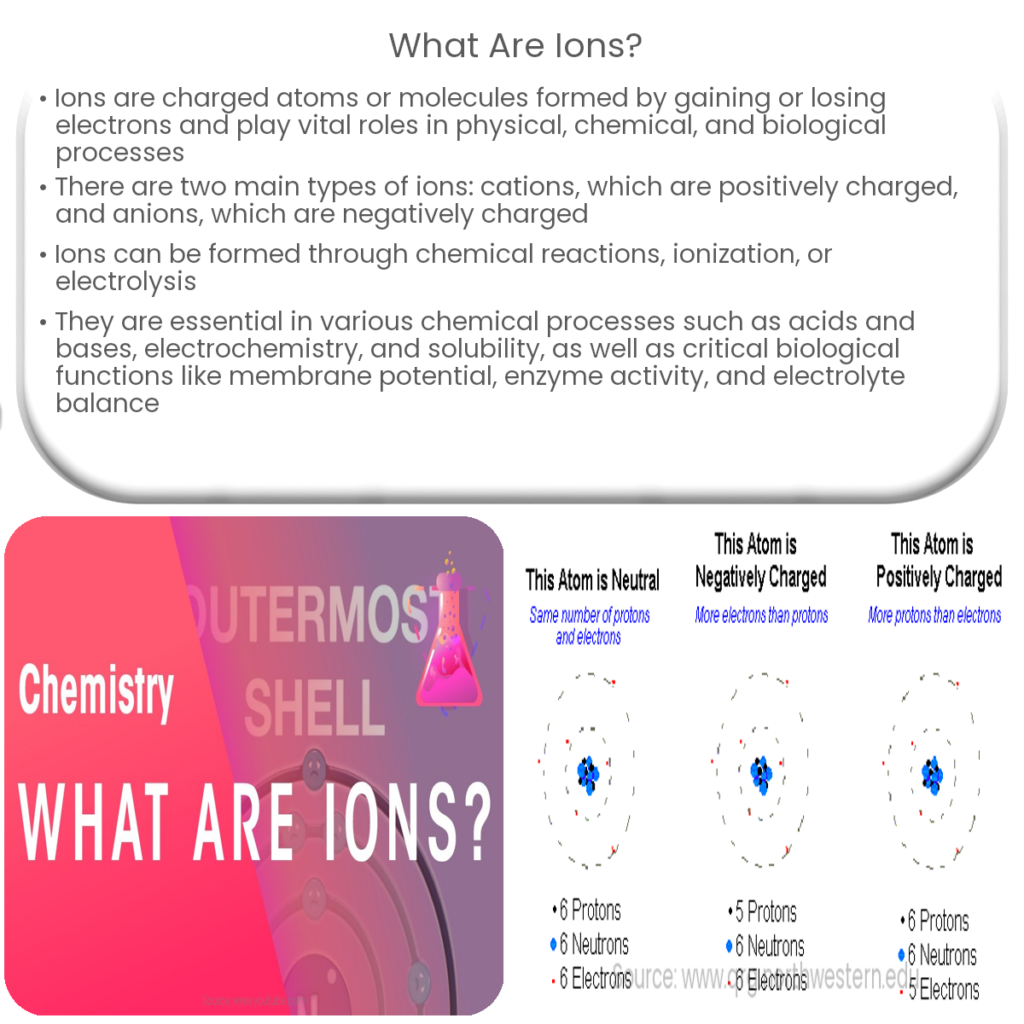
Ions are atoms or molecules with a net electric charge due to the gain or loss of electrons, playing roles in chemistry, physics, and biology.

Positive and negative charges differ in sign, force interactions, electric fields, and force direction when subjected to external electric fields.

Electric charges are fundamental properties of matter, existing as positive or negative, that give rise to electromagnetic forces and various phenomena.

Electrostatics is the study of stationary electric charges and the forces between them, focusing on interactions, electric fields, and potential energy.

The primary purpose of this project is to help the public to learn some exciting and important information about electricity and magnetism.
Our Website follows all legal requirements to protect your privacy. Visit our Privacy Policy page.
The Cookies Statement is part of our Privacy Policy.
The information contained on this website is for general information purposes only. This website does not use any proprietary data. Visit our Editorial note.
It’s simple:
1) You may use almost everything for non-commercial and educational use.
2) You may not distribute or commercially exploit the content, especially on another website.


