
What is an electrostatic actuator?
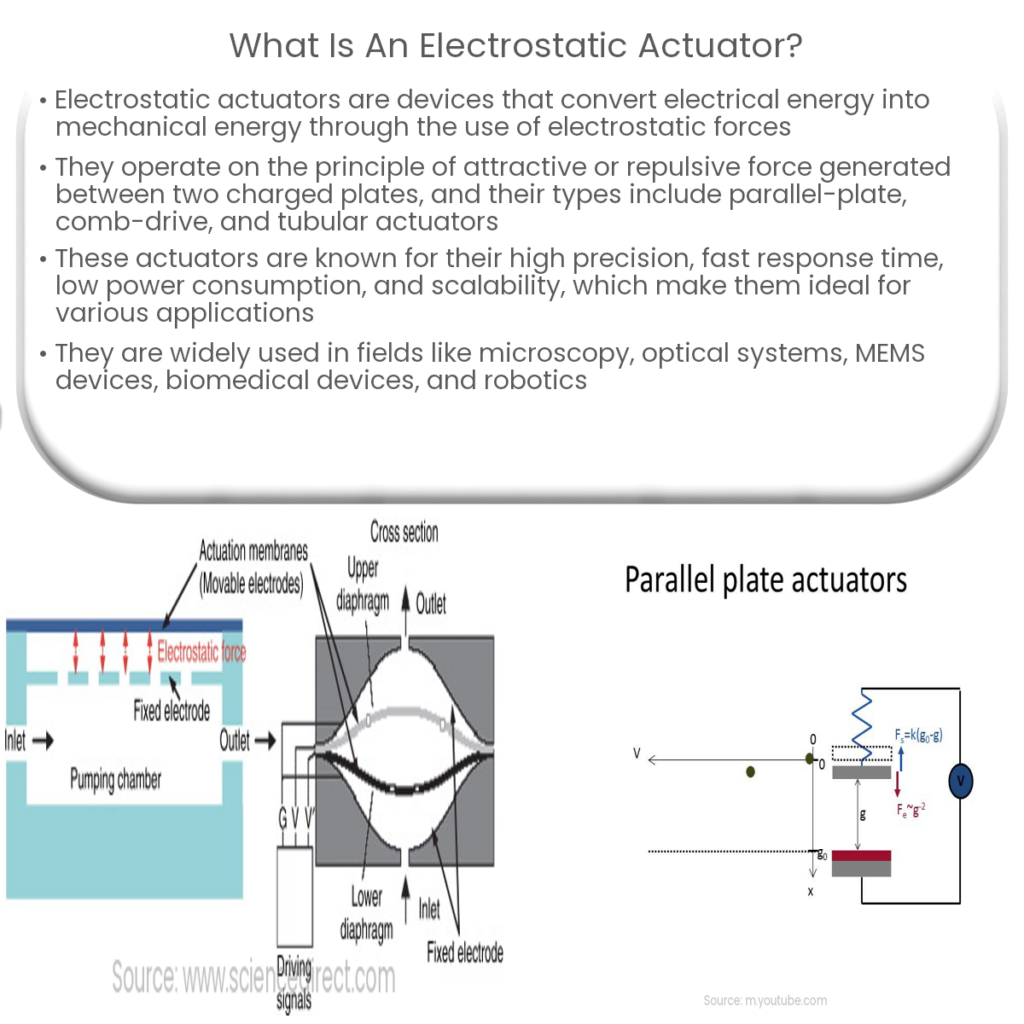
An electrostatic actuator converts electrical energy into mechanical energy using electrostatic forces, with applications in MEMS, optics, and robotics.
An electrostatic actuator converts electrical energy into mechanical energy using electrostatic forces, with applications in MEMS, optics, and robotics.
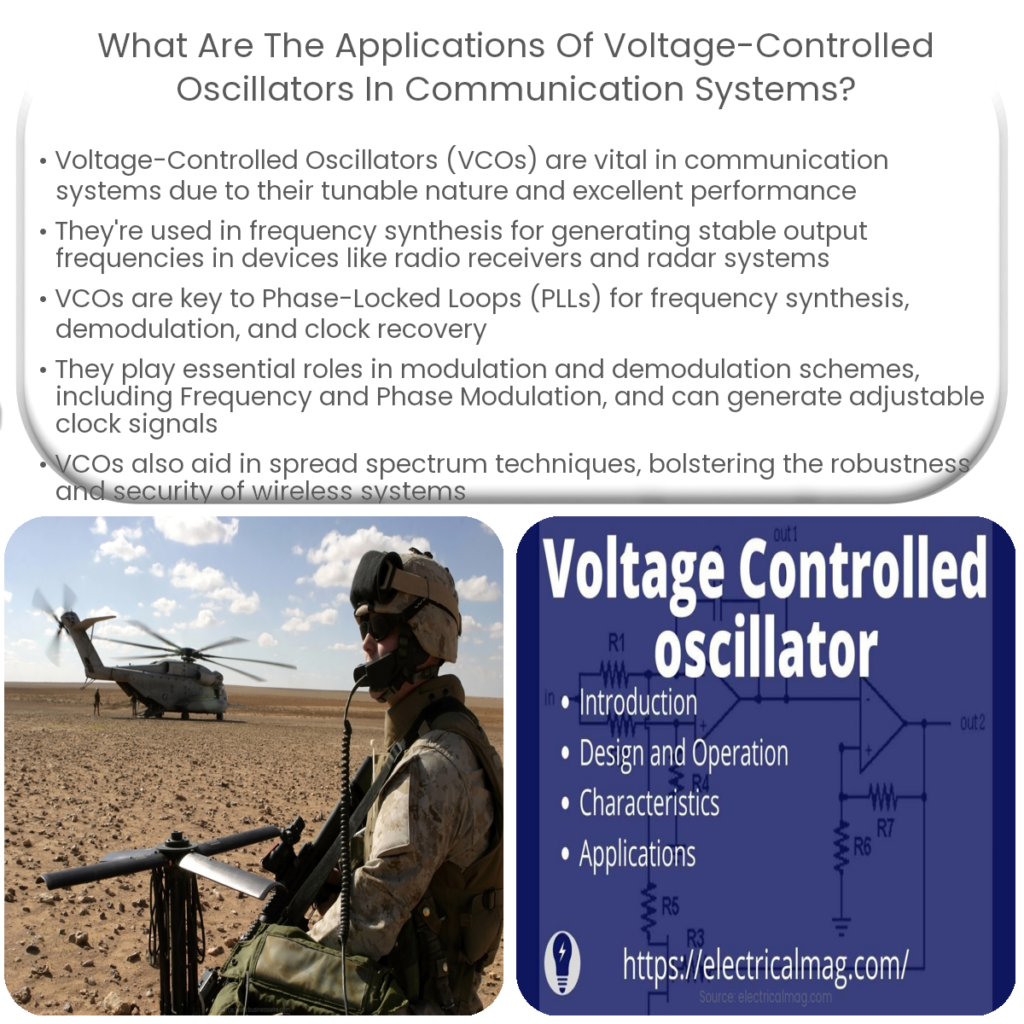
VCOs are used in frequency synthesis, phase-locked loops, modulation, demodulation, local oscillators, clock generation, and spread spectrum techniques.
In a VCO, capacitors determine frequency, aid in tuning, provide filtering and stability, and serve as coupling or blocking components.
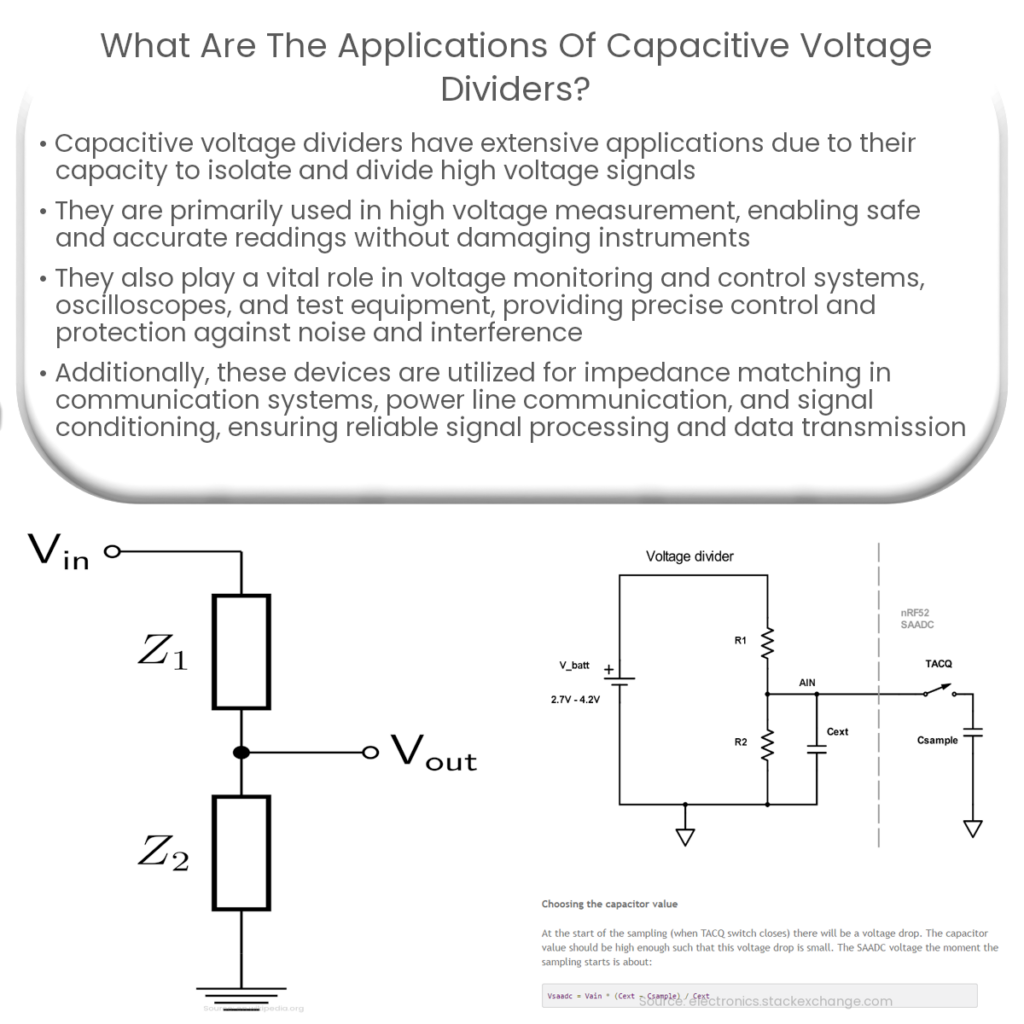
Capacitive voltage dividers are used in high voltage measurement, voltage monitoring, oscilloscopes, impedance matching, power line communication, and signal conditioning.
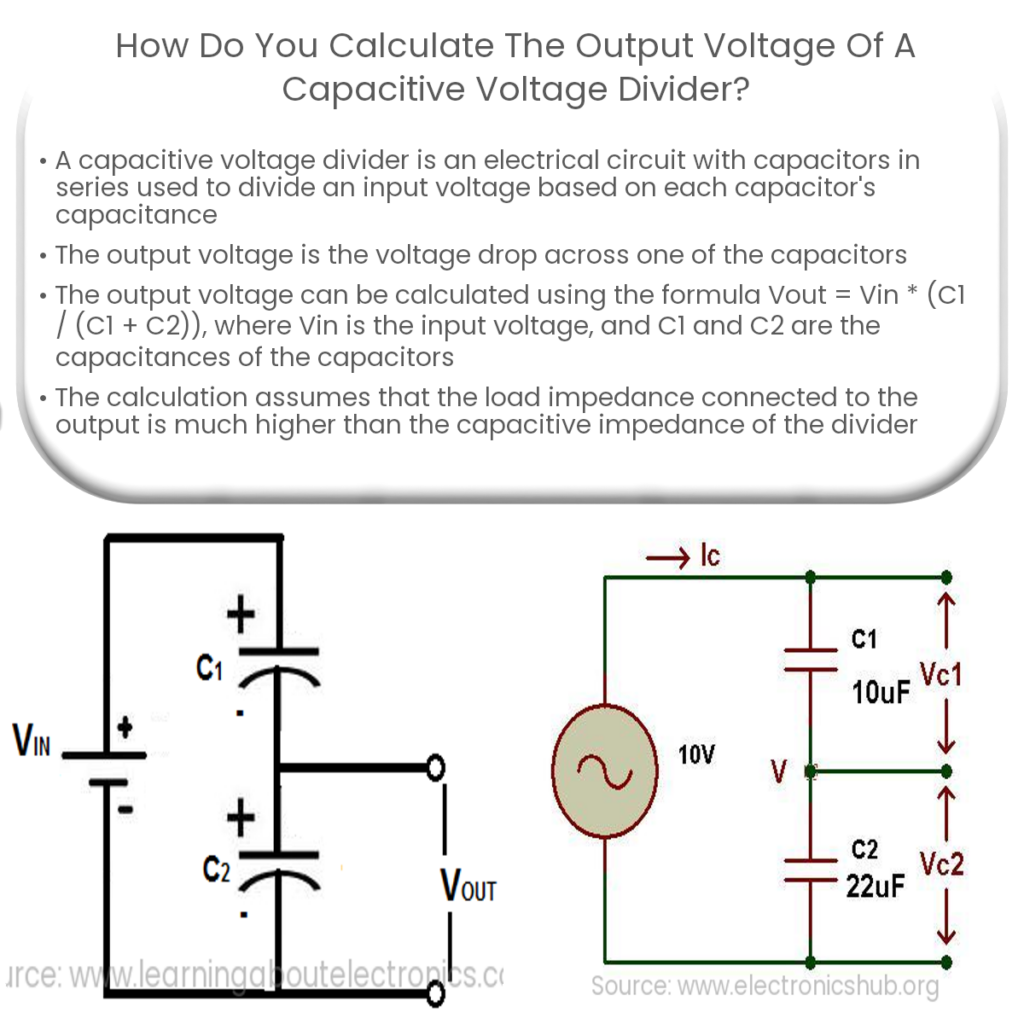
To calculate the output voltage of a capacitive voltage divider, use the formula: Vout = Vin * (C1 / (C1 + C2)), where Vin is input voltage, and C1 and C2 are capacitances.
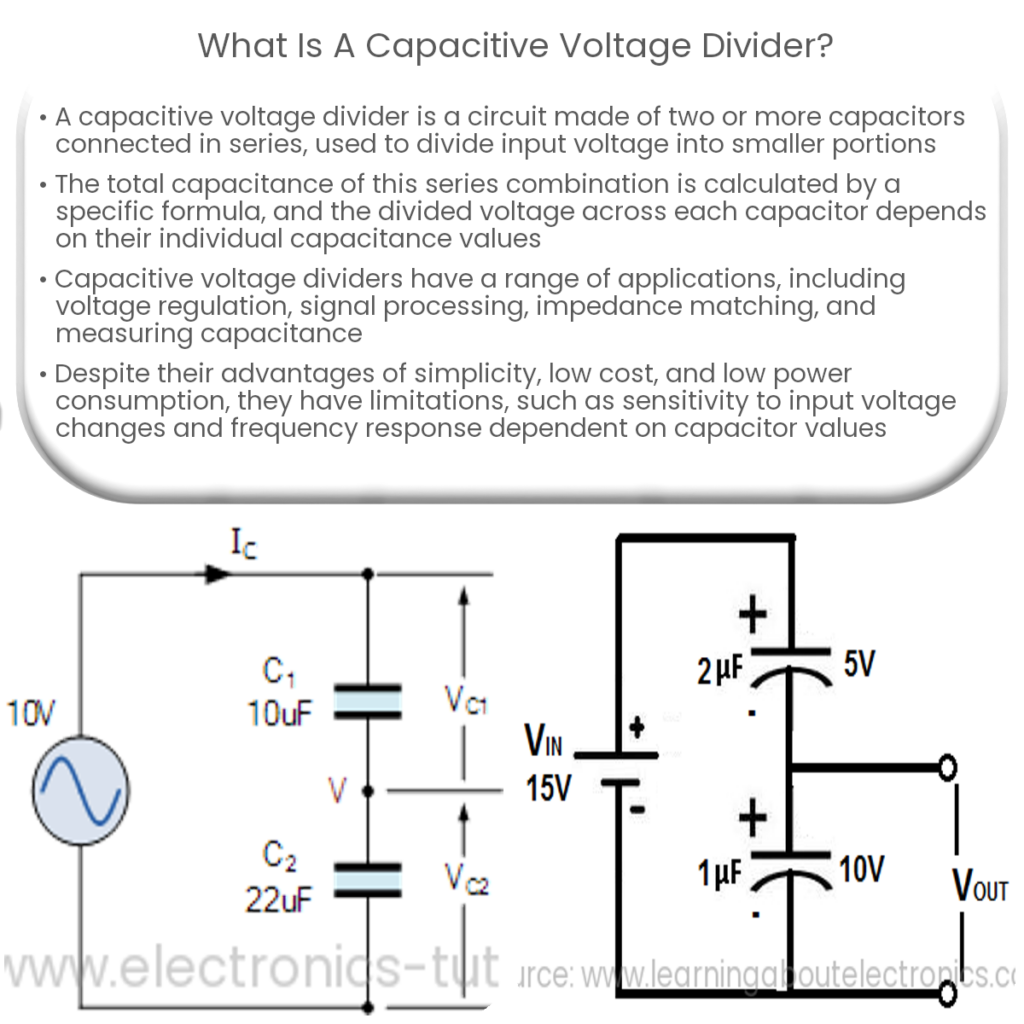
A capacitive voltage divider is a circuit with capacitors connected in series, dividing input voltage into smaller portions based on capacitance values.

Capacitive touch screens offer high sensitivity, multi-touch support, better durability, and clarity, but are more expensive and have limited stylus compatibility.
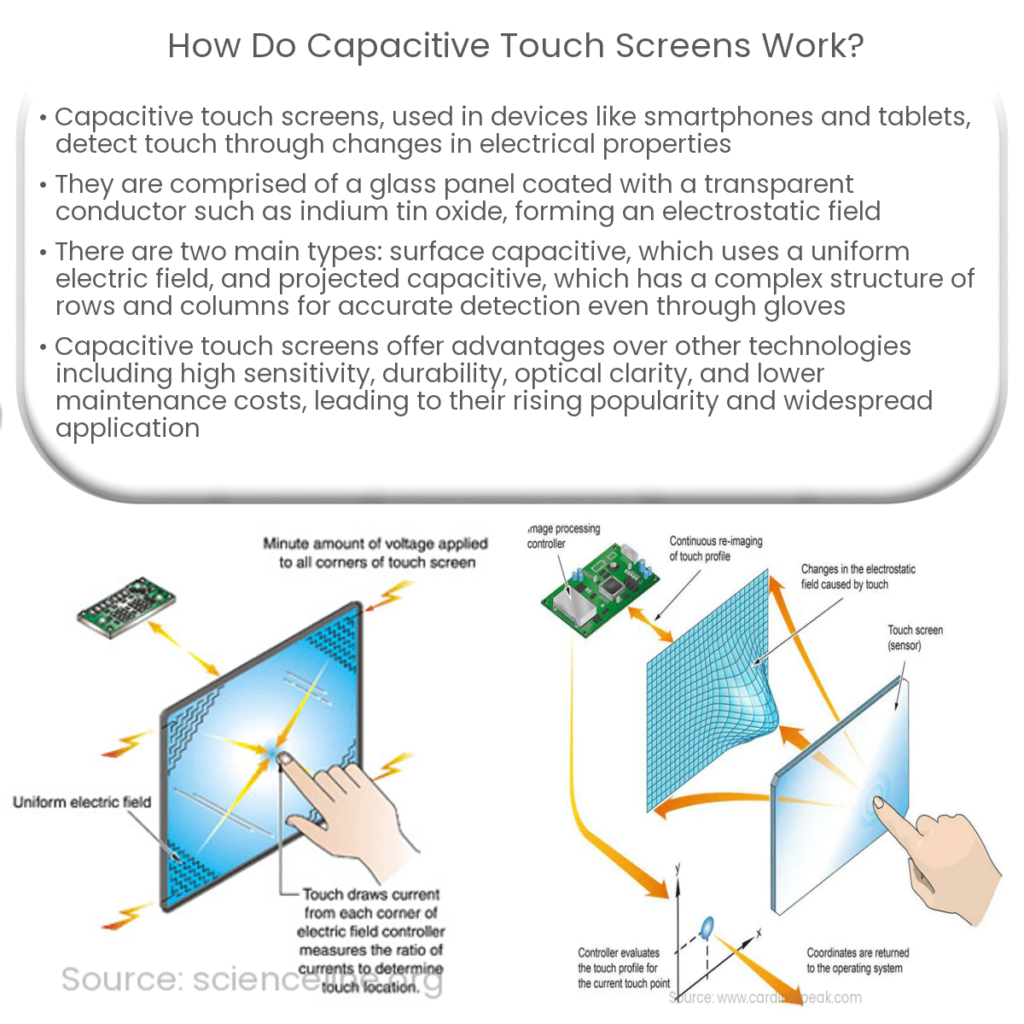
Capacitive touch screens work by detecting changes in electrostatic fields due to the natural capacitance of a finger or conductive stylus.
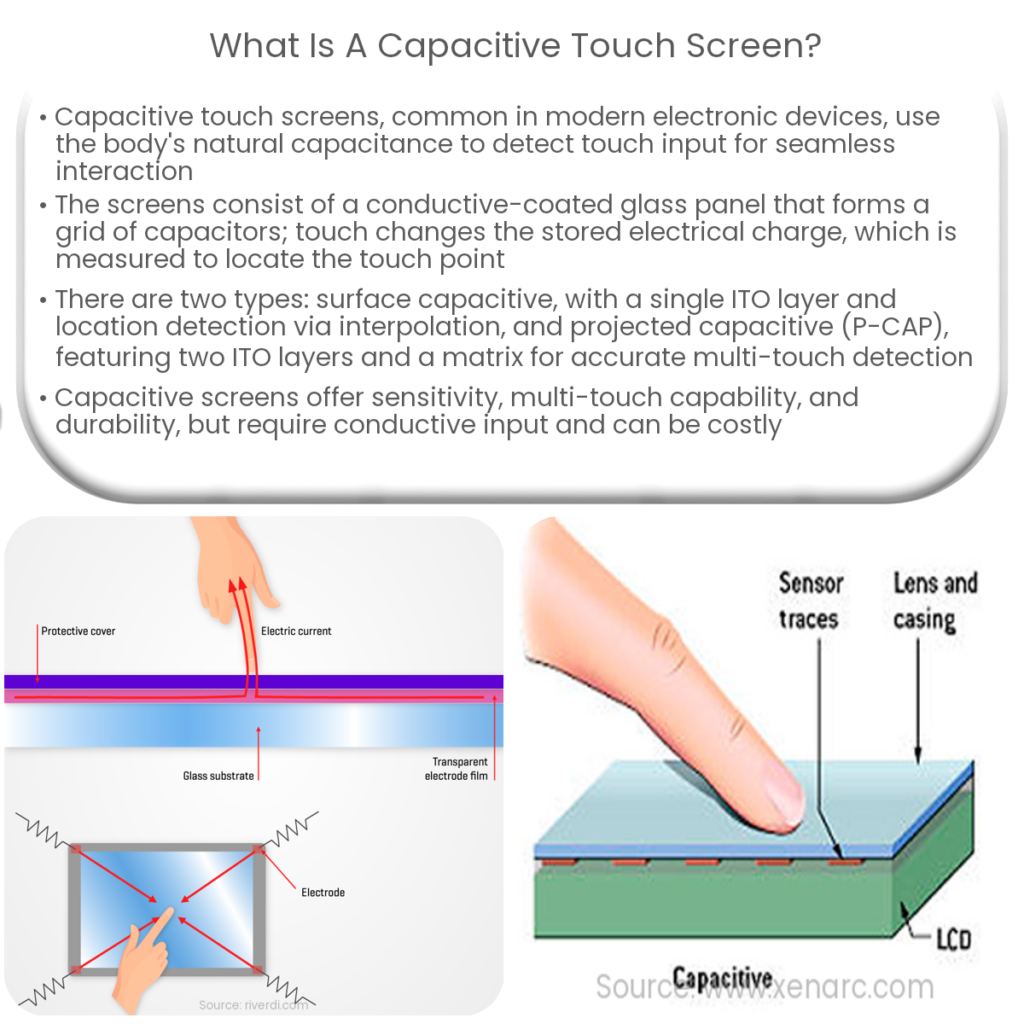
A capacitive touch screen is an input technology used in devices like smartphones and tablets, relying on the human body’s capacitance for touch detection.
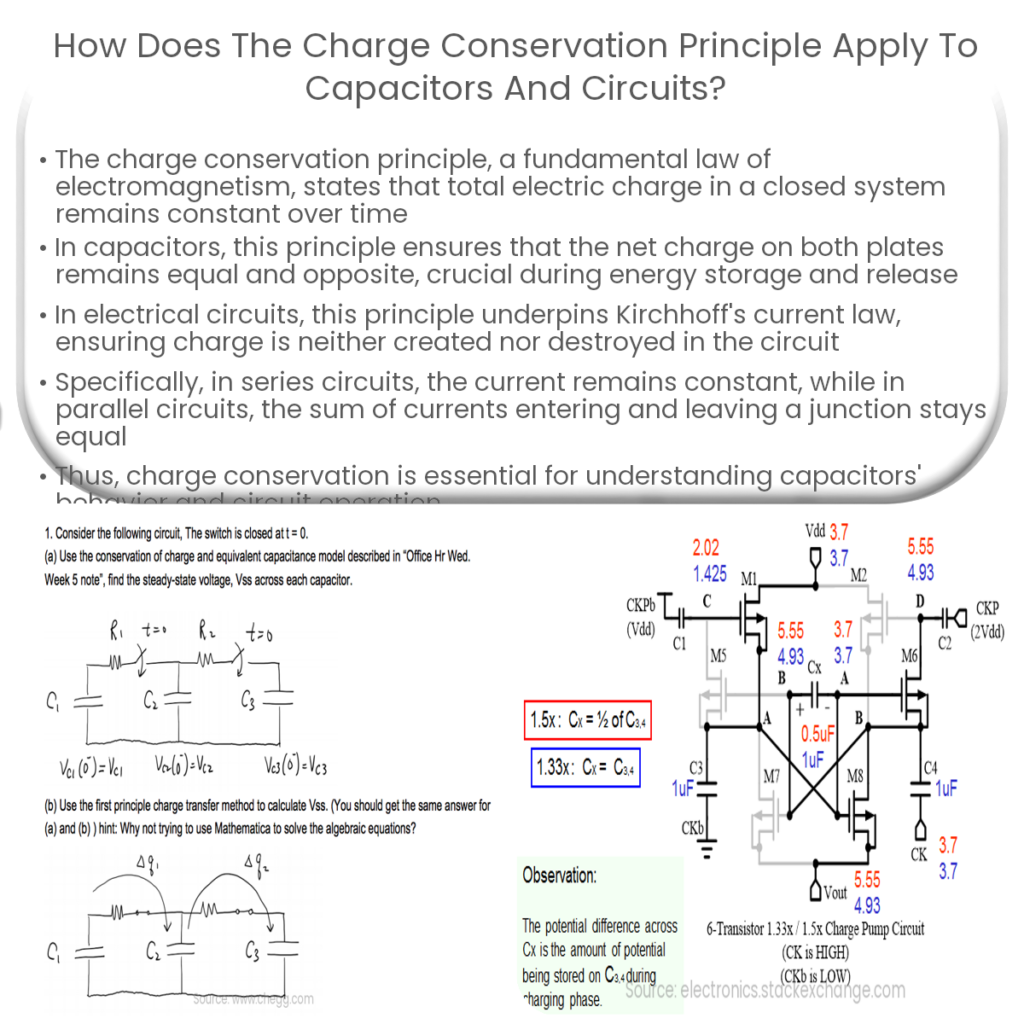
Charge conservation ensures the total electric charge in capacitors and circuits remains constant, governing energy storage, release, and charge flow.

The primary purpose of this project is to help the public to learn some exciting and important information about electricity and magnetism.
Our Website follows all legal requirements to protect your privacy. Visit our Privacy Policy page.
The Cookies Statement is part of our Privacy Policy.
The information contained on this website is for general information purposes only. This website does not use any proprietary data. Visit our Editorial note.
It’s simple:
1) You may use almost everything for non-commercial and educational use.
2) You may not distribute or commercially exploit the content, especially on another website.


