
What are the different types of batteries?
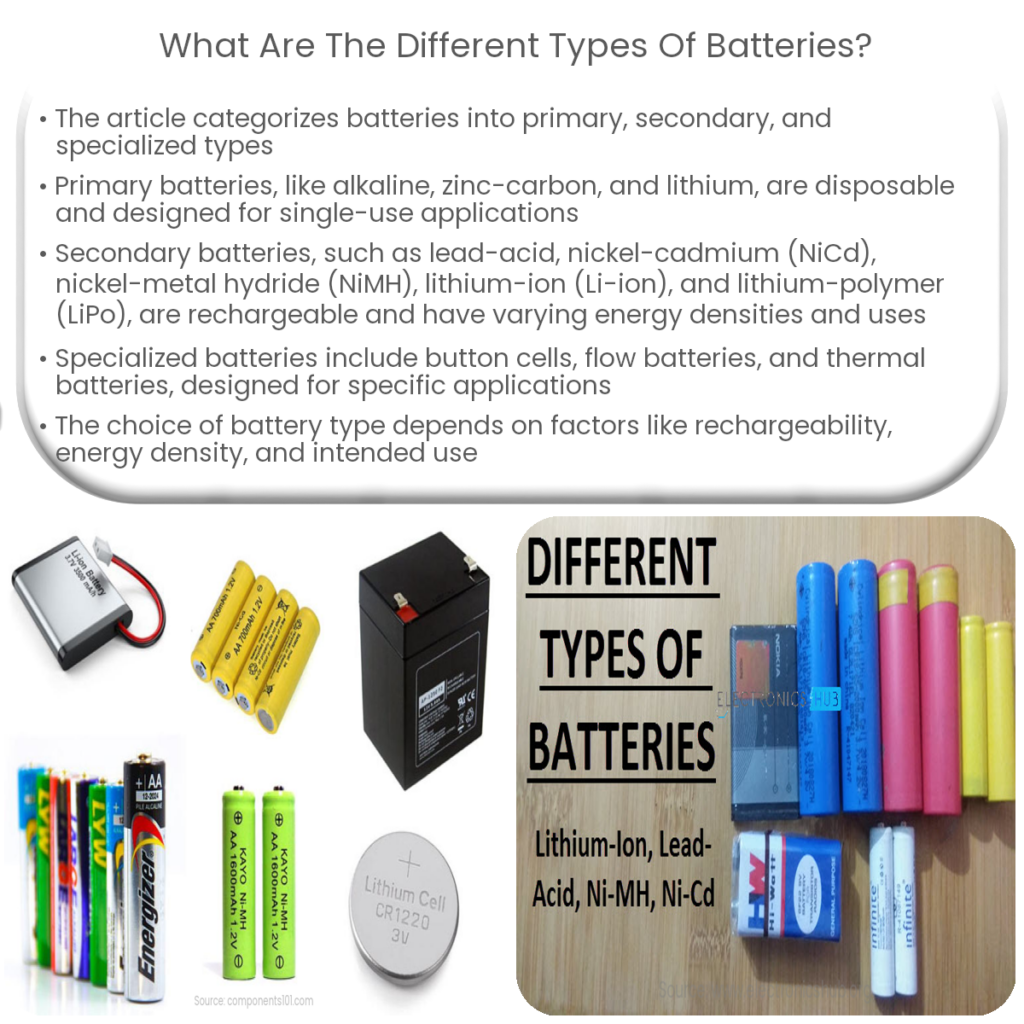
Different battery types include alkaline, zinc-carbon, lithium, lead-acid, nickel-cadmium, nickel-metal hydride, lithium-ion, and lithium-polymer.
Different battery types include alkaline, zinc-carbon, lithium, lead-acid, nickel-cadmium, nickel-metal hydride, lithium-ion, and lithium-polymer.

Batteries work in circuits by providing voltage, storing and releasing energy, and powering devices when connected in series or parallel configurations.
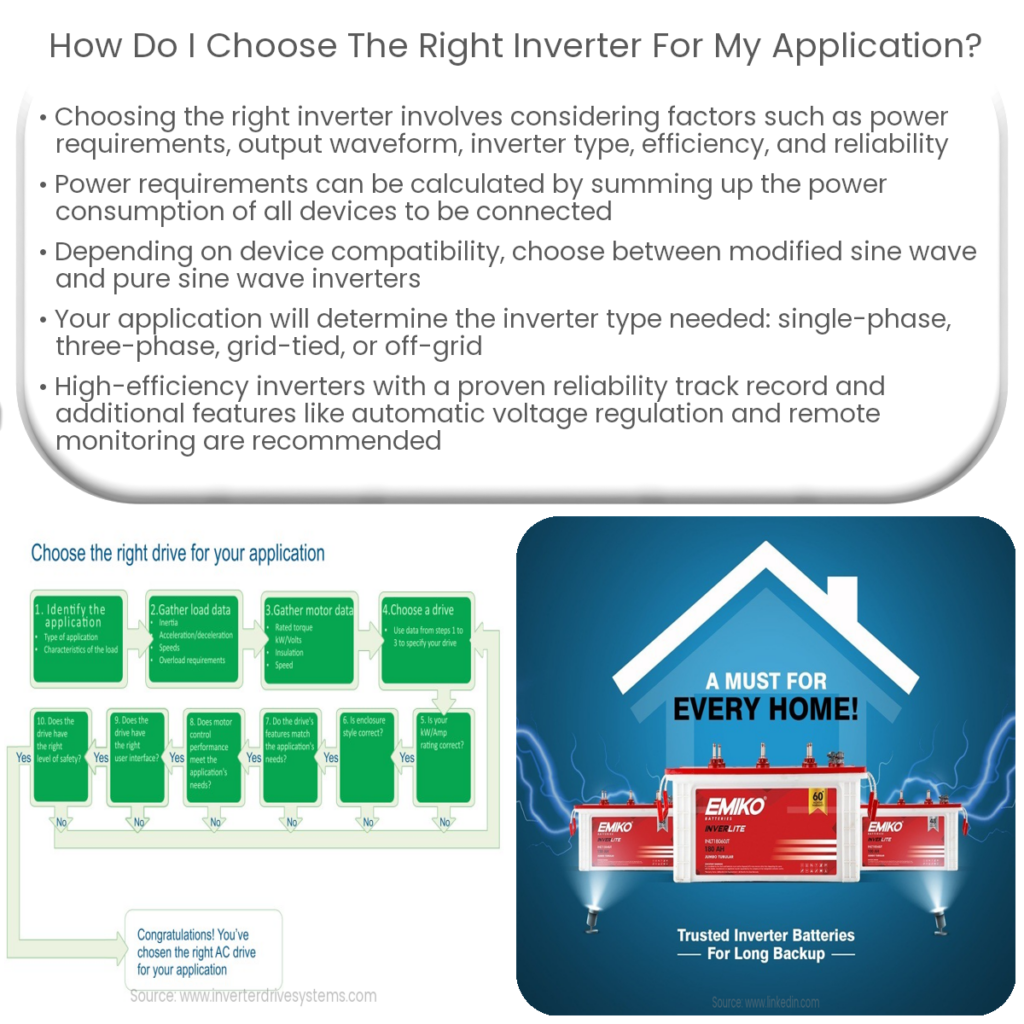
To choose the right inverter, consider power requirements, output waveform, inverter type, efficiency, reliability, and additional features.

Different types of inverters include modified sine wave, pure sine wave, single-phase, three-phase, grid-tied, and off-grid inverters for various applications.
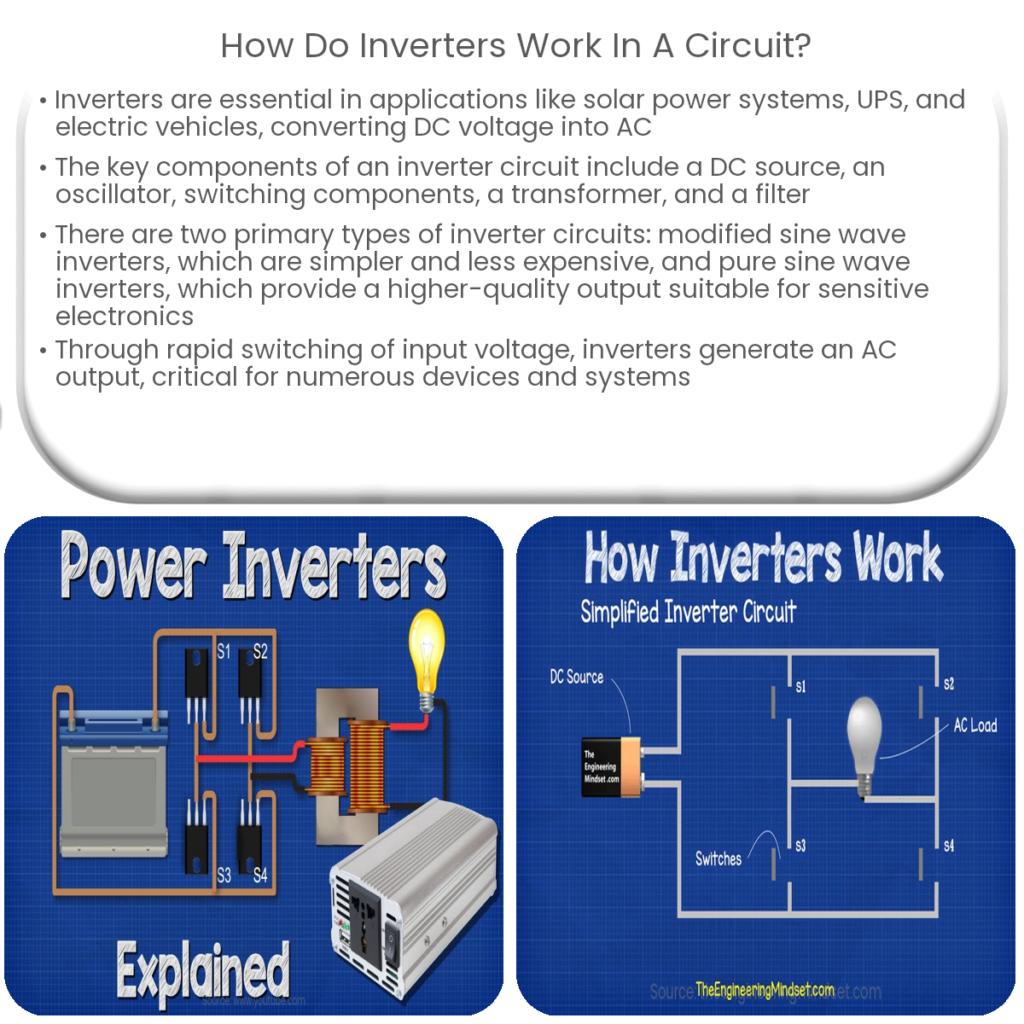
Inverters work in a circuit by rapidly switching the DC input voltage on and off, transforming and filtering the waveform to produce AC output.
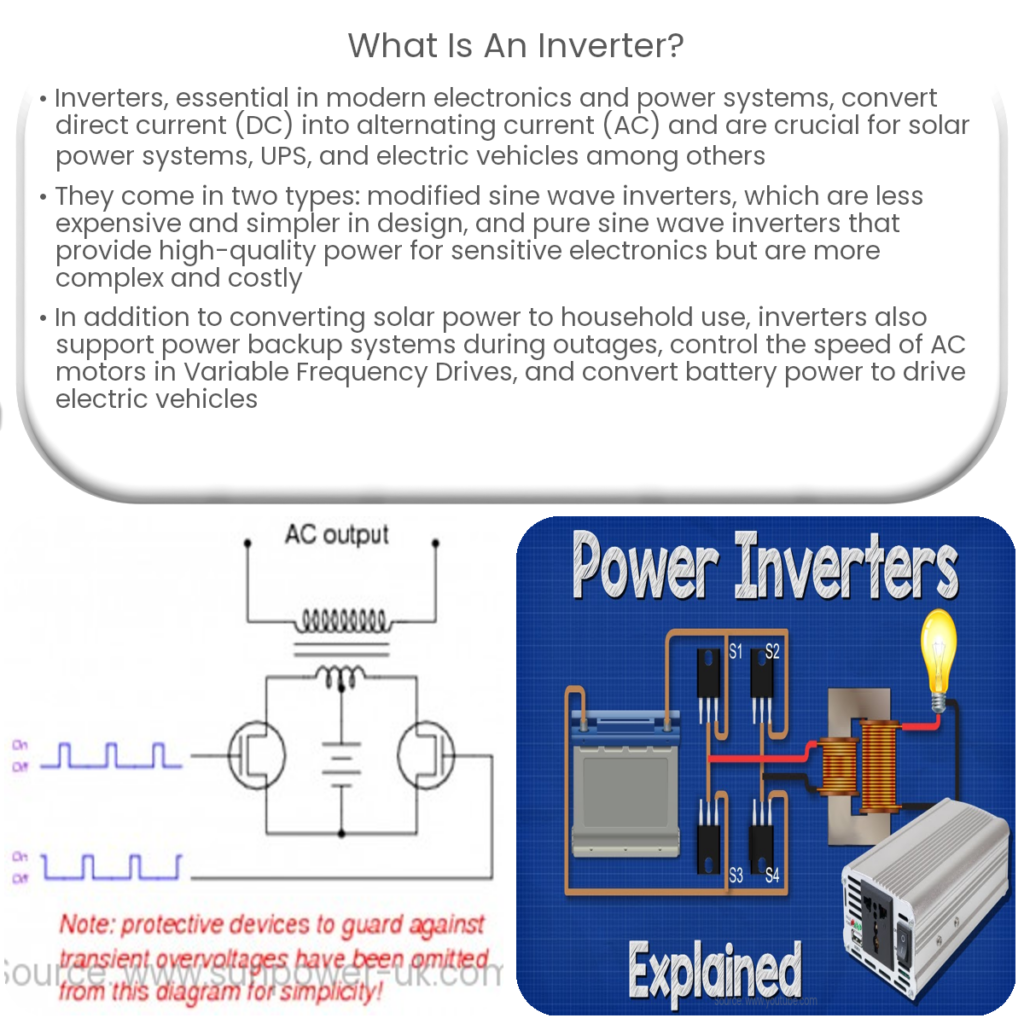
An inverter is an electronic device that converts direct current (DC) into alternating current (AC), used in solar power systems, UPS, and electric vehicles.
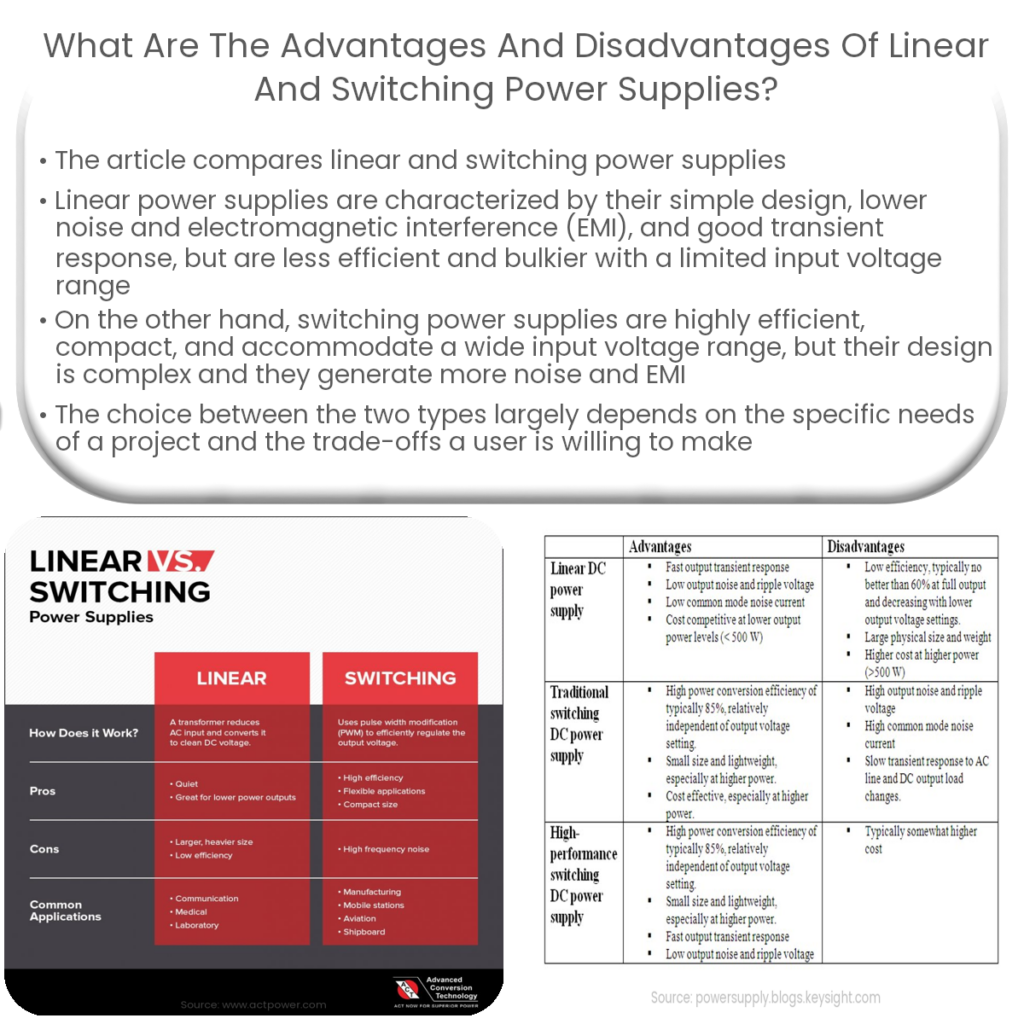
Linear power supplies have simple design, low noise, but lower efficiency, while switching power supplies offer high efficiency, compact size, but more noise and EMI.
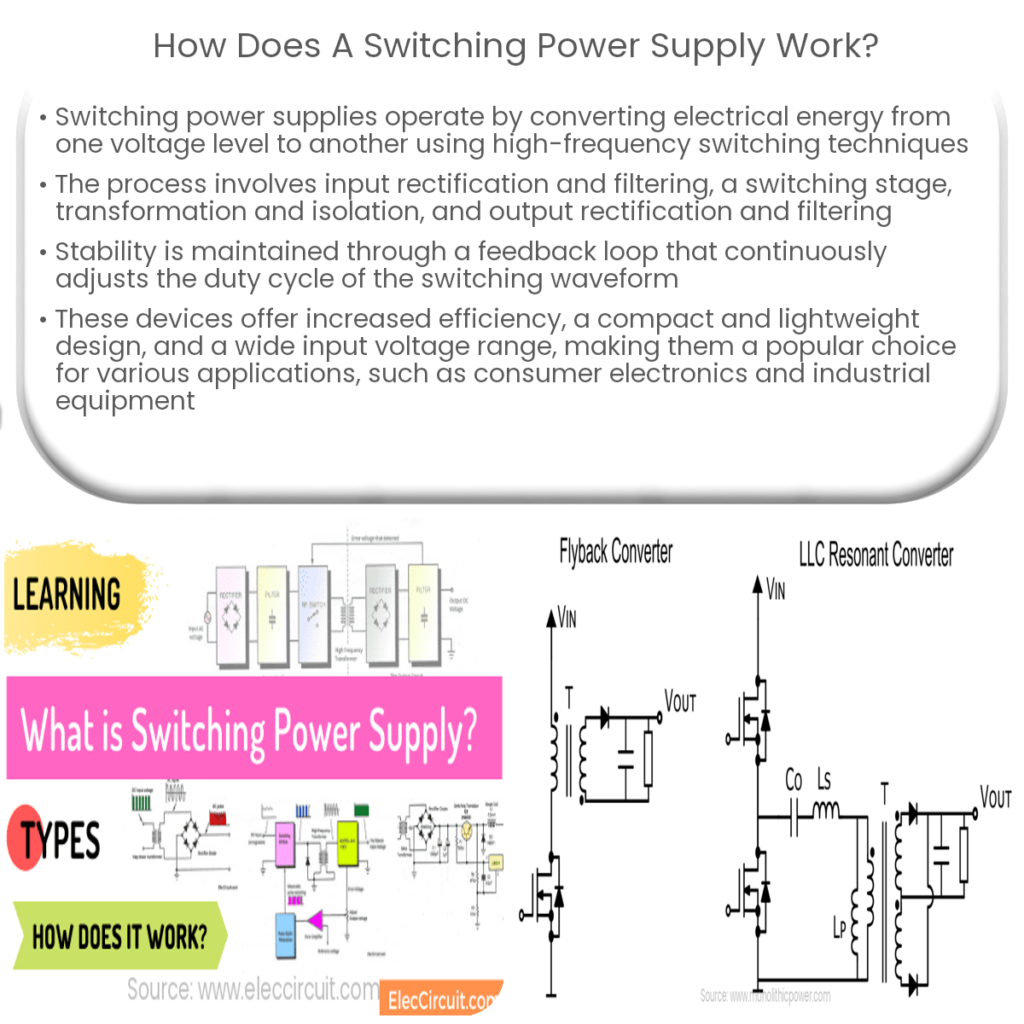
A switching power supply works by rapidly turning transistors on and off, transforming and filtering the high-frequency waveform to produce a stable output voltage.
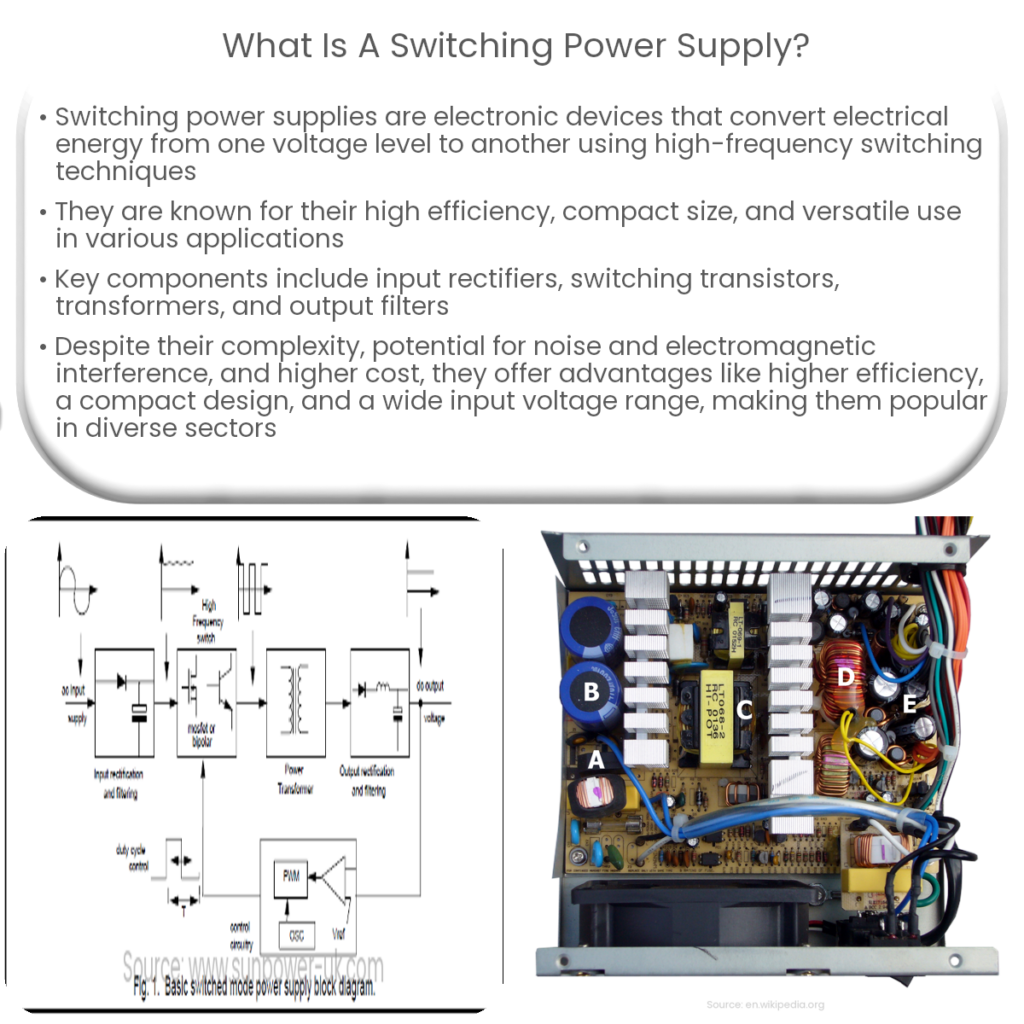
A switching power supply is an electronic device that efficiently converts voltage levels using high-frequency switching techniques and provides a stable output.
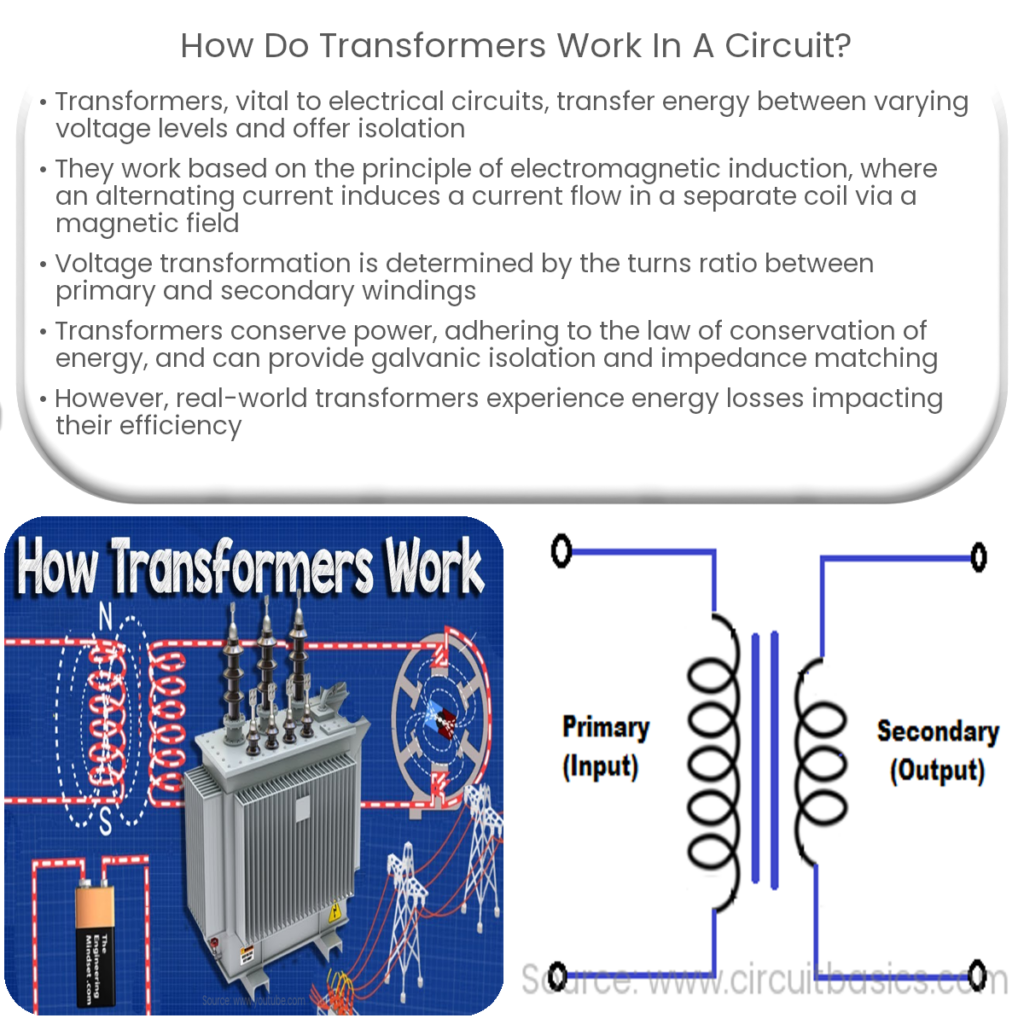
Transformers work by using electromagnetic induction to transfer energy between primary and secondary windings, transforming voltage and providing isolation.

The primary purpose of this project is to help the public to learn some exciting and important information about electricity and magnetism.
Our Website follows all legal requirements to protect your privacy. Visit our Privacy Policy page.
The Cookies Statement is part of our Privacy Policy.
The information contained on this website is for general information purposes only. This website does not use any proprietary data. Visit our Editorial note.
It’s simple:
1) You may use almost everything for non-commercial and educational use.
2) You may not distribute or commercially exploit the content, especially on another website.


