
How do you calculate the speed of electromagnetic waves?
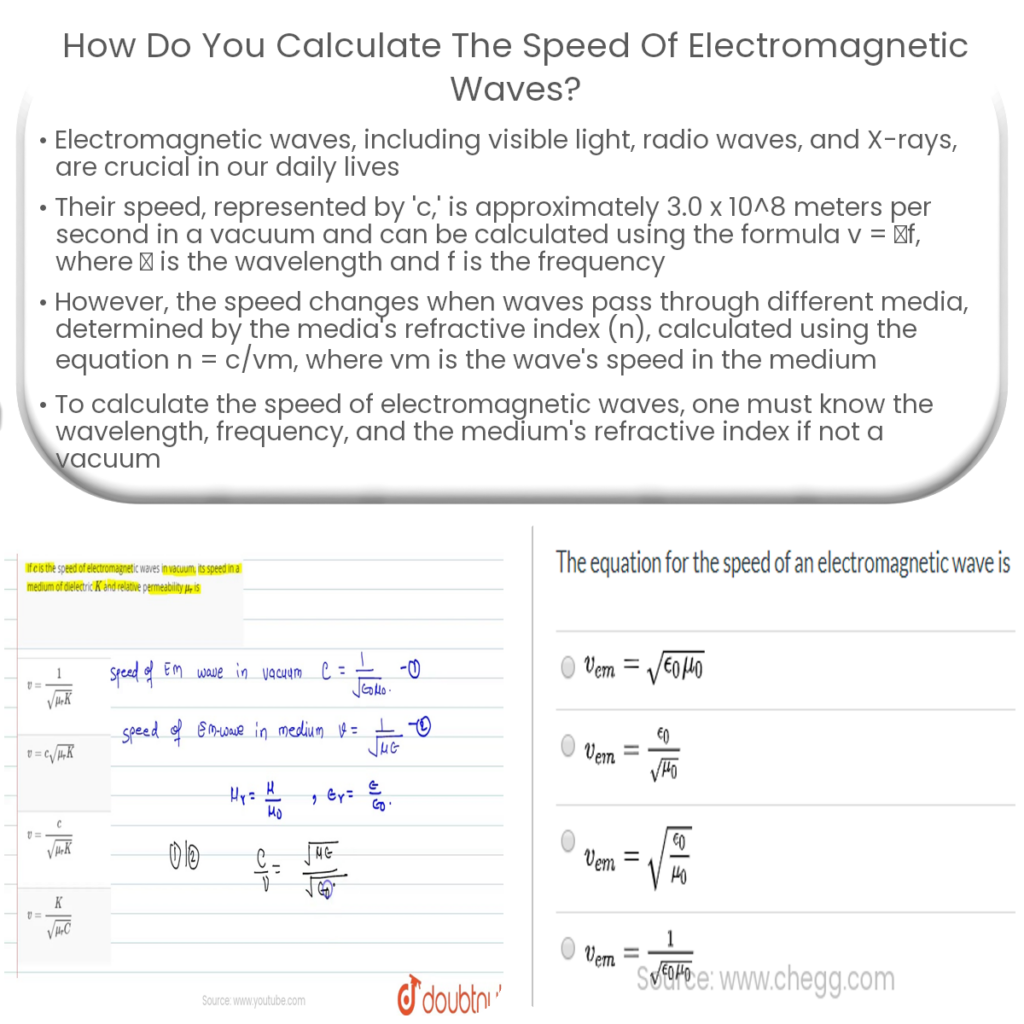
To calculate the speed of electromagnetic waves, use the formula v = λf, where v is the speed, λ is the wavelength, and f is the frequency.
To calculate the speed of electromagnetic waves, use the formula v = λf, where v is the speed, λ is the wavelength, and f is the frequency.
The wavelength of electromagnetic waves is the distance between successive peaks, and it’s inversely proportional to frequency.

The frequency range of electromagnetic waves in the electromagnetic spectrum spans from 3 kHz to over 30 EHz.
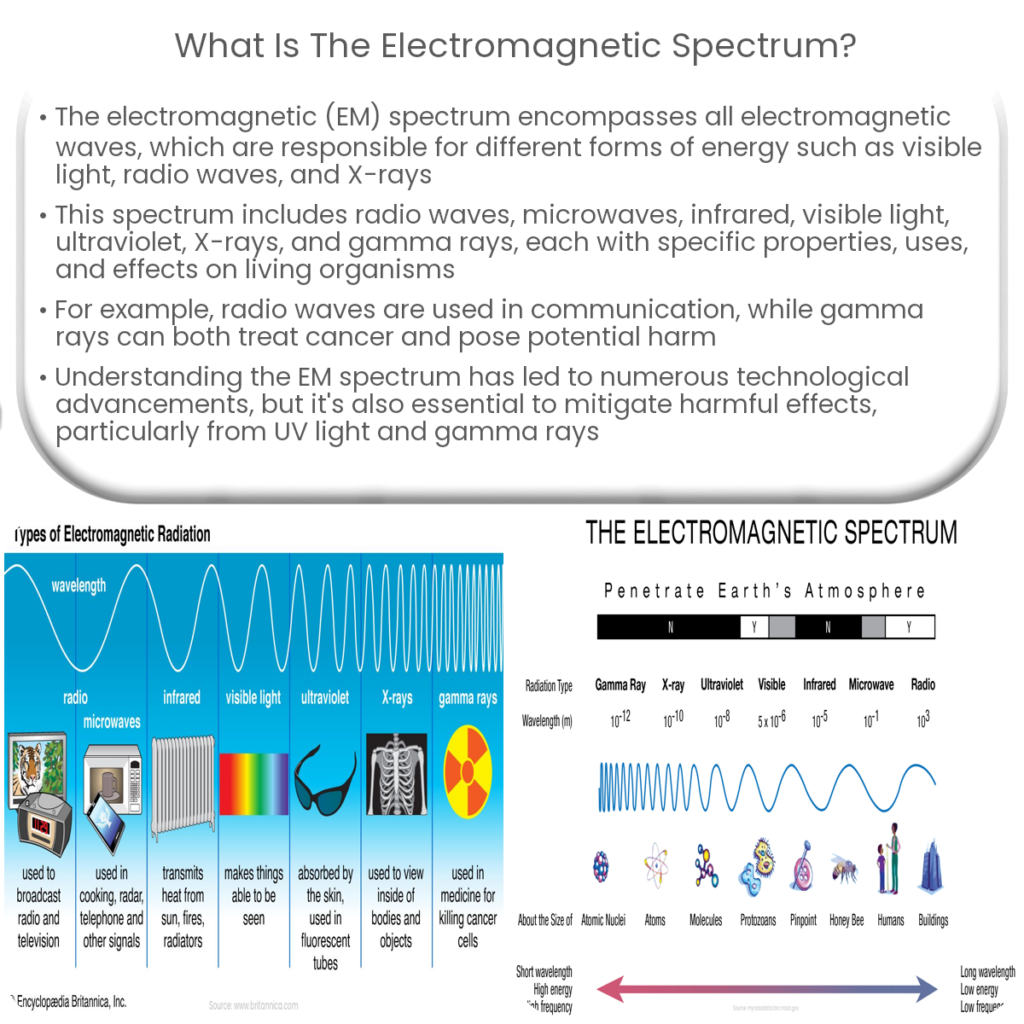
The electromagnetic (EM) spectrum is a continuum of all electromagnetic waves, which are oscillating electric and magnetic fields that propagate through space.
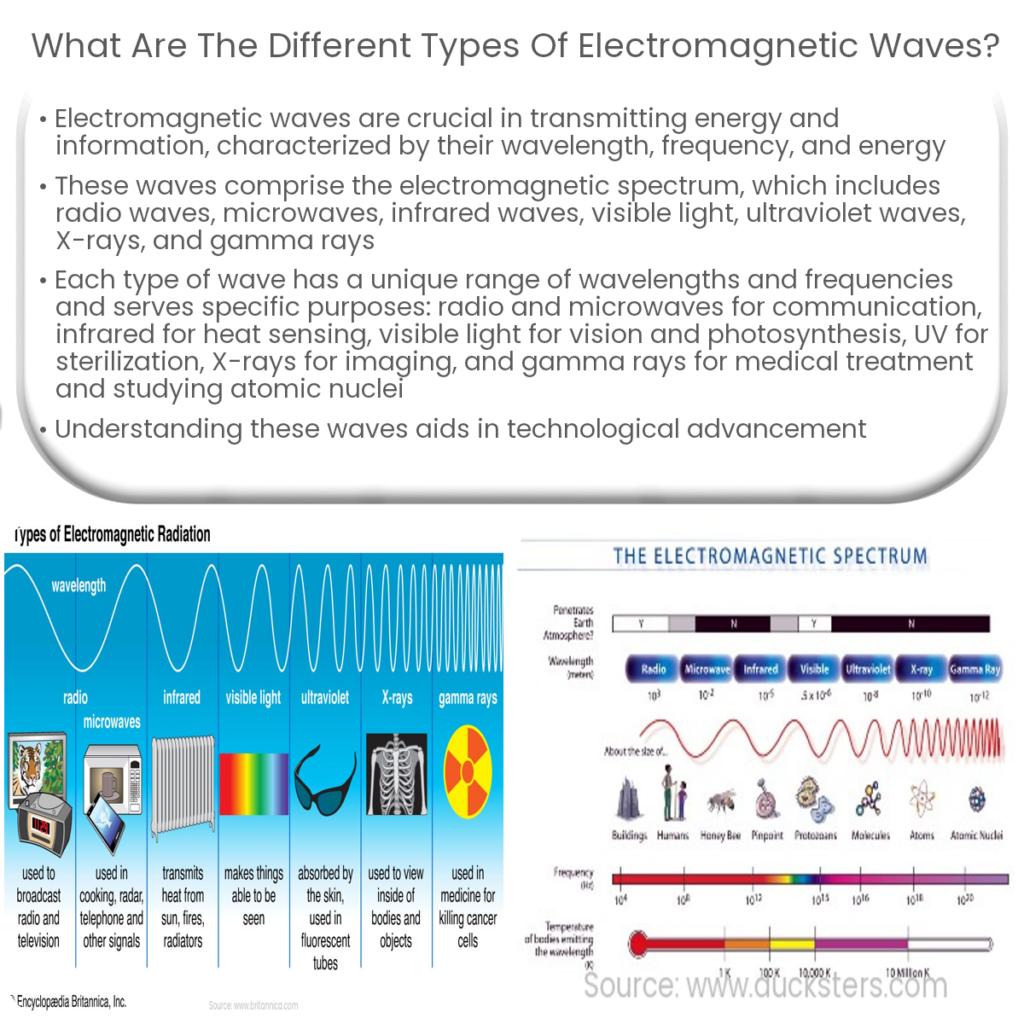
The different types of electromagnetic waves are radio waves, microwaves, infrared waves, visible light, ultraviolet waves, X-rays, and gamma rays.
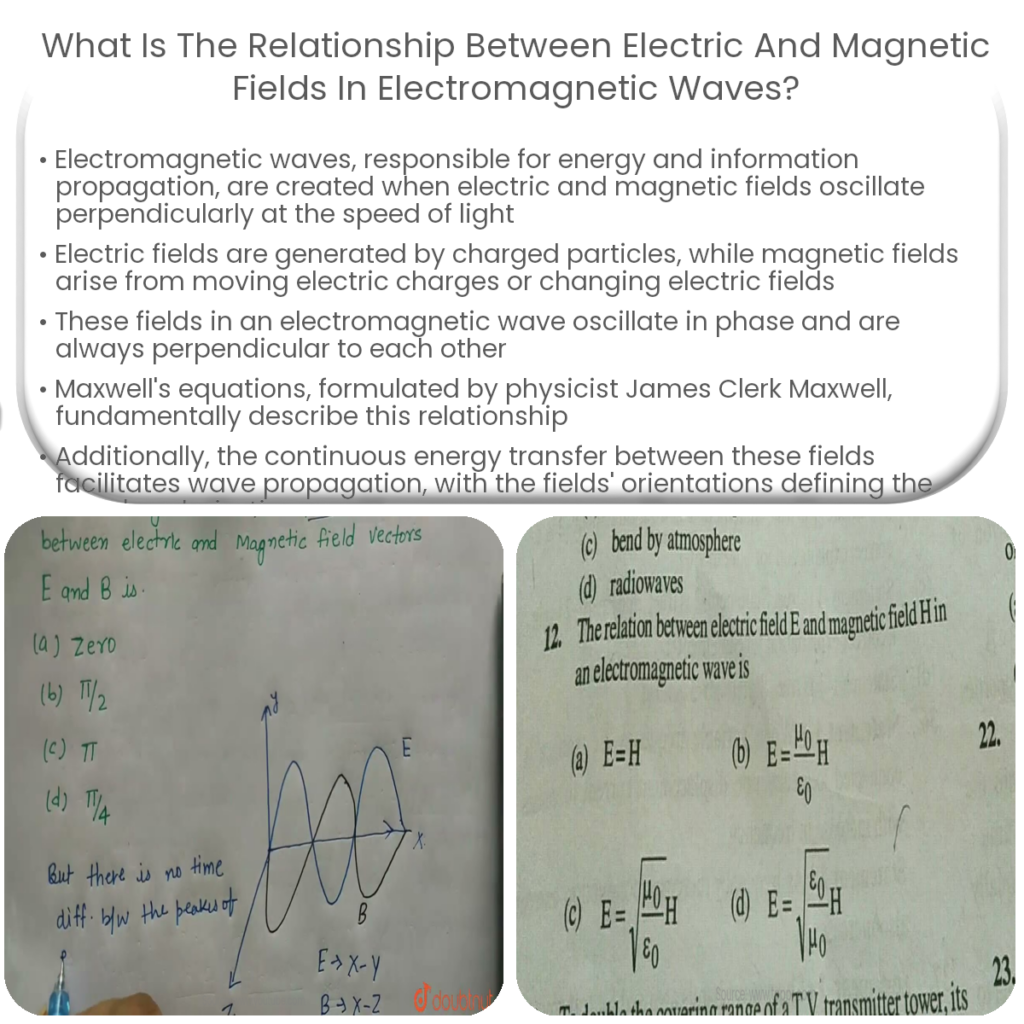
The electric and magnetic fields in electromagnetic waves oscillate perpendicularly, in-phase, and transfer energy between each other.
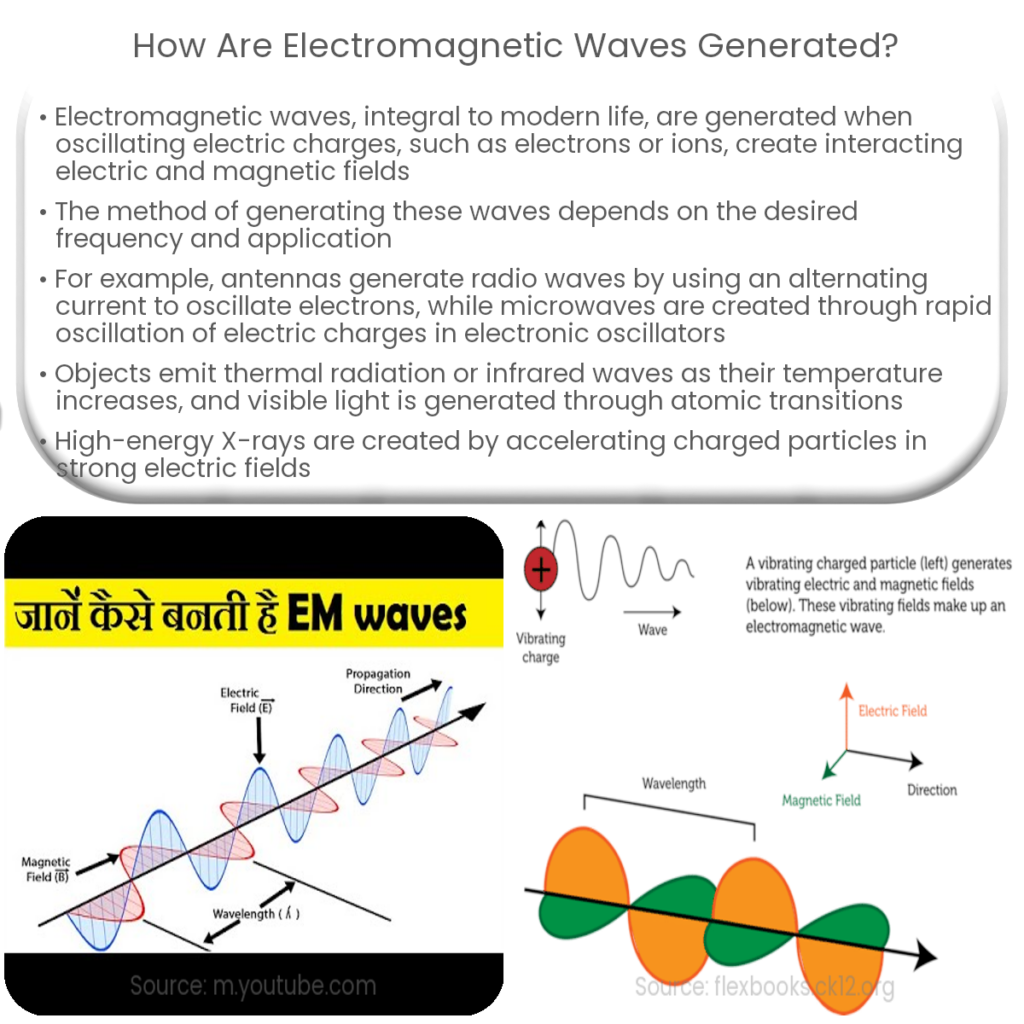
Electromagnetic waves are created when electric and magnetic fields interact with each other. The key to generating these waves is the presence of oscillating electric charges, such as electrons or ions.
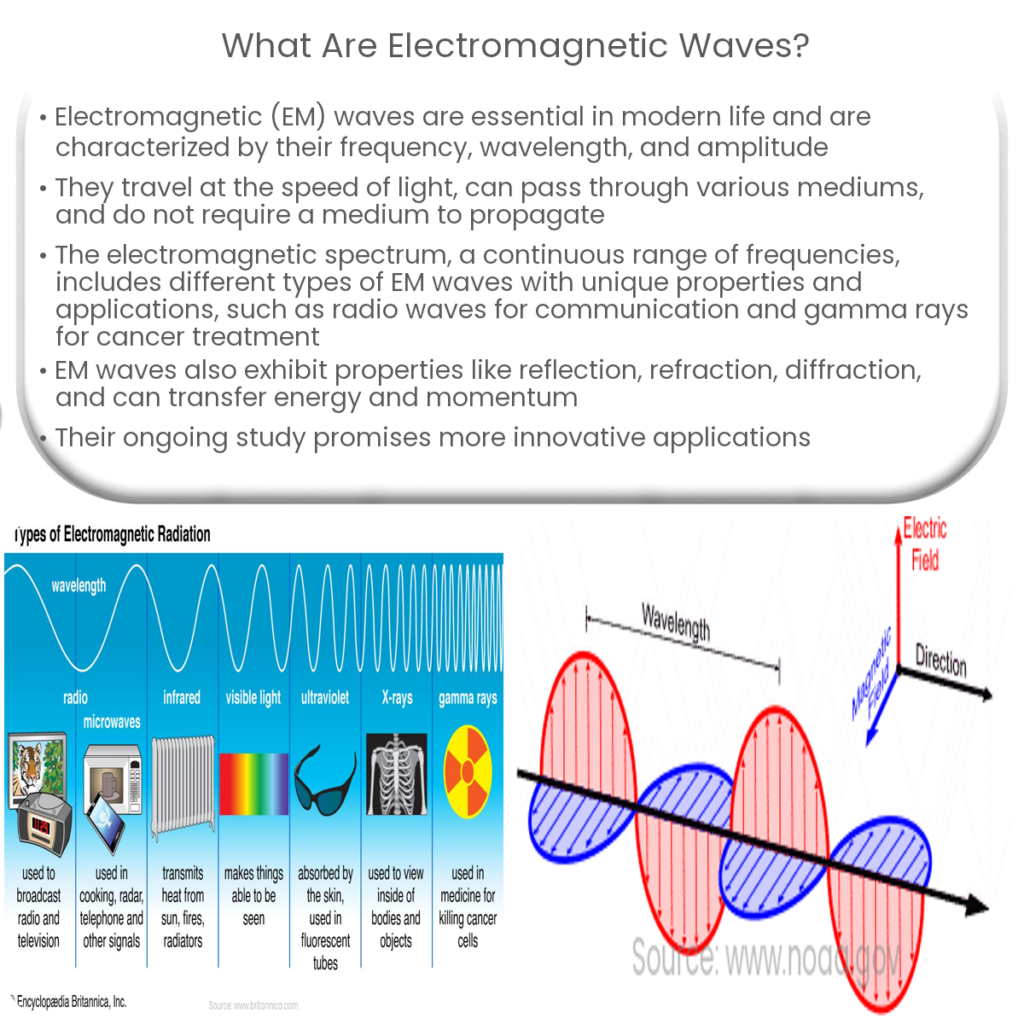
Electromagnetic waves are oscillating electric and magnetic fields that propagate through space at the speed of light, produced by charged particles.

Different instruments for electric circuit analysis include voltmeters, ammeters, clamp meters, ohmmeters, LCR meters, impedance analyzers, oscilloscopes, signal generators, frequency counters, spectrum analyzers, wattmeters, and power analyzers.
To measure voltage, current, and resistance in a circuit, use a multimeter with voltage (V), current (A), and resistance (Ω) measuring functions.

The primary purpose of this project is to help the public to learn some exciting and important information about electricity and magnetism.
Our Website follows all legal requirements to protect your privacy. Visit our Privacy Policy page.
The Cookies Statement is part of our Privacy Policy.
The information contained on this website is for general information purposes only. This website does not use any proprietary data. Visit our Editorial note.
It’s simple:
1) You may use almost everything for non-commercial and educational use.
2) You may not distribute or commercially exploit the content, especially on another website.


