
How are electromagnetic waves used in metal detectors and security scanners?
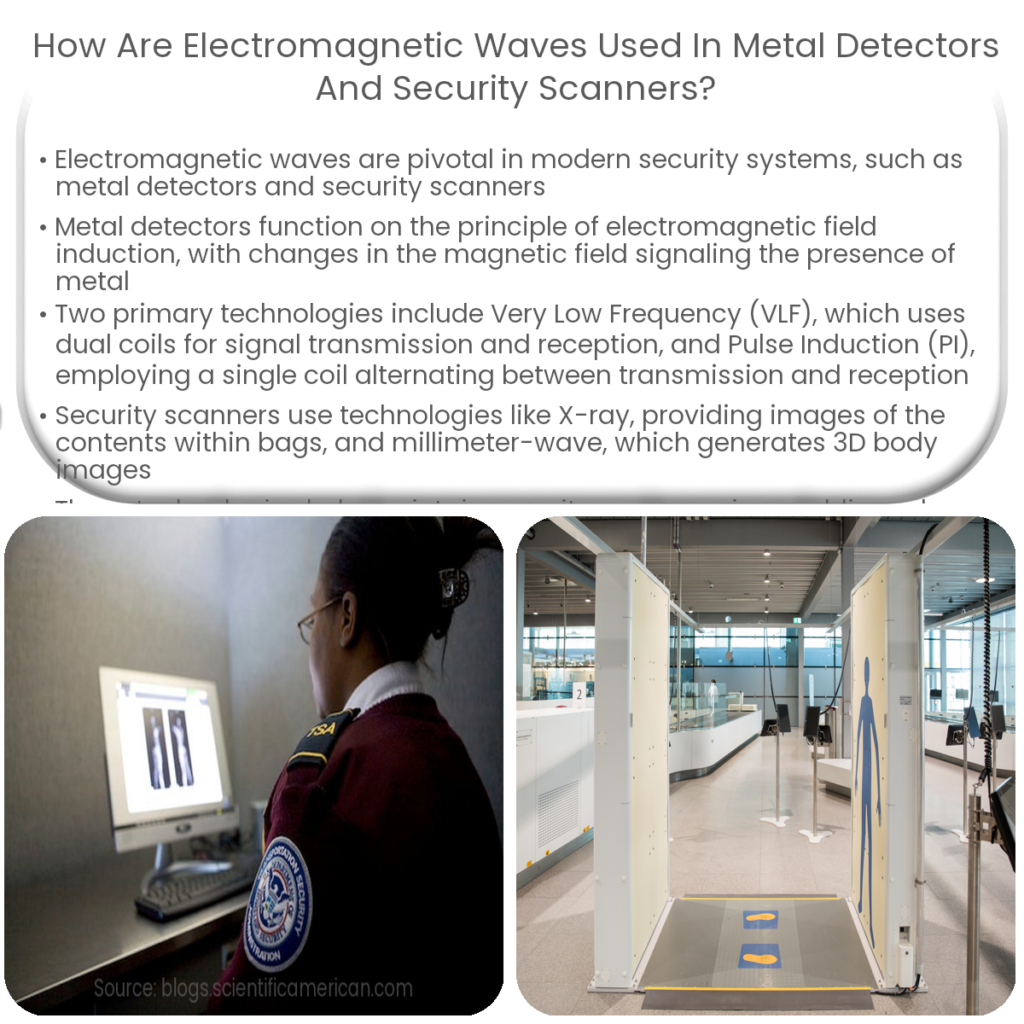
Metal detectors use electromagnetic fields to detect metals, while security scanners like X-ray and millimeter-wave scanners reveal concealed objects.
Metal detectors use electromagnetic fields to detect metals, while security scanners like X-ray and millimeter-wave scanners reveal concealed objects.
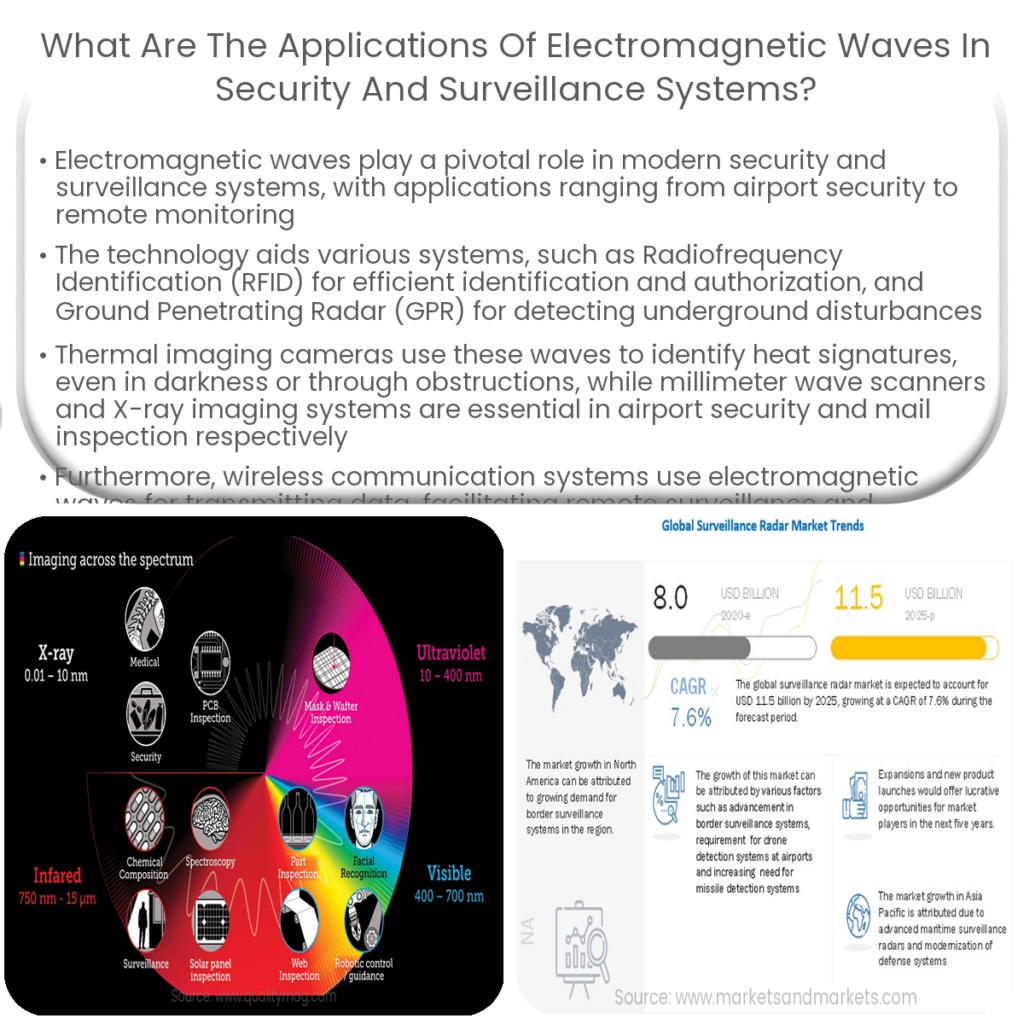
Electromagnetic waves are used in RFID, GPR, thermal imaging, millimeter wave scanners, X-ray imaging, and wireless communication systems for security purposes.
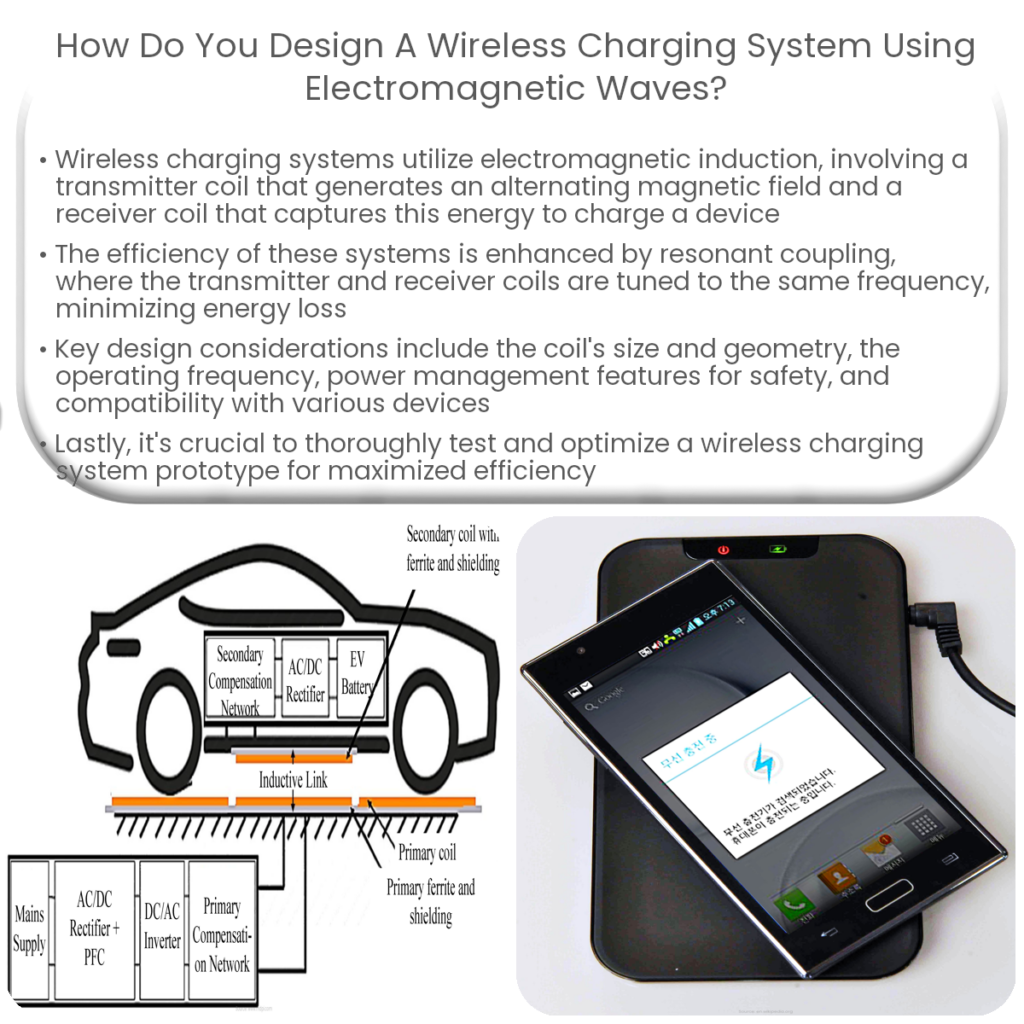
Wireless charging has revolutionized the way we power our devices, offering a convenient and cable-free solution. This article will provide an overview of how to design a wireless charging system using electromagnetic waves.
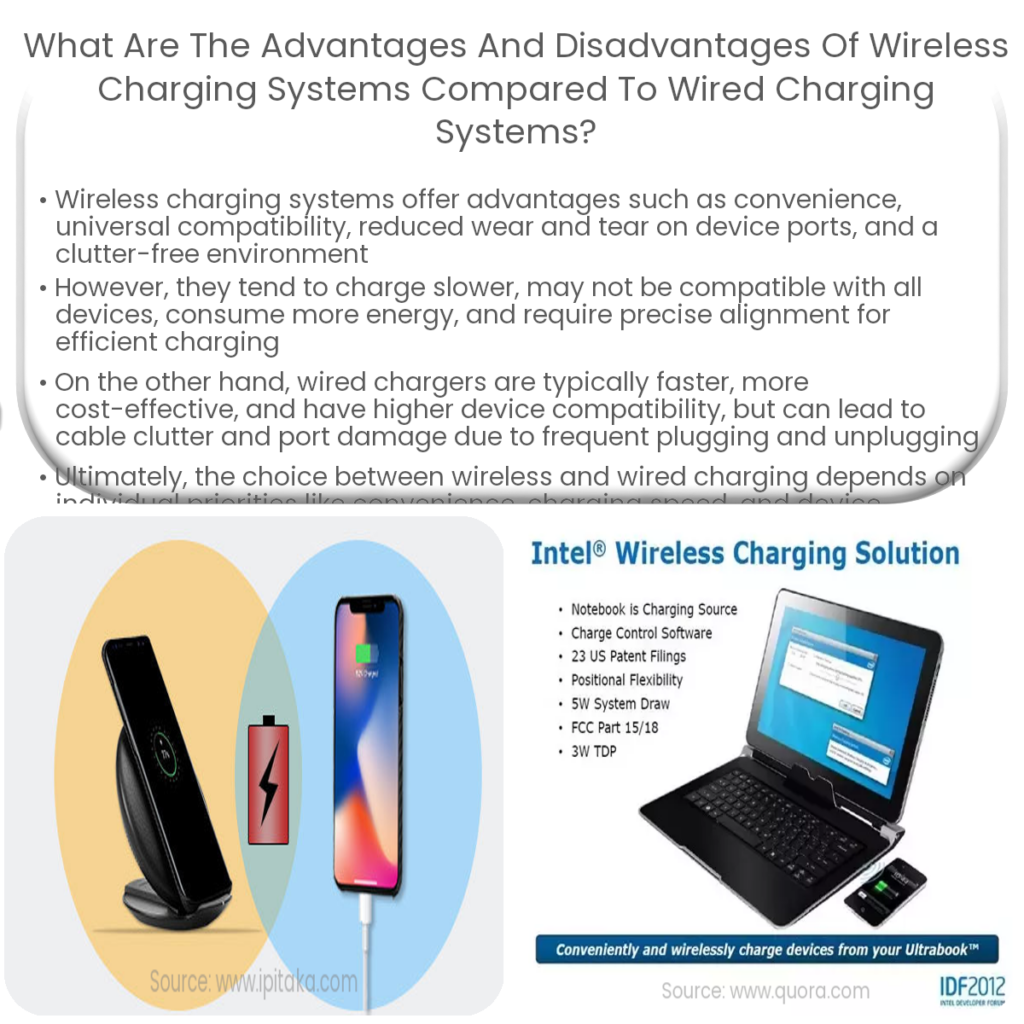
Wireless charging offers convenience, universal compatibility, and reduced wear, while wired charging provides faster speeds, cost-effectiveness, and higher compatibility.
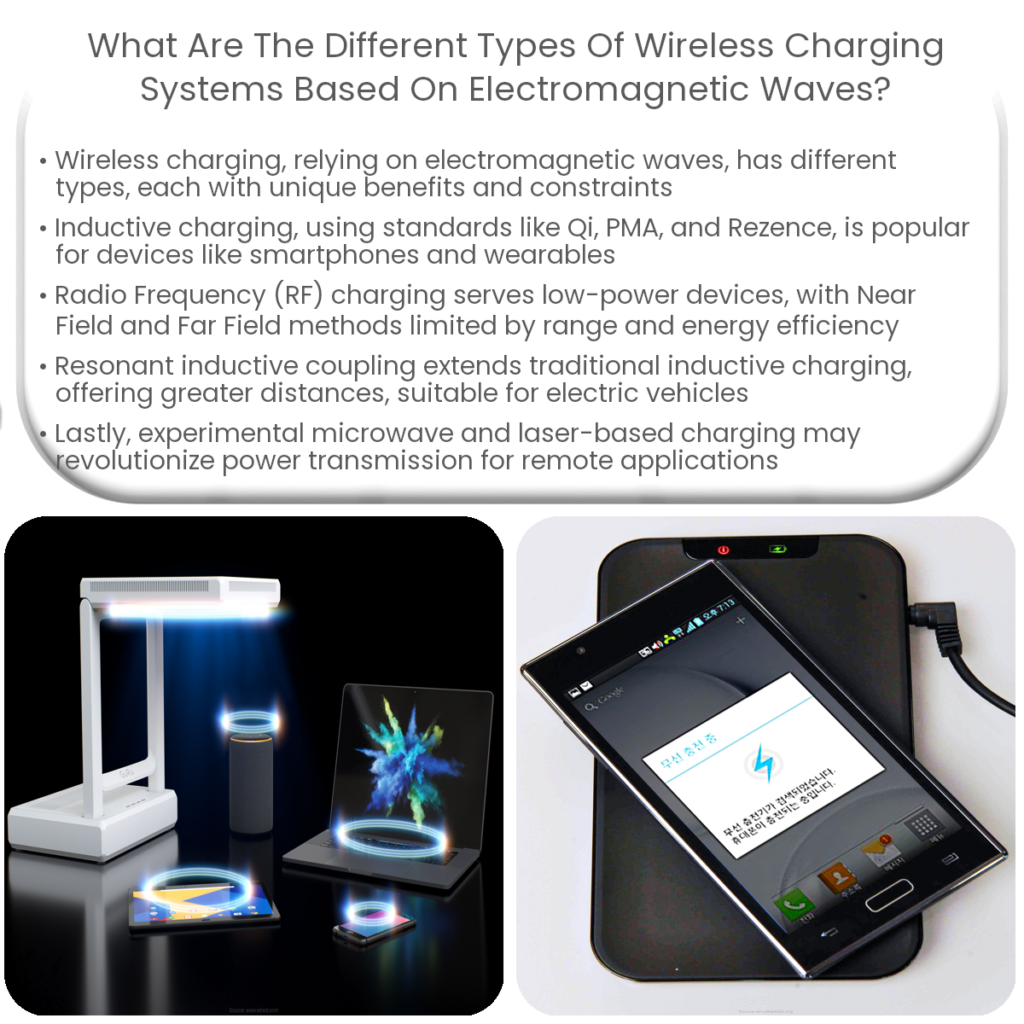
The main types of wireless charging systems are inductive charging (Qi, PMA, Rezence), radio frequency charging, resonant inductive coupling, and microwave/laser-based charging.
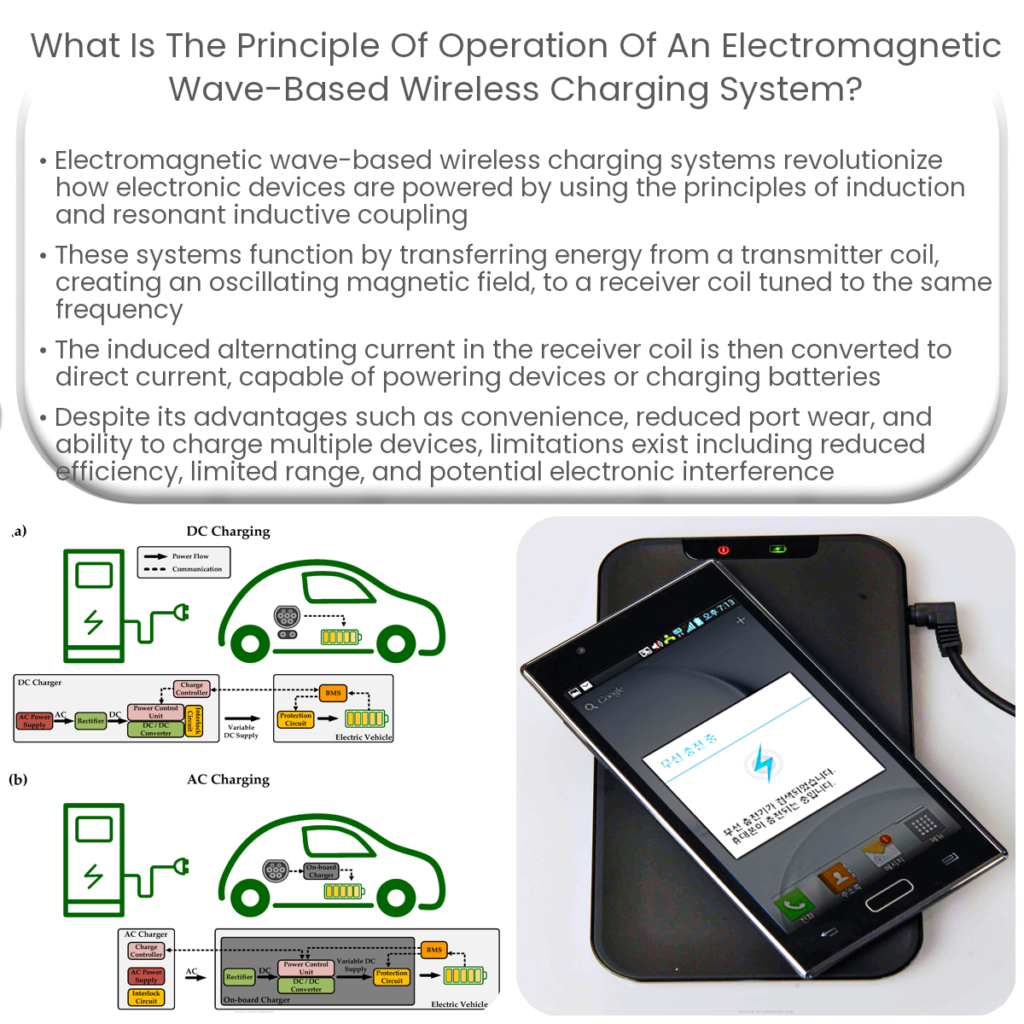
Electromagnetic wave-based wireless charging systems work on the principle of resonant inductive coupling between transmitter and receiver coils.
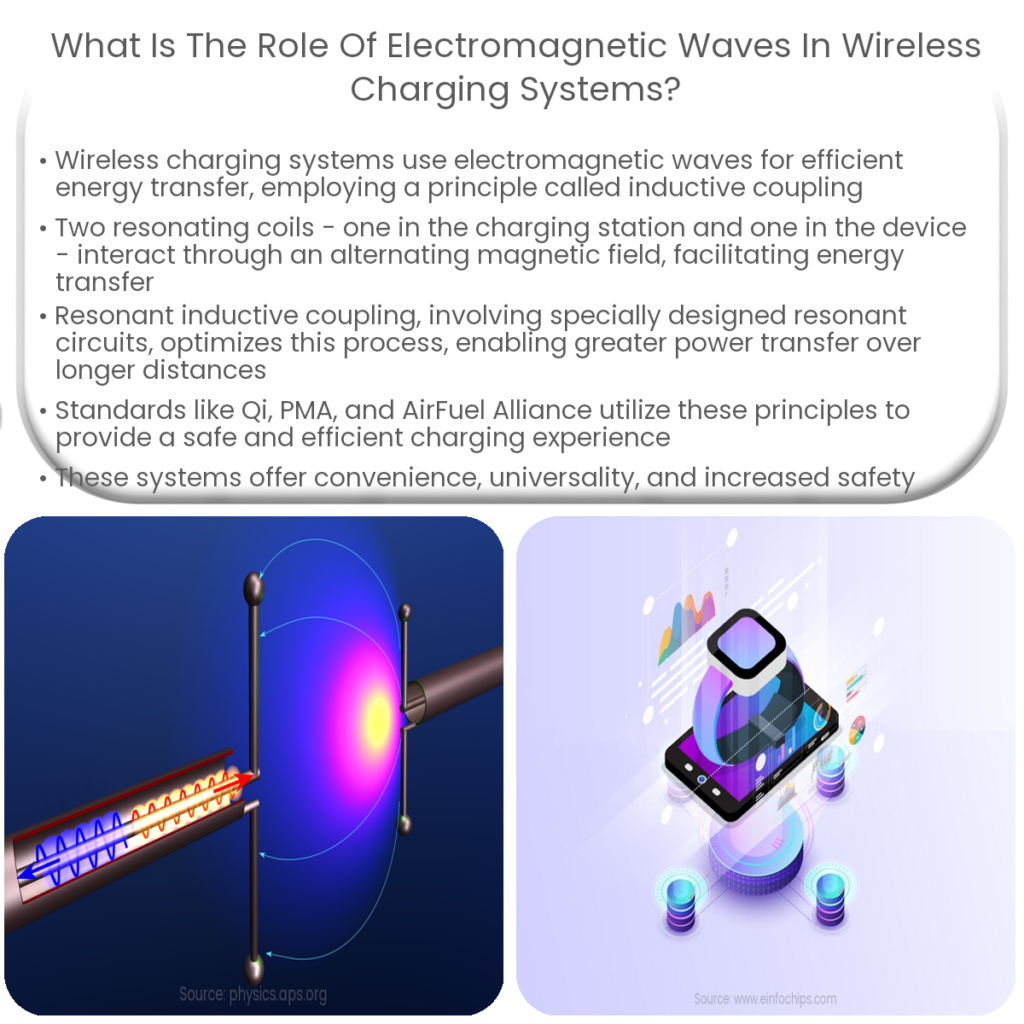
Electromagnetic waves enable wireless charging by transferring energy through inductive coupling between the charging station and the device.
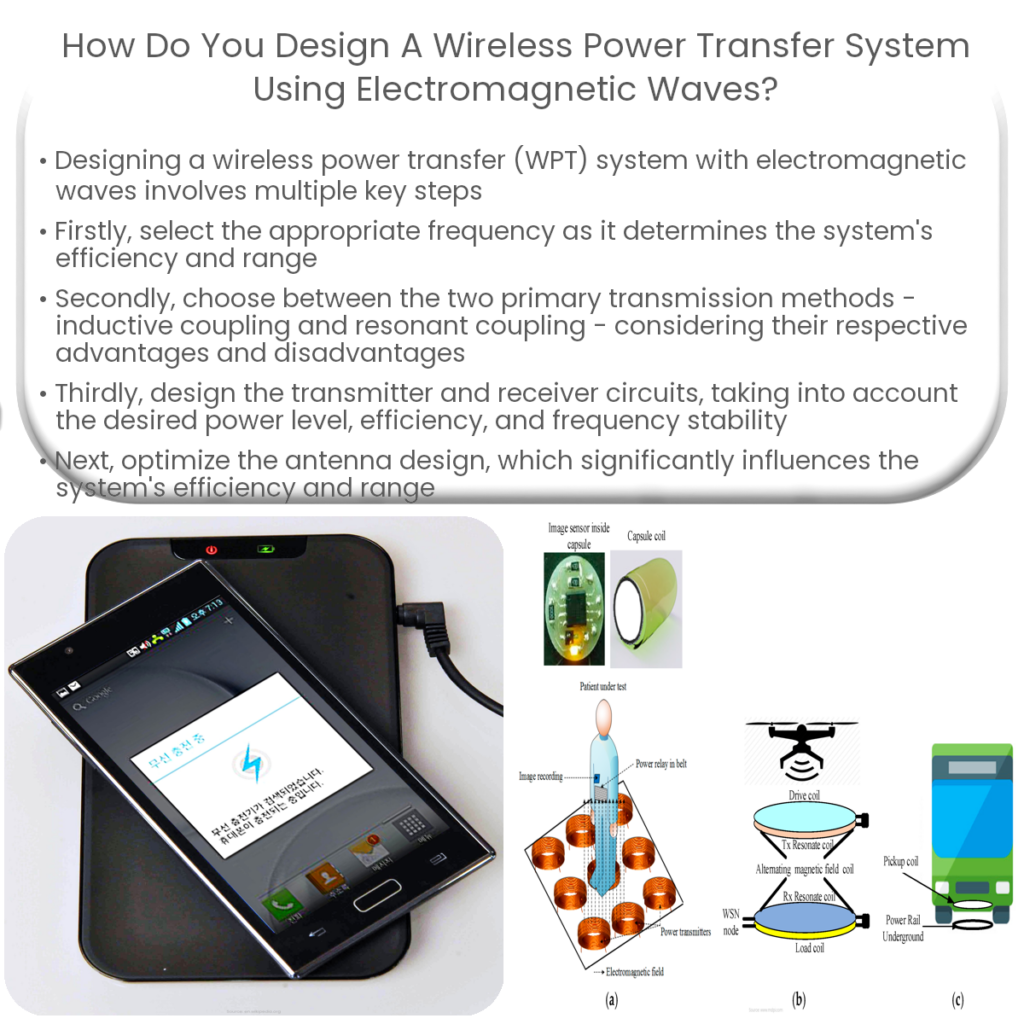
To design a wireless power transfer system using electromagnetic waves, choose the frequency, transmission method, design circuits and antennas, and test and refine the system.

Wireless power transfer systems offer convenience, reduced wear and tear, and enhanced safety, but face lower efficiency, increased costs, range limitations, and heat generation issues.

Different types of wireless power transfer systems include near-field inductive coupling, resonant inductive coupling, microwave and laser power transmission, capacitive coupling, and magnetodynamic coupling.

The primary purpose of this project is to help the public to learn some exciting and important information about electricity and magnetism.
Our Website follows all legal requirements to protect your privacy. Visit our Privacy Policy page.
The Cookies Statement is part of our Privacy Policy.
The information contained on this website is for general information purposes only. This website does not use any proprietary data. Visit our Editorial note.
It’s simple:
1) You may use almost everything for non-commercial and educational use.
2) You may not distribute or commercially exploit the content, especially on another website.


