
Horn antenna

Horn antennas are microwave antennas with flared waveguides, offering high directivity and gain, used in radar, communication, and radio astronomy.
Horn antennas are microwave antennas with flared waveguides, offering high directivity and gain, used in radar, communication, and radio astronomy.
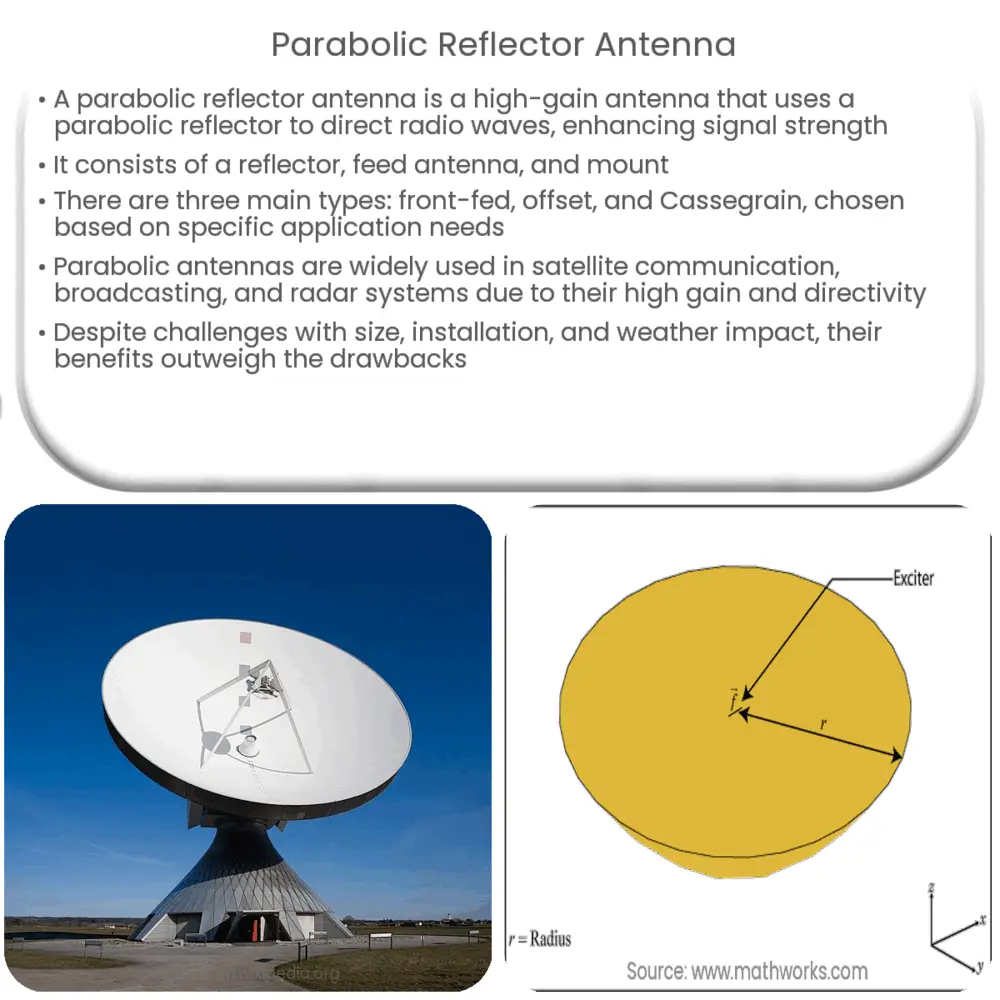
Explore the workings, types, applications, advantages, and drawbacks of parabolic reflector antennas in our comprehensive guide.

Patch antennas are low-profile, cost-effective antennas used in wireless communication, IoT, wearables, and medical applications.
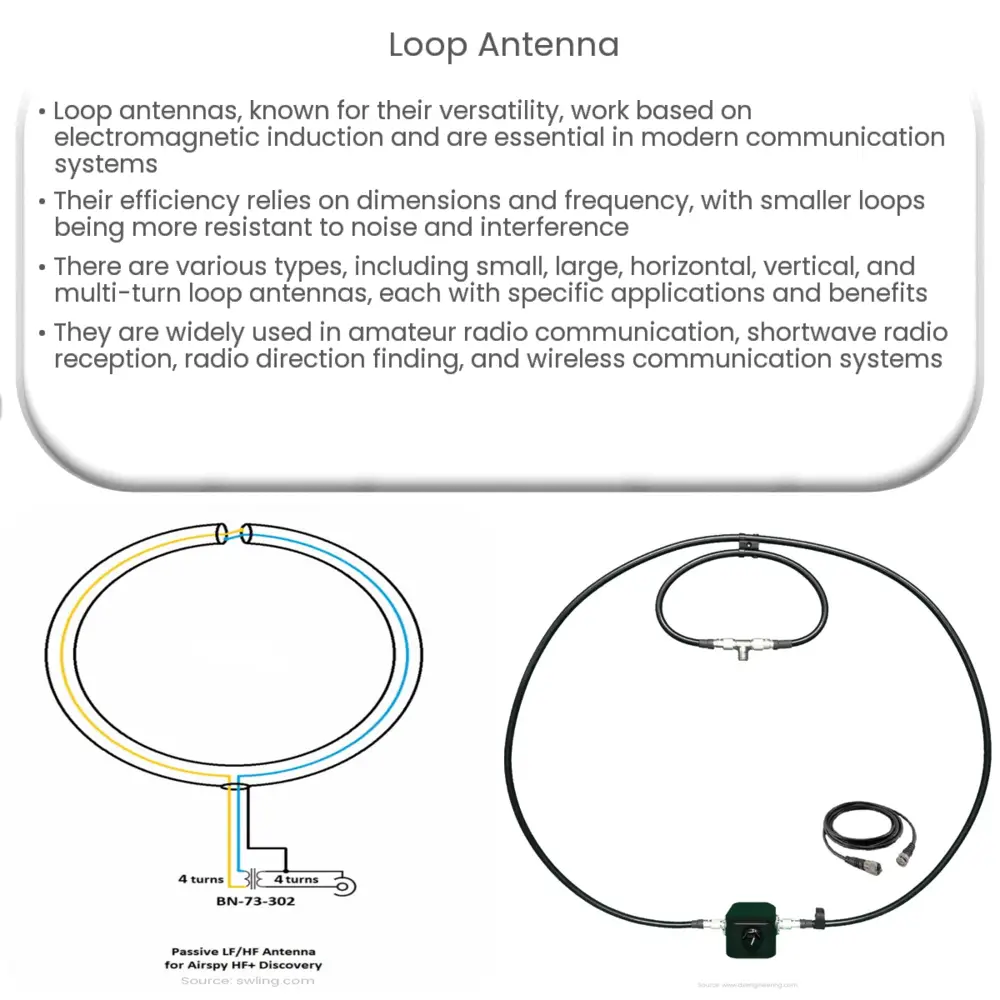
Loop antennas are versatile radio communication devices, known for their compact size, directional properties, and resistance to electrical interference.
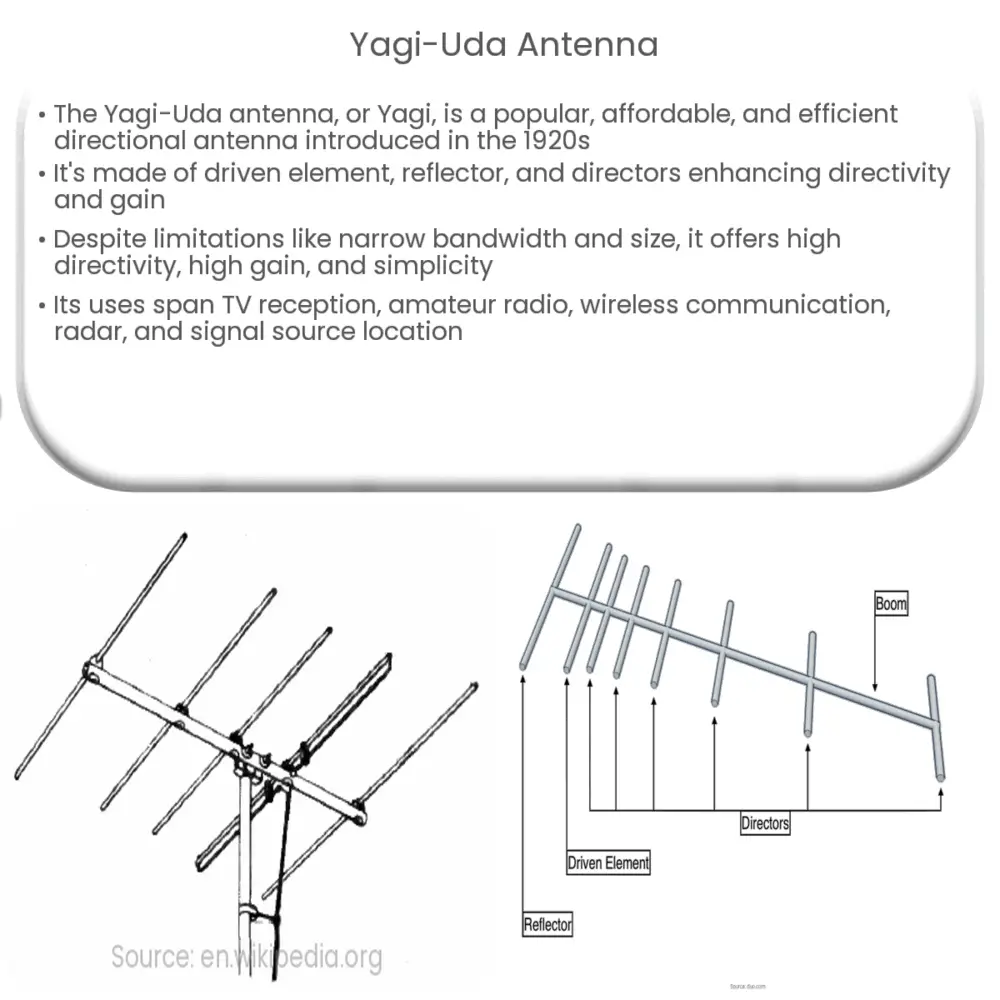
The Yagi-Uda antenna is a highly directional and affordable antenna, commonly used in TV reception, amateur radio, and wireless communication systems.
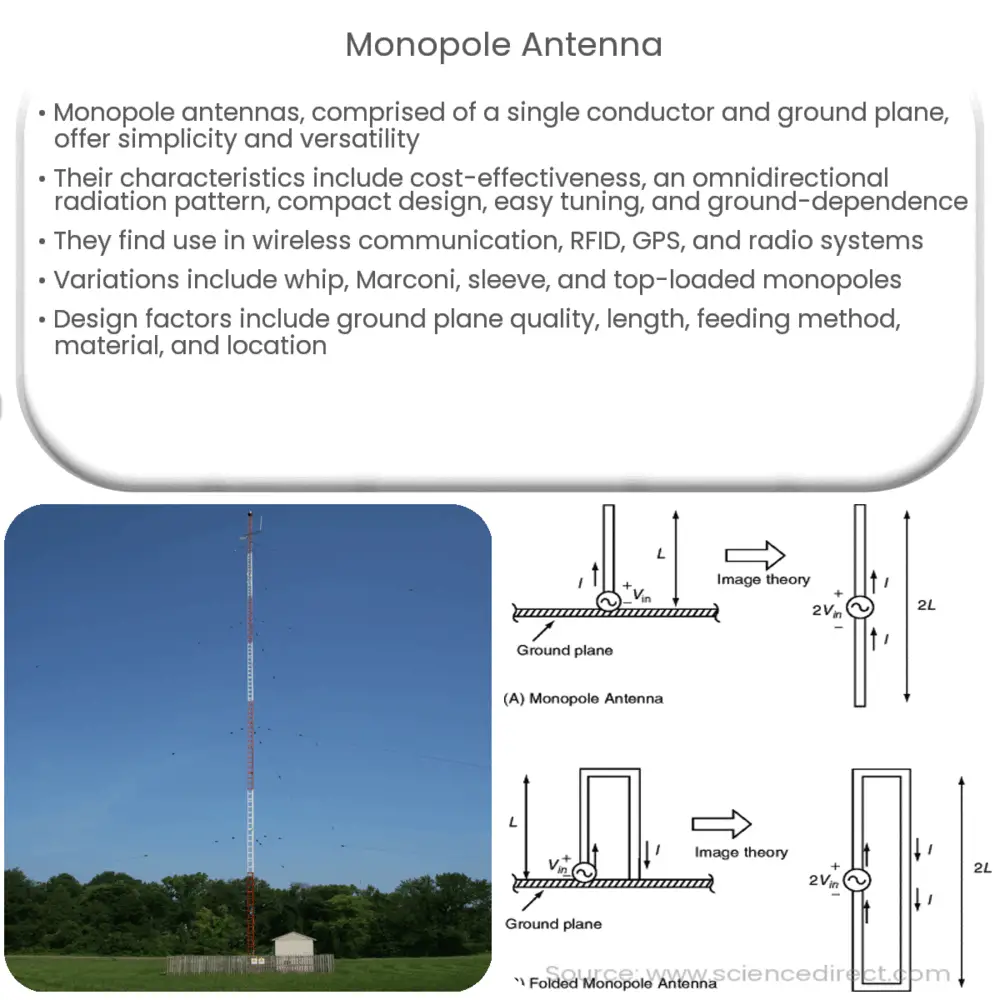
Explore monopole antennas, their fundamentals, types, and applications, along with design considerations and optimization for optimal performance.

A dipole antenna is a basic radio antenna with two conductive elements, often used in broadcasting, wireless communication, and amateur radio.

Explore the world of switched-capacitor converters, their working principle, advantages, design considerations, types, advancements, and applications.

A voltage doubler is an electronic circuit that doubles the output voltage from a single input source, ideal for low-power, high-voltage applications.

Synchronous rectifiers are power conversion components that use low-resistance MOSFETs, offering enhanced efficiency and reduced heat generation.

The primary purpose of this project is to help the public to learn some exciting and important information about electricity and magnetism.
Our Website follows all legal requirements to protect your privacy. Visit our Privacy Policy page.
The Cookies Statement is part of our Privacy Policy.
The information contained on this website is for general information purposes only. This website does not use any proprietary data. Visit our Editorial note.
It’s simple:
1) You may use almost everything for non-commercial and educational use.
2) You may not distribute or commercially exploit the content, especially on another website.


