
Resettable fuse (PTC)
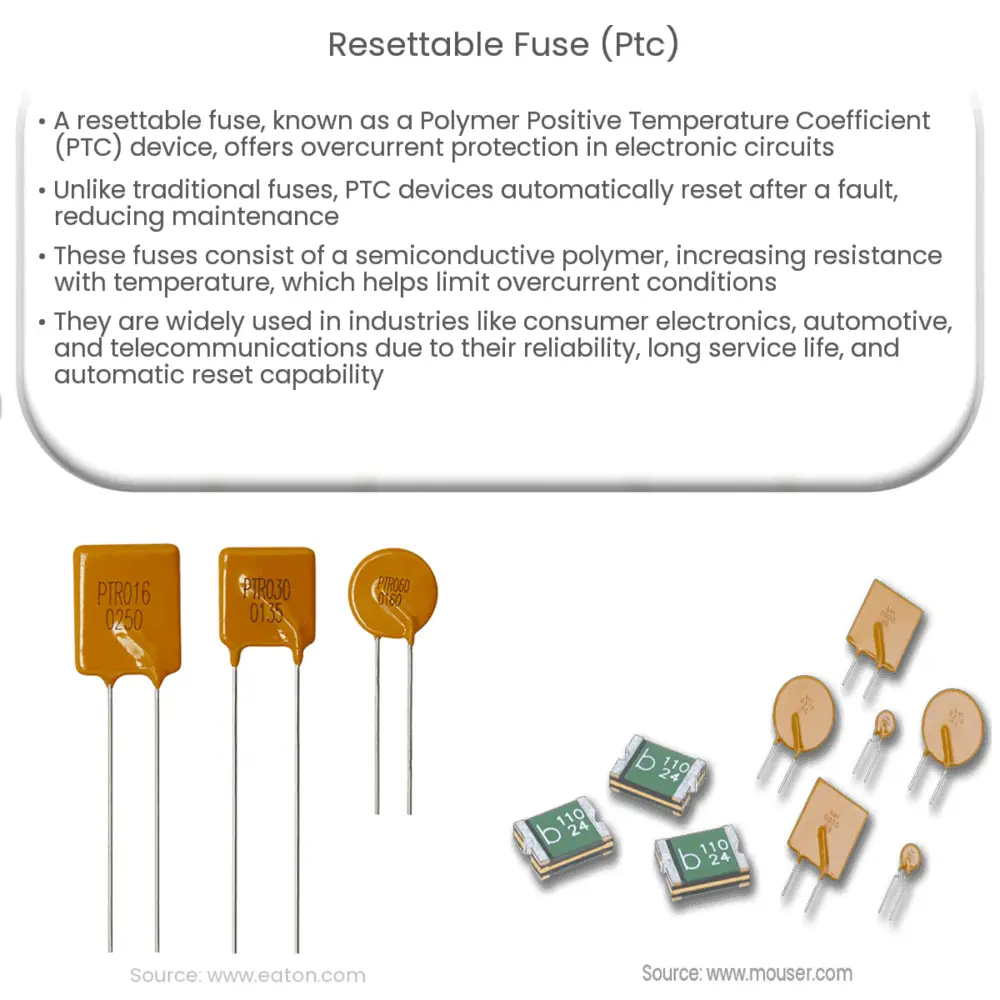
A resettable fuse, or PTC device, is a self-resetting overcurrent protector in electronic circuits, offering reliability, efficiency, and compact size.
A resettable fuse, or PTC device, is a self-resetting overcurrent protector in electronic circuits, offering reliability, efficiency, and compact size.
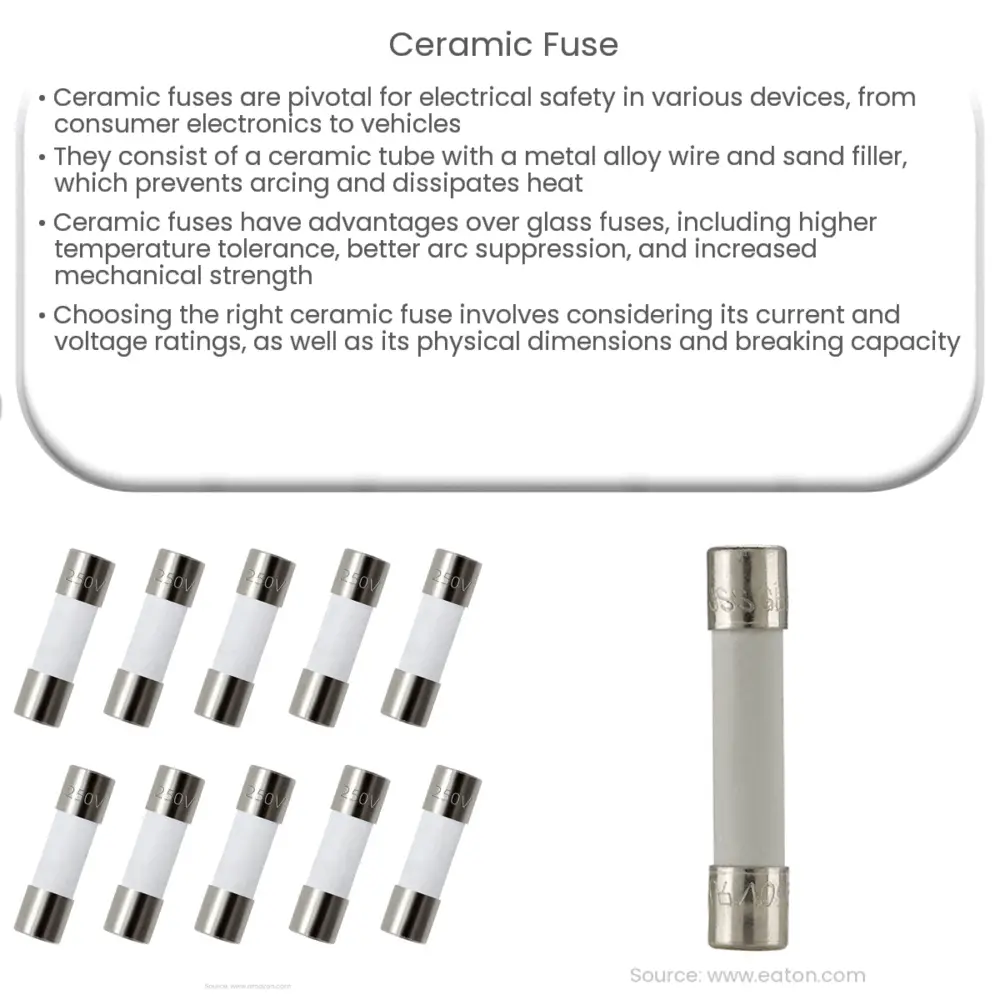
Ceramic fuses protect electrical systems with high temperature tolerance, superior arc suppression, and increased mechanical strength.

Explore the world of stepper motors, their working principle, types, applications, control mechanisms, advantages, and disadvantages.
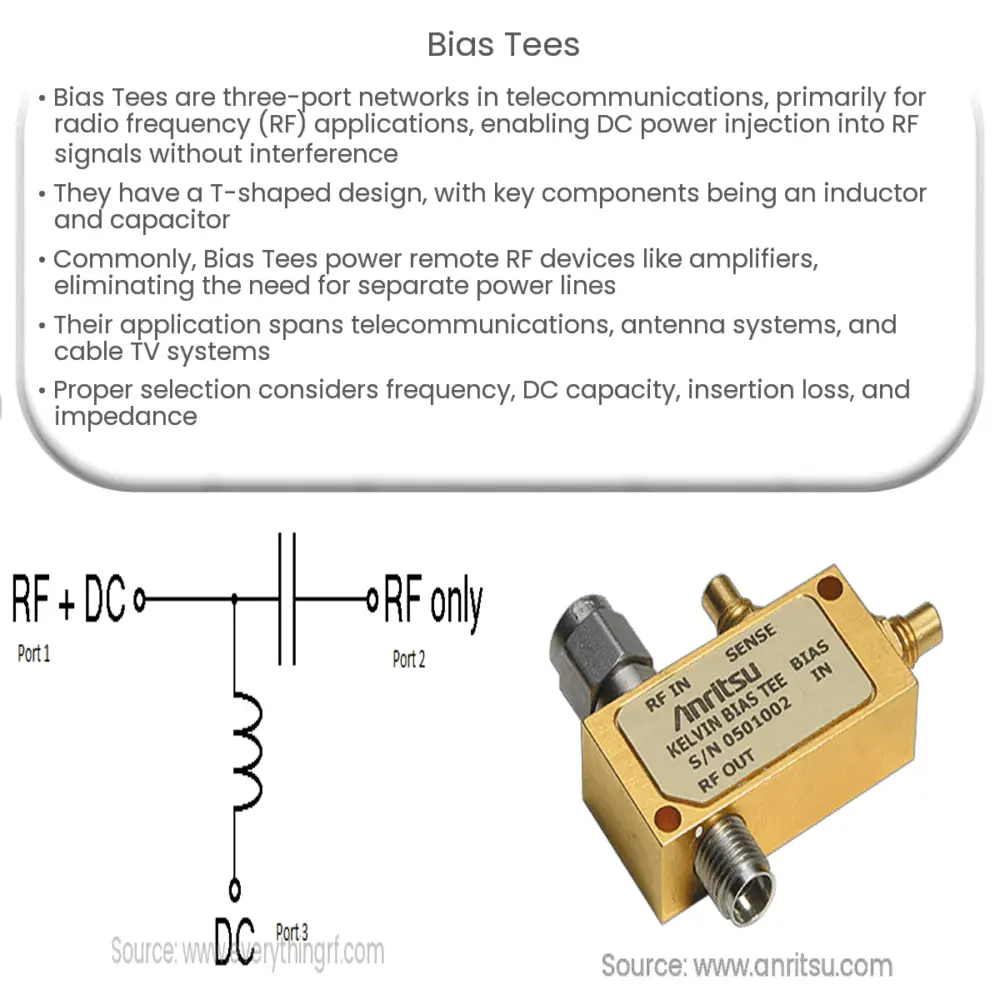
Explore the world of Bias Tees, their components, functions, applications, and selection criteria in our comprehensive guide.
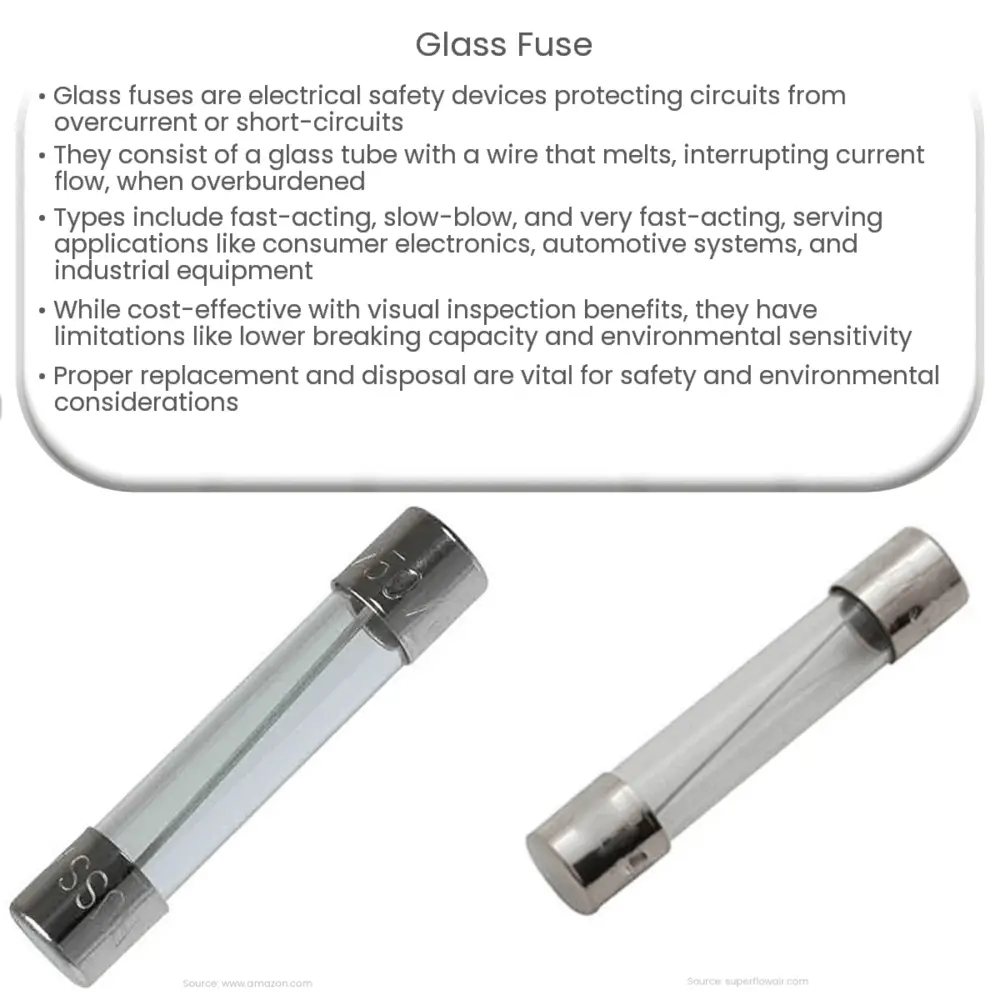
Glass fuses are compact, cost-effective electrical safety devices that protect circuits from overcurrent and short-circuits in various applications.
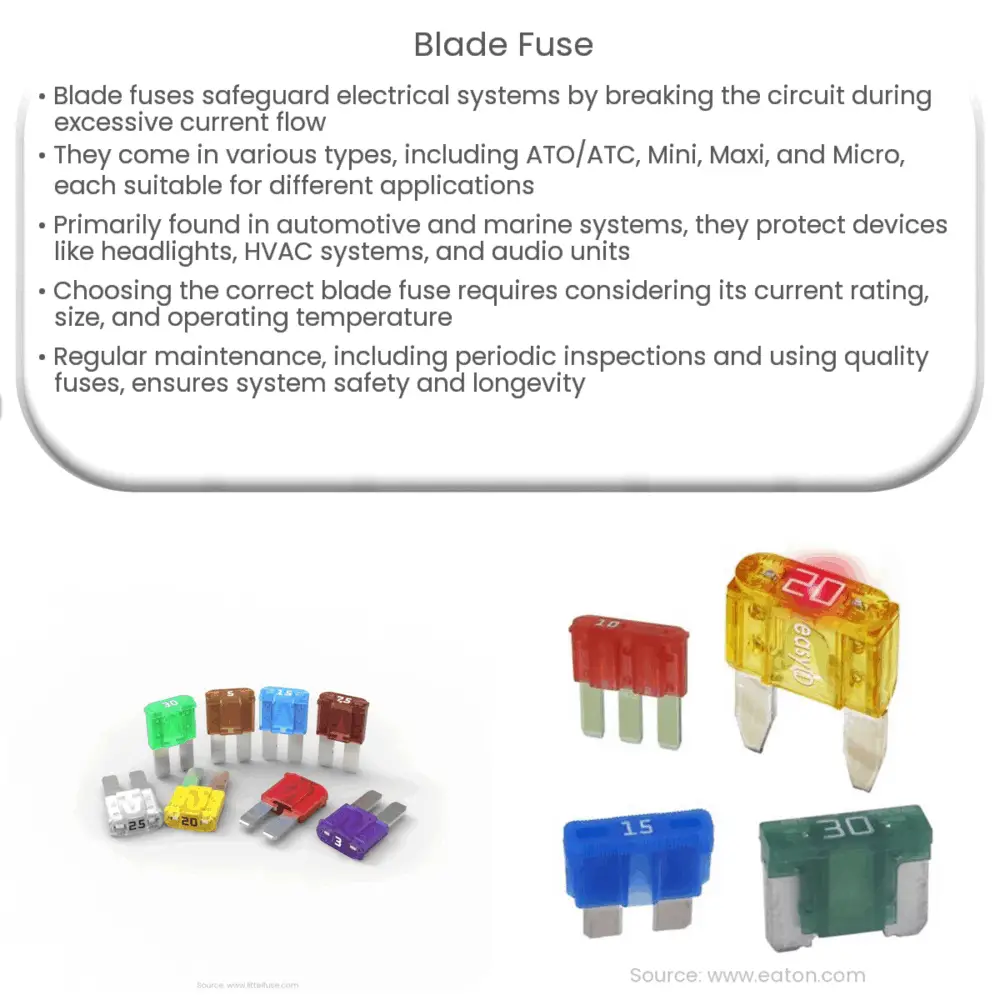
Blade fuses safeguard electrical systems from excessive current, preventing damage and fires. They come in various sizes for diverse applications.
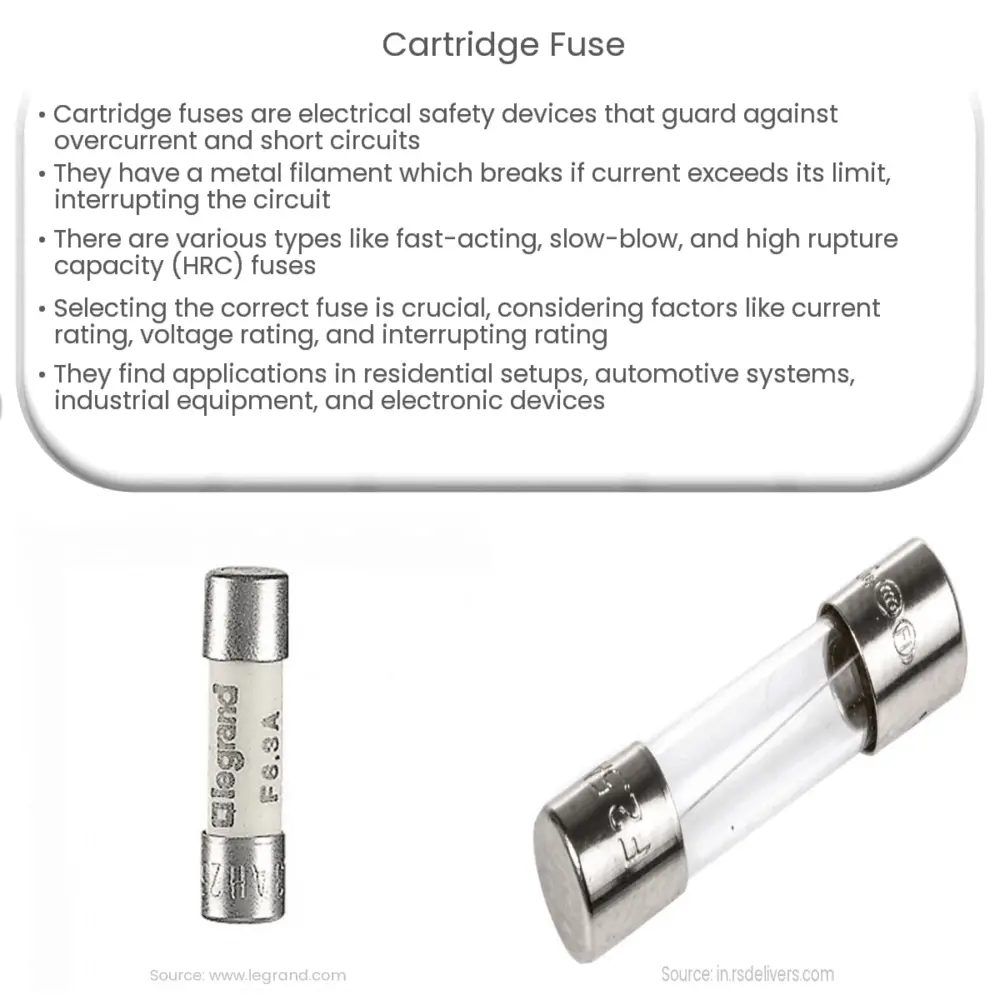
A cartridge fuse is a cylindrical safety device that interrupts electrical circuits when current exceeds a specified value, protecting against overcurrent and short circuits.
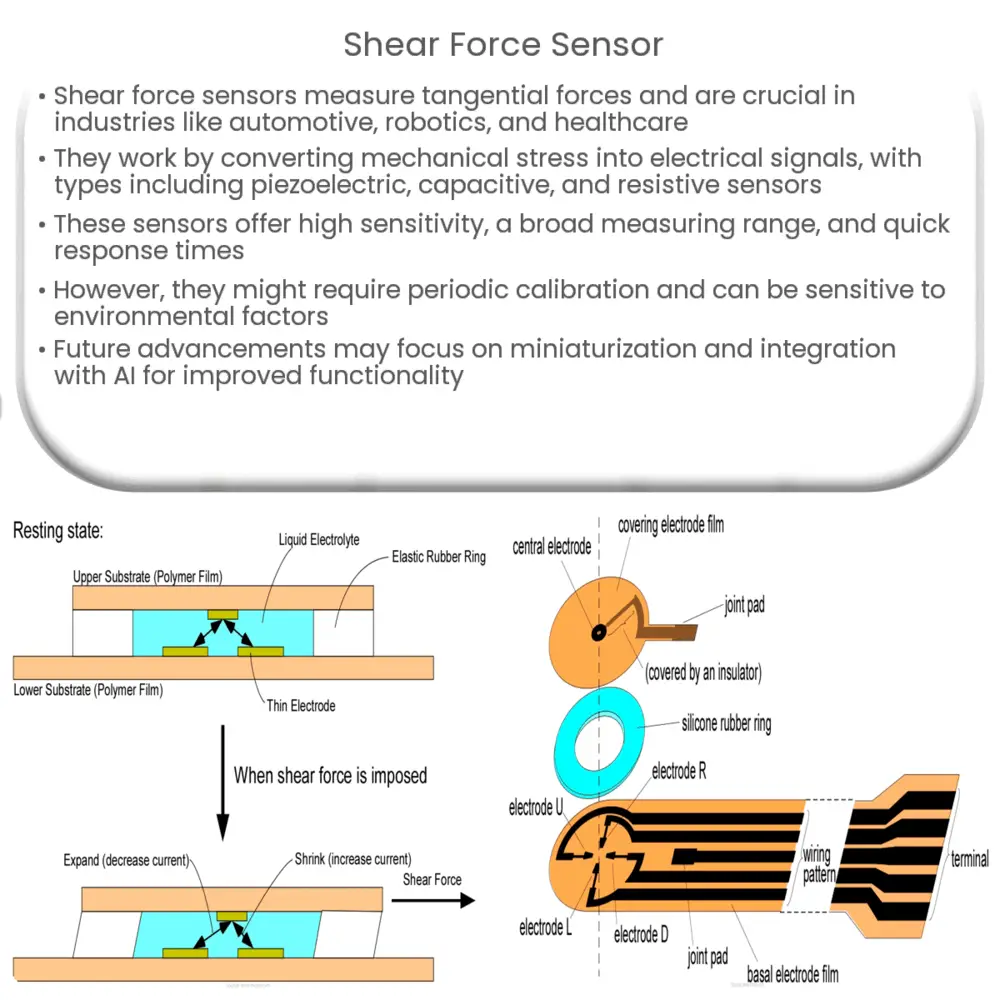
Shear force sensors measure tangential forces in various applications, including robotics, automotive, manufacturing, and healthcare.

S-type force sensors are versatile devices that accurately measure tension and compression forces in diverse applications across industries.
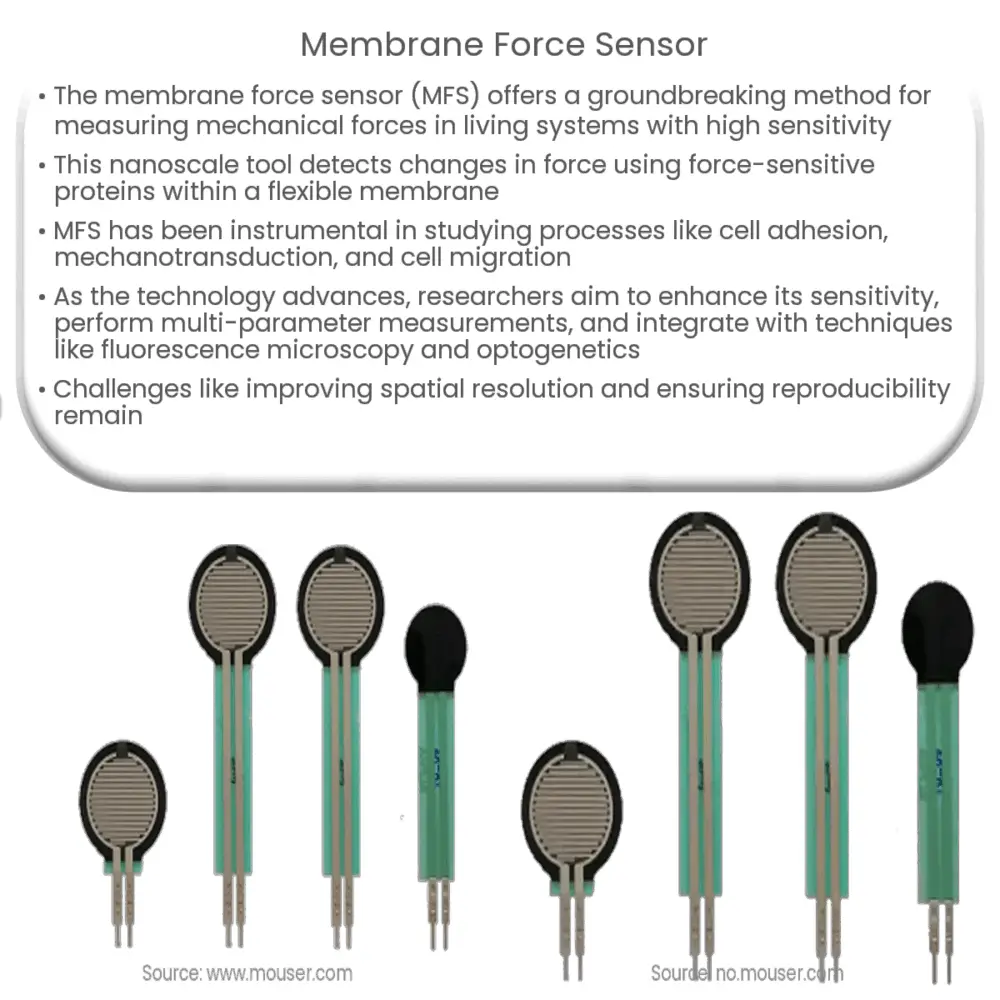
Explore the membrane force sensor, a groundbreaking tool for measuring mechanical forces in living systems, with applications in cell biology and biomechanics.

The primary purpose of this project is to help the public to learn some exciting and important information about electricity and magnetism.
Our Website follows all legal requirements to protect your privacy. Visit our Privacy Policy page.
The Cookies Statement is part of our Privacy Policy.
The information contained on this website is for general information purposes only. This website does not use any proprietary data. Visit our Editorial note.
It’s simple:
1) You may use almost everything for non-commercial and educational use.
2) You may not distribute or commercially exploit the content, especially on another website.


