
System-on-Chip (SoC) Devices

Explore the world of System-on-Chip (SoC) devices, their components, advantages, applications, challenges, and the future outlook.
Explore the world of System-on-Chip (SoC) devices, their components, advantages, applications, challenges, and the future outlook.
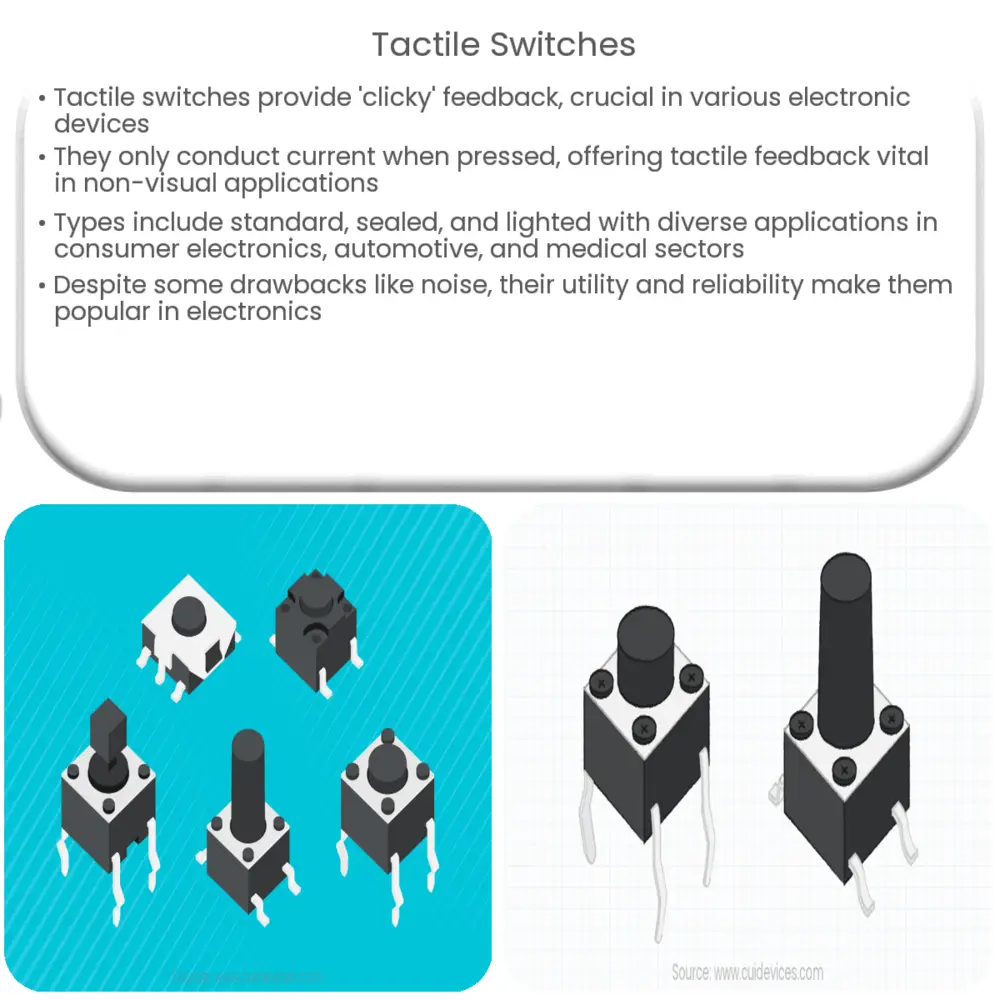
Explore the world of tactile switches, their types, working principle, applications, and pros & cons in this comprehensive guide.

Explore the workings, applications, advancements, and future of Tandem Van de Graaff Accelerators, a crucial tool in scientific research.

Explore the fundamentals of spectrum analyzers, their types, applications in various fields, and key features, enhancing your understanding of signal analysis.
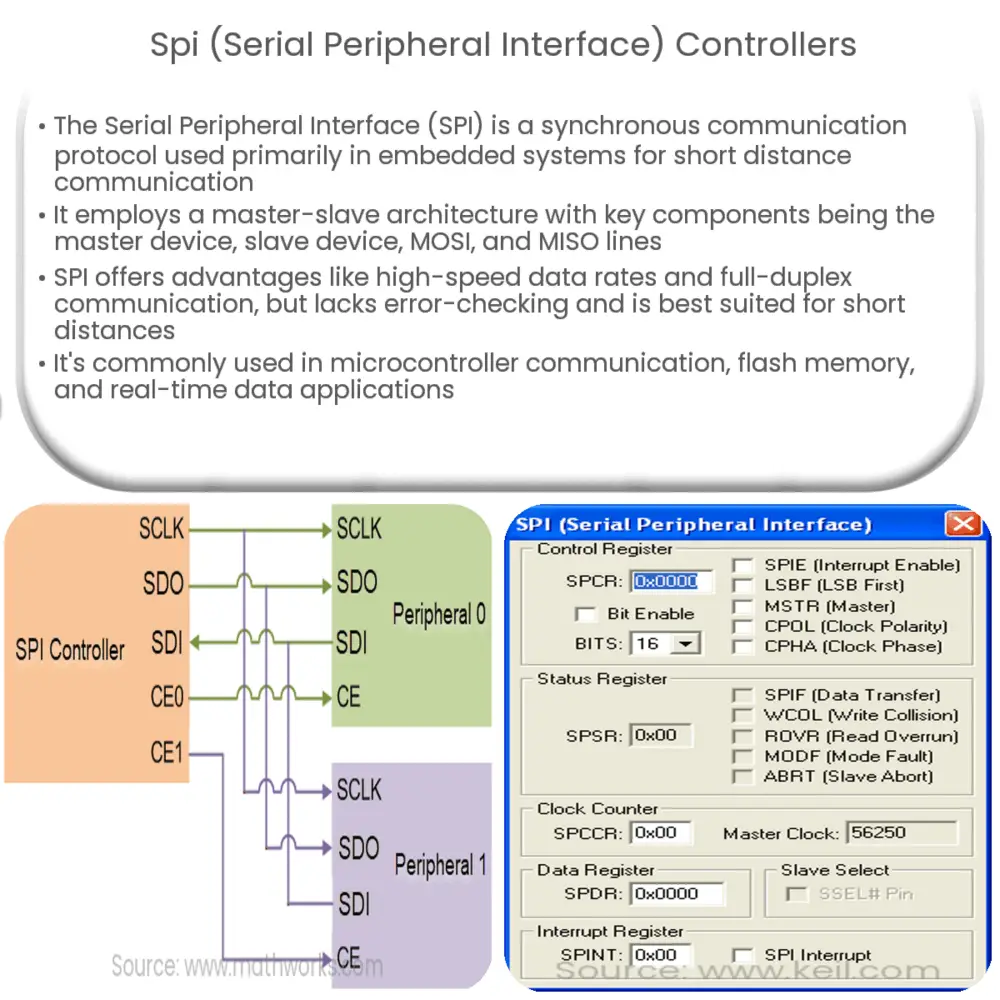
Explore the SPI (Serial Peripheral Interface) controllers: their components, working, advantages, disadvantages, and real-world applications.

Explore the workings of SQUID Magnetometers, their applications in various fields, and future advancements in this comprehensive article.
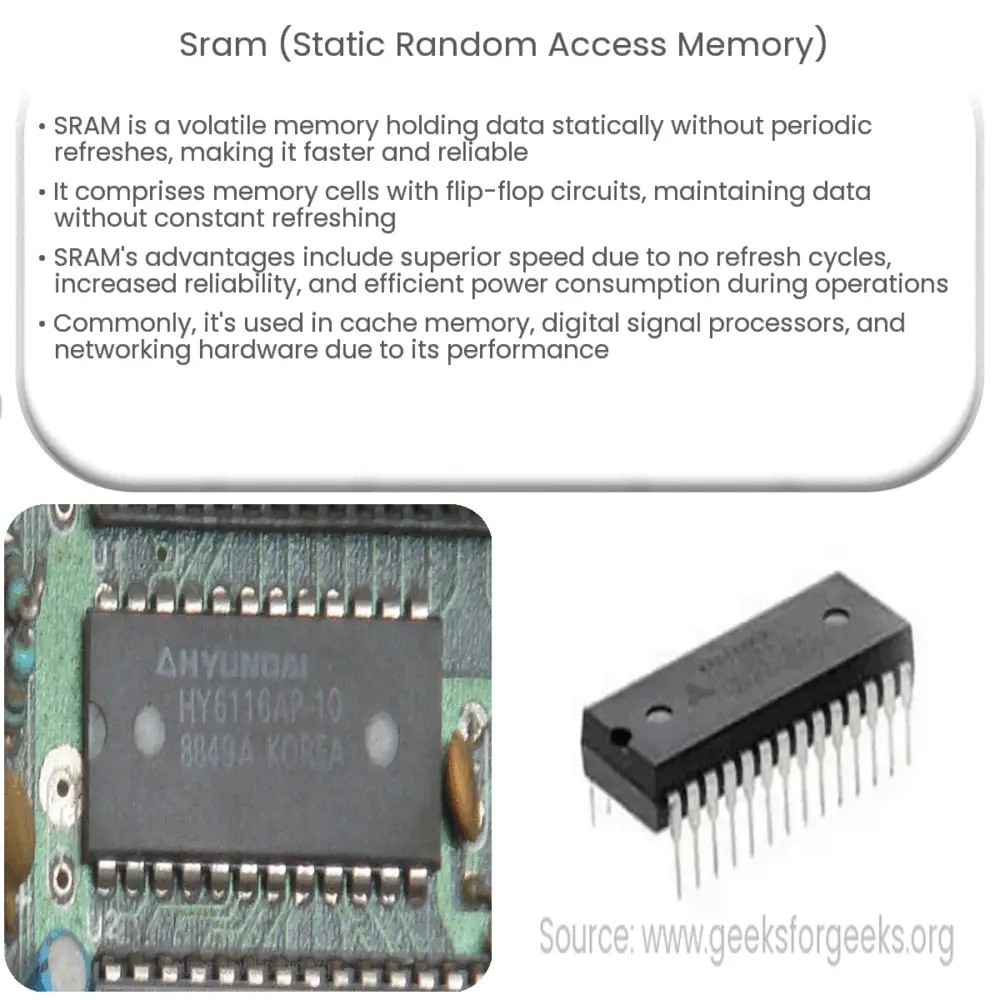
Explore the world of Static Random Access Memory (SRAM), its working principle, advantages, applications, and comparison with DRAM.

Explore the science, applications, types, and materials of static dissipative coatings, and understand their pivotal role across industries.
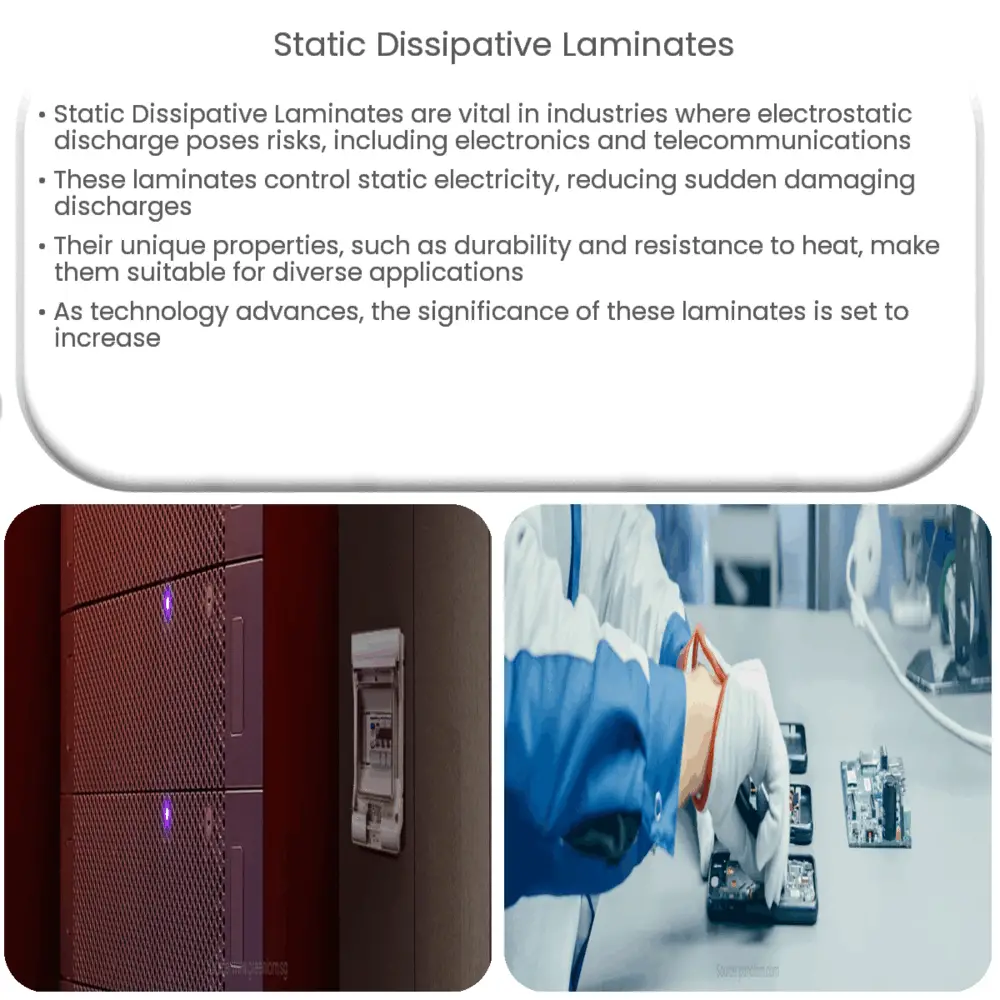
Explore the importance of Static Dissipative Laminates, their unique properties, applications, and role in safeguarding electronics.

Explore the world of static eliminators: understand their mechanism, types, uses in various industries, and safety considerations for optimal use.

The primary purpose of this project is to help the public to learn some exciting and important information about electricity and magnetism.
Our Website follows all legal requirements to protect your privacy. Visit our Privacy Policy page.
The Cookies Statement is part of our Privacy Policy.
The information contained on this website is for general information purposes only. This website does not use any proprietary data. Visit our Editorial note.
It’s simple:
1) You may use almost everything for non-commercial and educational use.
2) You may not distribute or commercially exploit the content, especially on another website.
