
Explore the importance of motor surge protection devices, their types, and how to choose and maintain them for optimal performance.
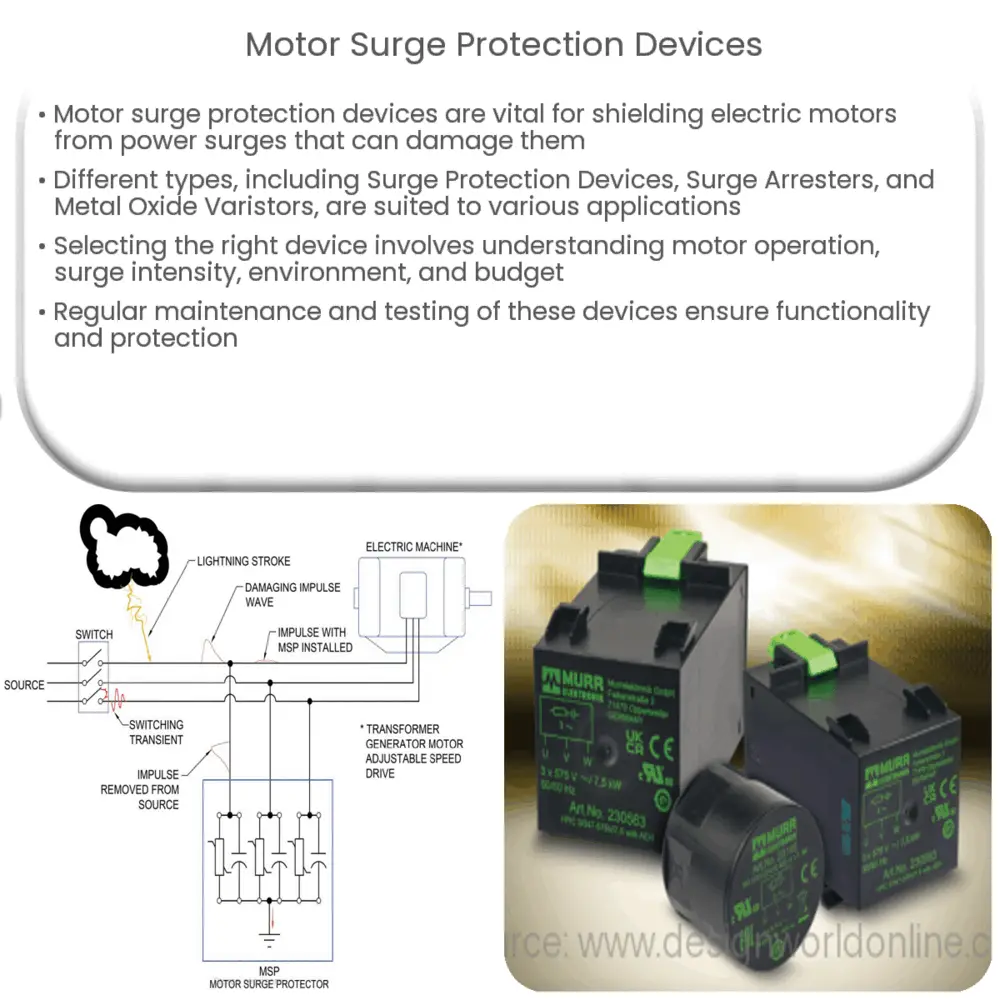
Introduction to Motor Surge Protection Devices
Electric motors are an integral part of a wide range of industrial applications. They are the heart of machinery, driving everything from pumps and conveyors to large industrial fans. However, these motors are exposed to a variety of electrical faults, one of the most significant being power surges. To safeguard these critical pieces of equipment, motor surge protection devices are essential.
Understanding Power Surges
Power surges, also known as voltage surges or transient voltages, are brief spikes in electrical power that can damage or degrade the performance of electric motors and other electronic equipment. They can occur due to a variety of factors including lightning strikes, power outages, heavy equipment switching on or off, or problems with the electrical utility. The intensity and duration of a power surge can vary, but even a short, minor surge can harm sensitive electrical components.
Role of Motor Surge Protection Devices
Motor surge protection devices are designed to shield electric motors from the damaging effects of power surges. They work by detecting surges and redirecting the excess voltage away from the motor, typically to the ground. This action happens extremely fast, often within nanoseconds, thereby minimizing the exposure of the motor to the surge. The result is that the motor’s lifespan is prolonged, its performance is maintained, and the risk of unexpected downtime due to a surge-induced fault is significantly reduced.
Types of Motor Surge Protection Devices
- Surge Protection Devices (SPDs): These are the most common type of surge protection devices. They are designed to limit transient overvoltages and divert surge current away from the equipment.
- Surge Arresters: These devices act like a pressure relief valve and direct the excess energy directly to the ground. They are typically used in large-scale industrial and utility applications.
- Metal Oxide Varistors (MOVs): MOVs are semi-conductor devices that are designed to protect against excessive transient voltages. When the voltage exceeds a specific level, the MOVs change their resistance dramatically to divert the surge energy away from the motor.
Each type of device has its own strengths and is suitable for different applications and environments. The choice of device often depends on the specific requirements of the electric motor and the nature of the electrical system within which it operates.
Choosing the Right Motor Surge Protection Device
Choosing the right motor surge protection device is not a one-size-fits-all situation. Factors such as the motor’s operating voltage, the frequency and intensity of the surges it may be exposed to, the environment in which the motor operates, and the budget for surge protection all play a role in the decision-making process.
- Evaluating Your Needs: Before selecting a surge protection device, you need to evaluate your power quality. This involves analyzing the frequency and intensity of power surges in your system.
- Understanding the Specifications: Each type of surge protection device has specific features and specifications. Understanding these specifications – including the device’s maximum continuous operating voltage (MCOV), voltage protection rating (VPR), and short circuit current rating (SCCR) – is essential in making an informed decision.
- Professional Consultation: Given the technical nature of these devices and the stakes involved in protecting expensive machinery, professional consultation is often recommended. Professionals in the field of electrical engineering or those specializing in power quality can provide valuable guidance.
Maintaining and Testing Your Motor Surge Protection Device
Simply installing a motor surge protection device is not enough. Regular maintenance and testing are crucial to ensure that these devices are functioning correctly and providing the necessary protection. Most devices come with indicators to show that they are working properly, but periodic testing is still recommended. Maintenance can involve cleaning, inspecting for physical damage, and replacing components as needed. This proactive approach can prevent failures and ensure that your motor remains protected.
Conclusion
Motor surge protection devices play a crucial role in preserving the lifespan and efficiency of electric motors. By understanding power surges, the types of surge protection devices, and the factors involved in choosing and maintaining these devices, you can significantly reduce the risk of motor damage and improve the reliability and performance of your equipment. In a world increasingly dependent on automation and machines, taking these steps to protect your electric motors from power surges is not just a good strategy—it’s an essential one.