
What is a volume charge density?
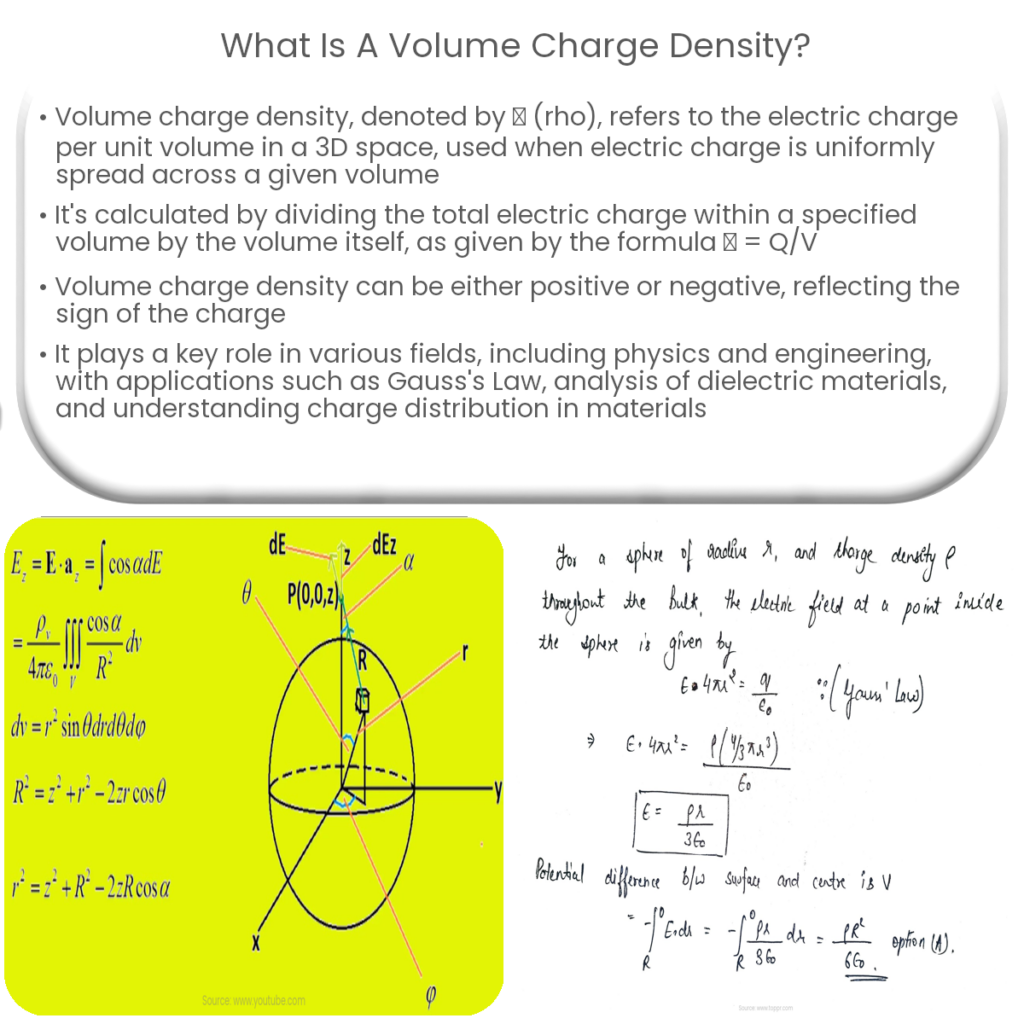
Volume charge density measures electric charge per unit volume in a 3D space and is crucial for understanding electric fields and material properties.
Volume charge density measures electric charge per unit volume in a 3D space and is crucial for understanding electric fields and material properties.

Surface charge density measures electric charge per unit area on a surface and is vital for understanding electric fields and designing electronic devices.

Electric charge density measures the distribution of electric charges per unit volume, area, or length, and is vital for understanding electromagnetism.

For r > R, the electric field is E = Q/(4πε₀r²). Inside the shell (r < R), the electric field is 0. Use Gauss's Law to derive these results.

An electroscope detects electric charges by using electrostatic induction, causing metal leaves to spread apart based on the charge’s strength.
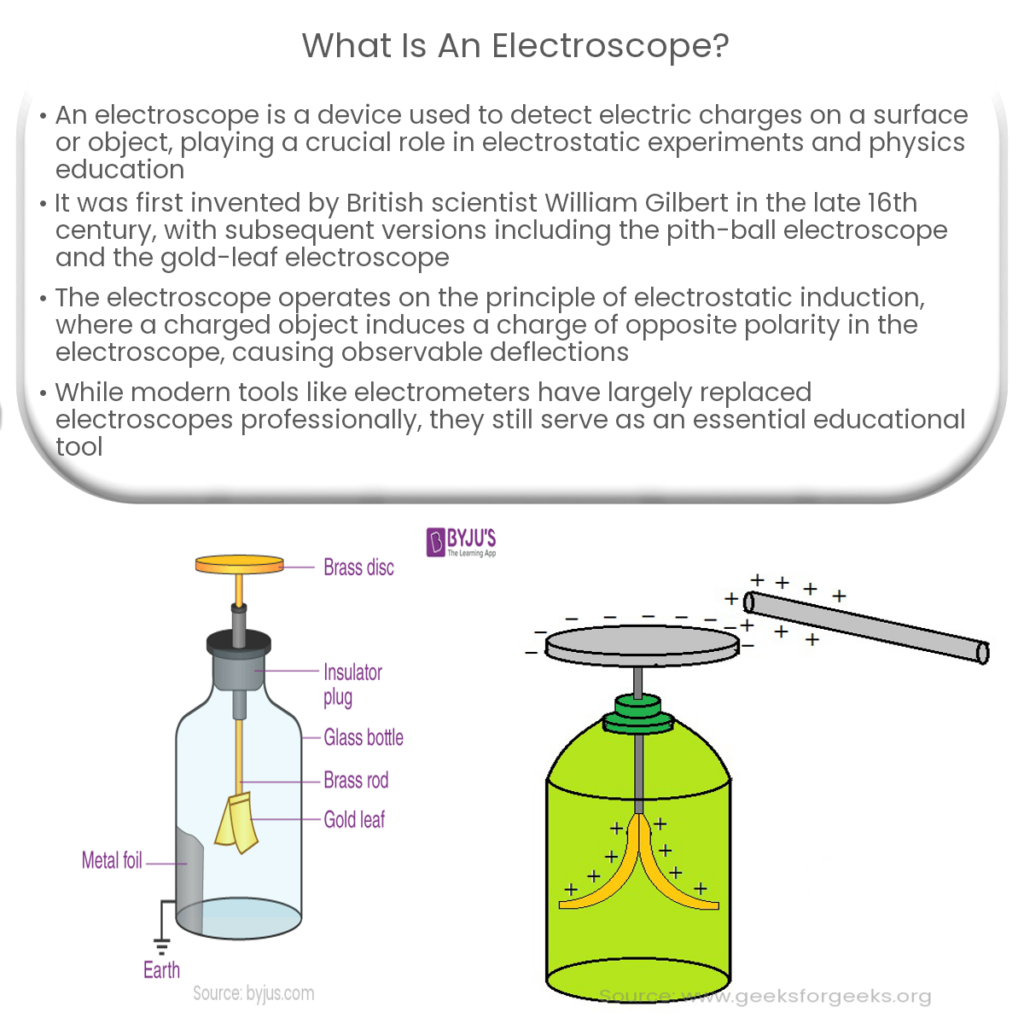
An electroscope is a device that detects the presence of electric charges on objects or surfaces by observing the movement of charged components.

Hall effect applications include magnetic field sensors, position and speed detection, current sensing, automotive uses, telecommunication, medical devices, and aerospace.
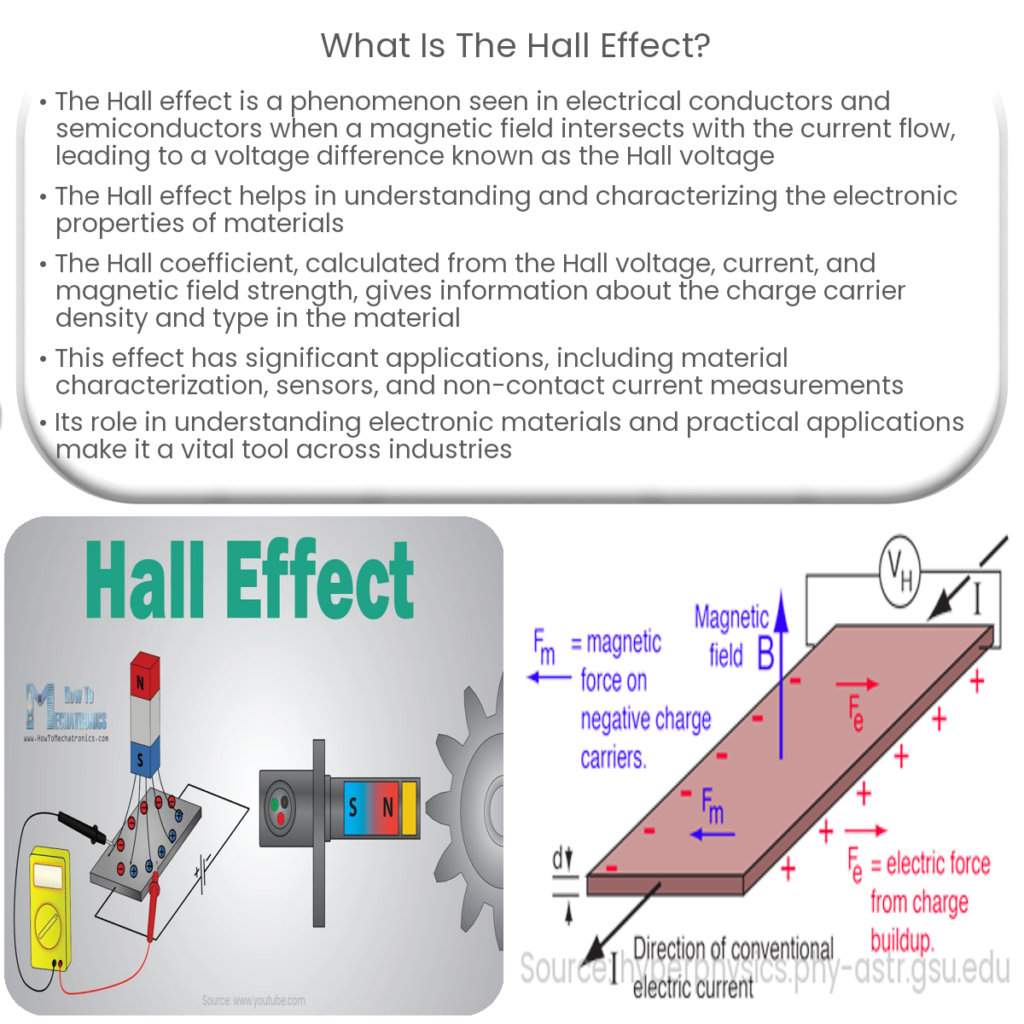
The Hall effect occurs when a magnetic field applied perpendicular to an electric current creates a voltage across a conductor.
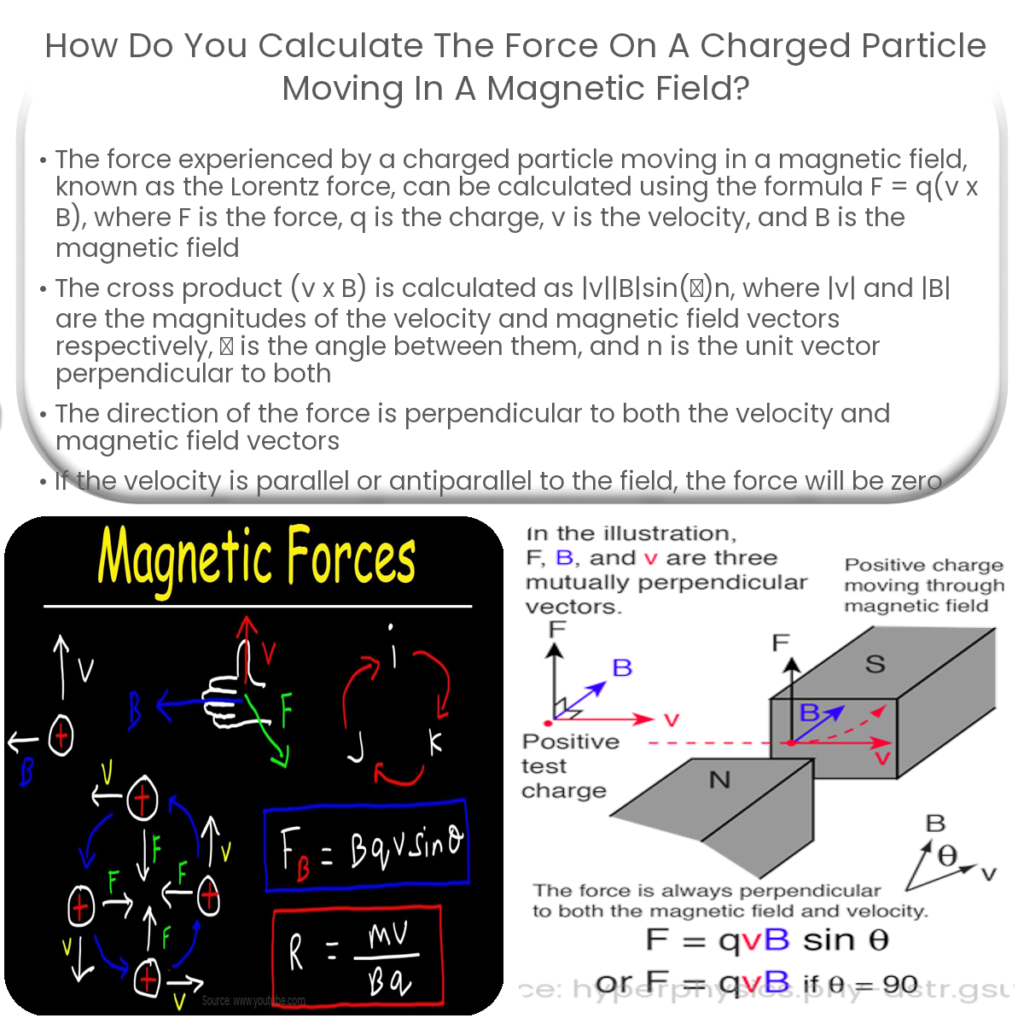
To calculate the force on a charged particle in a magnetic field, use the Lorentz force formula: F = q(v x B), where q is charge, and v and B are vectors.
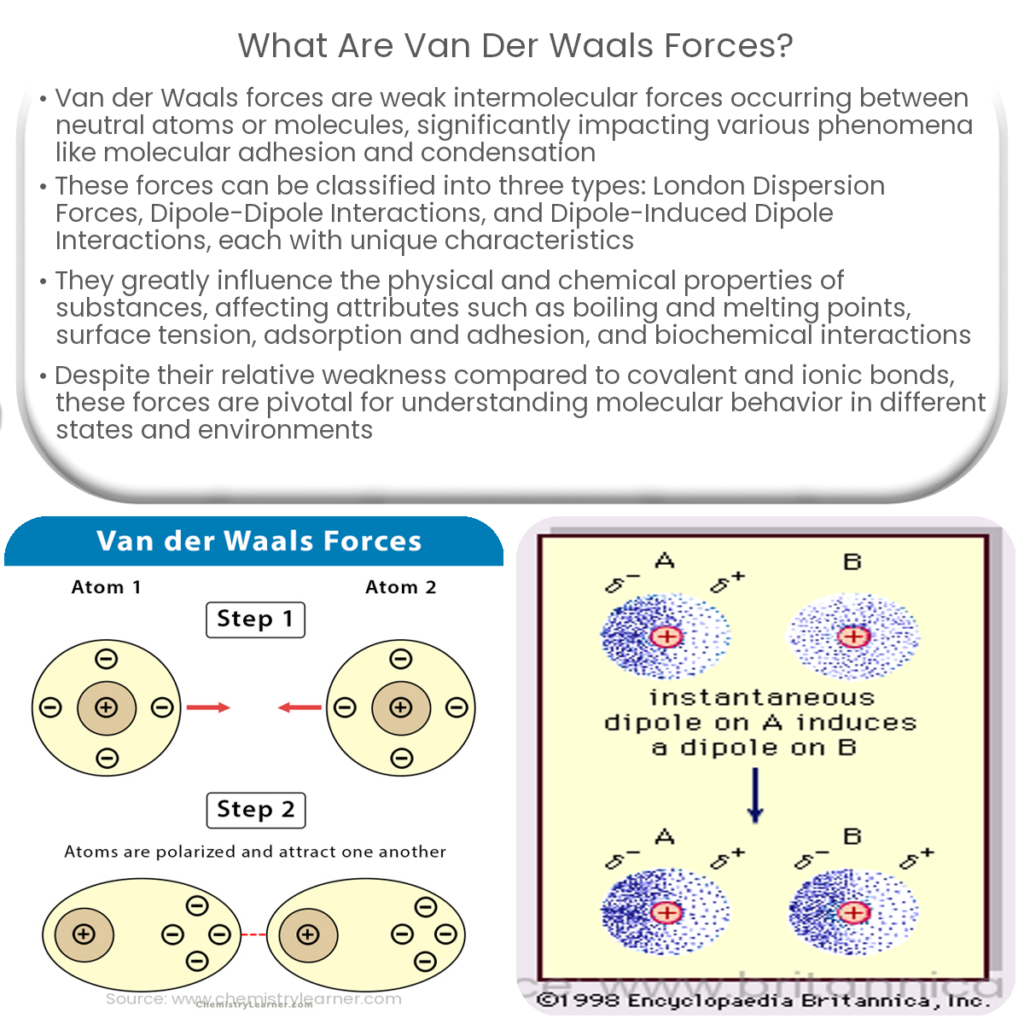
Van der Waals forces are weak intermolecular forces between neutral atoms or molecules, influencing properties like adhesion, boiling points, and surface tension.

The primary purpose of this project is to help the public to learn some exciting and important information about electricity and magnetism.
Our Website follows all legal requirements to protect your privacy. Visit our Privacy Policy page.
The Cookies Statement is part of our Privacy Policy.
The information contained on this website is for general information purposes only. This website does not use any proprietary data. Visit our Editorial note.
It’s simple:
1) You may use almost everything for non-commercial and educational use.
2) You may not distribute or commercially exploit the content, especially on another website.


