What are the different types of electrical loads and their impact on power systems?
Electrical loads include resistive, inductive, capacitive, non-linear, and intermittent types, each affecting power systems’ efficiency and stability differently.
To improve electrical system efficiency, optimize load conditions, correct power factor, use quality components, design properly, and maintain regularly.
Key factors affecting efficiency include load conditions, power factor, component quality, system design, temperature, maintenance, and energy management.
To calculate efficiency, divide the output power by the input power and multiply by 100. Efficiency (%) = (Output Power / Input Power) x 100.
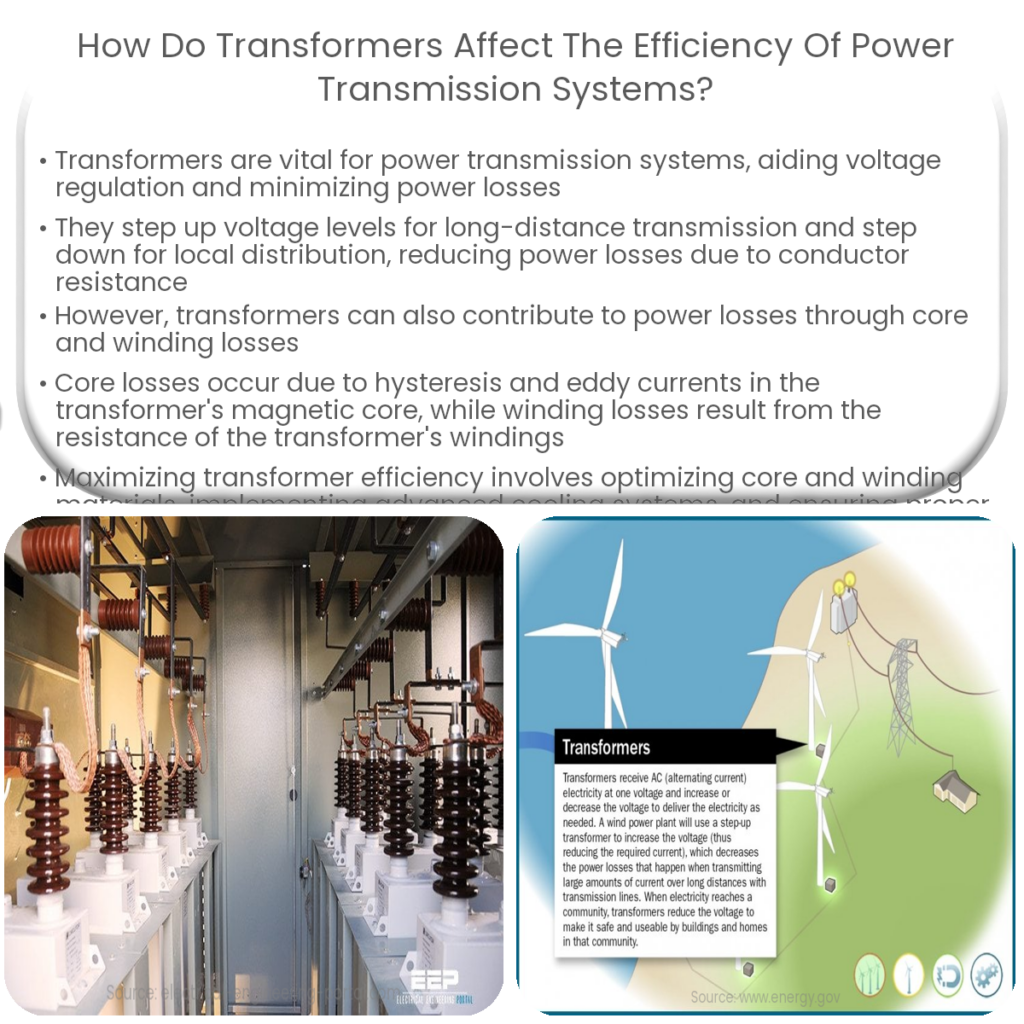
Step-up transformers increase voltage and decrease current, while step-down transformers decrease voltage and increase current in electrical systems.
Transformers improve power transmission efficiency by regulating voltage levels, minimizing power losses, and optimizing core and winding designs.
Transformers regulate voltage levels, minimize power losses, and maintain power quality in power distribution and transmission systems.
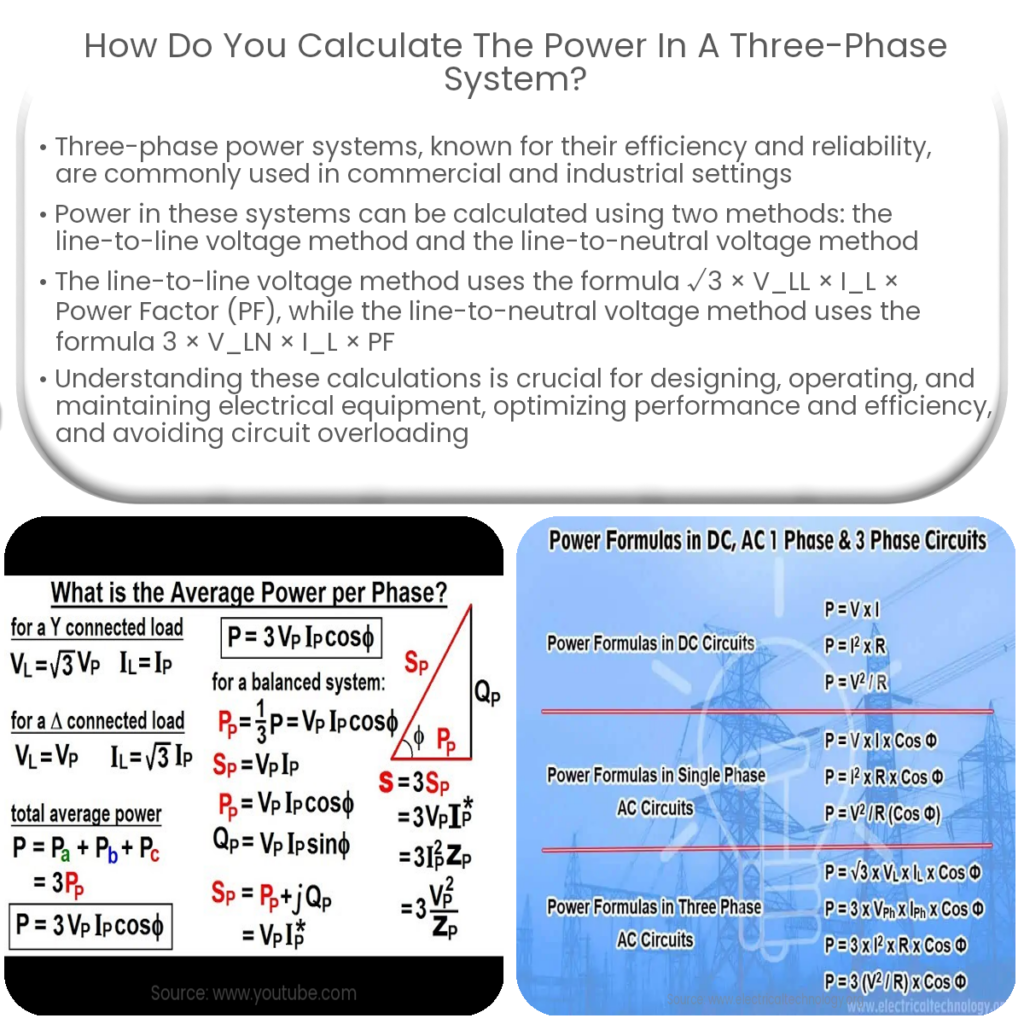
Calculate three-phase power using Pₜ = √3 × Vₗₗ × Iₗ × PF or Pₜ = 3 × Vₗₙ × Iₗ × PF, depending on the available voltage and current values.
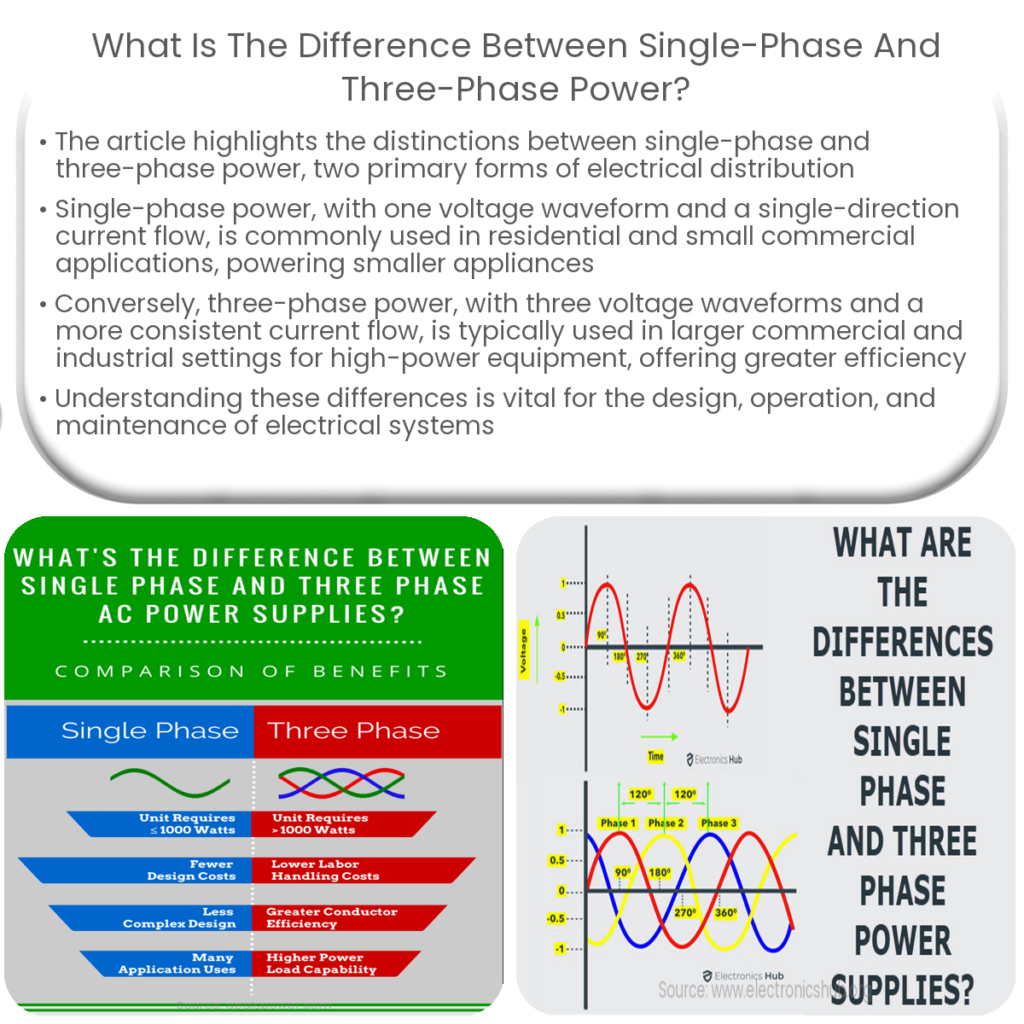
Single-phase power has one voltage waveform, while three-phase power has three, making the latter more efficient and suitable for larger applications.
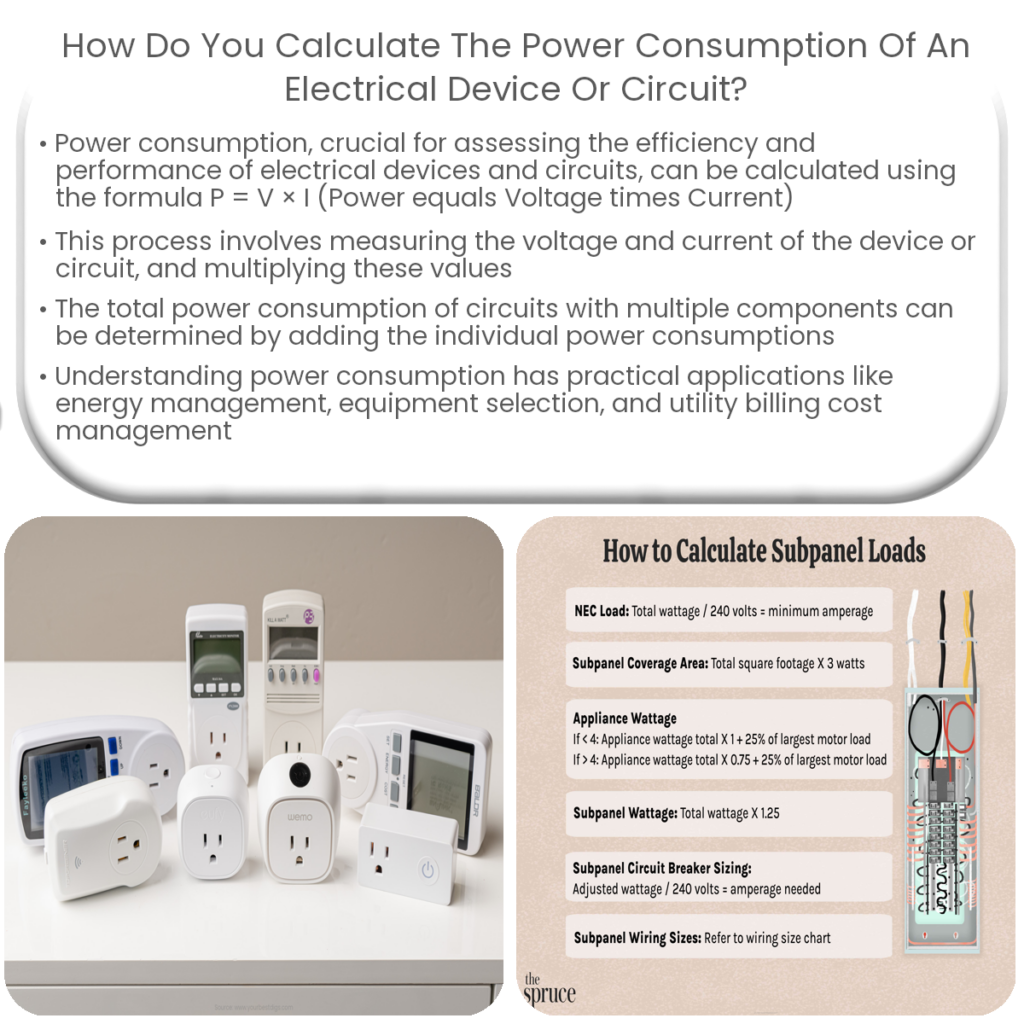
To calculate power consumption, measure voltage (V) and current (I), then use the formula P = V × I to find power in watts (W).

The primary purpose of this project is to help the public to learn some exciting and important information about electricity and magnetism.
Our Website follows all legal requirements to protect your privacy. Visit our Privacy Policy page.
The Cookies Statement is part of our Privacy Policy.
The information contained on this website is for general information purposes only. This website does not use any proprietary data. Visit our Editorial note.
It’s simple:
1) You may use almost everything for non-commercial and educational use.
2) You may not distribute or commercially exploit the content, especially on another website.