
Biaxial accelerometer

A biaxial accelerometer is a compact sensor that measures acceleration in two orthogonal directions, used in consumer electronics, automotive, aerospace, and industrial applications.
A biaxial accelerometer is a compact sensor that measures acceleration in two orthogonal directions, used in consumer electronics, automotive, aerospace, and industrial applications.

A triaxial accelerometer is a compact sensor that measures acceleration in 3 dimensions (X, Y, Z), used in electronics, automotive, aerospace, and more.

Explore the workings, types, applications, advantages, and future of optical accelerometers in this comprehensive guide.
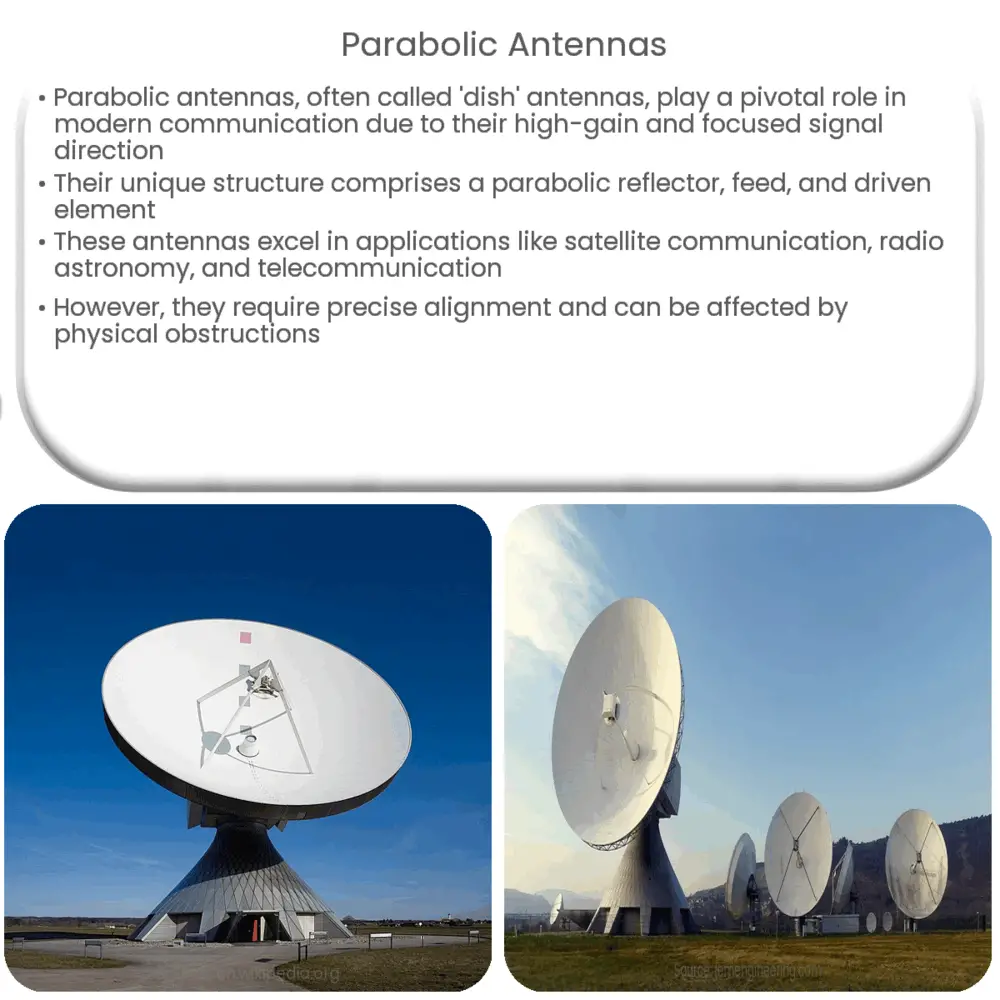
Explore the structure, working principle, applications, and limitations of parabolic antennas in modern communication systems.

Thermal accelerometers are motion sensors utilizing convective heat transfer, offering high sensitivity, low power consumption, and robustness.

A MEMS accelerometer is a miniaturized sensor measuring acceleration in 1-3 axes, used in various industries for precise motion detection.

A servo accelerometer is a high-precision sensor that measures acceleration using force balance principles, widely used in aerospace, military, and industrial applications.

Piezoresistive accelerometers play a critical role in a variety of applications, from aviation and automotive engineering to healthcare.

Strain gauge accelerometers measure acceleration by converting mechanical strain into electrical signals, offering high sensitivity and a wide frequency range.

Explore the inner workings of capacitive accelerometers, their advantages, applications in various industries, and future trends.

The primary purpose of this project is to help the public to learn some exciting and important information about electricity and magnetism.
Our Website follows all legal requirements to protect your privacy. Visit our Privacy Policy page.
The Cookies Statement is part of our Privacy Policy.
The information contained on this website is for general information purposes only. This website does not use any proprietary data. Visit our Editorial note.
It’s simple:
1) You may use almost everything for non-commercial and educational use.
2) You may not distribute or commercially exploit the content, especially on another website.


