
Capacitive Voltage Regulator Modules (VRMs)

Explore the advanced world of capacitive Voltage Regulator Modules (VRMs). Understand their working, benefits, uses, and future prospects.
Explore the advanced world of capacitive Voltage Regulator Modules (VRMs). Understand their working, benefits, uses, and future prospects.

Explore the fundamentals of capacitive voltage multiplier circuits, their working principles, types, applications, pros, and cons. Ideal for electronics enthusiasts.
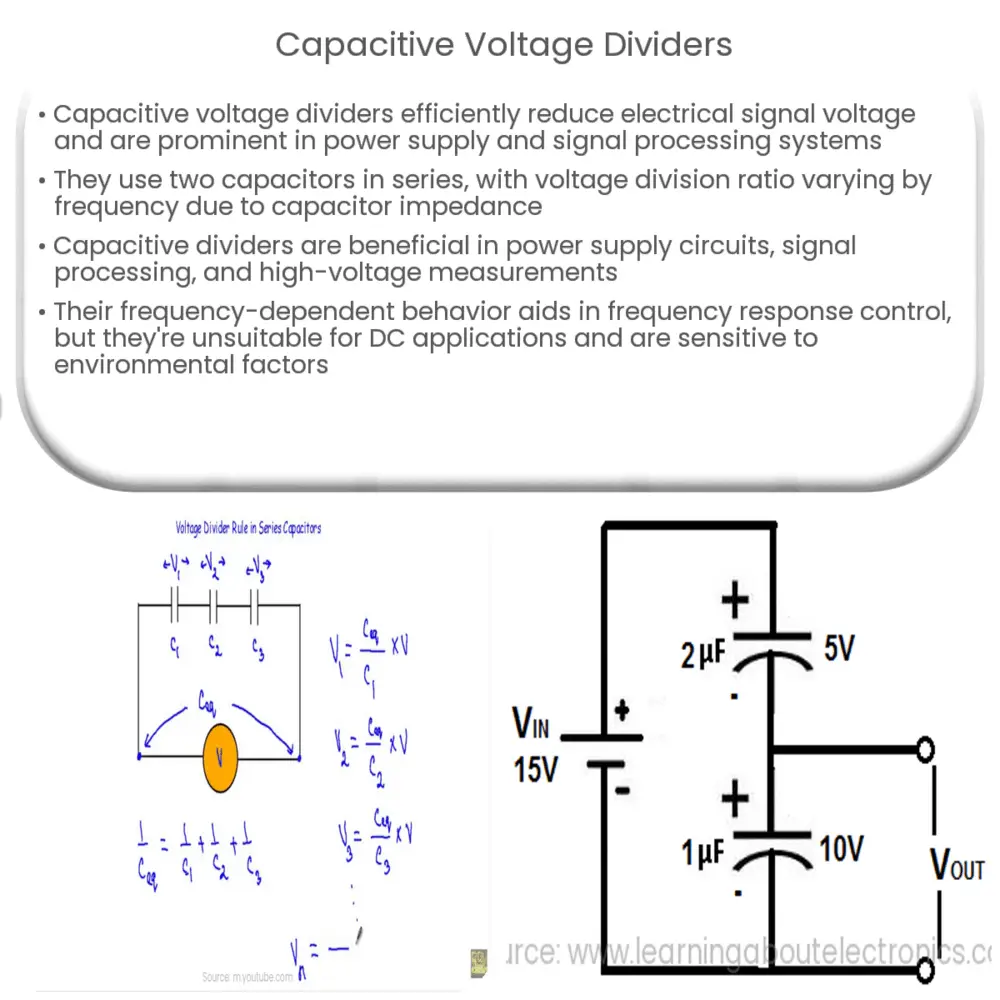
Explore the functionality of capacitive voltage dividers, their frequency-dependent behavior, applications, benefits, and limitations in electrical systems.

Explore the principles, design, advantages, limitations, and applications of Capacitive Voltage Divider Networks in electronics.
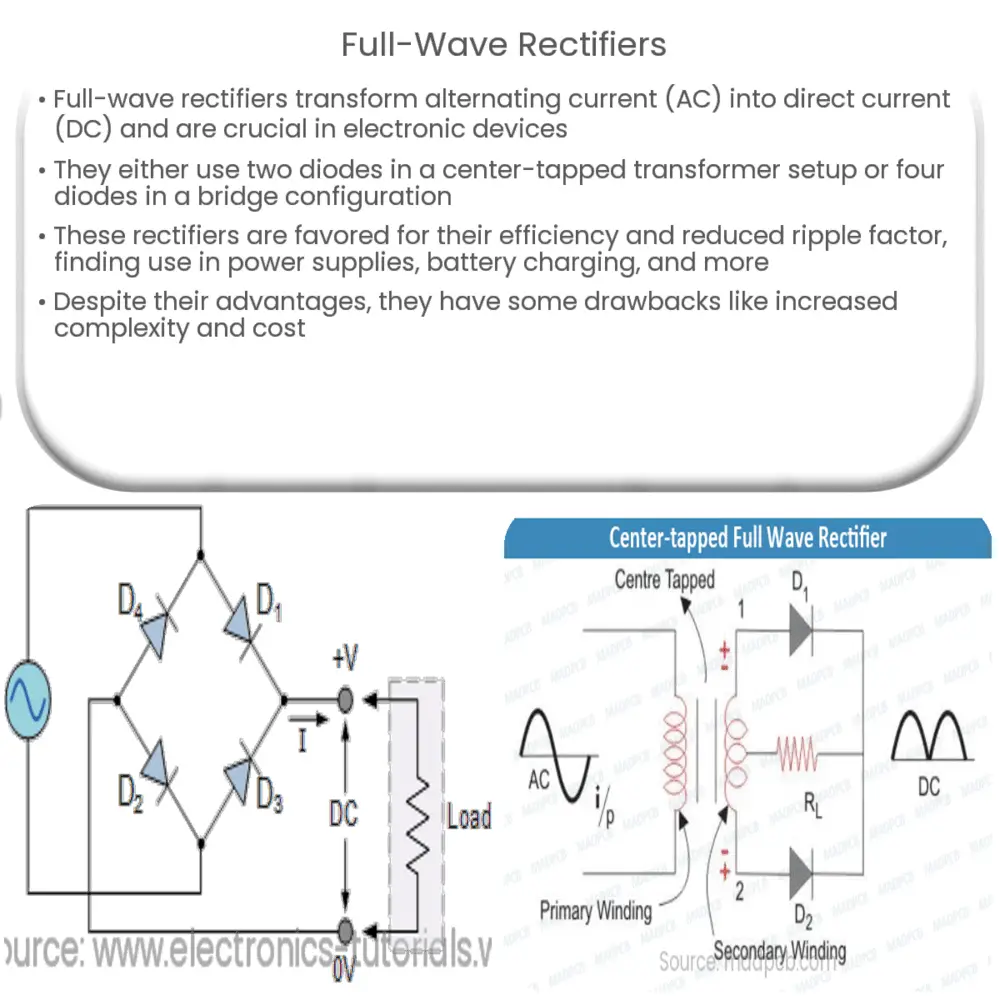
Explore the concept of full-wave rectifiers, their working principles, applications, advantages, and drawbacks in our comprehensive guide.
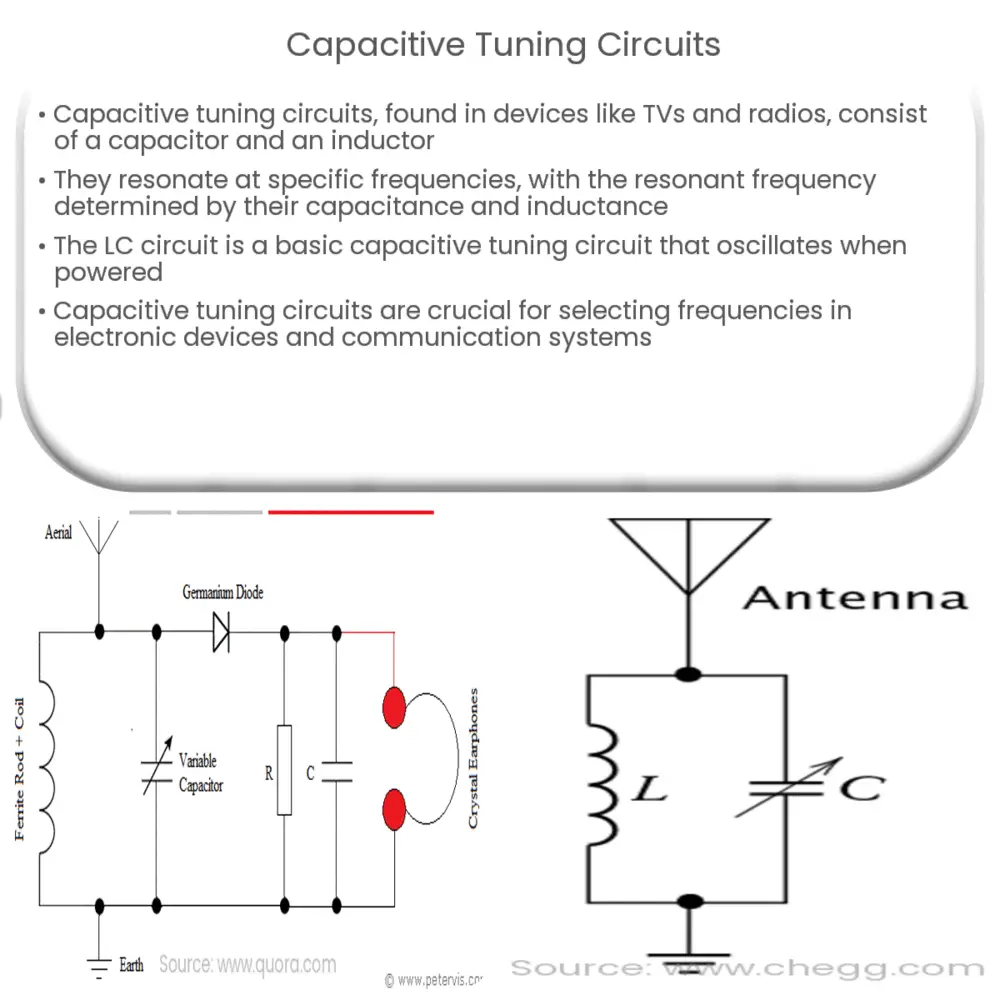
Explore the world of capacitive tuning circuits, their principles, key components like variable capacitors, and their role in communication systems.
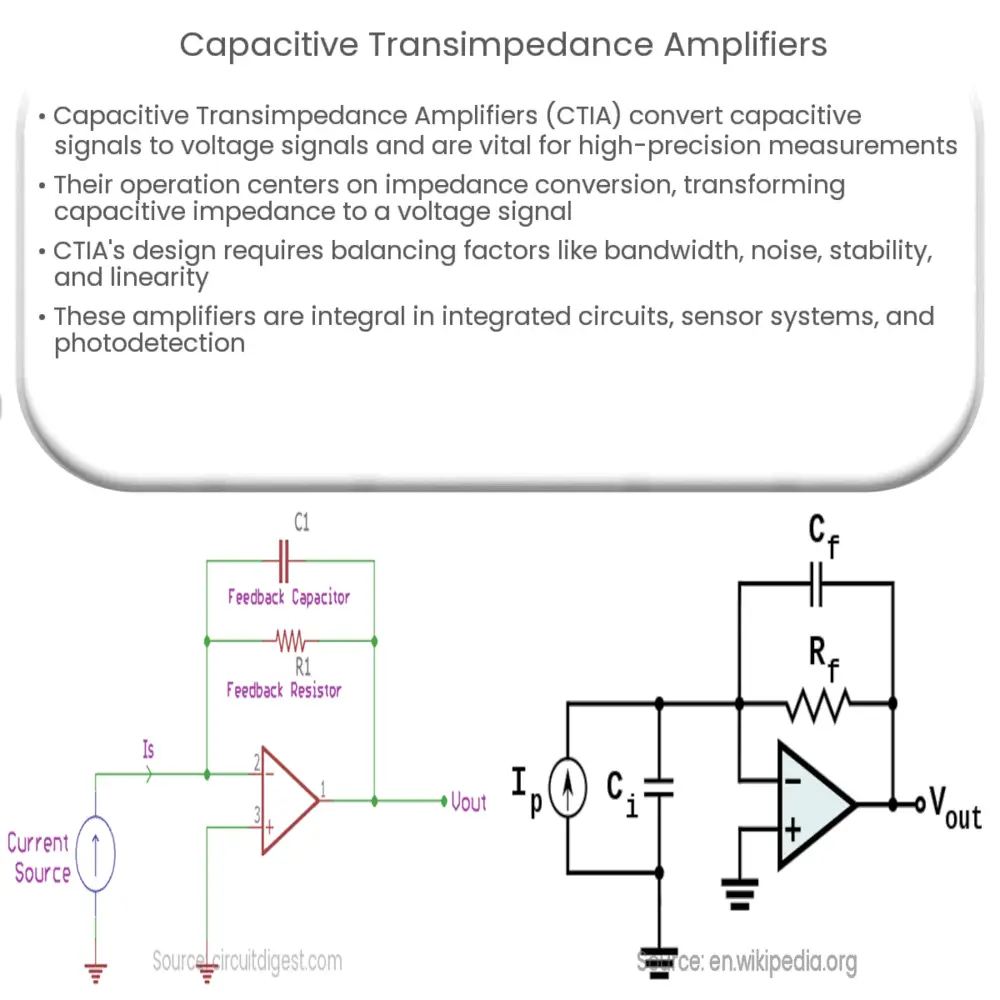
Explore Capacitive Transimpedance Amplifiers: their principle, design considerations, applications, and their pivotal role in advancing electronics.
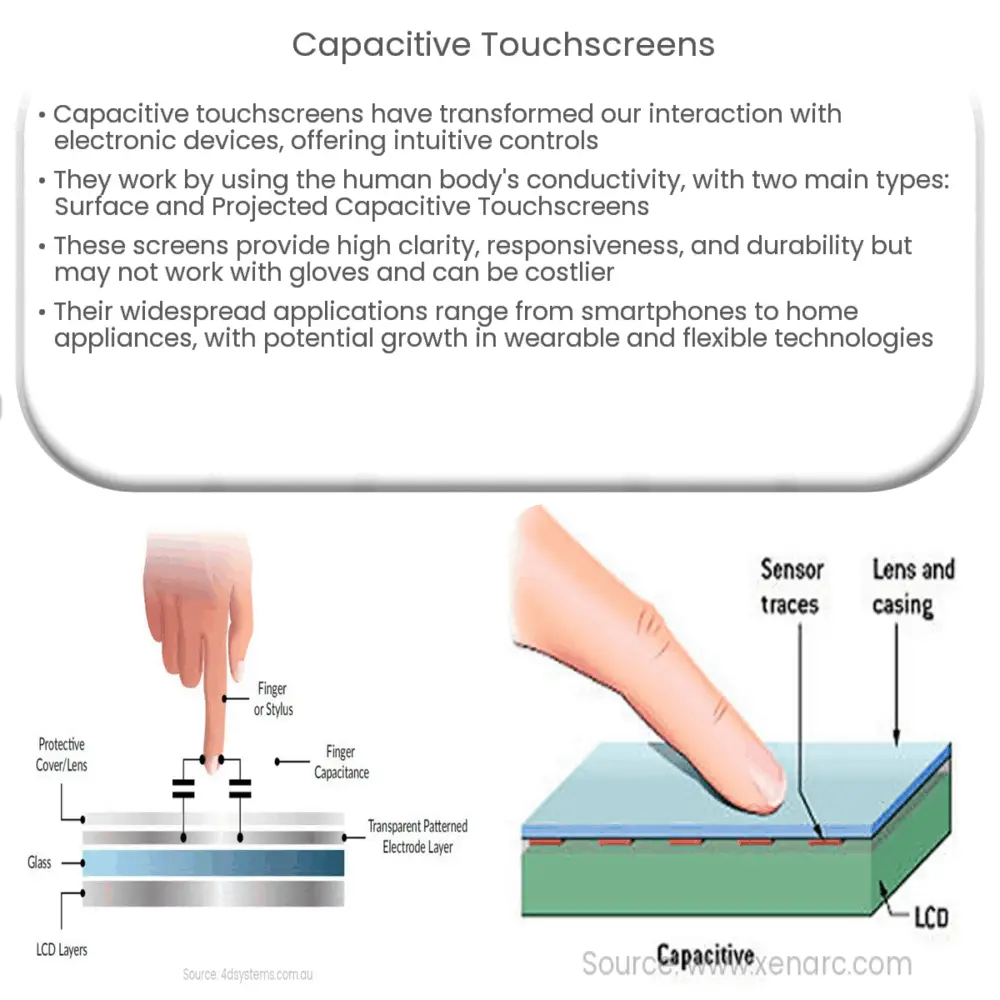
Explore the world of capacitive touchscreens: how they work, their types, pros & cons, applications, and their promising future.
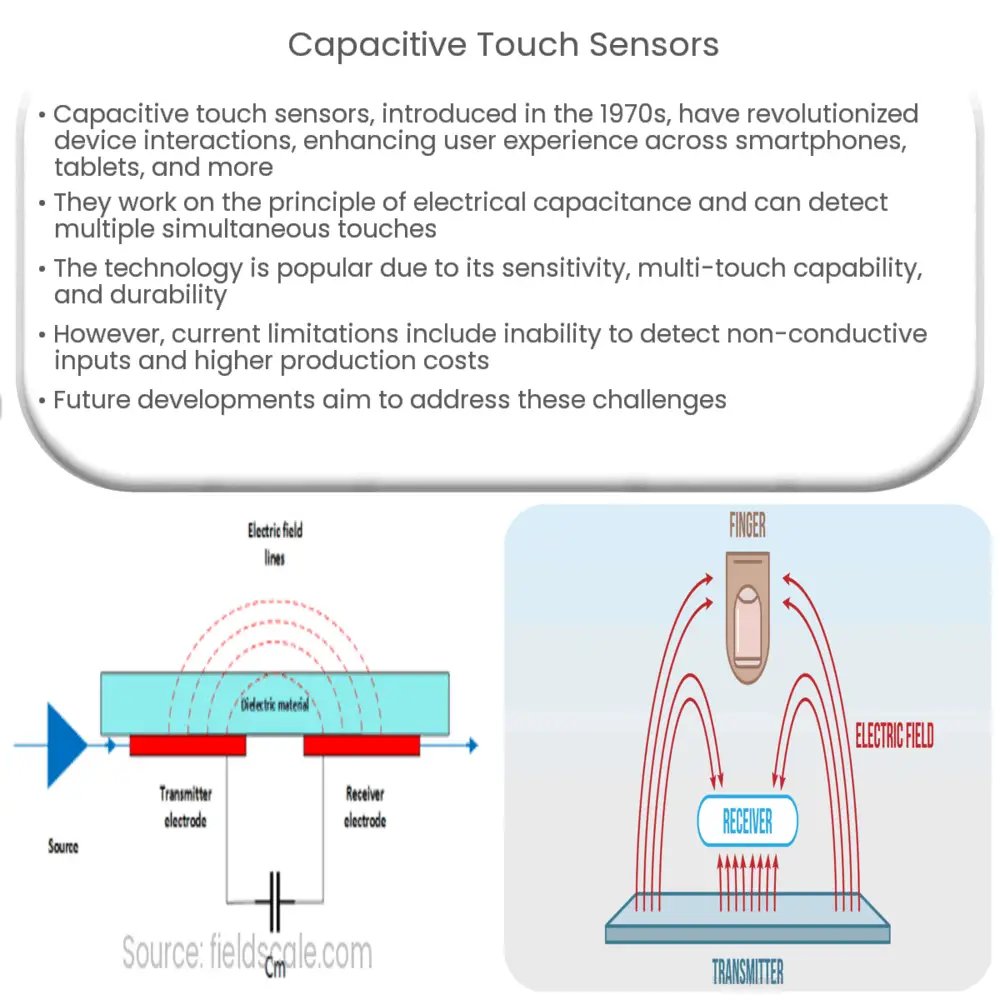
Explore the world of capacitive touch sensors: their working principle, types, applications, pros, cons, and their future prospects.
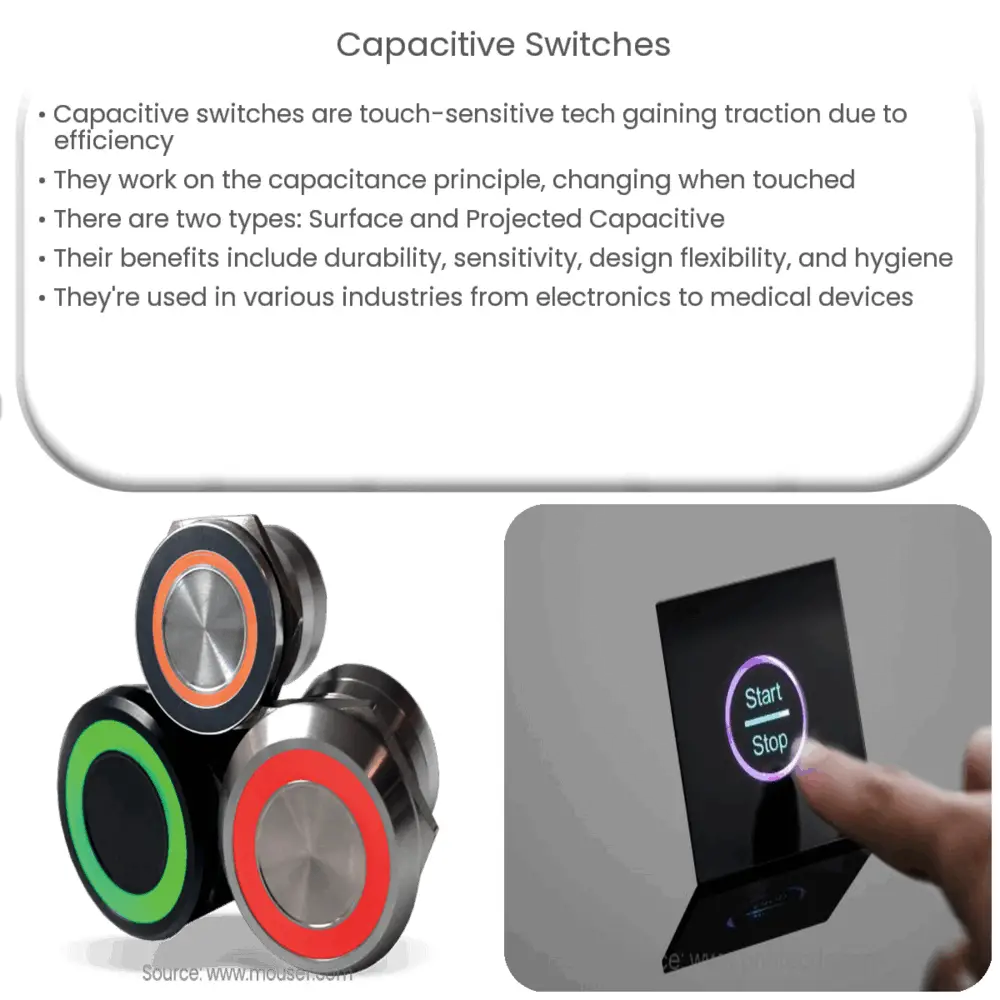
Explore the fundamentals of capacitive switches, their types, advantages, and applications across diverse industries in this comprehensive guide.

The primary purpose of this project is to help the public to learn some exciting and important information about electricity and magnetism.
Our Website follows all legal requirements to protect your privacy. Visit our Privacy Policy page.
The Cookies Statement is part of our Privacy Policy.
The information contained on this website is for general information purposes only. This website does not use any proprietary data. Visit our Editorial note.
It’s simple:
1) You may use almost everything for non-commercial and educational use.
2) You may not distribute or commercially exploit the content, especially on another website.


